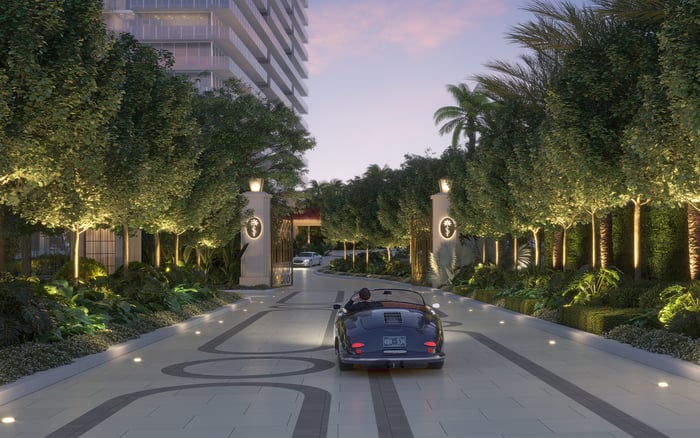
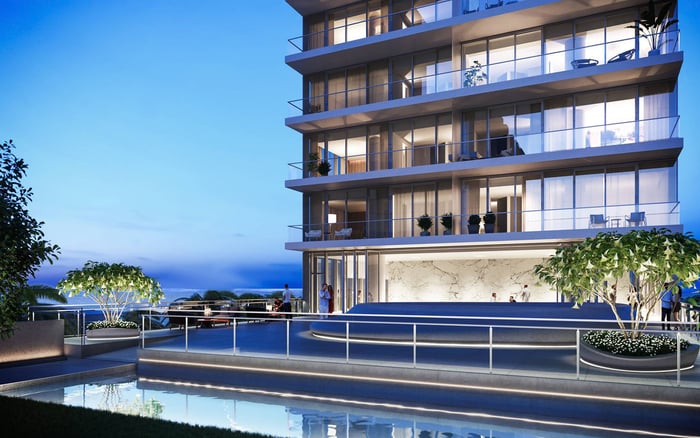
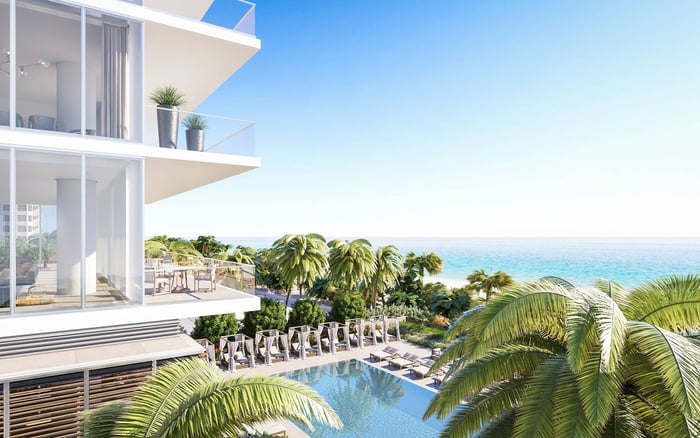
A ranked, buyer-oriented look at design-forward oceanfront living from Hallandale Beach to Pompano Beach, with emphasis on architecture, interiors, indoor-outdoor planning, and amenity culture.
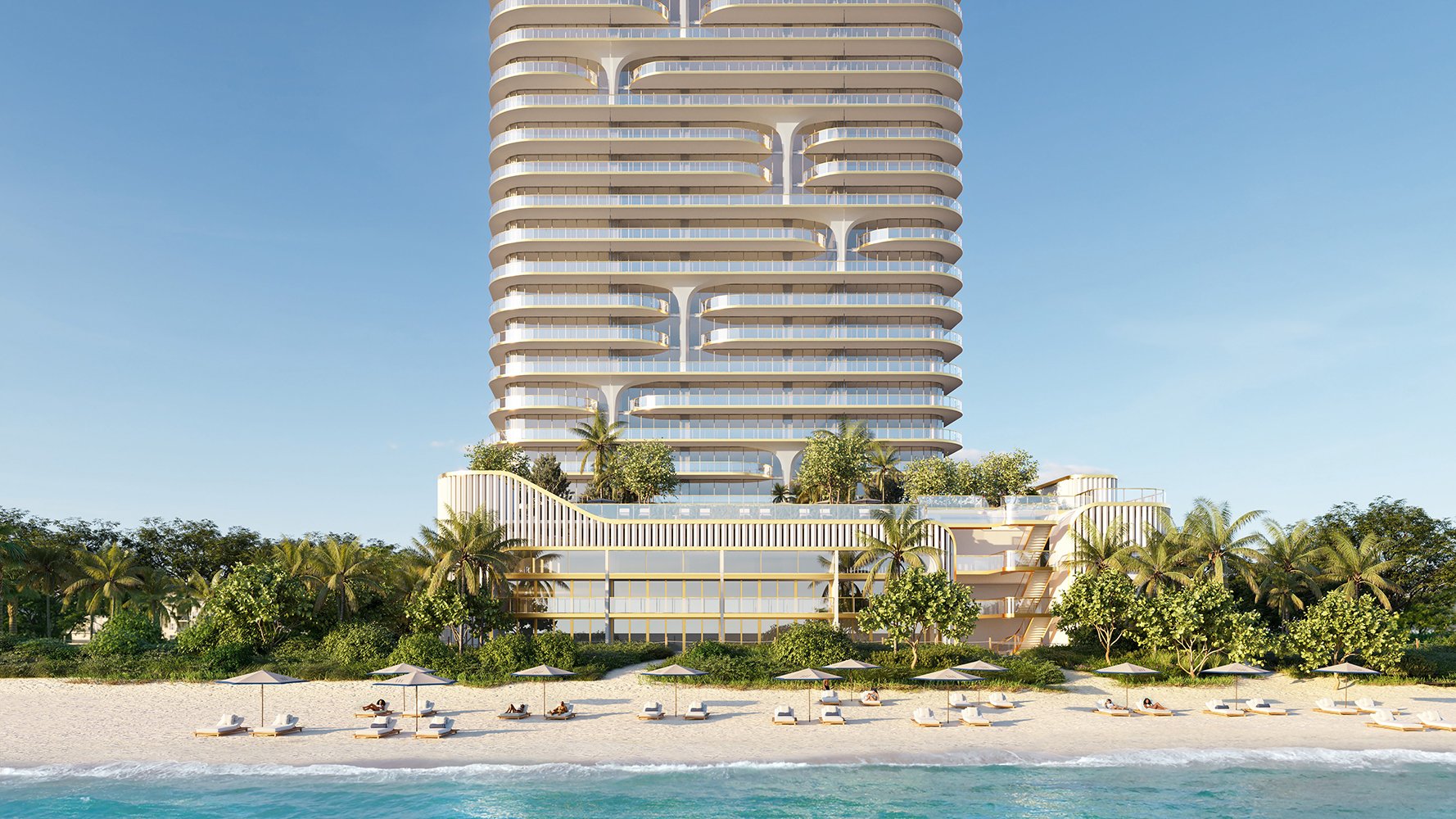
Between Hallandale Beach and Pompano Beach, oceanfront condominium living has entered a more design-literate era. Buyers who once chose primarily for frontage and view corridors are now weighing a second layer of value: the coherence of the building’s aesthetic, the caliber of its interior specification, and the operational intelligence behind daily living.
In practical terms, “design-forward” here is not about decorative flourish. It is about the building functioning like a well-edited home: floor-to-ceiling glass that works with the plan, terraces sized for real outdoor living, kitchens specified for performance and longevity, and amenity programs that read as an extension of the residence rather than a brochure checkbox.
The most compelling buildings along this stretch tend to share a common trait: they are conceived as total environments, where architecture, interiors, and lifestyle programming align. That alignment is what ultimately reads as luxury - and it often holds up in resale because it remains instantly legible to the next buyer.
1. 2000 Ocean Hallandale Beach - Dual-terrace, design-led oceanfront living The proposition at 2000 Ocean is simple and decisive: meaningful private outdoor space paired with dual-orientation living, where ocean exposure and sunset or Intracoastal-facing views are treated as equally valuable. For buyers who genuinely use their terraces, this approach can make the residence feel larger, more flexible, and more livable throughout the day.
Just as important is the project’s design language, closely tied to Minotti across residences and shared spaces, with personalized interior design services positioned as part of the experience. Kitchens are specified with Minotti Cucine and integrated Gaggenau appliances - an interior package that tends to appeal to buyers seeking a composed, internationally recognizable aesthetic rather than an open-ended renovation.
2. Shell Bay Residences - Private-club oceanfront-adjacent lifestyle with waterfront access Shell Bay is not simply a tower; it is part of a broader private-club environment in Hallandale Beach, with golf and waterfront access along the Intracoastal Waterway. The building itself is a 20-story tower with 108 residences, with architecture by Kobi Karp Architecture and interiors by AvroKO.
From a design-forward perspective, the residences emphasize indoor-outdoor living, expansive terraces, and floor-to-ceiling glass. Kitchens are specified with Molteni&C cabinetry and Gaggenau appliances, while primary baths lean into honed marble surfaces and elevated finish standards. Operationally, a hospitality-style “valet closet” concept supports service and deliveries - an understated detail that can materially improve day-to-day life for owners who travel frequently or maintain a second home.
3. Auberge Beach Residences & Spa Fort Lauderdale - Resort-caliber expectation setting Fort Lauderdale has become a meaningful consideration for buyers who want oceanfront ownership with a polished, service-oriented tone. In that context, Auberge Beach Residences & Spa Fort Lauderdale stands out as shorthand for a resort-caliber expectation: privacy when you want it, and a curated social and wellness rhythm when you do not.
For design-forward buyers, the appeal mirrors the strongest hotel residences worldwide: consistency. A cohesive, hospitality-informed approach can reduce the friction that comes with condominium governance and amenity upkeep, and it tends to resonate with buyers who want their building to feel like a true destination - not a compromise.
4. Ocean 580 Pompano Beach - A modern option for buyers tracking Pompano’s evolution Pompano Beach is increasingly on the shortlist for buyers looking north of Fort Lauderdale while still prioritizing ocean access and new-build sensibilities. Ocean 580 Pompano Beach represents the modern residential product helping define this next chapter.
Design-forward value here is often about timing and trajectory: securing a newer, more current planning language and aligning with a market actively refining its luxury identity. For second-home owners in particular, newer construction can be compelling for practical reasons, from building systems to contemporary amenity expectations.
5. Armani Casa Residences Pompano Beach - Branded interior language, tightly controlled aesthetic In the ultra-premium tier, branding matters when it is more than a logo. The strongest branded residences deliver a repeatable interior point of view, with a restrained palette and consistent material logic that keeps common areas and private spaces in the same design conversation. Armani Casa Residences Pompano Beach speaks to that buyer profile: someone who values a recognizable design signature and wants the building to arrive pre-edited.
For purchasers who do not want to manage architects, contractors, and long timelines, a controlled design language can function as convenience. It also tends to create clearer comparables in resale because the “house style” remains legible - and difficult to replicate in older inventory.
In this corridor, design-forward buildings tend to prove themselves in three places: the plan, the materials, and the operations.
First, the plan. Flow-through or dual-orientation living is not merely a view premium; it is a lifestyle premium. If you can move naturally between an ocean-facing terrace and a sunset-facing terrace, you gain usable square footage in the form of outdoor rooms that actually get used.
Second, materials and maker brands. Italian cabinetry and top-tier appliance suites are not automatically better, but they do signal specification discipline. A kitchen anchored by recognized makers can mean fewer weak links in hinges, panels, and integrated systems - which matters in salt air.
Third, operations. Luxury is increasingly defined by how a building handles service, security, and daily logistics. Details like dedicated delivery planning can feel minor until you live with them. In a second-home context, thoughtful operations can be the difference between a residence that feels effortless and one that constantly demands attention.
Hallandale’s most interesting luxury narrative is its dual geography. Oceanfront living is the obvious draw, but the Intracoastal side offers a parallel lifestyle: boating access, sunset light, and a club-like cadence. Buyers who like to entertain often find that these two orientations - when captured in a single residence plan - create a rare sense of completeness.
If you are comparing product in Hallandale, scrutinize how the building handles outdoor space. The difference between a terrace that reads as décor and one that functions as a real room is measurable: depth, privacy, and its relationship to the interior living areas. For a design-first oceanfront address with a distinctly edited interior program, 2000 Ocean Hallandale Beach is frequently discussed in that context.
For buyers prioritizing a private-club atmosphere with golf and waterfront access along the Intracoastal, Shell Bay by Auberge Hallandale embodies the alternative: a lifestyle ecosystem where the residence is one component of a broader daily routine.
Pompano’s luxury profile is sharpening, and design-forward buyers are paying attention for a clear reason: the opportunity to secure newer inventory in a market still forming its next set of reference buildings.
In practical terms, this can benefit owners who want contemporary floor plates, modern glazing, and amenity programming that reflects how people live now. On the design side, the presence of branded residential product introduces a more controlled aesthetic standard, which can be attractive if you want the building to feel consistently finished from arrival to residence.
Some buyers want a residence that arrives as a complete composition. Others want a blank canvas. Neither is inherently superior, but they lead to different ownership experiences.
An edited, design-led residence can reduce decision fatigue and compress timelines. It often photographs well, presents well, and feels immediately coherent. The tradeoff is that you are buying into a specific point of view.
A more customizable residence can allow deeper personalization, but customization is only as good as the governance and the building’s tolerance for variation. If you value a clean, consistent aesthetic across neighbors and common areas, a more controlled approach may preserve the building’s design integrity over time.
Amenities are no longer a single checklist. They are a statement of how the building expects you to live.
Some buildings lean toward spa programming and quiet restoration, where wellness spaces are designed to feel like a private facility rather than a crowded common room. Others build an ecosystem around social and recreational infrastructure, where golf, marina access, and club membership shape the rhythm of ownership.
The correct choice is personal. If you primarily want a calm oceanfront home base, prioritize residences with thoughtful privacy, strong sound attenuation, and amenities that you will actually use. If you want a more active lifestyle with built-in community, the club model can feel like a concierge for your calendar.
What makes a condo “design-forward” versus simply new? It typically signals a coherent architecture-to-interiors concept - not just recent construction and trendy finishes.
Is dual-terrace living worth prioritizing on the coast? Yes. It can extend usable living space and improve comfort by offering multiple orientations and breezes.
Do branded residences hold value better? They can, when the brand translates into a consistent design language and strong operational standards.
What should I look for in oceanfront glazing and terraces? Prioritize floor-to-ceiling glass that complements the plan, and terraces deep enough to function as rooms.
How important is kitchen specification in resale? Very important, because durable cabinetry and integrated appliances are expensive to retrofit well.
What is a “valet closet” and why does it matter? It is a service-and-delivery closet concept that helps manage packages and staff access discreetly.
Should I choose a spa-focused building or a club-focused building? Choose based on your daily routine: quiet restoration and privacy versus social and recreational programming.
Is Hallandale more lifestyle-driven than Fort Lauderdale or Pompano? It can be, especially when residences are paired with Intracoastal access and private-club amenities.
How do I compare buildings across different cities fairly? Compare plan quality, outdoor livability, operational ease, and the coherence of the design program.
What is the simplest way to start a serious shortlist? Tour at the same time of day, then rank by light, terrace usability, and how the lobby-to-home feels.
For a confidential assessment and a building-by-building shortlist, connect with MILLION Luxury.
If branded residences are on your mind — as a home or as an allocation — we would be glad to share what we are seeing, privately.
Begin a quiet conversation