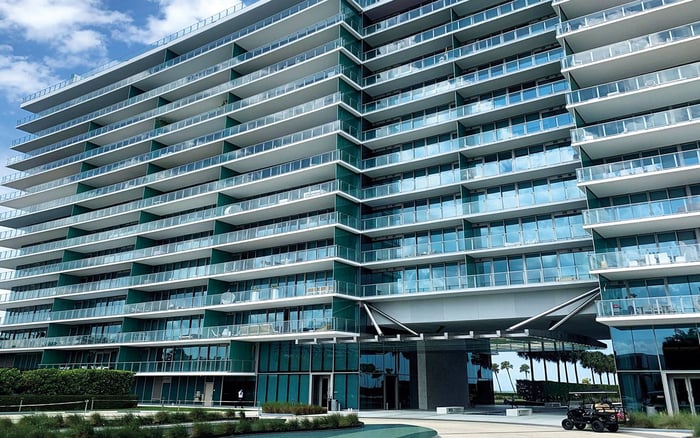
Key Biscayne can appeal to buyers who want a calmer beach rhythm without fully leaving the city conversation, but the decisive variable is often how well a condominium is operated.
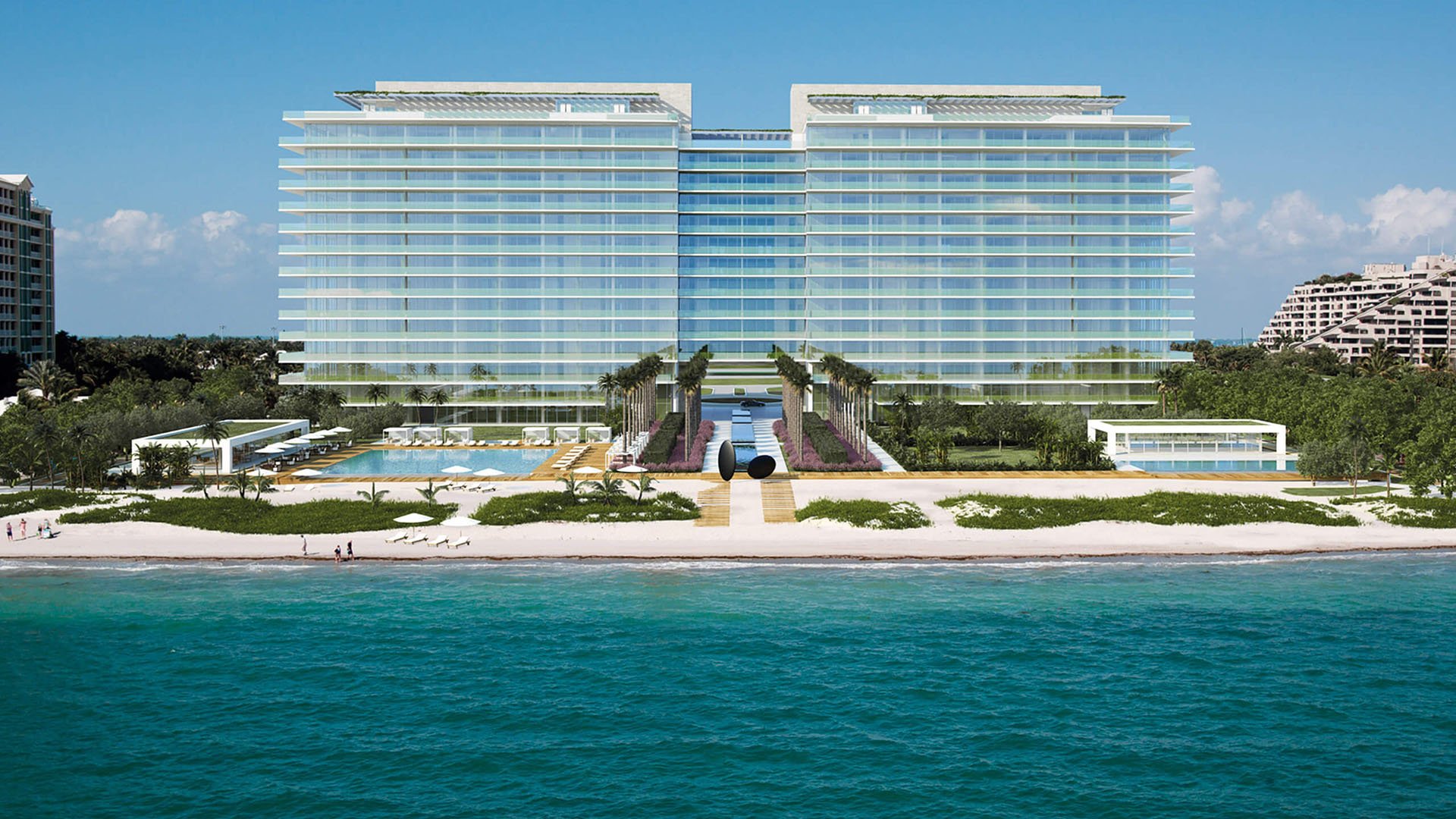
For many luxury buyers, Key Biscayne enters the conversation because it avoids a false choice. The buyer may want the serenity of a beach setting without feeling removed from Miami’s civic, cultural, dining, school, and business life. That is why the island can be persuasive: it offers a softer residential rhythm while keeping the broader city clearly within the buyer’s orbit.
The mistake is to judge that proposition only by view, floor height, terrace depth, or interior finishes. Those elements matter, but they do not determine whether the lifestyle will feel seamless after closing. In a high-end condominium, quiet luxury is often operational. The strongest building is not simply the one with the most photogenic arrival. It is the one where staff anticipate, maintenance is proactive, governance is disciplined, and owners experience the property as calm rather than complicated.
That is the frame through which Key Biscayne should be assessed. It can work beautifully for a buyer comparing beach and city lifestyles when the building itself reduces friction.
A beach-oriented residence asks more from its building than a conventional urban apartment. Owners often expect effortless arrivals, clean common areas, reliable service, well-managed amenities, orderly guest access, clear communication, and careful attention to the physical plant. The closer the purchase is to a lifestyle asset, the more the operating culture matters.
This is where due diligence becomes more nuanced. A buyer should look beyond marketing language and ask how the association functions day to day. Are maintenance items handled promptly? Is staffing appropriate for the property’s scale and service promise? Is communication with owners clear and consistent? Are contractors supervised carefully? Are building rules practical, enforced evenly, and compatible with the way the buyer intends to live?
Financial discipline belongs in the same conversation. A beautifully positioned condominium can become less attractive if its operating plan feels reactive. Buyers should understand the building’s budget philosophy, reserve posture, insurance approach, capital planning, and history of addressing major work. None of these questions is glamorous, but they often separate a residence that feels composed from one that repeatedly interrupts the owner’s life.
A buyer considering Key Biscayne is often also studying the energy of Brickell, Miami Beach, Coconut Grove, or other waterfront enclaves. The comparison should not be reduced to which address is more convenient or which view is more dramatic. It should ask what kind of week the owner actually wants.
A Brickell buyer may prioritize proximity to professional life, restaurants, and a more vertical urban cadence. A residence such as Una Residences Brickell naturally belongs in that conversation because it represents the city-facing side of the waterfront decision. For some buyers, the intensity of Brickell is energizing. For others, it is something they want to access selectively rather than inhabit constantly.
Miami Beach offers another form of coastal luxury, often through a more social and resort-oriented lens. A buyer comparing Key Biscayne with a name such as The Ritz-Carlton Residences® Miami Beach is not simply comparing two waterfront locations. The buyer is comparing operating cultures, privacy expectations, traffic patterns, amenity use, guest behavior, and how the building mediates the outside world.
Key Biscayne’s appeal is strongest when the buyer wants beach calm without abandoning the city. In that sense, the building must perform as a filter. It should preserve the residential quiet that drew the buyer to the island while making departures, arrivals, guests, service providers, deliveries, and everyday routines feel orderly.
The most refined buyers ask practical questions early. They want to know how the building is managed on ordinary days, not only during a polished tour. They observe the lobby, valet, front desk, elevators, garage, package areas, amenity spaces, landscaping, and pool deck. They look for whether the property feels cared for at the edges, because small details often reveal the larger operating culture.
Governance deserves equal attention. A condominium is a shared asset, and its long-term quality depends on the people and policies behind it. Buyers should review documents with professional guidance, understand restrictions, evaluate the board’s decision-making style, and consider whether the community’s expectations align with their own. A buyer seeking a discreet second-home rhythm may have different needs from a full-time family, a frequent host, or an owner who travels extensively.
Service expectations should also be calibrated. Some luxury buyers want a highly staffed, hotel-like experience. Others prefer privacy, limited interaction, and a quieter residential mood. Neither is inherently better. The right building is the one whose operating model matches the owner’s temperament. Oceanfront living is most satisfying when the building supports the owner’s preferred pace rather than forcing adaptation.
Within Key Biscayne, a property such as Oceana Key Biscayne may enter the conversation for buyers who want to study the island through an established luxury condominium lens. The question remains the same: does the building’s management, culture, and physical upkeep support the life the buyer imagines?
Luxury real estate is often described through tangible attributes, yet the final decision is frequently emotional. A buyer knows when a building feels calm. The arrival sequence either lowers the pulse or raises it. Staff either create confidence or uncertainty. Common areas either feel edited or neglected. The residence may be private, but the building is the frame through which daily life passes.
That is why comparisons with Coconut Grove can be useful. Grove buyers often respond to shade, water, privacy, and a slower residential mood while still remaining close to the city’s core. A project such as Vita at Grove Isle can become part of a broader conversation about how much separation from urban energy feels desirable. Key Biscayne can occupy a similar emotional register for certain buyers, but the deciding factor is whether the condominium itself makes that separation feel graceful rather than inconvenient.
The most successful purchase is not the most theatrical one. It is the one where the buyer’s recurring routines are protected. Morning departures, family logistics, entertaining, service appointments, beach days, evening returns, pet needs, and seasonal travel all test a building. When operations are right, these moments recede into the background. When they are not, they become the owner’s problem.
Key Biscayne can work for buyers comparing beach and city lifestyles because it offers a compelling middle ground: quieter coastal living with access to the larger Miami orbit. But the island alone does not deliver the promise. The building must be financially thoughtful, physically maintained, well staffed, professionally governed, and aligned with the owner’s expectations.
In that sense, the smartest Key Biscayne purchase is not just a real estate decision. It is an operations decision. Views may inspire the search, but execution sustains the life.
Why should building operations matter so much in Key Biscayne? Because the buyer is often purchasing ease, privacy, and daily calm, not only square footage or a view.
Is Key Biscayne better for beach buyers or city buyers? It can suit both when the buyer wants a quieter residential base while keeping Miami within the lifestyle plan.
What should buyers review before purchasing in a condominium? They should review governance, budgets, reserves, insurance approach, maintenance history, rules, staffing, and owner communications.
How does Brickell compare with Key Biscayne? Brickell generally represents a more urban lifestyle choice, while Key Biscayne is usually considered for a calmer coastal rhythm.
Should buyers prioritize amenities or management quality? Amenities matter, but management quality determines whether those amenities feel effortless over time.
Is oceanfront living always the stronger choice? Not necessarily. Oceanfront value depends on the building’s upkeep, privacy, service model, and fit with the owner’s routines.
Can a second-home buyer be comfortable in Key Biscayne? Yes, if the building communicates clearly, handles access well, and supports an owner who may not be present year-round.
Why compare Key Biscayne with Coconut Grove? Both can appeal to buyers seeking a softer residential mood while remaining connected to the broader Miami lifestyle.
What makes a luxury condominium feel truly discreet? Consistent staffing, quiet common areas, reliable procedures, and a culture that respects privacy all contribute to discretion.
What is the best way to shortlist comparable options for touring? Start with location fit, delivery status, and daily lifestyle priorities, then compare stacks and elevations to validate views and privacy.
When you're ready to tour or underwrite the options, connect with MILLION.
If branded residences are on your mind — as a home or as an allocation — we would be glad to share what we are seeing, privately.
Begin a quiet conversation