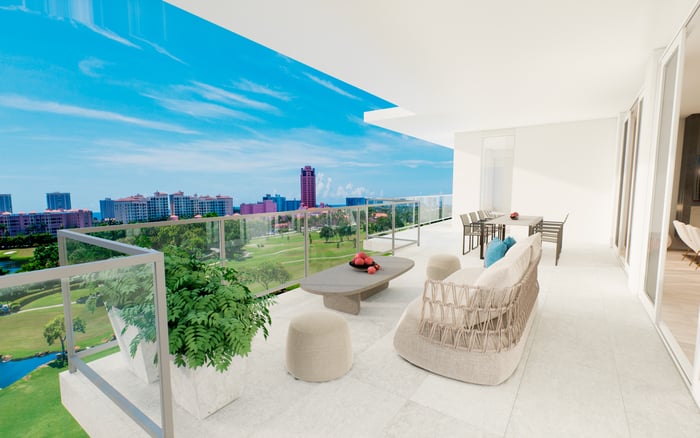
A serious Boca Raton preconstruction condo purchase is less about timing a launch and more about choosing a residence that can serve real life, hold relevance, and remain desirable through future market cycles.
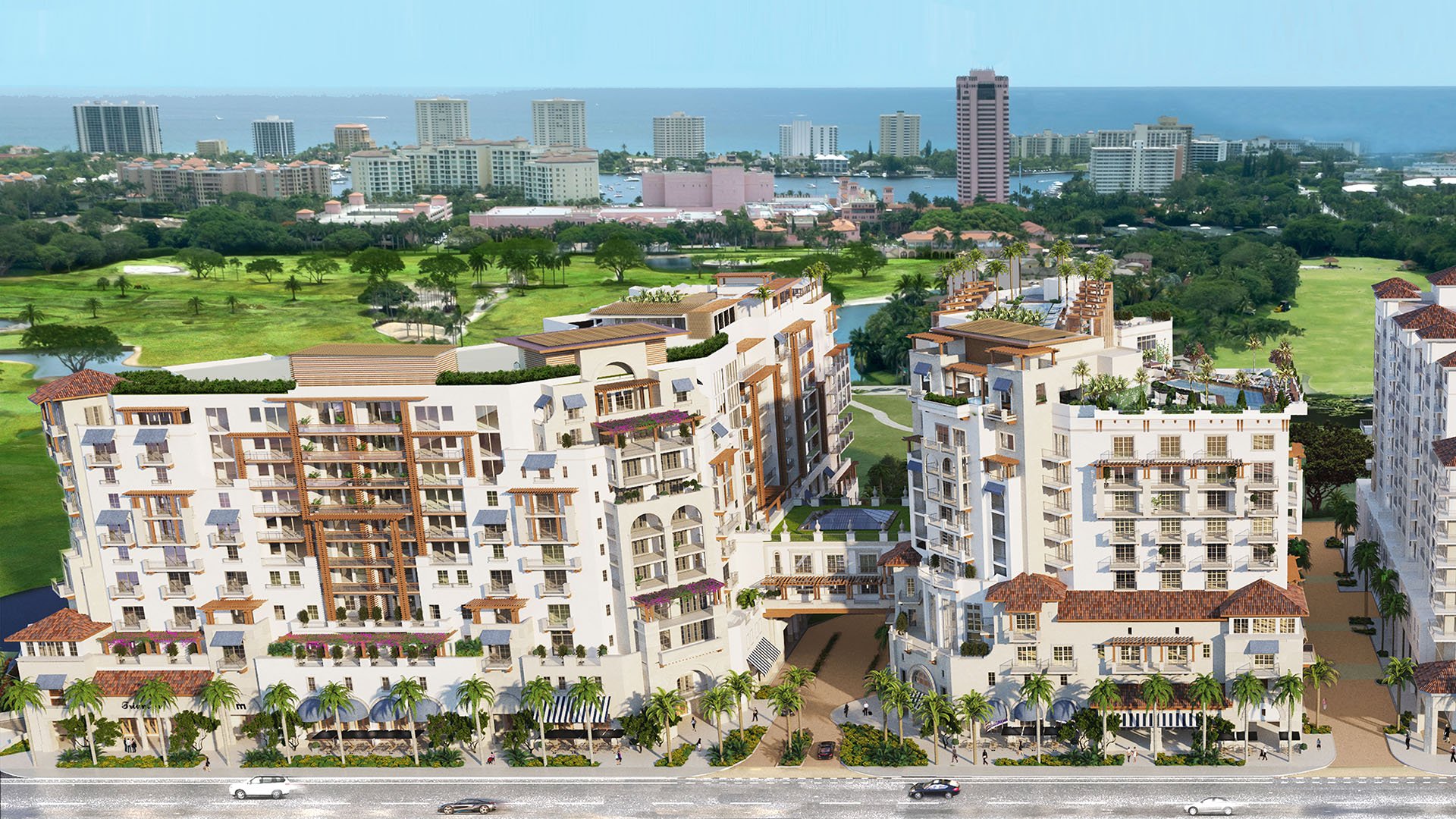
A preconstruction condo in Boca Raton works as a serious long-term purchase when it satisfies two tests at once: it must feel exceptional on move-in day, and it must still feel rational years later. That combination is harder to achieve than a beautiful sales gallery might suggest. The best decisions begin with restraint, not urgency.
Boca Raton attracts buyers with choices across South Florida. They may compare a condominium with a single-family home, a club community, a second residence, or a larger coastal estate. That makes the preconstruction decision highly personal. It is not simply a question of buying early. It is a question of whether the residence can support a durable way of living.
For the MILLION reader, the more useful lens is permanence. Does the home have a plan that will age well? Does the building concept align with how you actually live? Does the location make your weekly routine easier rather than more ornamental? If the answer is yes, preconstruction can be more than a speculative position. It can be a way to secure a tailored residence before the broader market has fully priced its eventual usefulness.
In Boca Raton, location is not a single headline. It is a series of daily questions. How often will you use the beach? How close do you want to be to dining, private clubs, cultural life, medical appointments, schools, family, or an office? Will the residence be used year-round, seasonally, or as a base within a larger portfolio of homes?
A long-term buyer should map the week before studying the floor plan. If the property reduces friction in ordinary life, it gains staying power. If it only photographs well, the initial excitement may fade. The strongest Boca Raton condo purchases tend to reflect a clear relationship between setting and lifestyle, whether that means walkability, privacy, service, proximity to social anchors, or a quieter residential rhythm.
This is why local projects should be compared through use, not only aesthetics. A buyer looking at Alina Residences Boca Raton, for example, should ask what kind of day the building supports, how the arrival sequence feels, and whether the surrounding environment matches the life they intend to lead over the next decade.
Finishes can be refreshed. Furniture can be replaced. A compromised floor plan is harder to forgive. For a long-hold buyer, the plan should be studied as carefully as the location. Ceiling height, natural light, storage, bedroom separation, kitchen proportions, outdoor space, and the relationship between public and private rooms all influence whether a residence remains comfortable over time.
A serious purchase should not depend on one perfect staging scenario. It should work for quiet mornings, family visits, extended stays, entertaining, remote work, and recovery after travel. The plan should have enough flexibility to absorb life changes without feeling inefficient.
This is especially important in preconstruction buying because the buyer is often making decisions before the finished residence can be experienced. Renderings may communicate mood, but they do not replace disciplined review. Study where furniture will actually sit. Consider art walls, window treatments, service circulation, closet capacity, and the distance between principal spaces. Luxury is not only what is added. It is what has been resolved.
A respected name can bring confidence, but it should not become a substitute for analysis. Branded residences, notable architects, and elevated design programs can all contribute to desirability when they are matched by execution, governance, and a coherent residential experience. The question is whether the brand enhances the way the building will operate and be perceived over time.
In Boca Raton, where buyers often prize discretion, polish, and ease, an overdesigned concept can be as risky as an underdesigned one. The strongest buildings tend to present a clear identity without exhausting the resident. They feel refined on the hundredth arrival, not only the first.
That is the relevant lens for projects such as The Residences at Mandarin Oriental Boca Raton. A buyer should consider not only the name, but whether the service culture, private residential experience, and long-term ownership structure align with personal expectations. The brand should clarify the promise, not obscure the due diligence.
A serious long-term purchase must be underwritten with calm numbers. The purchase price is only the beginning. Monthly association costs, reserves, insurance exposure, assessments, parking, storage, maintenance, utilities, and the cost of furnishing a new residence all affect the ownership experience.
The buyer should also consider the difference between affordability and comfort. A residence may be affordable on paper while still feeling inefficient if the ongoing costs do not match its actual use. Seasonal owners should be especially candid about how often they will occupy the home and what level of service they expect when they are away.
Investment thinking does not require a short-term flip mentality. In fact, the more expensive the residence, the more important it becomes to define the exit logic early. Who is the future buyer? What features will remain scarce? Which elements are personal preferences, and which are broadly marketable? A serious investment decision balances emotional conviction with resale discipline.
Preconstruction contracts require careful review. Deposit structure, construction timing, allowable changes, closing conditions, association documents, developer rights, design substitutions, and delivery obligations all matter. The point is not to approach the process with suspicion. The point is to understand what is fixed, what is flexible, and what risk the buyer is accepting.
Because a preconstruction purchase unfolds over time, communication matters. The buyer should know how updates will be handled, how selections will be made, and what happens if personal circumstances change before closing. A residence may be beautiful, but a poorly understood contract can create avoidable tension.
The most disciplined buyers assemble their advisory team early. Legal, tax, financing, insurance, and design counsel should be aligned before major decisions are made. This is particularly true for buyers coordinating trusts, family ownership, cross-border considerations, or multiple residences. The goal is a graceful closing, not a rushed rescue.
The new-construction conversation often centers on freshness: new systems, current design, modern amenities, and the opportunity to secure a preferred residence before completion. Those advantages can be meaningful. Still, a long-term buyer should compare them against the resale market with clear eyes.
A new condo should offer something that will remain persuasive after the first wave of closings. That could be a superior plan, a more compelling location, a rare exposure, a stronger service program, or a building scale that feels better suited to the buyer. Without that durable distinction, the premium for newness can become less defensible over time.
Projects such as Glass House Boca Raton and Mr. C Residences Boca Raton should be evaluated not only as new offerings, but as future resale properties. Ask how each residence will compete once it is no longer new. That question often reveals the difference between surface appeal and lasting quality.
A successful Boca Raton preconstruction condo purchase usually has a quiet logic. The residence fits the buyer's routine. The plan is intelligent. The building identity is coherent. The contract is understood. The carrying costs feel proportionate. The exit story is plausible, even if there is no intention to sell soon.
That is what makes the decision serious. It is not driven by scarcity language or social pressure. It is grounded in a clear sense of how the property will be lived in, maintained, and eventually judged by the next sophisticated buyer.
For many ultra-premium buyers, the right answer may be to wait. For others, the right answer may be to commit early to secure a residence that would be difficult to replace once completed. The distinction is not timing. It is conviction supported by analysis.
What makes a Boca Raton preconstruction condo a long-term purchase? It should support daily life, offer a resilient floor plan, and maintain appeal beyond the excitement of its launch.
Is preconstruction mainly an investment decision? Not necessarily. The strongest purchases combine personal lifestyle value with disciplined financial and resale thinking.
How important is the floor plan? It is central. A beautiful finish package cannot fully compensate for awkward circulation, limited storage, or poor room proportions.
Should I prioritize brand or location? Both matter, but location and livability should come first. A brand is most valuable when it reinforces an already sound residence.
What should I review before signing a contract? Review deposits, timelines, developer rights, association documents, design flexibility, and closing obligations with qualified counsel.
Are carrying costs important if I plan to hold long term? Yes. Monthly costs, reserves, insurance, and maintenance shape the ownership experience as much as the purchase price.
Can a seasonal buyer justify preconstruction in Boca Raton? Yes, if the residence offers convenience, service, and lock-and-leave confidence that match the actual pattern of use.
How should I compare preconstruction with resale? Compare the new residence against existing alternatives based on plan quality, setting, service, scarcity, and future buyer appeal.
When is it better to wait? Waiting can be wise if the plan, contract, costs, or lifestyle fit remain unclear after careful review.
What is the clearest sign of a strong purchase? The clearest sign is that the residence still makes sense when stripped of launch urgency and viewed as a home for many years.
For a tailored shortlist and next-step guidance, connect with MILLION.
If branded residences are on your mind — as a home or as an allocation — we would be glad to share what we are seeing, privately.
Begin a quiet conversation