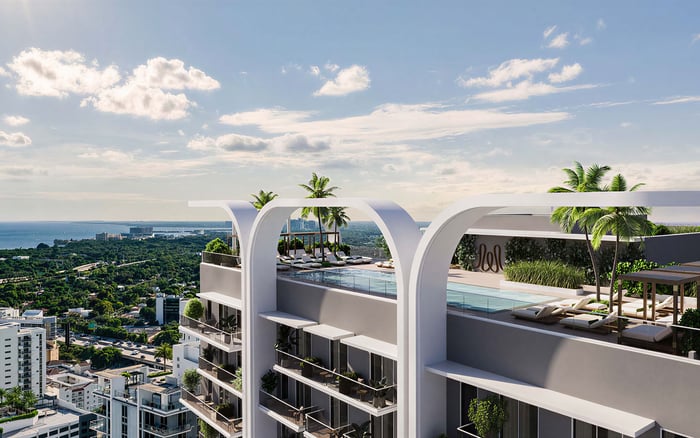
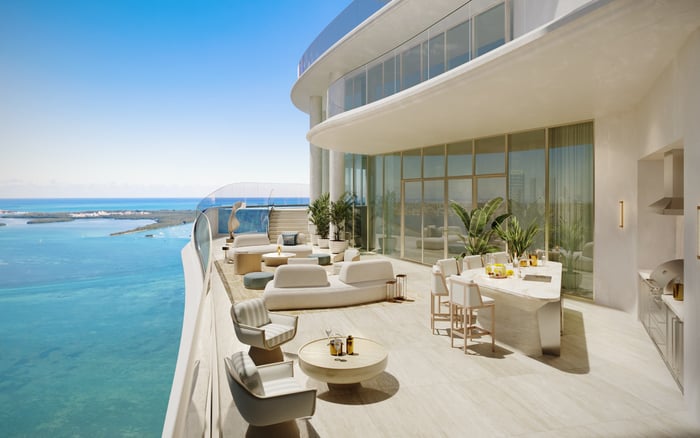
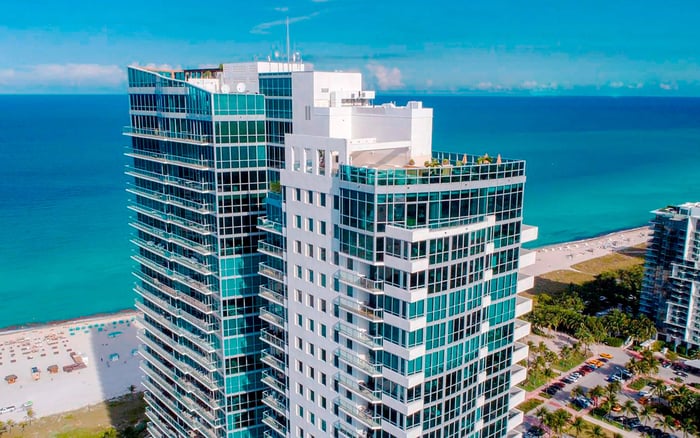
A buyer-focused comparison of Cipriani Residences Brickell and Setai Residences Miami Beach through the practical lens of balcony permissions, terrace use, outdoor cooking rules, and weather exposure. The central lesson is to compare documents and residence-specific plans, not lifestyle imagery alone.
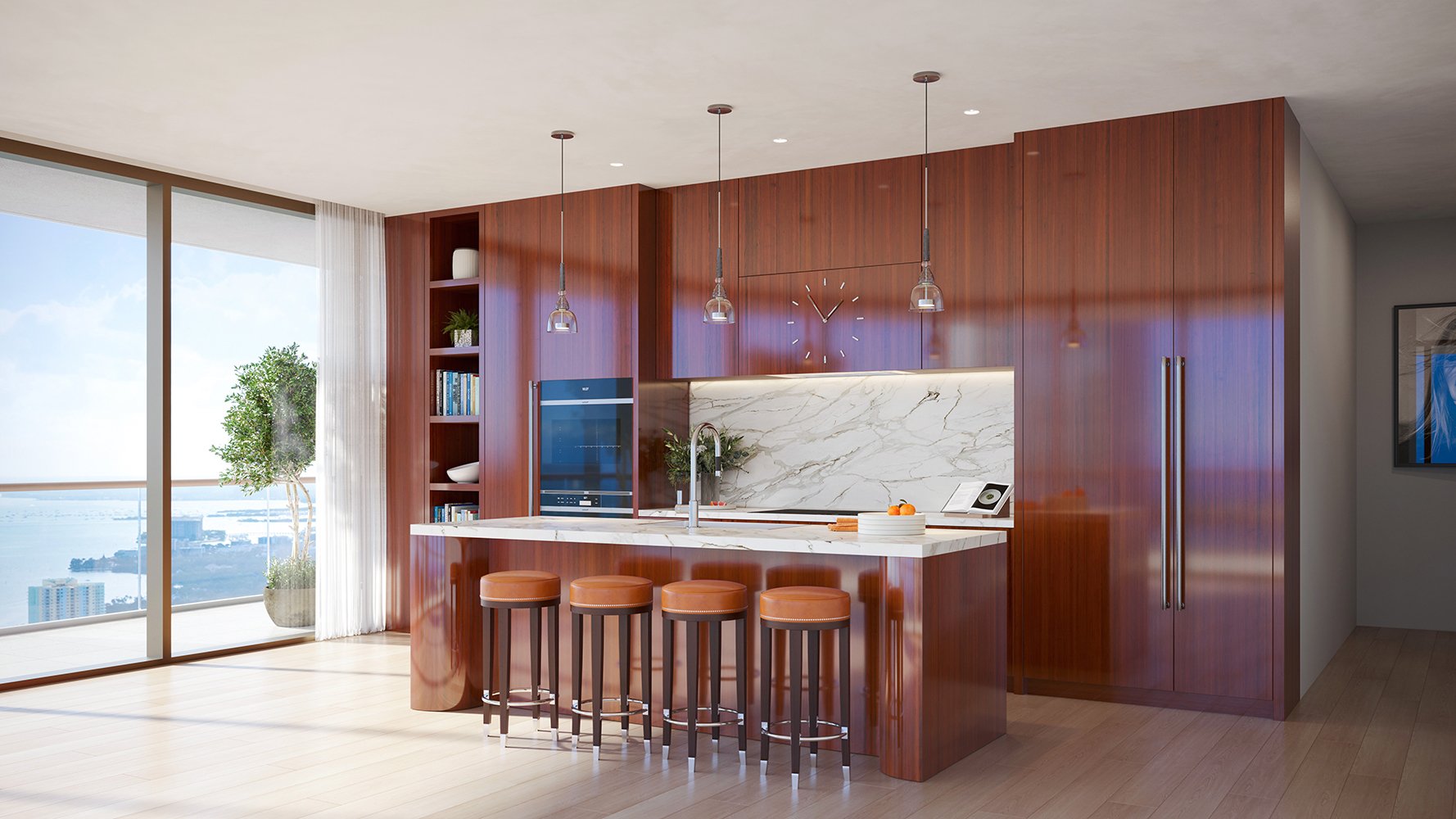
For South Florida luxury buyers, outdoor space is often sold emotionally: morning coffee above the city, a late dinner in sea air, a shaded terrace that feels like an extension of the salon. Yet the practical question behind Cipriani Residences Brickell versus Setai Residences Miami Beach is more exacting: what can you actually do on the private outdoor area that comes with the residence?
That question matters because a balcony or terrace is not simply square footage. It is governed by condominium documents, building rules, residence-specific plans, storm procedures, drainage design, material standards, and maintenance responsibilities. A buyer comparing Brickell to Miami Beach should resist the temptation to weigh only renderings or lifestyle language. The sharper comparison is usable depth, exposure, permitted furnishings, cooking permissions, and responsibility when exterior surfaces, waterproofing, or finishes require attention.
This is especially important in branded and resort-positioned residences. Hospitality language can suggest ease and abundance, while private-residence permissions may be narrower than amenity programming. The disciplined buyer separates the mood of the building from the enforceable rights of the unit.
Cipriani Residences Brickell belongs to the urban high-rise side of the conversation. In Brickell, the private balcony experience should be tested against city conditions: upper-floor wind, sun angle, noise, usable depth, and the exact configuration of the selected floor plan. Two residences in the same tower can feel very different outside if one is a corner plan, one is a narrower stack, or one sits at a height where wind changes how the space is used.
The Cipriani brand naturally brings outdoor dining and entertaining into the buyer’s imagination. That does not mean a private balcony automatically permits grills, outdoor appliances, storage, substantial planters, or freestanding kitchen elements. Buyers should request the condominium declaration, building rules, and sales specifications before assuming that any outdoor cooking or decorative installation is allowed.
For those comparing other Brickell residences, the same discipline applies across the neighborhood. A buyer looking at St. Regis® Residences Brickell or The Residences at 1428 Brickell should still ask what is private, what is shared, and what is prohibited. In a vertical city, the difference between a beautiful balcony and a genuinely useful outdoor room is often found in the rules.
Setai Residences Miami Beach sits on the coastal side of the buyer equation, where outdoor exposure is not incidental. Oceanfront and near-beach living heighten the importance of wind, salt air, direct sun, storm preparation, privacy, shade, and maintenance. The Setai lifestyle may make outdoor living a major draw, but each residence plan should be reviewed on its own merits.
On Miami Beach, terrace usability can vary materially by stack and elevation. One terrace may feel protected and sociable, while another may require more careful furniture selection, corrosion-resistant materials, and stricter storm storage planning. A buyer should confirm whether desirable features are private-residence features, shared amenities, or access benefits connected to a broader resort-style environment.
The Miami Beach market is rich with outdoor-living comparisons. Buyers who also study The Perigon Miami Beach or 57 Ocean Miami Beach should carry the same questions forward: what can remain outside, what must be secured, what materials are recommended, and who controls exterior changes? The Miami Beach promise is powerful, but coastal ownership is best approached with a practical eye.
The most common assumption in this category is also the riskiest: that a generous terrace or balcony can become an outdoor kitchen. In luxury South Florida buildings, the answer is rarely safe to assume. The right first question is not whether the space looks large enough. It is whether the infrastructure and rules support the intended use.
For Cipriani buyers, that means asking whether gas, electric capacity, ventilation, plumbing, drainage, and appliance loads are pre-built, offered as upgrades, or prohibited on private terraces or balconies. If a sales presentation suggests outdoor entertaining, buyers should still distinguish between amenity-level dining and private-residence cooking rights.
For Setai buyers, the question is even more sensitive because coastal buildings often manage smoke, odor, corrosion, and storm-securement issues tightly. Cooking equipment may affect neighbors, building safety, exterior appearance, and hurricane procedures. Even if a terrace seems naturally suited to dining, the ability to cook outdoors may be limited, conditioned, or unavailable.
The legal and technical review should happen before contract assumptions harden. A buyer who plans around a summer kitchen, built-in grill, bar refrigerator, sink, or specialty appliance should see the relevant written permissions and specifications, not rely on verbal interpretation.
In South Florida, weather tolerance is part of the luxury calculation. It is not enough for an outdoor area to photograph well. It must remain usable, maintainable, and compliant under the conditions that define the region.
At Cipriani, the practical review should include balcony railing rules, hurricane-prep procedures, drainage design, exterior-material warranties, and responsibility for terrace-surface repairs. Buyers should ask where furniture goes before storms, whether items may be tied down, what types of planters are permitted, and whether exterior finishes carry separate maintenance obligations.
At Setai, the coastal checklist expands to terrace storm protocols, furniture storage rules, waterproofing responsibilities, corrosion-resistant materials, and limits on exterior modifications. Salt air is not merely atmospheric. It can influence furniture, fixtures, metals, fabrics, appliance longevity, and the frequency of maintenance. Direct sun and ocean breeze can be glorious, but they also shape what finishes age gracefully.
This is where buyer representation becomes quietly valuable. The most elegant residence can disappoint if the outdoor life imagined by the buyer conflicts with the building’s operating rules. Conversely, a more modest outdoor area may perform beautifully if its proportions, orientation, and permissions align with the owner’s habits.
Cipriani Residences Brickell and Setai Residences Miami Beach are not simply a city-versus-beach choice. They are two different outdoor ownership questions. Cipriani asks how a branded urban high-rise balcony functions amid wind, sun, noise, and rules. Setai asks how a coastal terrace performs under salt, storm exposure, privacy concerns, and resort-style operating standards.
The most informed buyer will request the residence plan, condominium declaration, rules, terrace or balcony specifications, and any written policy governing cooking, furniture, storage, planters, finishes, and storm preparation. The comparison should be made at the exact residence level, not the building level alone.
For luxury buyers, the best outdoor space is not always the largest one. It is the one that can be used often, maintained intelligently, and enjoyed without friction between expectation and regulation.
Can I assume a Cipriani balcony allows a grill? No. Buyers should review the condominium declaration, rules, and sales specifications before assuming grills or outdoor appliances are permitted.
Does Setai terrace living automatically mean outdoor cooking is allowed? No. Cooking equipment should be confirmed in writing because coastal buildings may regulate smoke, odor, corrosion, and storm-securement concerns.
Why does the exact floor plan matter at Cipriani Residences Brickell? Balcony size, layout, corner position, and elevation can change how usable the outdoor area feels in daily life.
Why does the exact residence plan matter at Setai Residences Miami Beach? Wind, salt, privacy, shade, and exposure can vary significantly by stack and elevation.
What should Brickell buyers ask about balcony weather procedures? They should ask about railing rules, hurricane preparation, drainage, exterior-material warranties, and responsibility for surface repairs.
What should Miami Beach buyers ask about terrace maintenance? They should ask about waterproofing, corrosion-resistant materials, furniture storage, tie-down rules, and limits on exterior modifications.
Is a larger terrace always better? Not necessarily. Usable depth, exposure, shade, wind, and permissions can matter more than raw outdoor square footage.
Can planters and decorative items be placed freely outside? Not always. Both urban and coastal buildings may regulate planters, furniture, storage, and exterior appearance.
How should buyers compare branded amenity lifestyle with private use rights? They should separate shared amenities and hospitality programming from what is specifically allowed inside the residence or on its private outdoor space.
What is the best way to shortlist comparable options for touring? Start with location fit, delivery status, and daily lifestyle priorities, then compare stacks and elevations to validate views and privacy.
To compare the best-fit options with clarity, connect with MILLION.
If branded residences are on your mind — as a home or as an allocation — we would be glad to share what we are seeing, privately.
Begin a quiet conversation