An editorial look at how discreet security staffing, access control, hospitality training, and governance are becoming defining features for luxury condominium buyers in Downtown Miami and Brickell.
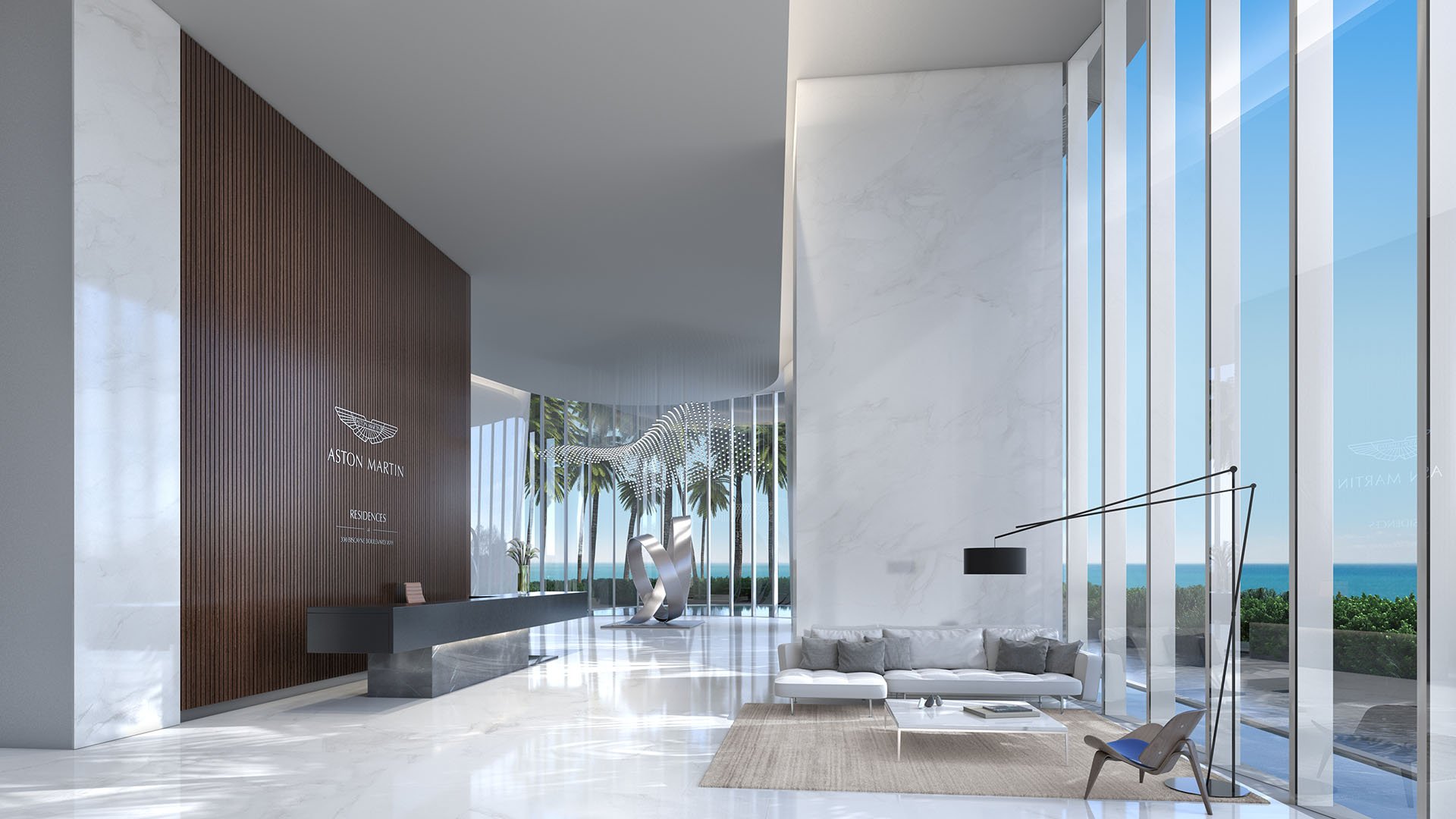
In Downtown Miami, luxury residential value is increasingly shaped by what happens before a resident reaches the private elevator, valet court, lobby desk, or amenity level. The most discerning buyers are no longer satisfied with a generic promise of controlled access. They are asking a more precise question: who is present, how are they trained, and how does the building perform when the unexpected occurs?
Security staffing has become one of the quietest differentiators in the Downtown and Brickell condominium market. It is not typically the most photographed amenity, nor the feature that leads a sales-gallery conversation. Yet for residents who travel often, host private guests, maintain household staff, receive high-value deliveries, or expect a seamless daily rhythm, the human layer of security can define the lived experience of a building.
This is especially true in vertical neighborhoods where residential, hospitality, dining, office, and entertainment patterns overlap. A luxury tower must feel open enough to serve residents elegantly, yet controlled enough to protect privacy. That balance is not achieved by hardware alone. It depends on staffing standards, chain of command, resident recognition, guest protocol, vendor screening, incident handling, and a culture of discretion.
The visible presence of a front desk or lobby attendant is only one part of a larger operating model. Sophisticated buyers should evaluate whether a building appears to separate hospitality duties from access-control responsibilities, whether coverage feels consistent during peak and off-peak hours, and whether procedures are clearly understood by residents, guests, and vendors.
In the ultra-premium segment, the best experience is rarely theatrical. Security should not feel intrusive, but it should feel unmistakably organized. Residents should encounter staff who know when to greet, when to verify, when to escalate, and when to remain invisible. A refined standard is measured by calm under pressure as much as warmth on arrival.
For buyers comparing towers such as Aston Martin Residences Downtown Miami, One Thousand Museum Downtown Miami, and Waldorf Astoria Residences Downtown Miami, the conversation should extend beyond views, finishes, and amenity programming. It should include the daily choreography of arrival, screening, package control, private access, and resident privacy.
Downtown is not a single residential mood. It contains waterfront edges, cultural destinations, office corridors, hospitality activity, and high-density pedestrian movement. That complexity makes security staffing less of a back-of-house expense and more of a portfolio-level standard.
For owners with multiple residences, family offices, or advisers evaluating a building on behalf of clients, consistency is essential. A luxury portfolio is strongest when its buildings can demonstrate reliable service behavior across different hours and scenarios. The question is not whether a lobby looks polished at noon. The question is whether the arrival sequence, guest verification, staff communication, and response discipline remain strong at night, during events, during storms, and during high-traffic periods.
In this context, staffing standards are part of asset protection. They help preserve privacy, support resident confidence, and reduce the friction that can erode the premium experience. Buyers should ask how access points are monitored, how vendors are handled, how building staff coordinate with management, and how resident preferences are documented without compromising confidentiality.
Brickell adds another layer to the discussion. Its luxury residential environment sits within a dense urban lifestyle of restaurants, offices, hotels, lounges, and walkable destinations. That energy is part of the appeal, but it also heightens the importance of controlled transitions between public and private space.
A building in Brickell must often manage a more fluid front door. Residents may move between work, dining, wellness appointments, school runs, visiting family, and private drivers throughout the day. Their guests may arrive by valet, rideshare, pedestrian access, or service entry. In that setting, a staff that simply reacts is not enough. The more elevated standard is anticipatory, consistent, and discreet.
Residences such as The Residences at 1428 Brickell and St. Regis® Residences Brickell sit within a buyer conversation where service, privacy, and brand-level expectations converge. A purchaser should evaluate whether the staffing model supports that level of expectation in daily practice, not merely in presentation language.
Cameras, key systems, entry credentials, license plate controls, and elevator permissions are now expected components of a serious luxury building. But technology is only as strong as the people interpreting, enforcing, and maintaining the protocol. A sophisticated access system can still be weakened by inconsistent verification, unclear vendor procedures, or staff asked to manage too many responsibilities at once.
The more important distinction is integration. Security personnel, concierge teams, valet attendants, property management, and engineering staff should understand where their responsibilities meet. When that culture is clear, residents experience fewer awkward handoffs and fewer moments where privacy is left to chance.
This is where luxury becomes operational. A resident should not need to repeatedly explain a household routine. A frequent guest should be recognized without being casually waved through. A delivery should be handled efficiently without creating exposure. A contractor should be expected, logged, and directed. The best staffing standard makes each step feel effortless, while never becoming casual.
Security staffing should be part of due diligence for any serious Downtown Miami purchase. The conversation can remain discreet, but it should be specific. Buyers should ask about staffing coverage, access points, visitor management, service entrances, emergency communication, training expectations, and escalation protocols.
It is also worth observing the building in person at different times. Morning departures, evening arrivals, weekend guest flow, and event-heavy nights can reveal how well the staffing model functions under real conditions. A polished tour has value, but the daily cadence of the lobby is more revealing.
For resale and long-term ownership, governance matters. A building that treats security as a core service discipline is likely to protect its atmosphere more effectively than one that treats staffing as a flexible cost. In the upper tier, residents are not merely buying square footage. They are buying control, ease, confidence, and the ability to move through the city with less exposure.
The next phase of Downtown Miami luxury will not be defined only by skyline architecture or wellness amenities. It will be defined by how buildings manage privacy in a denser, more visible, more connected urban environment. Security staffing is central to that standard because it is both practical and psychological.
A resident may never think about the staffing model when everything works. That is precisely the point. The highest compliment is not drama, but the absence of friction. The car arrives, the guest is expected, the elevator is controlled, the package is handled, the service provider is routed, and the resident remains unbothered.
For the Downtown Miami portfolio, that quiet precision is becoming a luxury signal. The buildings that understand it will not simply look secure. They will feel composed.
Why does security staffing matter in a luxury Downtown Miami building? It shapes privacy, access control, resident confidence, and the daily ease that defines a premium residential experience.
Is visible security always better? Not necessarily. The strongest standard is often discreet, well-trained, and calm rather than overt or theatrical.
What should buyers ask about before purchasing? Ask about staffing coverage, visitor management, vendor access, service entries, escalation protocol, and how teams communicate internally.
How does Brickell differ from Downtown Miami for security staffing? Brickell often has a more fluid mix of residential, office, dining, and hospitality activity, making controlled transitions especially important.
Does technology replace staffing? No. Technology supports access control, but trained people set the tone, enforce procedures, and respond to changing conditions.
Should security be evaluated during a private tour? Yes, but buyers should also observe the building at different times to understand its real operating rhythm.
What is a discreet security culture? It is a standard where staff verify, monitor, and respond without making residents or guests feel unnecessarily exposed.
Can staffing affect long-term property perception? Yes. Consistent security and service discipline can help preserve a building’s atmosphere and support buyer confidence.
What is the role of management in security standards? Management sets expectations, training discipline, communication structure, and accountability across the building team.
What is the most important buyer takeaway? In luxury towers, security staffing should be evaluated as part of service quality, not as a separate operational detail.
When you're ready to tour or underwrite the options, connect with MILLION.
If branded residences are on your mind — as a home or as an allocation — we would be glad to share what we are seeing, privately.
Begin a quiet conversation