A discreet buyer’s guide to comparing Casa Bella by B&B Italia and Waldorf Astoria Residences in Downtown Miami, with emphasis on service, privacy, design discipline, and long-term fit.
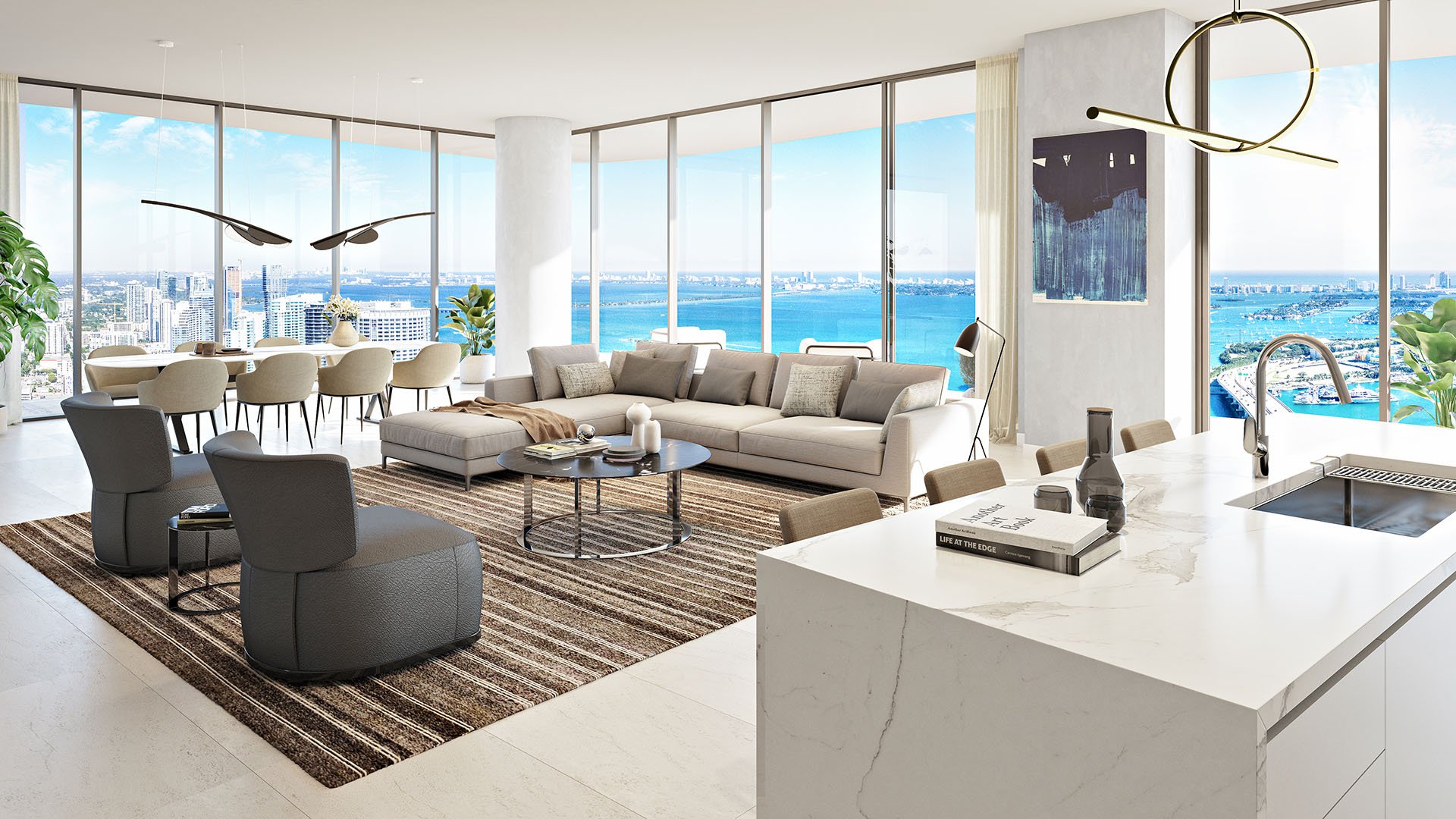
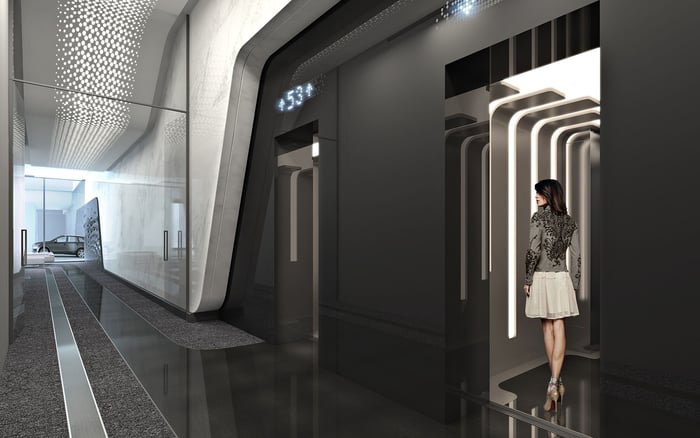
Downtown Miami has entered a more mature phase of luxury development. The conversation is no longer defined only by height, views, or a recognizable name on the door. For many buyers, the more important question is how a building feels at 8 a.m. on a Tuesday: how arrival is handled, how discreetly staff solve problems, how private the elevator sequence feels, and whether the branded environment remains residential rather than performative.
That is the useful lens for comparing Casa Bella by B&B Italia Downtown Miami and Waldorf Astoria Residences Downtown Miami. Both belong within Downtown’s broader luxury conversation, yet they appeal to buyers who may define service in different ways. One buyer may want design fluency, visual calm, and a home that feels edited. Another may prioritize a hospitality identity, a highly recognizable global service language, and the reassurance of a known operating culture.
The mistake is treating either choice as a trophy decision alone. High-service living without excess theater is about restraint. It is the difference between amenities that photograph well and systems that quietly make ownership easier.
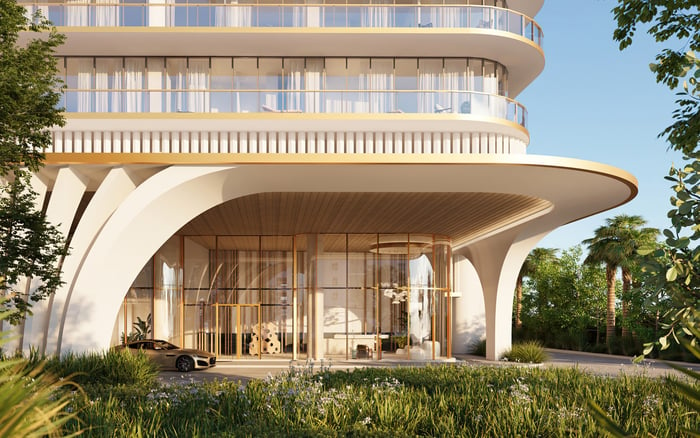
Downtown is not one mood. It can feel cultural, financial, waterfront-oriented, event-driven, and residential within the span of a few blocks. That complexity is exactly why buyers need to look beyond a sales gallery impression. A polished lobby matters, but so does the traffic pattern around the porte cochere, the way guests are screened, the separation between residents and visitors, the acoustics of shared spaces, and the staffing philosophy behind the building.
Casa Bella by B&B Italia Downtown Miami is naturally read through the lens of interiors, design language, and the discipline associated with a furniture and lifestyle house. Buyers drawn to this profile often care about proportion, material continuity, and whether the building can support a polished home without demanding constant visual drama.
Waldorf Astoria Residences Downtown Miami brings a different association. Its value proposition is more closely tied to hospitality memory: arrival, recognition, service cadence, and the idea that a residence can be supported by an established service culture. For some buyers, that creates confidence. For others, the key diligence question is whether the experience remains private enough for full-time residential use.
Nearby peers help sharpen the distinction. Aston Martin Residences Downtown Miami speaks to a design-forward branded buyer in a different register, while One Thousand Museum Downtown Miami represents the legacy of architectural identity as a defining luxury marker. In this context, Casa Bella and Waldorf are not merely competing addresses. They are part of a broader Downtown shift toward brand, service, and lifestyle precision.
Excess theater is not the same as luxury. It often appears as over-programmed amenity spaces, public-facing spectacle, or service that feels more like a hotel lobby performance than a private residential rhythm. The best service buildings do not ask residents to participate in the drama of the property. They make daily life smoother, then recede.
For buyers, the practical questions are direct. Can packages, cars, guests, pets, vendors, and deliveries be managed without friction? Is the staff empowered to solve small problems before they become resident complaints? Are amenity spaces scaled for real use, or are they primarily designed as marketing images? Will the building feel composed during peak social hours, holiday weeks, and major Downtown events?
This is where governance matters as much as branding. A beautiful building can underperform if rules are vague, staffing is thin, or short-term priorities overwhelm long-term residential quiet. Conversely, a building with a more understated physical presence can become highly desirable if its operations are consistent, discreet, and well funded.
Before committing, buyers should read beyond the floor plan. The association structure, operating budget, reserve philosophy, brand agreement, rental rules, staffing model, and insurance posture all influence the ownership experience. These documents may not be glamorous, but they determine whether the building can sustain its promises.
A buyer comparing Casa Bella and Waldorf should ask how service is paid for, who controls standards, and what happens if brand expectations and owner preferences diverge over time. The answer may vary by building, but the question is essential. Service is not a mood board. It is a recurring cost, an employment structure, a management culture, and a governance obligation.
The same discipline applies when comparing Downtown with Brickell. Baccarat Residences Brickell may appeal to buyers who want a different urban rhythm, closer to Brickell’s financial and dining core. That does not make one district better than the other. It simply changes the daily pattern of ownership.
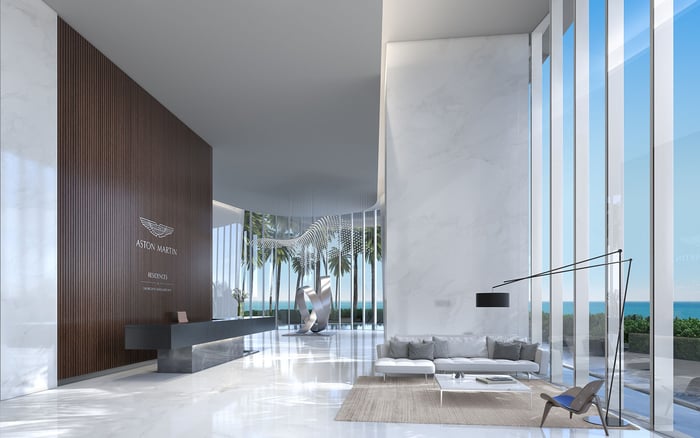
Luxury buyers often underestimate the emotional test of arrival. In a high-service building, the first five minutes reveal more than a brochure. Is the entrance intuitive? Does the staff presence feel gracious rather than intrusive? Are residents moving through the building with ease? Is the lobby a living room, a stage, or a transit zone?
For second-home owners, the question is slightly different. They need a building that can manage absence well. That means predictable communication, careful access control, and a management team that understands discretion. For full-time residents, the test is repetition. The building must feel civilized not once, but every day.
Casa Bella may suit buyers who want a refined design atmosphere with a residential center of gravity. Waldorf may suit buyers who take comfort in a hospitality-led frame. The stronger choice depends on the buyer’s tolerance for visibility, desired level of service interaction, and preference for either design intimacy or brand ceremony.
In ultra-premium Miami, price can clarify the market, but it rarely settles the decision. A buyer should consider view protection, elevator experience, floor height preference, exposure, parking logistics, building rules, carrying costs, and resale audience. A spectacular residence in the wrong service environment can feel like a compromise. A slightly quieter home in a better-run building can become the more satisfying long-term asset.
The most sophisticated buyers are now asking a better question: not which building is most impressive, but which building will feel easiest to own. That is the heart of high-service living without excess theater.
Are Casa Bella and Waldorf Astoria Residences both Downtown Miami projects? Yes. Both are positioned within the Downtown Miami luxury residential conversation, though each speaks to a different buyer psychology.
Which building is better for a design-focused buyer? Casa Bella may resonate with buyers who place a high value on interiors, proportion, and a composed design atmosphere.
Which building is better for a hospitality-oriented buyer? Waldorf Astoria Residences may appeal to buyers who want a residential experience framed by a recognizable hospitality identity.
Should buyers focus mostly on amenities? No. Amenities matter, but operations, privacy, staffing, access control, and governance usually shape daily satisfaction more deeply.
What is the risk of too much branded theater? A building can feel more public than private if the service style, lobby energy, or amenity programming overwhelms residential calm.
Why does Downtown matter in this comparison? Downtown offers a layered urban setting, so arrival, traffic patterns, event congestion, and building management deserve careful review.
How should Brickell factor into the decision? Brickell offers a different daily rhythm, often tied to business, dining, and a denser urban routine, so lifestyle fit is central.
What documents should buyers review before contract? Buyers should review association materials, budgets, rules, service obligations, rental policies, and any brand-related operating terms.
Is a quieter building necessarily less luxurious? No. In many cases, quiet precision is the clearest expression of luxury because it supports privacy, consistency, and ease.
What is the best way to choose between the two? Walk through the ownership day in detail, from arrival to guests to service requests, then choose the building that feels most natural.
For a discreet conversation and a curated building-by-building shortlist, connect with MILLION.
If branded residences are on your mind — as a home or as an allocation — we would be glad to share what we are seeing, privately.
Begin a quiet conversation