An editorial look at Waldorf Astoria Residences Downtown Miami as a vertical estate for buyers trading large-home management for service, views, privacy, and Downtown access.
For a certain South Florida buyer, leaving a large estate is rarely about wanting less. It is about wanting fewer moving parts. A Coral Gables residence, a Pinecrest compound, a Miami Beach waterfront home, or a Golden Beach estate can offer land, separation, and ceremony. It can also require a private operating system: staff coordination, exterior maintenance, security logistics, landscape oversight, vendor management, and constant decision-making.
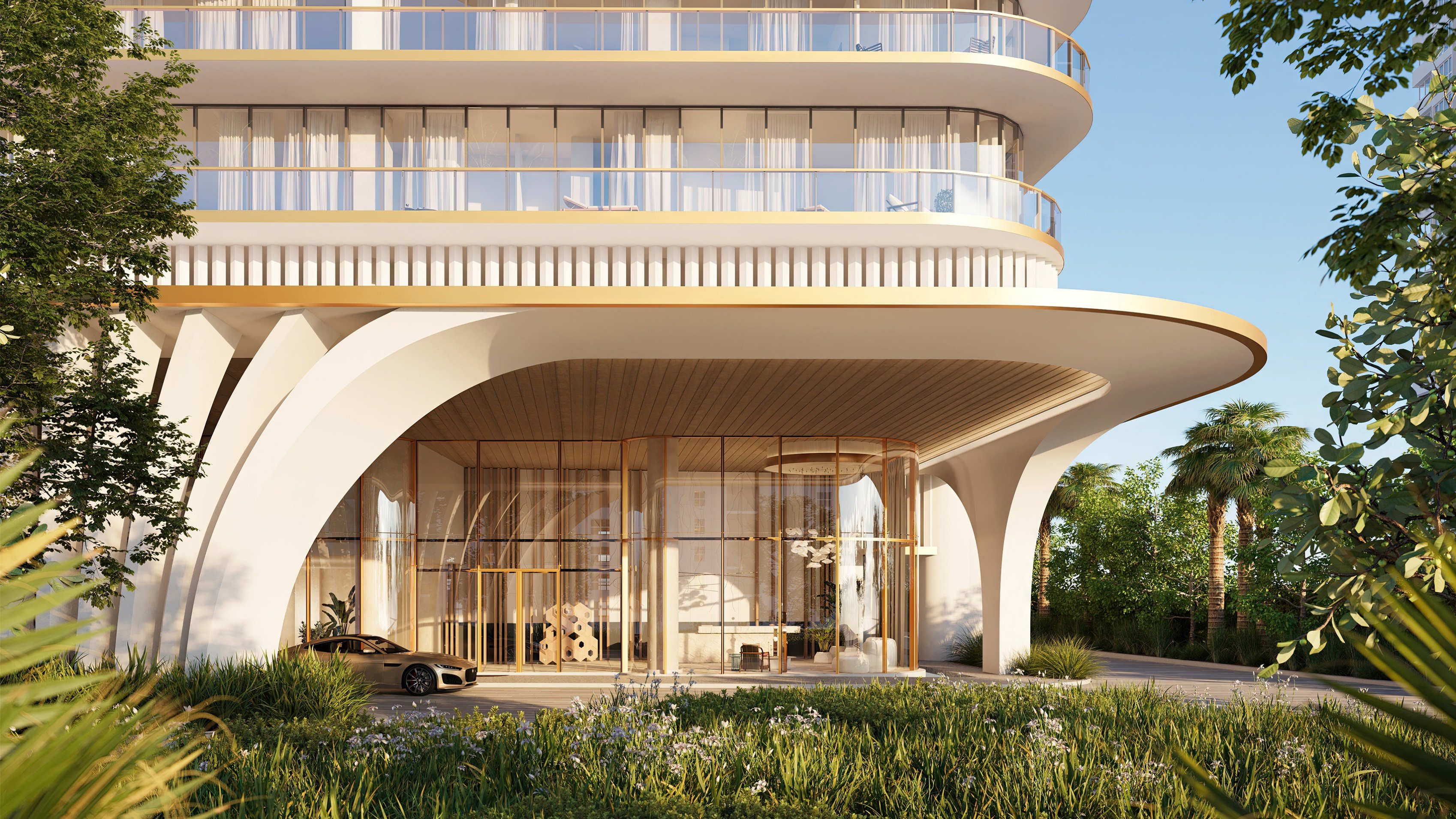
Waldorf Astoria Residences Downtown Miami speaks directly to that moment. The project is positioned as an ultra-luxury branded residential tower in Downtown Miami, rising more than 1,000 feet and designed around a sculptural stack of glass cubes. Its proposition is not conventional downsizing. It is an attempt to translate estate-like privacy, grandeur, views, service, and entertaining capacity into a vertical format.
That distinction matters. Buyers leaving larger homes often resist the language of reduction. They are not simply surrendering acreage. They are reassessing which parts of estate ownership still feel essential, and which parts have become operational weight.
The phrase vertical estate can be overused, but here it carries practical meaning. Waldorf Astoria Residences Downtown Miami combines private residences with Waldorf Astoria-style hospitality and service standards, creating a framework in which owners can preserve a high level of personal comfort while shifting many daily complexities to a professional, hospitality-driven team.
For estate sellers, this is the central appeal. A large single-family home often delivers control, but control can become management. In a branded residential tower, the owner’s experience is designed to feel curated rather than self-administered. The residence remains private, while the burden around it is reduced.
That is why the project fits the buyer who still wants scale and presence, but no longer wants to manage the hidden labor behind a large property. The attraction is not only square footage or view corridors. It is the ability to live with formality when desired and ease when necessary.
The tower’s Biscayne Boulevard setting gives the lifestyle a distinctly urban dimension. Residents are placed near Biscayne Bay and Bayfront Park, with Downtown extending the idea of home into waterfront, cultural, dining, and city-core experiences.
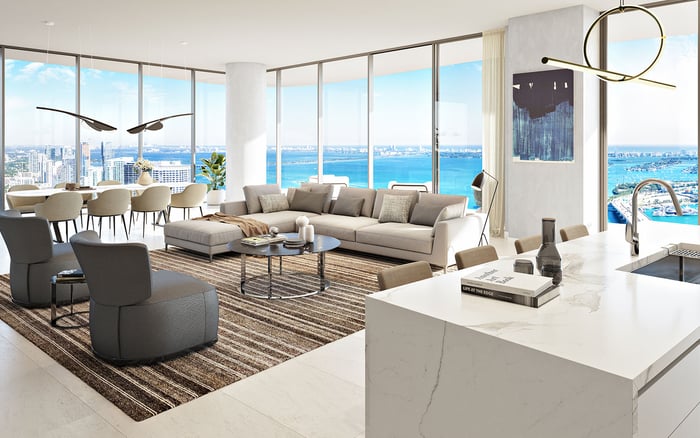
This is a meaningful shift for someone coming from a gated or private-estate setting. In a horizontal estate, much of the lifestyle is brought inward: dining, entertaining, wellness routines, and staff-supported privacy are concentrated behind the property line. In Downtown, the city becomes part of the amenity field. The surrounding waterfront-adjacent location gives many residences access to open water, skyline, and urban-core views, replacing acreage with elevation and a broader visual horizon.
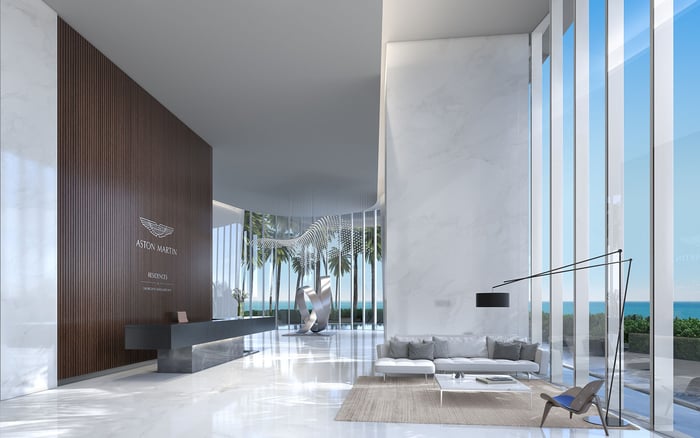
The same buyer may also compare the tower with other high-profile Downtown addresses such as Aston Martin Residences Downtown Miami, Casa Bella by B&B Italia Downtown Miami, and One Thousand Museum Downtown Miami. In that context, Waldorf’s distinction is its branded hospitality lens paired with an unmistakable skyline identity.
For buyers accustomed to estates, service is not a novelty. It is expected. The question is whether a tower can replace the responsiveness and discretion of a private home without making ownership feel impersonal.
The Waldorf Astoria-branded model addresses that issue by emphasizing hospitality standards within a private residential setting. The owner no longer needs to assemble every element independently. Instead of coordinating multiple vendors for property operations, the branded environment allows many maintenance and operational complexities to be absorbed into a professional structure.
This is where the lock-and-leave dimension becomes powerful. South Florida’s wealthiest owners often move between markets, seasons, boats, clubs, and family homes. A residence that can be left with confidence has a different value than one that constantly requires supervision. The tower is therefore relevant to estate sellers not because it is smaller in spirit, but because it is designed to be easier to own.
For buyers also evaluating service-led residential options in nearby urban markets, Baccarat Residences Brickell shows how branded living has become a serious alternative to traditional estate ownership across the core Miami luxury corridor.
The emotional trade is clear: land gives way to outlook. At Waldorf Astoria Residences Downtown Miami, height is central to the identity. Rising more than 1,000 feet, the tower turns the skyline itself into part of the ownership experience. Many residences are designed around open water, skyline, and urban-core views, offering a different form of daily drama from gardens, drives, and lawns.
For some buyers, this is precisely the point. The estate no longer needs to unfold horizontally. Arrival, privacy, entertaining, and retreat can happen above the city, with the sculptural stack of glass cubes giving the building a recognizable architectural signature.
This does not mean every estate buyer will make the move. Some will always prefer gates, acreage, guest houses, and private grounds. But for those whose priorities have shifted toward service, simplicity, travel flexibility, and dramatic views, Downtown high-rise living can feel less like a compromise and more like a recalibration.
The best candidate is a buyer who still values grandeur, but wants fewer obligations. They may be coming from Coral Gables or Pinecrest, where privacy and land define the experience. They may be leaving Miami Beach or Golden Beach, where waterfront ownership can be magnificent but operationally demanding. They may still entertain, still collect, still host family, and still expect privacy. What changes is the ownership model.
Instead of private staff complexity, the buyer gains curated service. Instead of estate upkeep, the buyer gains a lock-and-leave format. Instead of managing every detail personally, the buyer enters a hospitality-driven environment where support is part of the residential premise.
This is also why the lifestyle should not be framed as retreat. It is a forward move for owners who want to remain highly connected to Miami, but with less friction. Downtown, High-floors, Waterview, Brickell, and New-construction are not merely search terms in this conversation. They reflect the way luxury demand is reorganizing around convenience, access, and view-driven permanence.
Leaving a large estate can be emotional. Homes of that scale often hold identity: family history, rituals, entertaining patterns, collections, gardens, and a sense of command. A successful vertical residence must therefore preserve more than luxury finishes. It must preserve dignity.
Waldorf Astoria Residences Downtown Miami does that by offering a version of estate living that is less exposed to the daily demands of ownership. The height creates stature. The glass-cube design creates identity. The Biscayne Boulevard location creates access. The branded service model creates continuity for owners accustomed to elevated support.
The result is a lifestyle suited to buyers who are not abandoning the estate mindset. They are editing it. They are keeping privacy, service, views, and entertaining potential while removing the constant maintenance choreography that surrounds a large home.
Is Waldorf Astoria Residences Downtown Miami a good fit for buyers leaving large estates? Yes. Its appeal is strongest for owners who want privacy, presence, service, and entertaining capacity with less property-management burden.
Is this really downsizing? Not necessarily. For many buyers, it is less about reducing lifestyle and more about replacing estate upkeep with curated vertical living.
Where is the tower located? It sits on Biscayne Boulevard in Downtown Miami, near Biscayne Bay and Bayfront Park.
How tall is Waldorf Astoria Residences Downtown Miami? The tower is described as rising more than 1,000 feet, making height a major part of its identity.
What makes the design recognizable? The building is framed around a sculptural stack of glass cubes, giving it a distinctive skyline presence.
What kind of views should buyers expect? Many residences are designed for open water, skyline, and urban-core views, depending on position within the tower.
Why does branded residential service matter? It allows owners to shift many maintenance and operational responsibilities into a hospitality-driven environment.
Which estate markets might feed demand for this lifestyle? Buyers may come from Coral Gables, Pinecrest, Miami Beach, Golden Beach, or similar large-home markets.
Is Downtown Miami part of the lifestyle proposition? Yes. The location expands the home experience into the city’s dining, cultural, waterfront, and urban-core setting.
Who should consider this type of vertical estate? It suits buyers who want grandeur, privacy, views, and service without the daily complexity of managing a large property.
For a confidential assessment and a building-by-building shortlist, connect with MILLION.
If branded residences are on your mind — as a home or as an allocation — we would be glad to share what we are seeing, privately.
Begin a quiet conversation