At Origin Bay Harbor Islands, experienced buyer representation brings discipline to project review, residence selection, comparative pricing, ownership costs, and long-term lifestyle fit.
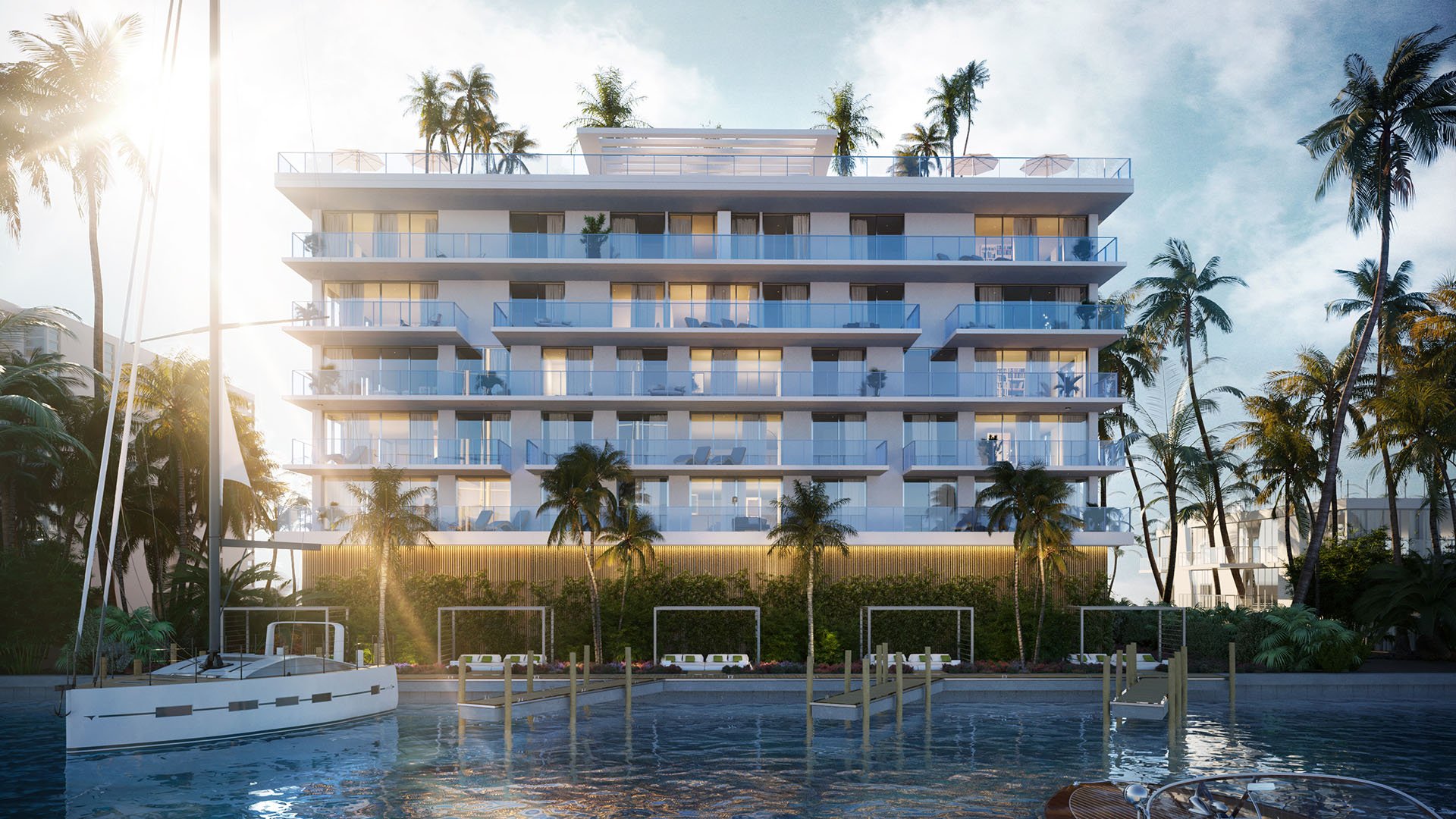
A purchase at Origin Bay Harbor Islands is more than a choice of floor plan. It is an acquisition within the Bay Harbor Islands micro-market, near Bal Harbour and Surfside, and within South Florida’s cyclical luxury-condominium market. That context makes experienced buyer representation especially consequential.
A specialized buyer’s agent should translate a polished presentation into a disciplined decision framework. The work includes distinguishing binding project details from aspirational marketing, investigating the developer’s track record, reviewing governing documents, and identifying the financial implications of the residence under consideration. For buyers accustomed to sophisticated investments, the objective is familiar: understand precisely what is being acquired, what remains uncertain, and how the asset fits within a broader lifestyle and capital strategy.
New-construction marketing is designed to communicate possibility. Buyer due diligence must focus on commitments. Renderings, finish narratives, amenity descriptions, and lifestyle language may establish a project’s intended character, but an experienced representative determines which details appear in controlling documents and which remain illustrative.
This distinction is not an argument against design ambition. It is a way to value that ambition responsibly. A buyer should understand how advertised features translate into measurable ownership considerations, including the residence, common elements, operating expectations, and any practical constraints within the governing materials. When project-specific terms require clarification, the appropriate legal, tax, insurance, or technical adviser should be engaged before a commitment is made.
The developer’s price sheet provides an asking framework, not a complete valuation conclusion. Pricing should be tested against competing projects, with close attention to differences in location, residence positioning, views, floor plan, interior area, and the character of the ownership proposition.
Within Bay Harbor Islands, projects such as Alana Bay Harbor Islands, Onda Bay Harbor, and La Maré Bay Harbor Islands can frame a local comparison. The purpose is not to treat residences as interchangeable, but to identify the premium attached to each project and determine whether it aligns with the buyer’s priorities.
The comparison may also extend to The Well Bay Harbor Islands when assessing the range of residential choices in the immediate market. An effective analysis normalizes differences rather than relying on headline pricing alone.
Two homes within the same building can deliver materially different ownership experiences. A granular review should move beyond bedroom count and interior area to examine view orientation, exposure, elevation, privacy, proximity to shared spaces, and how the plan functions in daily life.
For a second-home buyer, ease of arrival, maintenance expectations, and practical use may take priority. For a full-time resident, storage, room relationships, privacy, and everyday circulation may deserve greater weight. Investment discipline requires another lens, with attention to competitive positioning and the residence’s potential relevance to a future buyer pool. These perspectives can overlap, but they should not be assumed to be identical.
Experienced representation helps create a residence-by-residence matrix, testing emotional preference against measurable distinctions. This is particularly useful when a favored view or position commands a meaningful premium.
Buyer representation can include investigating the developer’s track record before a residence is reserved or contracted. The inquiry should be proportionate and specific, focusing on prior execution, delivery, quality, and the team responsible for carrying the current project from concept into operation. Any conclusions should be independently confirmed through appropriate professional review.
Governing documents demand the same discipline. Experienced representation can help buyers organize the review and identify provisions with practical significance, while legal counsel advises on their meaning. The central questions are not merely what the documents say, but how their provisions could affect use, control, costs, flexibility, and the eventual ownership experience.
The acquisition price is only one component of the decision. Association-related expenses should be evaluated as part of the long-term cost of ownership, together with the assumptions that may shape future operating obligations. Buyers should seek current, project-specific information rather than infer costs from marketing language or another building.
South Florida’s insurance environment is also relevant. Climate-related exposure can influence the risk and expense profile of condominium ownership, making insurance, building resilience, and ongoing operating planning appropriate subjects for specialized review. These matters cannot be resolved by a single broad estimate. They require current documentation and advice tailored to the project, residence, and buyer.
The strongest representation connects diligence with intent. A residence may be architecturally compelling yet unsuitable for a buyer’s patterns of use. Conversely, a home that appears less dramatic on a plan may offer superior privacy, orientation, or daily functionality.
Bal Harbour and Surfside provide important geographic context, but proximity alone does not determine value. The buyer must decide how Origin’s position within Bay Harbor Islands serves dining, shopping, beach access, family routines, travel, or quiet retreat. Capital preservation begins by avoiding preventable mismatches between the property and the life it is meant to support.
Before committing, a buyer’s team should establish priorities, compare relevant projects, investigate the developer, review controlling documents, analyze the selected residence, and model ongoing expenses. Each step should be completed with the appropriate professional input.
This process does not diminish the pleasure of buying a South Florida home. It provides the confidence to appreciate the residence on firmer terms. At Origin, new-development experience can clarify both risk and opportunity, helping the buyer pursue a home that remains convincing after the presentation ends.
Why use a buyer’s agent at Origin Bay Harbor Islands? A specialized agent can organize project, residence, pricing, and ownership analysis around the buyer’s objectives.
How does new-development experience help? It helps distinguish binding project details from aspirational marketing and directs unresolved issues to the appropriate advisers.
Should the developer’s price sheet determine value? No. Pricing should be considered against relevant competing projects and adjusted for residence-specific differences.
Which residence characteristics deserve comparison? Buyers should consider views, positioning, exposure, privacy, floor plan, and interior area rather than size alone.
Why review the developer’s track record? Prior execution can provide useful context for evaluating the team responsible for delivering and operating the project.
Who should review governing documents? Experienced representation can organize the issues, while qualified legal counsel should advise on interpretation and consequences.
Are association expenses part of the purchase analysis? Yes. They contribute to the long-term cost of ownership and should be assessed using current, project-specific information.
How does insurance affect the decision? South Florida’s insurance environment can influence recurring expenses and the residence’s broader ownership-risk profile.
Does climate exposure matter in a new condominium? Yes. Climate-related exposure can affect long-term risk and expense, warranting specialized, project-specific evaluation.
What is the ultimate purpose of buyer representation? It supports informed decision-making, capital preservation, risk management, and a durable match between residence and lifestyle.
If you'd like a private walkthrough and a curated shortlist, connect with MILLION.
If branded residences are on your mind — as a home or as an allocation — we would be glad to share what we are seeing, privately.
Begin a quiet conversation