For San Francisco families considering Bal Harbour, the purchase is only one part of a larger transition involving domicile, California exit planning, federal transfer tax, Florida homestead rules, entity governance, and long-term family succession.
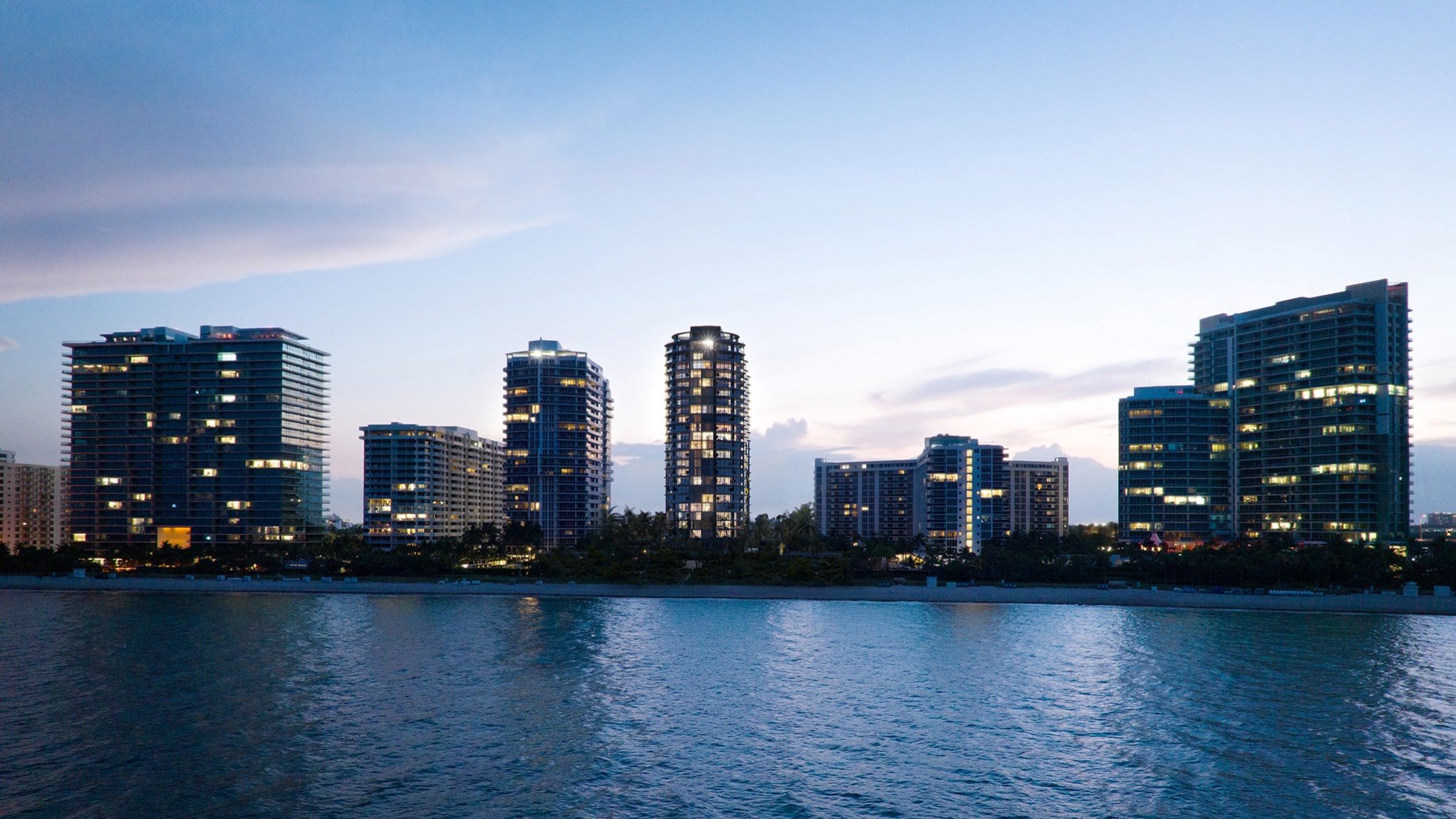
For a San Francisco family considering Bal Harbour, the conversation rarely begins and ends with the residence. It begins with intent: where the family will live, govern assets, educate the next generation, host advisers, document decisions, and eventually transfer wealth. Florida’s constitutional bar on a personal income tax for natural persons is a powerful reason to evaluate domicile, but it is not a shortcut. Buying an oceanfront condominium is not the same as proving a life has moved.
California taxes residents on all income from all sources and nonresidents on California-source income. That distinction matters for founders, investors, executives, partners, and families with retained Bay Area real estate, carried interests, deferred compensation, operating businesses, or liquidity events tied to California. Residency turns on facts and circumstances, including whether time in California is temporary or transitory. A Bal Harbour address can support the story, but the story must be consistent.
This is why the best acquisitions feel unusually coordinated. The residence, the estate plan, the tax calendar, the family office records, and the children’s future roles are addressed together. In Bal Harbour, that may mean evaluating Rivage Bal Harbour not only as a home, but as a governance venue, a legacy asset, and a potential anchor for Florida domicile.
Florida allows individuals to file a Declaration of Domicile in county public records. It can be a useful part of the record, but it does not conclusively prove domicile on its own. Affluent families should treat domicile as a mosaic: voting, driver licensing, medical relationships, club life, charitable ties, family routines, adviser location, calendar discipline, and where important decisions are made.
The practical issue is not whether a family can point to one Florida document. It is whether the overall pattern supports a permanent Florida home and a reduced California presence. A San Francisco household that continues to spend substantial time in California, manage California-centered operations, and keep major personal ties there may invite scrutiny, even after purchasing a residence in Bal Harbour.
For buyers reviewing Oceana Bal Harbour, the planning question is elegantly simple: will this be the family’s true center of life, or a seasonal second home? The answer should shape the ownership structure, personal records, tax advice, and even how the family uses the residence during the first year after closing.
Florida does not currently impose a state estate tax. For many incoming families, that shifts estate-tax planning toward the federal system, where the 2025 federal estate and gift tax basic exclusion amount is $13.99 million per person. The federal annual gift tax exclusion is $19,000 per recipient for 2025, which can be useful for steady, incremental transfers to children, grandchildren, or trusts.
Married couples should also pay attention to portability. A deceased spouse’s unused federal estate tax exclusion can generally be transferred to the surviving spouse only if a timely estate tax return is filed to make the election. That filing can be valuable even when no estate tax is due at the first death.
Bal Harbour buyers often arrive with concentrated equity, private-company interests, art, family limited partnerships, carried interests, or multiple homes. The Florida purchase should be integrated with those assets before title is taken. The wrong ownership choice can create friction among transfer-tax planning, creditor protection, financing, privacy, and homestead eligibility.
Florida homestead can be one of the state’s most meaningful planning features. A qualifying primary residence may receive a property-tax exemption of up to $50,000, and the Save Our Homes rule generally caps annual assessment increases on homesteaded property at the lesser of 3% or the change in the Consumer Price Index. For long-term owners of valuable waterfront property, that cap can become significant over time.
Homestead also carries constitutional creditor protection from forced sale by many creditors, subject to important exceptions such as taxes, purchase-money obligations, and improvement liens. That protection is one reason families value Florida residency, especially when wealth is tied to entrepreneurial or investment risk.
Yet homestead law is not merely protective. It can restrict lifetime transfers and devises when the owner is survived by a spouse or minor child. That can complicate trust design, prenuptial planning, and blended-family succession. A structure that appears efficient from a tax perspective may be awkward under homestead rules. The key is to coordinate estate counsel, tax counsel, and real estate counsel before signing, not after the closing statement is circulated.
Florida’s statutory rule against perpetuities can allow certain trusts to last up to 1,000 years, making the state relevant for dynasty-style planning. For families moving from San Francisco, this opens a broader conversation about how long wealth should remain in trust, who should serve as trustee, how beneficiaries should participate, and whether the Bal Harbour residence is meant to be used, rented, retained, or eventually sold.
LLCs can also play a role in privacy, governance, and shared ownership, particularly when siblings or multigenerational branches are involved. But Florida limited liability companies must file annual reports with the Florida Division of Corporations to maintain active status. Entity ownership can also affect financing, insurance, transfer taxes, homestead treatment, and family decision-making.
A family considering nearby boutique inventory such as La Maré Bay Harbor Islands may prefer an entity for governance, while another family may prioritize homestead treatment through individual ownership. Neither approach is universally superior. The correct answer depends on use, risk, tax profile, family composition, and the desired succession path.
A move to Florida does not erase California issues. California’s Proposition 19 changed parent-child and grandparent-grandchild property tax reassessment exclusions, which makes California legacy-property planning important before or after relocation. Families retaining a San Francisco residence, Tahoe property, Napa estate, or commercial holdings should examine how transfers to children or grandchildren could affect property tax assessments.
The central mistake is treating the Florida purchase as the finish line. For many families, it is the beginning of a dual-state cleanup. California-source income may continue to matter. California real estate may require separate ownership and succession analysis. Deferred compensation, business exits, and private investments may remain connected to California even after the family’s personal center has moved.
In practical terms, a Bal Harbour acquisition should be paired with a California exit file: travel calendars, transaction timelines, California-source income review, retained-property planning, and careful documentation of when the family’s center of life changed.
Bal Harbour is an incorporated village in Miami-Dade County, so buyers should account for state, county, and village-level rules and costs. Florida documentary stamp tax generally applies to deeds and other real estate transfer documents, and Miami-Dade County uses a different rate structure than most other Florida counties. Florida also imposes a nonrecurring intangible tax on obligations secured by Florida real property, which matters when a luxury purchase is financed.
For cross-border families, foreign sellers of U.S. real property are generally subject to FIRPTA withholding, commonly 15% of the amount realized, unless an exception or reduced withholding certificate applies. Even domestic buyers can be affected operationally if the seller is foreign, because withholding mechanics can influence closing timing and documentation.
Insurance and resilience belong in the same diligence file. Official flood maps are the starting point for evaluating flood-zone exposure, especially for oceanfront South Florida ownership. A trophy residence should be reviewed not only for views and finishes, but also for building systems, insurance assumptions, assessment history, reserve posture, and long-term carrying costs.
The most sophisticated buyers are not simply asking, “What should we buy?” They are asking, “How will this asset behave inside the family?” A residence at The Surf Club Four Seasons Surfside may become a gathering place for children and grandchildren. A Bal Harbour condominium may become the parents’ homestead. A Bay Harbor or Surfside property may be easier for multiple branches to share. Each scenario has different implications for title, trusts, expenses, use rights, and future liquidity.
This is where buyer’s guides often understate the issue. Square footage, service, privacy, and design matter, but the invisible architecture matters more: who can use the home, who pays costs, what happens after incapacity, whether a spouse has rights, how disputes are handled, and whether beneficiaries can force a sale.
For San Francisco families, Bal Harbour offers more than a change of climate. It offers a chance to redesign the family balance sheet around residence, governance, tax exposure, privacy, and legacy. The most successful transitions are calm, documented, and intentional.
Does buying in Bal Harbour automatically make me a Florida resident? No. Florida domicile is supported by a broader pattern of facts, records, conduct, and intent.
Can California still tax me after I move to Florida? Yes. Nonresidents can still be taxed on California-source income, so retained assets and transactions need review.
Does Florida have a state estate tax? Florida does not currently impose a state estate tax, so many families focus primarily on federal transfer-tax planning.
What is the 2025 federal estate and gift tax exclusion? The 2025 basic exclusion amount is $13.99 million per person, with a $19,000 annual gift tax exclusion per recipient.
Why does portability matter for married couples? A timely estate tax return is generally required to transfer a deceased spouse’s unused exclusion to the surviving spouse.
Can Florida homestead reduce property taxes? A qualifying primary residence may receive an exemption of up to $50,000 and may benefit from Save Our Homes assessment limits.
Is Florida homestead always compatible with trusts? Not always. Homestead transfer and devise restrictions can complicate trust planning when a spouse or minor child survives.
Should a Bal Harbour residence be held in an LLC? Sometimes, but LLC ownership must be coordinated with homestead goals, financing, privacy, annual filings, and succession plans.
What should families review before keeping California property? They should evaluate California-source income, legacy transfers, Proposition 19 issues, and the timing of any ownership changes.
Why is flood diligence part of wealth planning? Insurance, flood-zone exposure, building systems, and carrying costs affect both lifestyle and long-term preservation of value.
For a confidential assessment and a building-by-building shortlist, connect with MILLION.
If branded residences are on your mind — as a home or as an allocation — we would be glad to share what we are seeing, privately.
Begin a quiet conversation