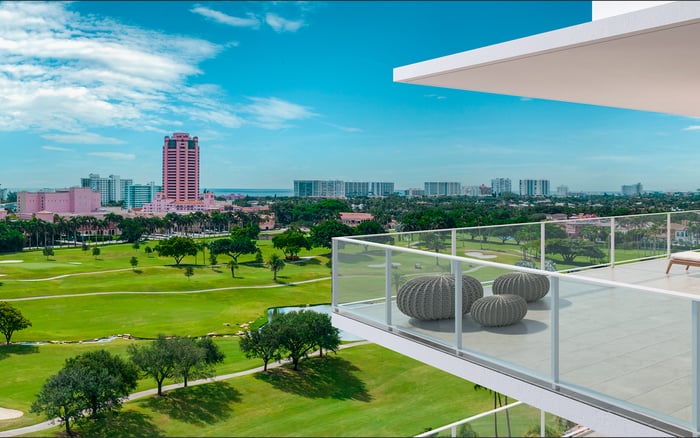
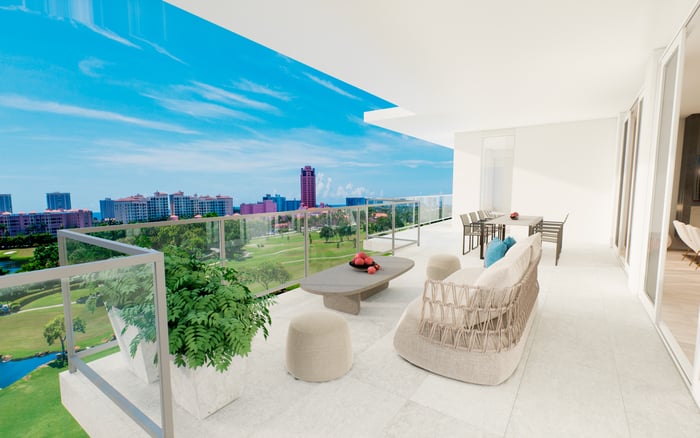
A buyer-focused guide to the onboarding questions worth asking before purchasing at Alina Residences Boca Raton, from move-in logistics and access credentials to governance, security, and second-home support.

Buying at Alina Residences Boca Raton is not only a decision about architecture, location, amenities, and long-term value. For a discerning buyer, it is also a decision about operational fluency. The first weeks after closing reveal how access is granted, how staff communicates, how move-ins are managed, and how quickly a new owner feels recognized rather than processed.
That is why new-resident onboarding belongs beside floor plan review, financial diligence, and association document analysis. In the ultra-premium market, the difference between a gracious arrival and a frustrating transition is rarely accidental. It depends on written procedures, clear responsibility, trained staff, and predictable communication.
For Alina Residences Boca Raton, the prudent framing is buyer due diligence. Do not assume a policy exists because a building is refined. Ask for specifics, ask for documents, and ask how the experience differs for full-time residents, seasonal owners, international buyers, family offices, residents with domestic staff, and owners who expect frequent guests.
The first question is simple: can the team provide a written new-resident onboarding timeline? That timeline should cover every step from closing through association approval, credential setup, move-in scheduling, and first amenity orientation. A verbal overview can be helpful, but a written sequence gives buyers something more valuable: accountability.
Ask when each step begins, who initiates it, what documents are required, and what cannot happen until a prior approval is complete. Buyers should know whether access credentials are issued before or after closing, how long association review typically takes, and whether the first amenity orientation is scheduled automatically or only upon request.
This is where lifestyle and governance meet. A residence may be beautiful, but the handoff matters. The most elegant buildings tend to feel effortless because the complicated steps have been anticipated.
A strong onboarding process has an owner. Before buying, ask who is responsible for coordinating the transition: the developer team, property management, concierge, association board, or a dedicated resident-services contact. In a luxury condominium, several parties may touch the process, but buyers should know who keeps the sequence moving.
This is especially important at a property such as Alina Residences Boca Raton, where buyers may be comparing the resident experience with other Boca Raton offerings such as Glass House Boca Raton or The Residences at Mandarin Oriental Boca Raton. The goal is not to assume identical policies. It is to compare clarity, responsiveness, and the quality of the first operating impression.
Ask whether the buyer receives a named contact before closing. Ask whether that contact remains available after move-in. Ask what happens if a closing date changes, a mover cancels, or an owner is traveling when credentials need to be set up.
A resident handbook is not decorative paperwork. It is the operating manual for daily life. Buyers should ask whether new owners receive a handbook that clearly explains rules, leasing policies, amenity use, guest access, service-provider access, deliveries, pets, parking, and noise expectations.
The best time to understand those rules is before a truck is at the loading dock or a guest is waiting at the entry. If an owner plans to lease, host family regularly, employ domestic staff, travel for extended periods, or keep pets in residence, the handbook should be reviewed through that lens.
For a new-construction or recently completed luxury environment, policies may evolve as operations mature. That makes it even more important to ask which rules are final, which are subject to association refinement, and how future updates are communicated to residents.
Move-in day is where promise becomes practice. Ask how move-ins are scheduled, including freight elevator reservations, loading-dock rules, insurance requirements for movers, blackout dates, and penalties for violations. These details can seem prosaic, but they protect the building, staff, common areas, and neighboring residents.
The question is not merely whether a move-in can be accommodated. It is how the building prevents congestion, service conflicts, elevator damage, and avoidable disruption. Ask how much advance notice is required, whether protective materials are installed by management or movers, and whether there are restrictions on weekend or holiday moves.
For buyers evaluating the broader Boca Raton lifestyle, the move-in protocol offers an early reading of culture. A building that manages arrivals gracefully is usually a building that values quiet order.
Modern condominium living depends on access systems, communication platforms, and service workflows. Ask how residents are trained on building technology, including access credentials, apps, package notifications, amenity reservations, guest registration, maintenance requests, and building communications.
Security onboarding deserves equal attention. Buyers should ask what is required for vehicle registration, guest lists, domestic staff access, vendor screening, camera and access policies, and after-hours entry procedures. For households with drivers, assistants, household managers, nurses, tutors, or frequent vendors, these procedures are not minor conveniences. They define how private life interacts with building control.
Also ask how management introduces new residents to ongoing service channels, including concierge, maintenance, housekeeping referrals, valet, package handling, amenity booking, and emergency contacts. A buyer considering Mr. C Residences Boca Raton alongside Alina Residences Boca Raton may find that the most meaningful comparison is not branding or finishes, but how precisely everyday needs are routed.
For seasonal and second-home owners, onboarding should address absence as much as arrival. Ask how the building supports remote access, caretaker coordination, package handling, maintenance oversight, and storm-preparation procedures. These questions are especially relevant in South Florida, where many owners divide their time across homes, markets, and countries.
Ask whether an authorized representative can coordinate with management when the owner is away. Ask how packages are held or released, how maintenance issues are reported, and how urgent access is handled. If the residence will be used by family members, guests, or staff when the owner is not present, guest authorization procedures should be clear before closing.
International buyers and family offices should go further. Ask whether communications can be centralized through a designated contact and whether the building distinguishes between an owner, a manager, and a temporary guest in its access systems.
Many luxury buyers personalize a residence after closing. Before assuming that post-closing work is straightforward, ask how customization, renovation, or minor improvement work is handled. The relevant questions include architectural review, contractor rules, permitted work hours, elevator protection, insurance, deposits, and approval timelines.
Even modest work can create friction if contractors arrive without proper approval or elevator use conflicts with another owner’s move-in. Ask for the approval process in writing and confirm whether there are seasonal limits or blackout periods.
Governance also belongs in onboarding. Ask whether new owners receive an orientation covering association documents, budgets, reserves, assessments, insurance responsibilities, board contacts, and dispute-resolution procedures. Luxury buyers are often highly sophisticated, but condominium governance has its own language. Knowing where responsibility sits between owner, association, management, and insurer can prevent expensive misunderstandings.
A polished welcome is valuable, but the deeper test is how a building handles friction. Ask how management addresses complaints and quality-of-life issues such as noise, smoking, pets, construction disruptions, guest behavior, service delays, or amenity conflicts.
The question should be practical: where is a complaint filed, who responds, how quickly is it acknowledged, and when does an issue escalate beyond concierge or management? Buyers should also ask whether there are scheduled follow-ups after move-in, such as 30-day or 90-day check-ins to resolve access, maintenance, amenity, or service issues.
In refined condominium living, good onboarding is not a single appointment. It is the structured transition from buyer to resident, followed by enough follow-through to make the residence feel settled.
Before purchasing at Alina Residences Boca Raton, treat onboarding as a preview of future operations. Ask for the timeline, the handbook, the point person, the technology training, the move-in protocol, the security procedures, the second-home support plan, the renovation rules, the governance orientation, and the follow-up schedule.
The answers do more than solve immediate logistical questions. They reveal whether the building’s service culture is reactive or anticipatory. For South Florida’s ultra-premium buyer, that distinction can be as meaningful as a view, a terrace, or a private elevator foyer.
What is the first onboarding question to ask before buying at Alina Residences Boca Raton? Ask for a written onboarding timeline covering closing, association approval, access credentials, move-in scheduling, and amenity orientation.
Who should manage the new-resident onboarding process? Buyers should clarify whether the process is owned by the developer team, property management, concierge, association board, or a dedicated resident-services contact.
Should I request the resident handbook before closing? Yes. Review rules on leasing, amenities, guests, vendors, deliveries, pets, parking, and noise before they affect daily living.
What move-in details should be confirmed? Confirm freight elevator reservations, loading-dock procedures, mover insurance, blackout dates, permitted hours, and any penalties for violations.
Does onboarding usually include an amenity orientation? Buyers should ask whether an in-person orientation covers amenities, common areas, package rooms, parking, emergency exits, and service areas.
What technology training should new residents expect? Ask about access credentials, building apps, package notifications, amenity reservations, guest registration, maintenance requests, and communications.
What security procedures matter for luxury buyers? Vehicle registration, guest lists, domestic staff access, vendor screening, camera policies, and after-hours entry should all be clarified.
What should seasonal owners ask before buying? Seasonal owners should ask about remote access, caretaker coordination, package handling, maintenance oversight, and storm-preparation procedures.
How should post-closing renovations be handled? Ask about architectural review, contractor rules, work hours, elevator protection, insurance, deposits, and approval timelines.
Are post-move-in follow-ups important? Yes. A 30-day or 90-day check-in can help resolve access, maintenance, amenity, or service issues before they become recurring problems.
For a discreet conversation and a curated building-by-building shortlist, connect with MILLION.
If branded residences are on your mind — as a home or as an allocation — we would be glad to share what we are seeing, privately.
Begin a quiet conversation