A discreet buyer’s guide to coordinating Bal Harbour property decisions with gift, estate, residency, title, liquidity, and family-governance planning.
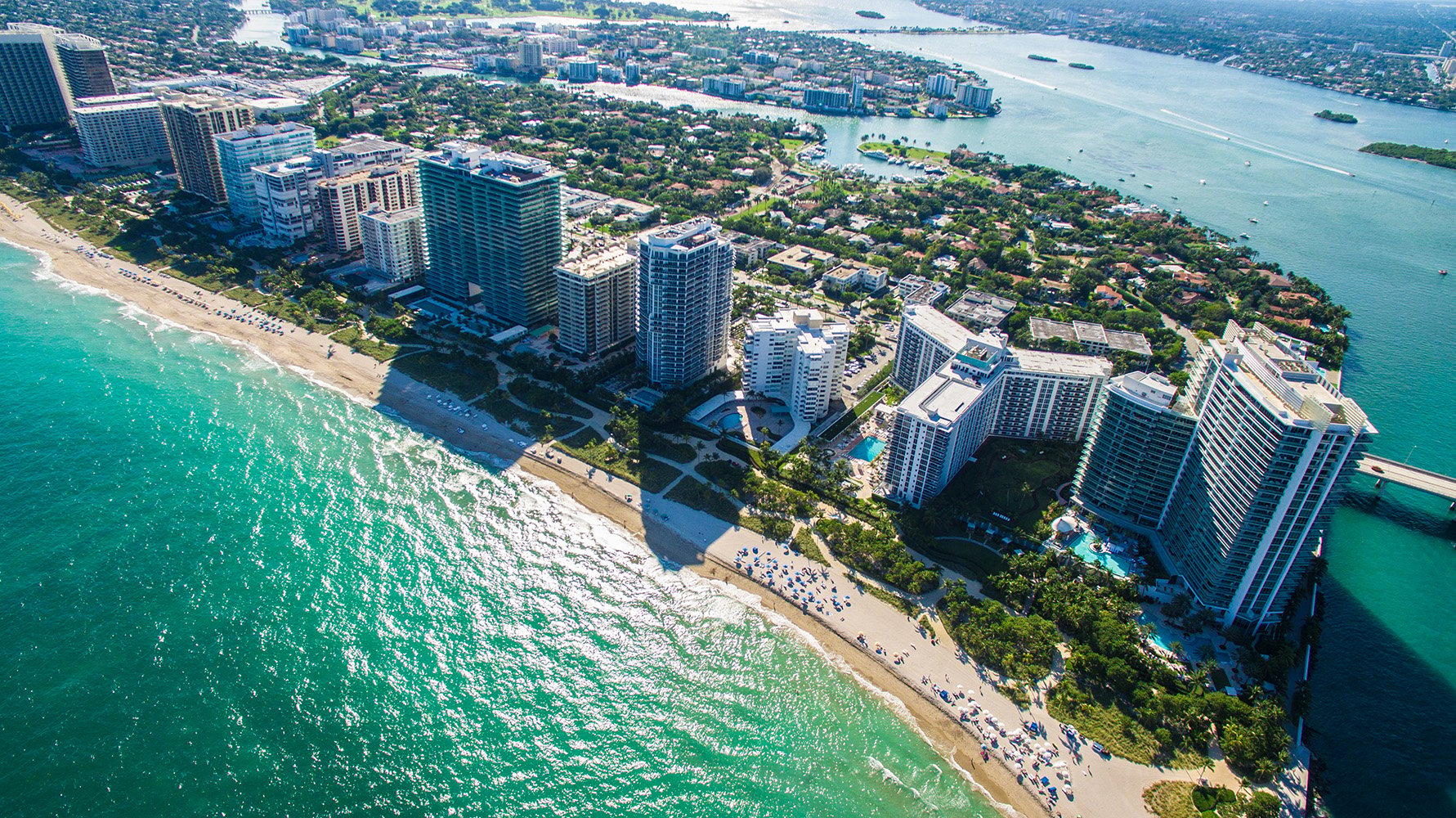
For San Francisco families considering Bal Harbour, the purchase is rarely just a change of scenery. It is often a shift in lifestyle, family rhythm, governance, and long-term wealth architecture. The residence may begin as a winter retreat, become a primary home, or serve as a multigenerational gathering place. Each path can raise different gift and estate planning questions.
The most sophisticated buyers treat the real estate decision and the estate conversation as one planning exercise. Before choosing a view, floor height, or amenity package, they ask a more private question: how should this asset fit within the family balance sheet, the succession plan, and the intended use of wealth over time?
That approach matters in Bal Harbour, where the market is defined by scarcity, discretion, and long holding periods. A residence at Rivage Bal Harbour, for example, may be evaluated not only for its architecture and service environment, but also for how cleanly ownership can be organized among spouses, trusts, children, or family entities.
The simplest purchase structure is not always the strongest structure for a family with meaningful assets. Title can influence control, access, succession, financing, privacy, and future transfer flexibility. A buyer relocating from San Francisco should not assume that a prior ownership model remains appropriate in South Florida.
The planning conversation should begin before contract signing, not after closing. Buyers should ask who is intended to enjoy the property, who is intended to own it, who will bear costs, and who should have decision-making authority if circumstances change. Those questions become especially important when parents plan to help adult children acquire a residence, when a property is intended for shared family use, or when one spouse is contributing a different share of capital.
The key is to avoid treating title as an administrative item. It is a design decision. The wrong structure can create later friction, while a thoughtful one can support both lifestyle and continuity.
Many Bal Harbour purchases involve family capital in some form, whether through direct funding, intergenerational support, or a broader estate plan. A gift is not merely a transfer of money. It can also be a statement about control, access, responsibility, and expectations.
If parents contribute capital, the family should clarify whether the contribution is intended as a gift, a loan, an advance against inheritance, or a shared investment. Those categories can feel technical, but they often determine how the arrangement is understood years later. The most elegant planning is usually explicit, documented, and emotionally clear.
The same principle applies when a residence is meant to be used by multiple generations. Who may invite guests? Who pays carrying costs? What happens if one child uses the home more than another? What if a family member wants to sell and others do not? These questions are not signs of mistrust. They are a way to preserve harmony around an important asset.
A San Francisco to Bal Harbour move can raise overlapping questions about residency, tax planning, estate documents, insurance, banking, voting, family offices, and the location of valuable personal property. No single factor tells the whole story. Advisers usually look for consistency across the family’s actual life, documents, and records.
Buyers should review wills, revocable trusts, powers of attorney, health care directives, entity documents, marital agreements, and beneficiary designations. A beautiful closing binder is not enough if the broader estate plan still reflects an earlier chapter.
This is also where second-home planning becomes especially nuanced. A Bal Harbour residence may begin as seasonal, but habits can shift. Time spent in South Florida may increase, family members may settle nearby, and the property may become the emotional center of the family. The estate plan should be flexible enough to accommodate that evolution.
Ultra-prime coastal property behaves differently from a standard financial account. It has carrying costs, emotional value, liquidity considerations, maintenance decisions, and family-use dynamics. It may appreciate, it may require capital, and it may become difficult to divide among heirs. That makes governance as important as selection.
A buyer drawn to the established oceanfront character of Oceana Bal Harbour may be comparing more than finishes or views. The conversation may include privacy, long-term hold potential, and whether the residence should remain in the family. Nearby Surfside options such as The Delmore Surfside can create similar planning questions for families who want proximity to Bal Harbour with a slightly different residential context.
Waterfront ownership also introduces practical responsibilities. Families should consider how costs will be funded if the home is held through a trust or entity, who approves major improvements, and what reserve expectations should be established. The more valuable the property, the more important it is to decide these details while relationships are strong and objectives are aligned.
A Bal Harbour residence can be a beloved asset and still be difficult to allocate fairly. One heir may want to keep it. Another may prefer liquidity. A third may live elsewhere and rarely use it. Estate planning should anticipate that mismatch.
Equalization can take many forms, but the guiding question is simple: if the residence passes to one person or one branch of the family, how will others be treated? If the property is to be held jointly, who has authority to sell, refinance, lease, renovate, or buy out another interest? If the residence is to be sold, what process governs timing and valuation?
Resale planning is not pessimistic. It is disciplined. It allows a family to enjoy the residence without forcing the next generation to solve structural questions under emotional pressure. It also helps clarify whether the property is primarily a lifestyle asset, an investment, or a family legacy holding.
Discretion is central to the Bal Harbour buyer. Still, privacy should not come at the expense of clear documentation. Families should balance confidentiality with enforceability, lender requirements, insurance needs, association processes, and estate administration.
Entity or trust ownership may appeal to buyers who value privacy and planning flexibility, but every structure has tradeoffs. The right answer depends on the family’s objectives, the source of funds, the intended users, financing needs, and the advisers’ view of the broader estate plan.
In nearby Bay Harbor Islands, a residence such as La Maré Bay Harbor Islands may appeal to buyers seeking a quieter, boutique setting. Even there, the same governance principles apply: align ownership, use, funding, and succession before the family becomes attached to a particular floor plan.
Before a Bal Harbour purchase moves from aspiration to contract, buyers should gather the family’s advisory circle. That usually means estate counsel, tax counsel, real estate counsel, financial advisers, insurance advisers, and any family decision-makers whose expectations matter.
The pre-contract agenda should be concise. Identify the buyer of record. Confirm the source of funds. Decide whether trusts or entities are involved. Discuss whether any portion of the purchase is a gift or loan. Review how expenses will be paid. Consider what happens upon incapacity, divorce, death, disagreement, or a later sale.
The point is not to slow momentum. It is to protect it. A luxury transaction feels most effortless when the structure behind it has been carefully composed.
Should gift planning be addressed before making an offer? Yes. Buyers should clarify funding, title, and family intent before contract execution whenever possible.
Is a Bal Harbour residence usually a lifestyle asset or an estate asset? It can be both. The planning should reflect actual use, long-term intent, and family expectations.
Can parents help children buy without creating confusion later? Yes, but the arrangement should be documented so everyone understands whether the support is a gift, loan, or shared ownership.
Should existing estate documents be reviewed before closing? Yes. A major residence purchase is a natural moment to revisit wills, trusts, powers of attorney, and beneficiary designations.
Does title matter if the family plans to keep the home indefinitely? Yes. Title can affect control, succession, financing, privacy, and future flexibility.
What if several heirs may want to use the property? Families should set expectations for scheduling, expenses, guests, improvements, and potential buyouts.
Is privacy the same as good planning? No. Privacy is important, but the structure must also support administration, insurance, lending, and enforceability.
Should a second home be treated differently from a primary residence? Often, yes. The plan should match how the property is used today and how that use may evolve.
When should advisers become involved? Ideally before the buyer signs a contract, funds a deposit, or selects a final ownership structure.
Is this legal or tax advice? No. Buyers should rely on their own qualified legal, tax, and financial advisers for guidance.
To compare the best-fit options with clarity, connect with MILLION.
If branded residences are on your mind — as a home or as an allocation — we would be glad to share what we are seeing, privately.
Begin a quiet conversation