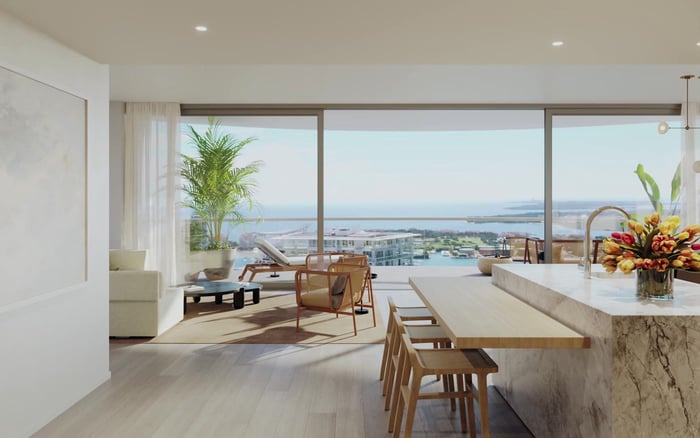
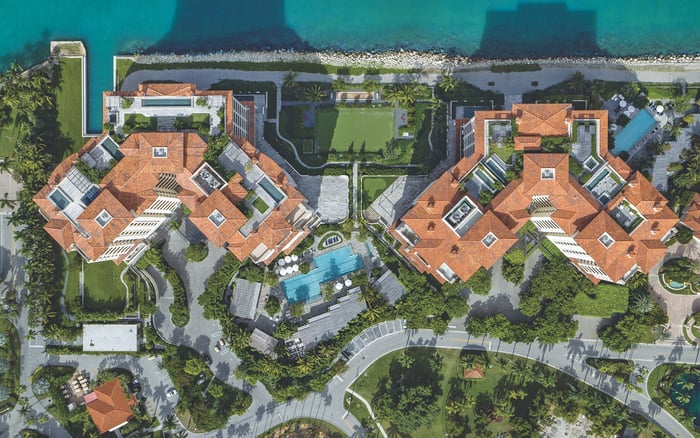
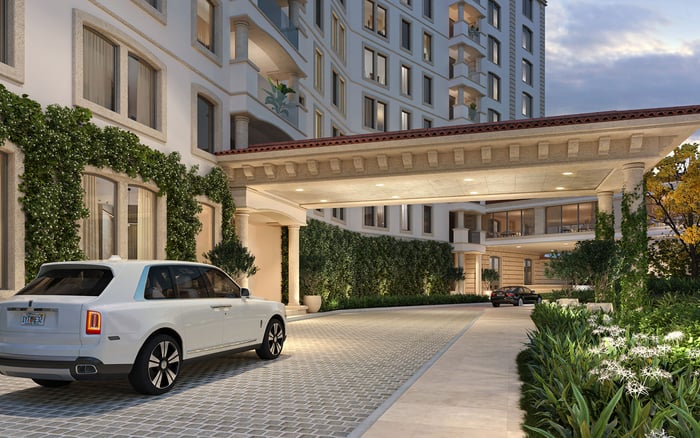
Wellness real estate has moved from a niche amenity list to a design mandate across South Florida, reshaping how luxury buyers evaluate condos and private residences. Today’s most compelling homes aim to reduce daily friction, protect air and water quality, improve sleep, and make movement effortless, all while preserving the calm, resort-level aesthetic expected in Miami-Dade, Broward, and Palm Beach. From thoughtful material choices to light, acoustics, and recovery-focused spaces, the new status symbol is a home that quietly supports better living.
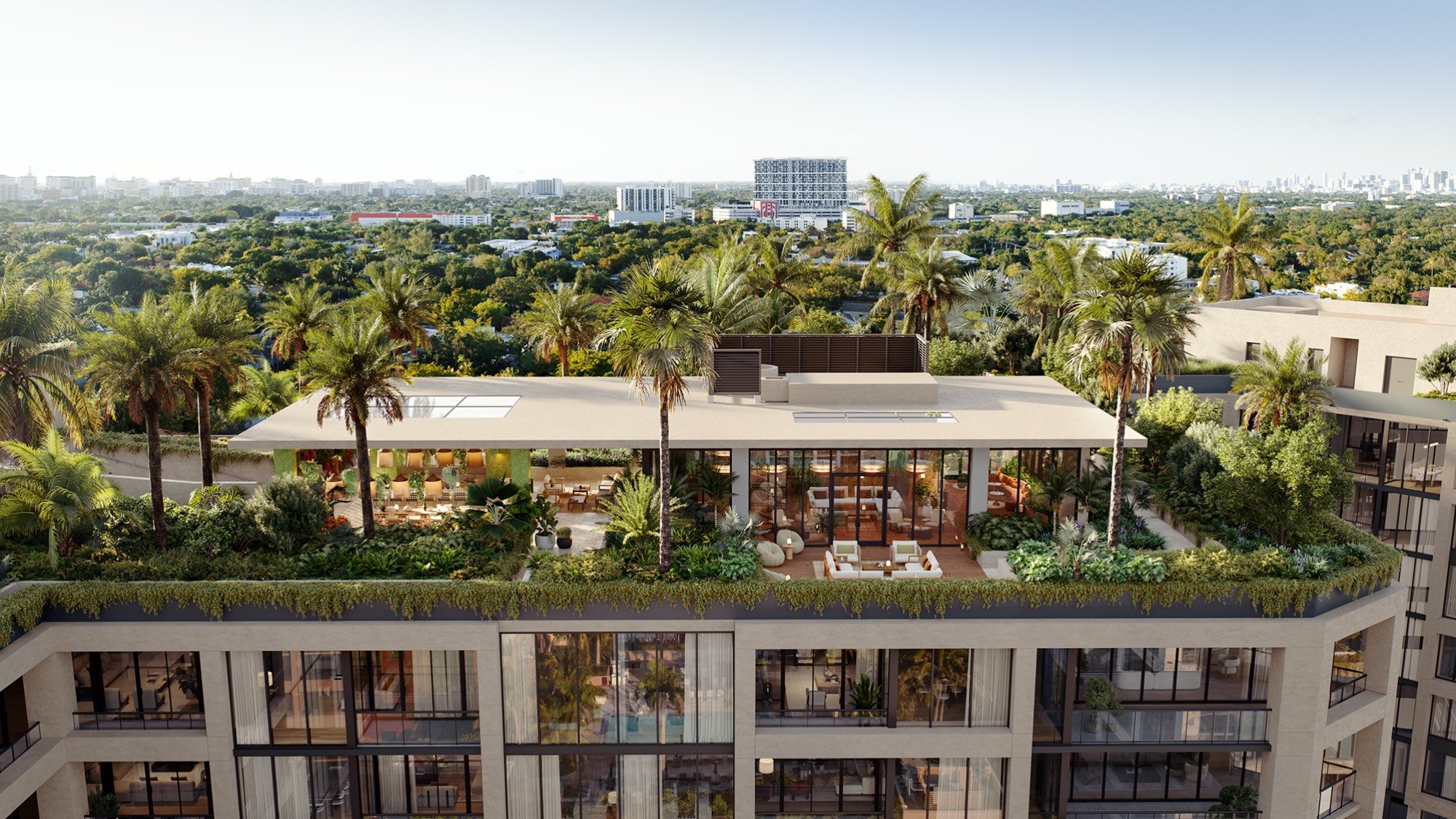
In South Florida, luxury has always been sensory: ocean air, morning light, and a terrace that turns sunrise into a daily ritual. What has evolved is the expectation that a residence should actively support well-being, not simply present beautifully. Wellness real estate answers that demand by blending design, engineering, and lifestyle into homes that can help occupants breathe easier, sleep more consistently, and move naturally throughout the day.
This is not about turning a penthouse into a clinic. It is about refining the environment you live in so the basics of health are treated with the same discipline as finishes, views, and craftsmanship. The most compelling wellness-forward homes do this quietly. You may not notice the intent at first glance, but you feel it in the way the home holds the day.
In South Florida, the conversation carries extra weight because the region’s most desirable attributes also introduce real design challenges: heat, humidity, salt air, intense sun, and the realities of year-round indoor-outdoor living. When wellness design is executed properly, it acknowledges those conditions and produces a more resilient, calmer daily experience.
For ultra-premium buyers, wellness is no longer a separate line item reserved for gyms, spas, and retreats. It has become an organizing principle for everyday life, and the home is the most personal environment an owner can control.
Three forces are driving the shift. First, buyers are more educated and more specific. They ask clear questions about air quality, filtration, materials, and the acoustic experience of a bedroom. Second, expectations have expanded beyond surface-level amenities. A “nice gym” may be expected, but true wellness is measured in how a home performs at 2 a.m., during a week of heavy rain, or after a long flight. Third, developers, architects, and designers have responded by integrating wellness concepts into planning, amenity programming, and the overall resident experience.
It is also a story about discernment. “Wellness” can be used casually in marketing. Sophisticated buyers look for proof in how a residence is planned, operated, and maintained, not just in brochure language.
In South Florida, wellness-forward design is inseparable from the environment. The market rewards homes that manage humidity, defend interiors from salt and sun, and create a clean transition between interior calm and exterior energy.
A high-performing residence here often prioritizes:
Air quality and moisture control, because humidity can affect comfort and finishes.
Water quality, because daily routines, from cooking to bathing, shape how a home feels.
Light management, because sunlight is abundant, but glare and heat gain can undermine comfort and sleep.
Acoustics, because coastal corridors can be active, and true luxury includes the ability to close a door and recover.
Connection to outdoors, because terraces, gardens, and breezeways are core lifestyle elements in this market.
Whether you are considering a skyline condominium in Brickell, a family-oriented residence in Aventura, or a quieter enclave such as Coconut Grove, the best wellness outcomes come from homes designed for the climate, not merely decorated for it.
Wellness is often presented as a list of amenities. A more useful way to evaluate it is as a set of performance goals that show up across the home, from planning and systems to lighting, privacy, and everyday usability.
In practice, the strongest wellness-forward residences feel edited, not complicated. They reduce friction and anticipate routines. They support better habits by making them easier to maintain, and they protect recovery by reducing the small stressors that add up over time.
In a wellness-forward home, air is treated like an invisible finish. Buyers increasingly want to understand what happens behind the walls and above the ceilings, because the lived experience is shaped as much by systems as it is by surfaces.
At a practical level, the air conversation typically includes filtration, ventilation, and how the home manages moisture. In South Florida, comfort often depends on humidity control as much as temperature. A home can be cold and still feel heavy. Residences that feel consistently crisp usually have thoughtful air movement, balanced ventilation, and a maintenance standard that keeps equipment performing as designed.
For condominium buyers, it is also important to consider air beyond the unit. Hallways, common areas, loading zones, and amenity floors all influence what residents experience daily. A wellness-focused buyer pays attention to how the building smells, how it feels after rain, and whether common spaces maintain the same calm as private interiors.
Water is a wellness topic because it is constant. If air is the background of comfort, water is the daily ritual. Kitchens, baths, and wet rooms are where lifestyle is either streamlined or compromised.
In a luxury context, wellness design often translates into kitchens that support healthier routines and baths that operate as recovery environments, not just visual statements. Buyers respond to layouts that make hydration, cooking, and cleanup efficient, and to bathroom settings that invite a slower pace. Material choices matter, but so does the planning of storage, lighting, and privacy.
In single-family homes, the wellness discussion can extend to outdoor showers, poolside baths, and transitions from beach to home that help keep sand and moisture contained. In a condo, the focus often centers on how the primary suite delivers consistent, spa-like ease day after day.
South Florida light is a genuine asset, but wellness-minded buyers evaluate how it is shaped throughout the day. The goal is not simply brightness. The goal is balance that supports focus in the morning, comfort in the afternoon, and rest at night.
Homes designed for health often consider morning light in breakfast and work areas, softer illumination for evening routines, and the ability to darken bedrooms for sleep. A panoramic view does not need to come with relentless glare. The most livable residences allow an owner to tune the atmosphere without feeling like they are constantly fighting the building.
When touring a residence in Miami Beach, for example, notice how the rooms behave at different times. If the architecture is glass-forward, ask whether you can create a restorative bedroom environment while still enjoying the design.
Noise is one of the fastest ways a home can lose its “luxury” feeling, even when every finish is flawless. Wellness design places real value on acoustic privacy, because quiet is foundational to recovery, sleep, and calm.
This includes the obvious, such as thoughtful bedroom placement, but it also appears in details: the quality of doors, the design of corridors, and how mechanical systems are isolated. In a condominium, the experience of arriving home matters. A serene lobby and quiet elevator landing can set the tone, but your wellness outcome depends on what happens once the door closes.
For buyers who travel frequently, a home that supports decompression after flights or long workdays becomes a meaningful advantage. Quiet is not merely a preference. It is a feature.
Luxury buyers often value provenance, craftsmanship, and longevity. Wellness-minded buyers add another layer: how materials affect daily living and how a space feels over time.
While specifics vary by property, the general direction is toward cleaner, thoughtfully specified interiors. This can mean an emphasis on natural materials, careful selection of finishes, and a preference for spaces that feel fresh rather than heavily perfumed or artificially scented. The objective is a home that feels calm on day one and continues to feel that way years later.
In South Florida, resilience is part of wellness. Materials must tolerate humidity and sun exposure without creating an ongoing maintenance burden. A residence that ages gracefully supports a quieter lifestyle.
Wellness is not limited to a dedicated gym. It is also about whether the home supports movement as a natural part of daily life.
In condos, this can appear through amenity programming, intuitive circulation, and spaces that encourage an owner to move without turning it into a project. In private homes, it can be as simple as a staircase that feels inviting, an outdoor area suited to stretching or yoga, or a flexible room that adapts as routines change.
For families, movement is also tied to transitions. Thoughtful entry sequences, generous storage, and durable flooring in high-traffic areas can reduce friction and support healthier daily rhythms.
If movement is one pillar, recovery is the other. In wellness-forward residences, buyers are increasingly drawn to environments that make restoration effortless.
This can include spa-like baths, meditation rooms, quiet libraries, or a primary suite that functions as a true sanctuary. The common denominator is privacy, softness, and control: lighting control, sound control, and the ability to shift mood quickly.
Recovery is also where luxury becomes personal. Some owners seek a thermal experience. Others want silence and darkness. The strongest designs offer optionality, allowing residents to tailor the home to their physiology without changing the architecture.
South Florida’s lifestyle depends on outdoor space. Wellness design asks a simple question: is the outdoor experience genuinely restorative, or does it introduce heat, noise, and maintenance demands that limit how often you use it?
A terrace that is beautifully furnished but unusable at key hours does not deliver wellness. A wellness-forward terrace or garden tends to be thoughtfully shaded, visually calming, and easier to maintain. Privacy is a wellness feature here as well. The ability to read, work, or dine outdoors without feeling exposed can change how often an owner steps outside.
In markets like Brickell, where vertical living defines the landscape, the terrace often becomes a private counterpoint to the city’s tempo. In quieter settings like Coconut Grove, outdoor space may be more expansive, but the goal remains the same: effortless restoration.
Many buyers assume wellness is mostly an amenity-floor story. In reality, it is a two-layer evaluation.
First, the unit. Does the layout support sleep, privacy, and calm? Is there a clear separation between entertaining zones and recovery zones? Are the kitchen and bath environments designed for daily use, not only for photographs?
Second, the building. How does arrival feel? Are common areas serene or overstimulating? Does the building’s daily rhythm match your lifestyle? In a full-service environment, wellness is also influenced by operations: the cadence of housekeeping, the culture of the staff, and how well the property is maintained.
A practical touring tip is to slow down. Stand quietly in the primary bedroom. Listen. Note odors. Observe how the air feels. The body often recognizes a wellness-forward environment before the mind names it.
Single-family homes can offer a more customizable path to wellness because the owner typically controls more of the systems, landscaping, and daily routines. That control can be powerful, and it can also introduce complexity.
In South Florida, a wellness-minded single-family buyer often evaluates how the home is oriented to light, how outdoor areas are shaded, and how indoor-outdoor transitions are handled. Storage becomes a wellness feature, because clutter becomes stress. Service areas matter too, because behind-the-scenes efficiency influences daily calm.
Privacy is central. Many buyers seek gated-community settings or buffered lots, not only for security but for the psychological comfort of retreat.
Wellness design is consistent in principle, but priorities can feel different depending on where you live and how you use your days.
In Brickell, wellness often starts with creating a sanctuary above the city. Buyers may prioritize quiet bedrooms, a restorative primary suite, and amenity experiences that feel closer to a private club than a crowded gym.
In Aventura, wellness can lean toward family logistics and balance. Buyers often think about how the home supports routines across generations, including space for focused work, movement, and decompression.
In Coconut Grove, the appeal is often tied to a more residential cadence and connection to greenery, with wellness expressed through indoor-outdoor ease and a stronger sense of privacy.
In Miami Beach, the wellness conversation frequently includes recovery and respite, as well as the ability to enjoy the beach lifestyle while maintaining quiet, controlled interiors.
For buyers who want to see how wellness is being positioned in South Florida’s new development conversation, one neutral reference point is The Well Coconut Grove. Use it as a lens for the questions you should ask on any tour: what is prioritized, how the lifestyle is described, and which elements are foundational versus cosmetic.
Because wellness has become a high-impact keyword, the most valuable skill for buyers is separating design intent from design performance.
Start with your personal definition of wellness. Is your priority sleep, air quality, quiet, recovery, or movement? A home that is ideal for a daily runner may be less ideal for someone optimizing sleep. Rank your outcomes first.
Then evaluate the residence with the same rigor you apply to architecture.
Look for coherence. Do the layout, lighting, and material choices point in the same direction, or is wellness treated as an add-on?
Ask about maintenance culture. Even the best systems depend on consistent upkeep, particularly in a humid coastal market.
Consider transition spaces. Entries, laundry areas, storage, and service zones influence stress more than showpiece rooms.
Pay attention to the bedroom experience. If the primary suite does not feel calm, the home is working against you.
Finally, remember that wellness is not always visible. Some of the most supportive homes look simple on paper. They eliminate friction. They make good habits easier to keep.
Wellness-forward design is likely to remain a premium differentiator because it aligns with how affluent buyers actually live. The best homes are no longer judged solely by finishes and views. They are judged by how the owner feels after two weeks of living there.
In South Florida, the strongest properties will merge performance with beauty. The market is not moving toward sterile minimalism. It is moving toward quieter luxury, where systems and planning protect time, sleep, and peace.
For buyers, this creates an advantage. When you evaluate wellness as performance, you sharpen your ability to identify lasting value, not just the latest amenity trend.
How can I tell if a luxury condo genuinely supports wellness, beyond the amenities?
Look past the amenity deck and evaluate daily conditions. In the unit, assess whether the primary suite feels quiet, darkenable, and separate from entertaining zones. In the building, pay attention to odors, humidity, and noise in corridors and elevator lobbies. Ask yourself whether the calm you want is supported by layout and operations, not just by marketing language.
What should I prioritize first for wellness: air, water, light, or acoustics?
Start with the factor that most directly affects your day-to-day baseline. Many buyers begin with sleep, which often points to light control and acoustics, and then validate air comfort and humidity. The best approach is to rank your personal outcomes first, then choose a home where the design supports those outcomes without constant workarounds.
In South Florida, what design choices help a home feel calm during humid months?
Homes tend to feel calmer when air movement and moisture control are handled thoughtfully and consistently. During tours, notice whether interiors feel crisp rather than heavy, and whether common areas maintain the same comfort after rain. Also consider materials and planning choices that reduce maintenance stress in a coastal climate.
How do I evaluate a primary suite for sleep quality during a walkthrough?
Treat it like a performance test. Stand quietly and listen for corridor or street noise. Check whether the bedroom can be darkened and whether lighting feels soothing rather than harsh. Notice airflow and any lingering odors. If the room does not feel immediately restful, it is worth asking whether the layout and building conditions are working against sleep.
To refine a wellness-first home search across Brickell, Aventura, Coconut-grove, and Miami-beach, connect with MILLION Luxury.
If branded residences are on your mind — as a home or as an allocation — we would be glad to share what we are seeing, privately.
Begin a quiet conversation