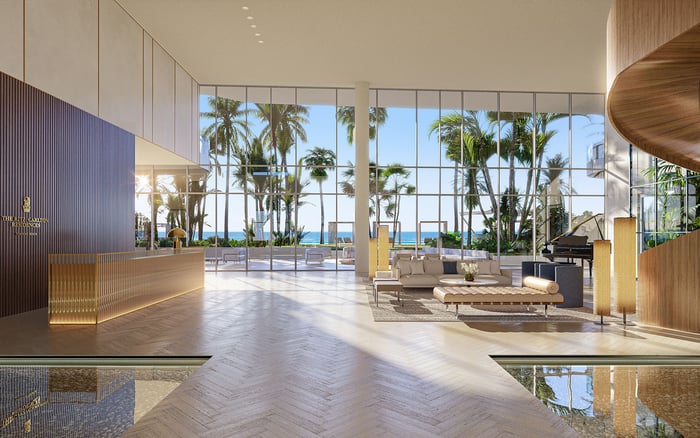
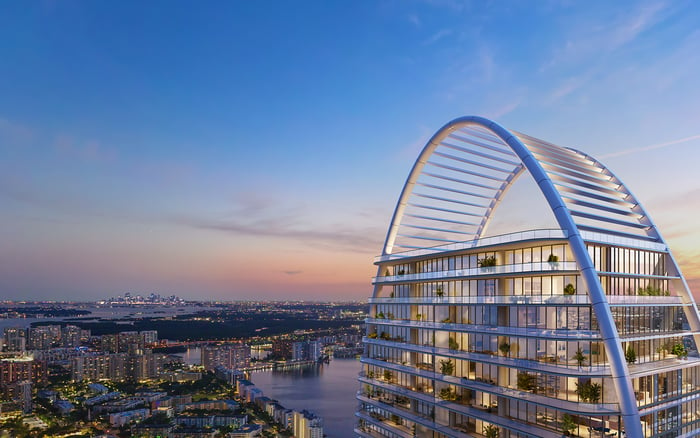
A discerning buyer’s guide to rooftop amenities in South Florida luxury high-rises, focused on when views, pools, dining rooms, and terraces contribute lasting residential value.
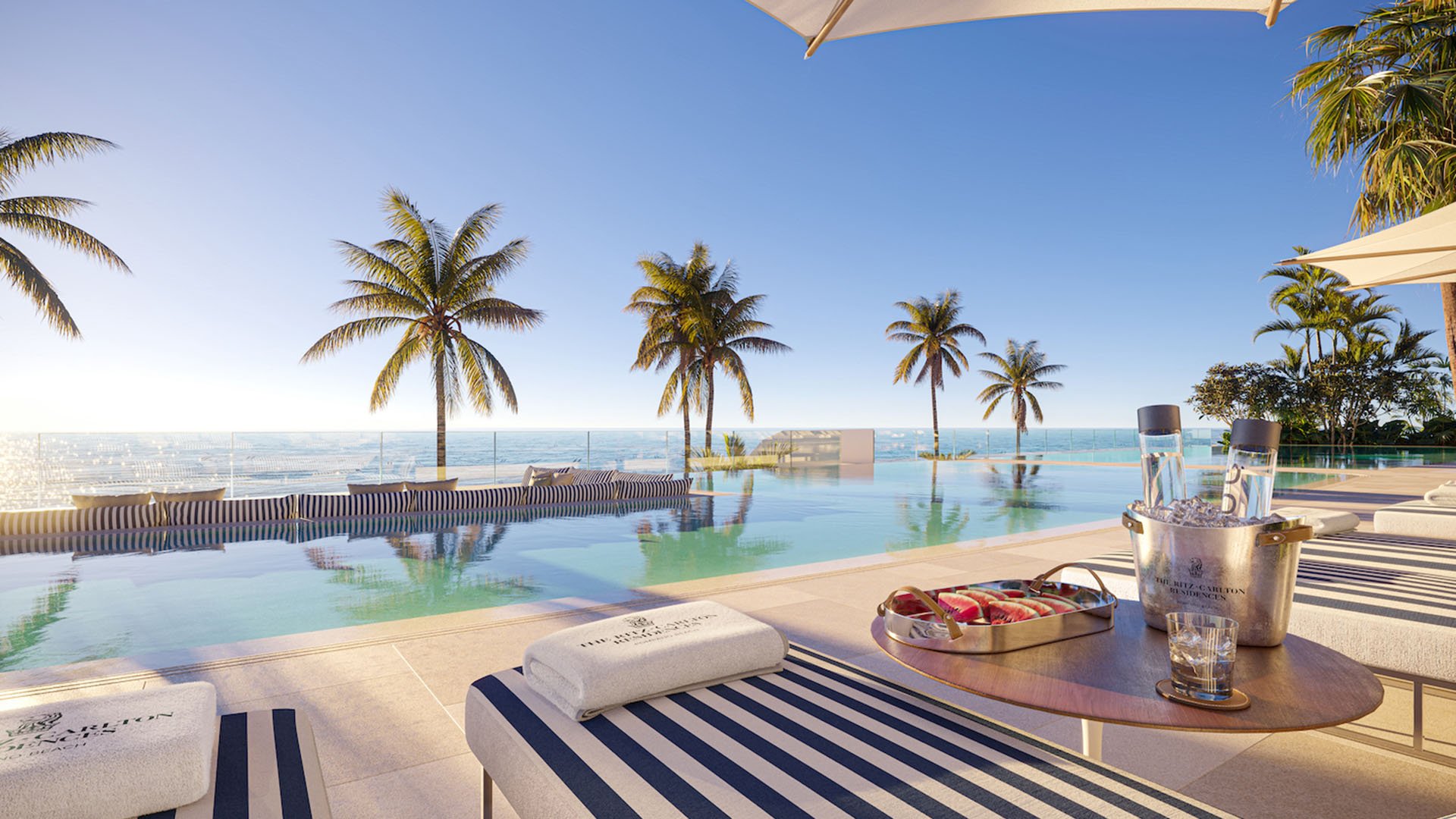
In South Florida luxury high-rises, the rooftop has become more than an architectural flourish. For many buyers, it is a test of whether a building understands the rhythms of elevated coastal living: morning light, evening breezes, discreet entertaining, and the desire to feel removed from the street without feeling detached from the city.
Yet not every rooftop amenity creates equal value. A pool set at the top of a tower may photograph beautifully, but its lasting appeal depends on comfort, access, staffing, maintenance, privacy, and whether residents will genuinely use it after the first season. The same is true for sunset lounges, private dining rooms, chef’s kitchens, outdoor terraces, wellness decks, and observation spaces. Their value is not novelty alone. It is the grace with which they support daily life.
For buyers comparing residences in Brickell, Miami Beach, Sunny Isles, Fort Lauderdale, Pompano Beach, and the Palm Beaches, rooftop amenities deserve the same scrutiny as floor plans, views, finishes, and association structure. A refined roof can create a sense of scarcity. A poorly planned one can become an expensive symbol rather than a meaningful asset.
A rooftop view has immediate emotional force. Water, skyline, sunset, and city lights all carry undeniable allure. The more important question is whether the design allows residents to experience that view comfortably and often.
Sightlines matter, but so do seating orientation, shade, wind protection, lighting, acoustics, and circulation. A rooftop that requires residents to stand at a railing for the best outlook is different from one that frames the view from dining tables, pool loungers, cabanas, and quiet seating areas. The latter encourages longer dwell time, which is where lifestyle value begins.
In dense urban environments such as Brickell, buyers looking at projects like The Residences at 1428 Brickell often think carefully about the vertical experience. The question is not simply how high a building rises, but how intelligently it uses elevation. A rooftop should feel intentional, not leftover.
The most compelling rooftops also understand mood. Morning coffee calls for a different atmosphere than a private dinner, and both differ from an afternoon swim. When a rooftop can shift gracefully across the day, it begins to function like a second residence in the sky.
Pool is one of the most searched and emotionally charged words in luxury condominium life, but a rooftop pool is valuable only if it feels effortless to use. The best examples balance resort energy with residential restraint. They provide sufficient lounging, thoughtful towel and service logistics, protected areas for shade, and a sense of order that does not require residents to compete for comfort.
Buyers should look beyond the rendering. Consider how many residents might realistically use the deck during peak hours, how the pool connects to restrooms and changing areas, whether food and beverage service is contemplated, and whether quieter zones exist for reading or conversation. A rooftop pool that works only as a visual centerpiece may disappoint over time.
In ocean-oriented markets such as Miami Beach, rooftop amenities can complement rather than replace the beach lifestyle. A building like The Perigon Miami Beach may appeal to buyers who want to compare the character of waterfront living with the privacy of elevated communal space. The strongest buildings understand that residents may want sun and water, but also control, discretion, and convenience.
The financial value of a rooftop pool is therefore indirect. It supports desirability, market positioning, and resident satisfaction when managed as a true hospitality environment. Without that operational layer, it can become an underused cost center.
Private dining rooms and rooftop entertaining spaces have become increasingly important because they address a practical need: affluent residents often want to host beautifully without opening their private residence for every occasion. A well-designed dining suite allows for milestone dinners, wine evenings, board-level entertaining, family celebrations, and visiting guests with a sense of ceremony.
The details matter. A private dining room should have proper back-of-house support, acoustic separation, flattering lighting, comfortable access from elevators, and a terrace or view connection that makes the setting feel distinct. It should not resemble a conference room with better chairs.
This is where branded and design-led residences often receive close buyer attention. In Brickell, buyers comparing 888 Brickell by Dolce & Gabbana may be especially attuned to how hospitality, interiors, and social space intersect. The rooftop dining concept, when executed with discipline, can become a genuine extension of the home.
Private dining also carries emotional value for part-time owners. A second-home buyer may not host weekly, but when family arrives for a holiday or clients visit during a major cultural or sporting week, the ability to reserve a polished setting within the building can feel invaluable.
The best rooftop amenities solve a subtle tension. Residents want social energy, but not exposure. They want the ease of a club, but not the feeling of being in a public venue. That balance is central to real value.
Access control is one part of the equation. Elevator programming, guest policies, reservation systems, and staff presence all influence whether the roof feels serene or overextended. Zoning is equally important. A rooftop that separates active pool life from quiet lounges, dining, fitness, or observation areas gives residents choice. Without clear zoning, every use competes with every other use.
In Sunny Isles, where high-rise living and water views are central to the residential identity, projects such as St. Regis® Residences Sunny Isles invite buyers to consider how service culture and privacy expectations translate vertically. A beautiful roof is only as valuable as the resident experience it protects.
The social temperature should feel calibrated. Too empty, and the space lacks vitality. Too busy, and it loses its premium character. The highest-value rooftops make residents feel that the building has anticipated both moods.
A discerning buyer should evaluate rooftop amenities through five practical lenses: usability, durability, service, scarcity, and fit. Usability asks whether residents will actually spend time there. Durability asks whether materials, landscaping, and mechanical systems can withstand sun, salt air, wind, and frequent use. Service asks whether the building has the staffing model to maintain the promised experience. Scarcity asks whether the amenity meaningfully differentiates the property. Fit asks whether it aligns with the resident profile.
High floors, terrace space, water-view orientation, penthouse living, pool access, and new-construction appeal can all influence buyer interest, but they do not automatically make a rooftop valuable. Value emerges when these elements are integrated into a coherent residential proposition.
In Pompano Beach, buyers evaluating newer coastal offerings such as The Ritz-Carlton Residences® Pompano Beach may weigh the rooftop or elevated amenity experience against beach access, residence size, and the broader service environment. The right answer depends on lifestyle. A frequent entertainer may value private dining more than a larger secondary bedroom. A wellness-focused owner may care more about morning access, shade, and quiet.
The key is to avoid paying solely for spectacle. A rooftop should not merely elevate the building’s marketing. It should elevate the owner’s life.
South Florida is unusually suited to rooftop amenities because the climate encourages outdoor living, while the views often change dramatically from day to night. The same roof can feel restorative at sunrise, social at dusk, and cinematic after dark. That versatility is part of its appeal.
But the region also demands discipline. Heat, storms, salt air, and seasonal usage patterns require thoughtful planning and long-term care. For luxury buyers, the association’s ability to maintain the amenity may matter as much as the amenity itself. A rooftop garden, pool deck, or dining terrace should look composed not only at opening, but years later.
The best high-rise rooftops are not the loudest. They are the ones that feel inevitable, as if the building could not have been complete without them. They offer views without inconvenience, sociability without crowding, and beauty without fragility. In that balance, real value is created.
Do rooftop amenities always increase a condo’s value? Not always. They add the most value when they are usable, well maintained, private, and aligned with the building’s resident profile.
Is a rooftop pool more valuable than a ground-level pool? It depends on the view, wind comfort, service, and deck layout. A rooftop pool can feel exceptional when it is designed for daily use, not just photography.
What should buyers inspect in a rooftop amenity deck? Look at shade, seating, privacy, elevator access, restrooms, service areas, materials, and how the space is divided for different uses.
Why is private dining important in luxury high-rises? It lets residents host with polish and privacy without using their own residence for every occasion.
Can rooftop amenities become expensive to maintain? Yes. Pools, landscaping, outdoor kitchens, furnishings, and mechanical systems require consistent care, especially in coastal conditions.
Are views enough to justify a rooftop premium? Views help, but they are not enough on their own. Comfort, access, and atmosphere determine whether residents will actually use the space.
Should second-home buyers prioritize rooftop amenities? They can be especially useful for occasional owners who want effortless entertaining and resort-style convenience during visits.
How does privacy affect rooftop value? Privacy can determine whether the roof feels like a refined residential extension or a crowded shared facility.
What is the biggest mistake buyers make with rooftop amenities? The common mistake is valuing the rendering more than the operational reality of the finished space.
Which rooftop features tend to feel most timeless? Comfortable seating, shaded terraces, elegant dining areas, durable materials, and memorable views tend to age better than trend-driven concepts.
For a discreet conversation and a curated building-by-building shortlist, connect with MILLION.
If branded residences are on your mind — as a home or as an allocation — we would be glad to share what we are seeing, privately.
Begin a quiet conversation