A discreet buyer’s guide to how walkability feels across South of Fifth, Mid-Beach, and Surfside, with attention to pace, privacy, beach access, and daily-life fit.
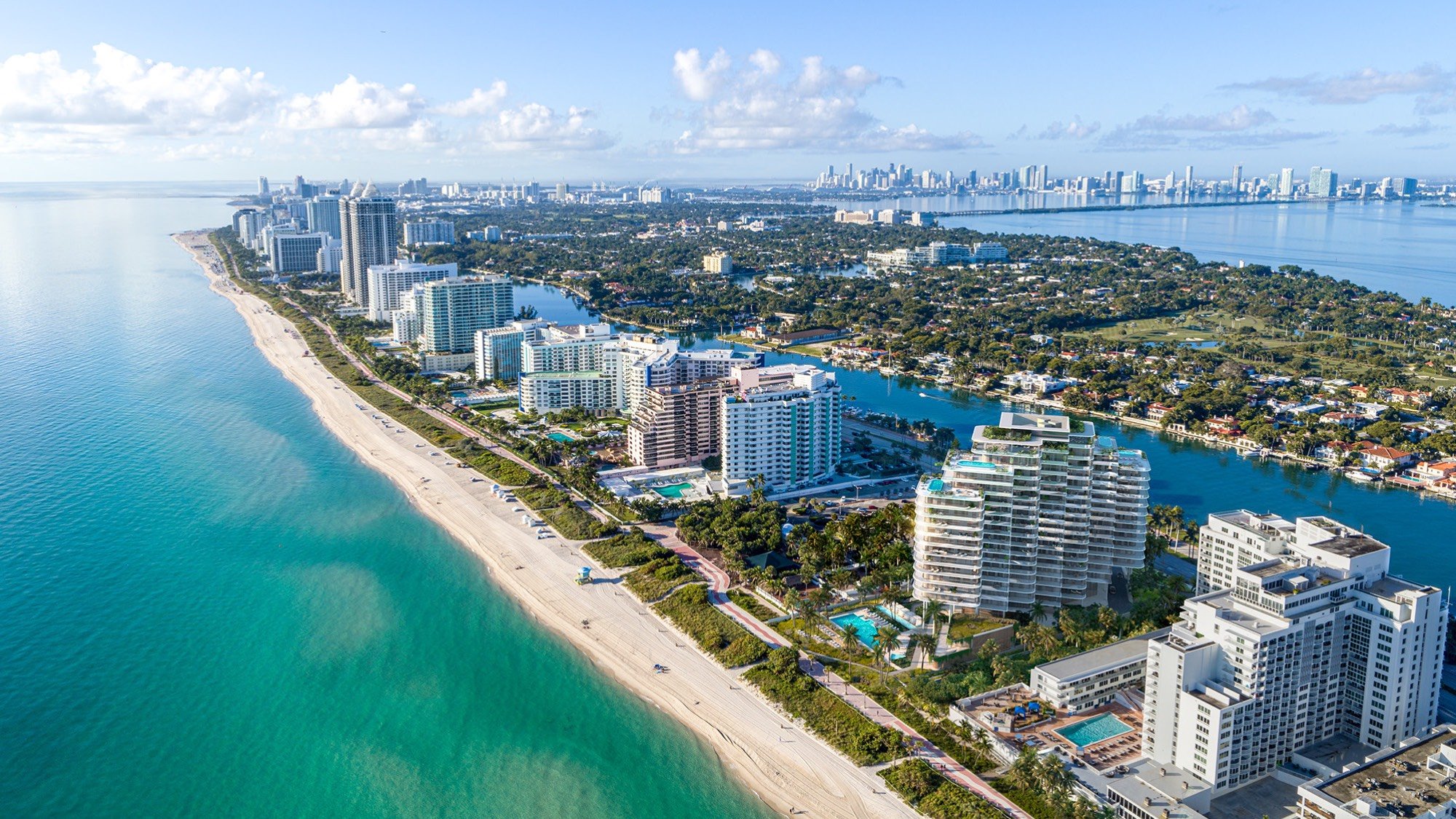
In Miami Beach, walkability is not a single metric. For the ultra-premium buyer, it is a measure of how gracefully a residence supports daily life: the morning coffee ritual, the dog walk, the ocean swim, the evening arrival, the guest experience, and the quiet return home after dinner. South of Fifth, Mid-Beach, and Surfside can all satisfy a buyer who wants life near the water, yet each delivers a distinct version of ease.
The key distinction is not whether one can walk. It is what the walk feels like. Some buyers want the immediacy of a compact, social district. Others prefer a more resortlike oceanfront rhythm. Some want a residential village feeling, where the pace is softer and the sense of enclosure is more pronounced. Those differences shape not only lifestyle, but also the type of building, service model, and ownership experience that feels right.
Buyers often use shorthand such as South of Fifth, Surfside, boutique, oceanfront, and beach-access when narrowing a search, but the real decision is more personal. It begins with the question: what should feel effortless every day?
South of Fifth offers the most urban-feeling version of Miami Beach walkability among the three. The lifestyle is compact and self-contained, with a sense that the neighborhood is calibrated for residents who value proximity and polish. For many buyers, the appeal is the ability to move between home, water, dining, and open-air routines without relying on a car for every decision.
The atmosphere is sophisticated rather than sprawling. South of Fifth suits owners who enjoy a visible, active setting, but still want the refinement of full-service condominium living. The strongest buildings here matter as much as the neighborhood itself, because service, privacy at arrival, elevator experience, and outdoor space all determine whether the energy outside feels invigorating or intrusive.
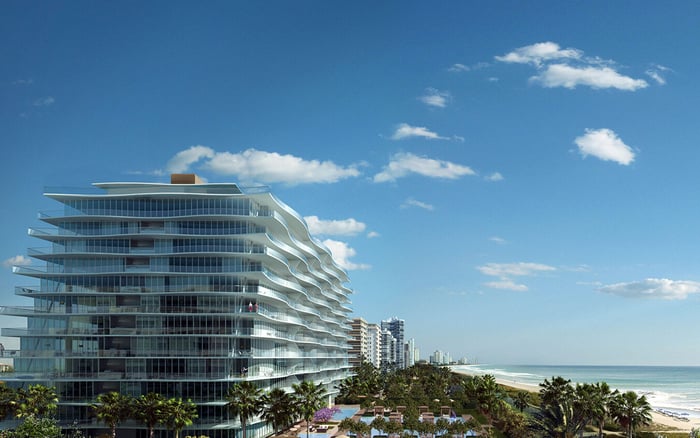
A residence at Apogee South Beach speaks to the buyer who wants the South of Fifth experience at its most residential and composed, while Continuum on South Beach is often considered through the lens of resort-style scale, grounds, and immediate beachside living. In both cases, walkability is not merely about stepping outside. It is about returning to a private world that can absorb the neighborhood’s momentum.
South of Fifth is well suited to the owner who wants a cosmopolitan daily routine, frequent entertaining, and an address connected to the social fabric of Miami Beach. It is less ideal for someone seeking a deeply quiet, village-like atmosphere at all hours. The tradeoff is clear: greater immediacy, stronger energy, and a more animated street life in exchange for a setting that can feel more active.
Mid-Beach offers a different definition of walkability. Rather than the compact intensity of South of Fifth, it is often chosen by buyers who want a calmer, more expansive beach-oriented routine. The daily experience tends to center on the relationship between residence, sand, pool deck, wellness amenities, and a more measured coastal rhythm.
Here, walkability becomes less about a dense circuit of stops and more about the pleasure of moving through a quieter residential environment. For many owners, that is precisely the point. The ideal Mid-Beach day may not require multiple errands on foot. It may involve a walk along the water, time in the building’s amenities, a discreet ride to dinner, and a return to a residence that feels removed from the city’s busiest pockets.
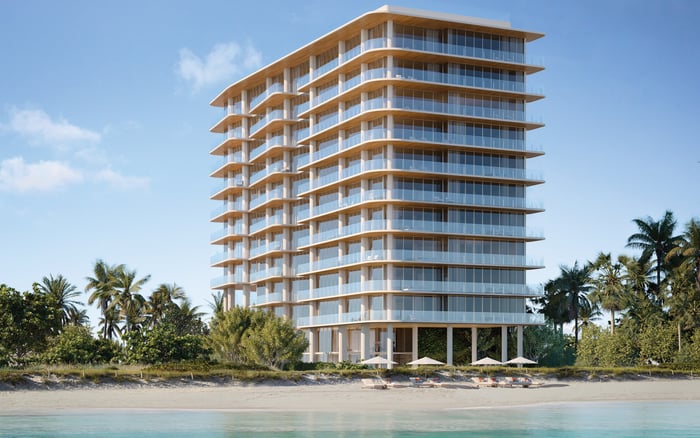
Projects such as The Perigon Miami Beach appeal to buyers who want an elevated coastal address with a strong design and lifestyle proposition. Mid-Beach can also attract those comparing the feel of a more private oceanfront home with the social convenience of a southern address.
The distinction matters for second-home owners. If the residence is intended as a restorative base, Mid-Beach may feel more intuitive than a more animated district. If the goal is to walk out into constant energy, South of Fifth may have the advantage. Mid-Beach is often the choice when the ocean itself, rather than the surrounding street life, is the central amenity.
Surfside presents the most village-like lifestyle of the three. It appeals to buyers who want the benefits of coastal living without the full tempo of Miami Beach’s more active districts. Walkability here is quieter and more residential in tone, with an emphasis on ease, familiarity, and daily proportion.
The Surfside buyer often values discretion. The neighborhood can feel less performative, which is part of its luxury. It is a place for buyers who want to be near the ocean, enjoy a more intimate local rhythm, and maintain access to broader Miami life without living at the center of its most visible scenes.
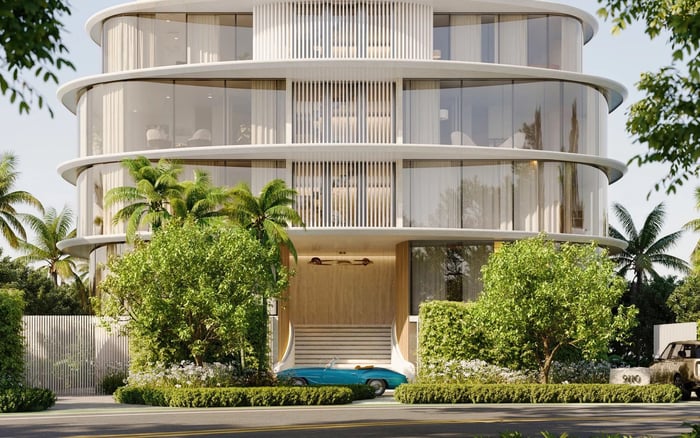
The residential language of Surfside is reflected in projects such as The Delmore Surfside and Ocean House Surfside, both of which fit naturally into conversations about privacy, scale, and coastal refinement. In Surfside, the decision often turns on whether a buyer wants the calm of a smaller community while preserving the privileges of ocean-adjacent living.
For families, long-stay owners, and buyers who prioritize a softer public realm, Surfside can be especially compelling. It is not a substitute for South of Fifth’s social immediacy, nor is it simply a quieter version of Mid-Beach. It has its own identity: composed, residential, and intentionally less hurried.
A useful way to compare the three is to imagine a weekday morning and a weekend evening. In South of Fifth, the day may begin with a brisk walk and end with dinner close to home. In Mid-Beach, the morning may revolve around the ocean and building amenities, with the evening planned more selectively. In Surfside, the rhythm may feel more local and residential, with quieter transitions between home and neighborhood.
Buyers should also consider the arrival sequence. A highly walkable district can still feel wrong if the building lacks privacy, secure circulation, or a sense of calm at the threshold. Conversely, a quieter area can feel wonderfully convenient if the residence is serviced, well planned, and close to the routines that matter most.
The most successful purchase is rarely based on a generic walk score. It is based on the buyer’s lived pattern. Do you want to be seen or sheltered? Do you want dinner nearby every night or serenity most nights? Do you want your building to feel like a private club, a coastal retreat, or a discreet home base? South of Fifth, Mid-Beach, and Surfside each answer those questions differently.
Is South of Fifth the most walkable choice for a social lifestyle? It is often the strongest fit for buyers who want a compact, active routine near dining, beach, and residential services.
Is Mid-Beach better for buyers who want quiet? Mid-Beach can feel calmer and more ocean-focused, especially for buyers who prioritize beach, wellness, and residential privacy.
What makes Surfside different from Miami Beach? Surfside tends to feel more residential and intimate, with a slower daily rhythm and a village-like tone.
Which area is best for a second home? Mid-Beach and Surfside often appeal to second-home buyers seeking restoration, while South of Fifth suits those wanting more activity.
Does walkability matter if a building has strong amenities? Yes. Amenities shape the private experience, while walkability shapes the daily relationship between home and neighborhood.
Should buyers prioritize beach access or neighborhood energy? The answer depends on routine. Some buyers want the ocean as the main amenity, while others value an active street-level lifestyle.
Are boutique buildings better for walkable neighborhoods? Boutique scale can enhance privacy and familiarity, but service quality and layout matter as much as building size.
Is South of Fifth appropriate for privacy-focused buyers? It can be, particularly in buildings with strong arrival, security, and private amenity experiences.
Can Surfside work for buyers who still want access to Miami energy? Yes. It can offer a quieter home base while keeping broader Miami experiences within reach by car.
What is the smartest way to compare these neighborhoods? Walk each area at the times you expect to use it most, then evaluate how the building supports privacy, service, and routine.
For a confidential assessment and a building-by-building shortlist, connect with MILLION.
If branded residences are on your mind — as a home or as an allocation — we would be glad to share what we are seeing, privately.
Begin a quiet conversation