A buyer-focused comparison of Miami Beach beachfront living and Brickell luxury condos, weighing coastal leisure, skyline convenience, service, transit, and due diligence.
Miami Beach and Brickell are often compared as though they were two versions of the same luxury condominium market. They are not. One is organized around sand, water, resort cadence, and the emotional value of waking near the Atlantic. The other is organized around skyline, proximity, building service, and the efficiency of placing restaurants, offices, shopping, and transit within a compact urban radius.
For the South Florida buyer, the distinction is practical as much as aesthetic. Miami Beach beachfront living tends to reward those who want salt air, longer views, and a leisure-first setting. Brickell luxury condos tend to reward those who want immediacy: dinner downstairs, an office nearby, a high-floor amenity deck, and a more car-light daily routine. The right answer depends on what you want your residence to do before 9 a.m. and after 6 p.m.
A Miami Beach search should quickly become a South Beach, Mid Beach, or North Beach search. Each carries a distinct version of coastal prestige.
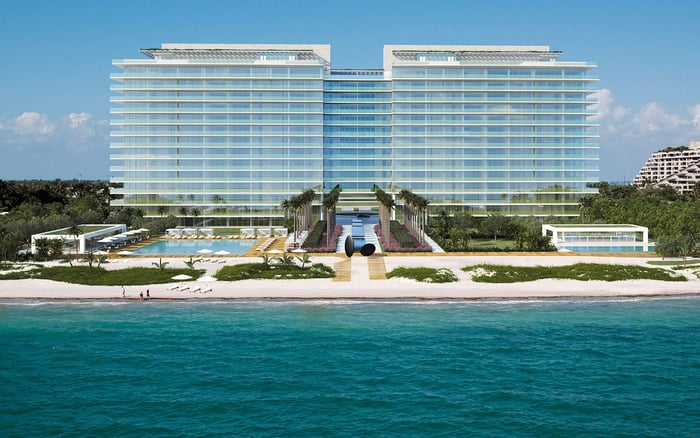
South Beach is the internationally recognized Miami Beach address, with beaches, Art Deco architecture, nightlife, restaurants, shopping, Ocean Drive, Lincoln Road, and a concentration of global familiarity. At the southern end, Continuum on South Beach represents the established oceanfront resort-condo model, where location, grounds, and direct coastal access define the ownership experience.
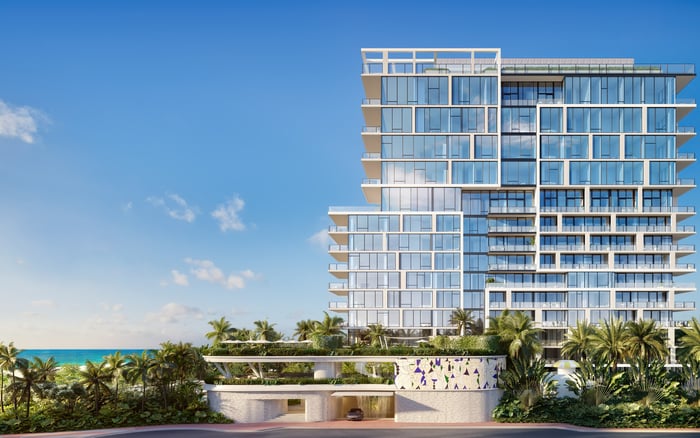
Mid Beach is more resort-oriented and design-forward, with major hotels, dining, beach access, and cultural anchors. It can feel polished and composed, particularly for buyers who want a hotel-like rhythm without putting nightlife at the center of daily life. Projects such as 57 Ocean Miami Beach naturally sit in this conversation because they speak to buyers prioritizing the beachfront experience over urban density.
North Beach is generally quieter and more residential, with beach parks, neighborhood restaurants, and a calmer atmosphere. For buyers who want Miami Beach without the intensity of South Beach, it can offer a softer coastal posture. The essential point is simple: beach access is not merely a checkbox. It changes character block by block and neighborhood by neighborhood.
Brickell is Miami's dense high-rise neighborhood south of Downtown, known for luxury condos, financial offices, restaurants, bars, and walkable urban life. Its appeal is not only proximity to professional and financial offices. Its appeal is that it has become a serviced residential ecosystem.
Brickell City Centre reinforces this pattern by combining shopping, dining, entertainment, offices, residences, and hotel uses within one mixed-use environment. Add the free Metromover connection to Downtown Miami and nearby central districts, and Brickell makes the stronger car-light argument when compared with Miami Beach. Miami Beach has free local trolley service, but its rhythm remains more coastal and leisure-based than rail-connected urban living.
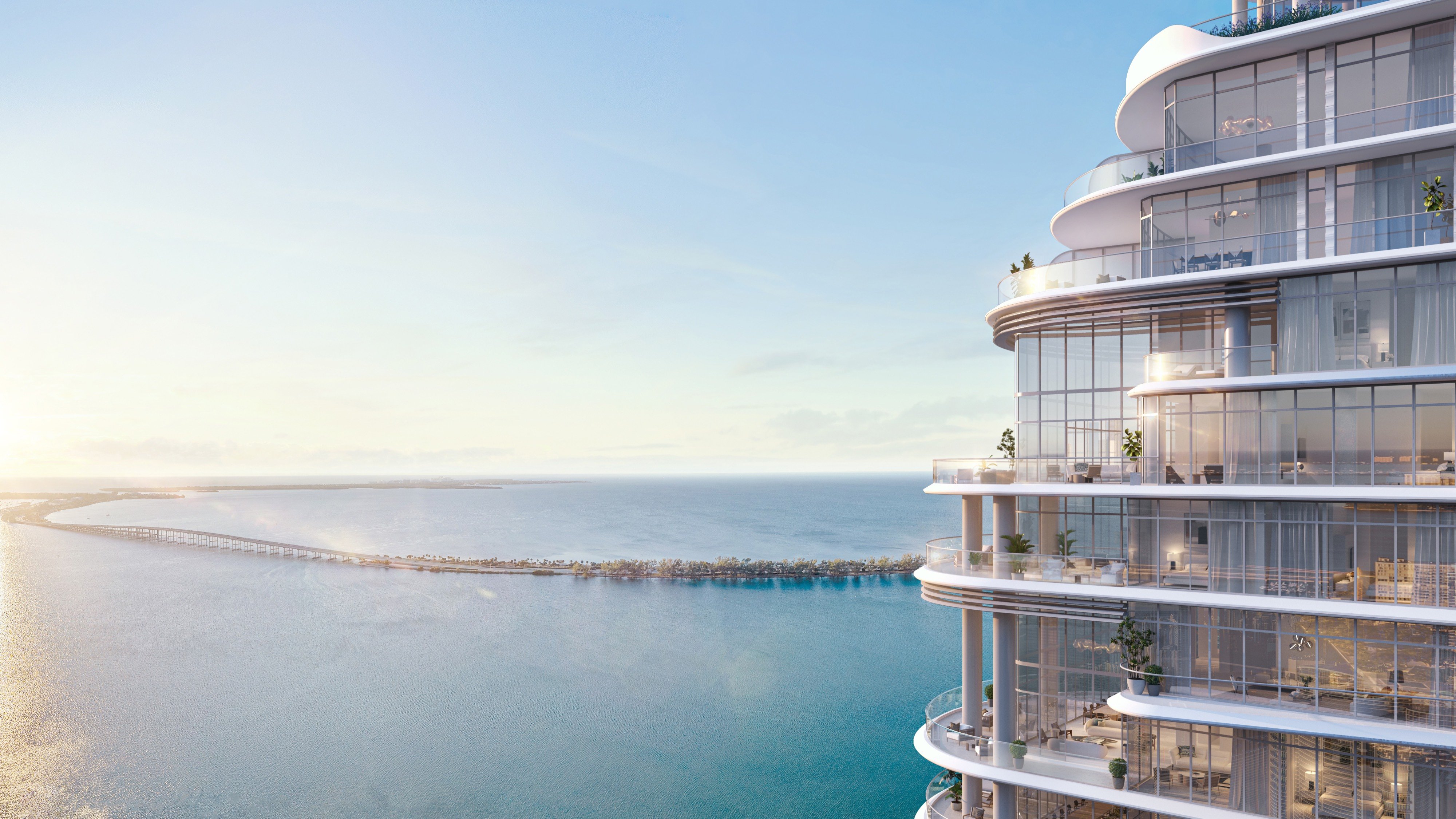
This is where towers such as St. Regis® Residences Brickell and Cipriani Residences Brickell sharpen the choice. They illustrate Brickell's move toward hospitality-influenced residential service, where the building itself becomes a private club, dining room, lobby salon, and wellness address. For buyers who value elevator-to-amenity living, the case is compelling.
Oceanfront value is emotional before it is analytical. The pull of Miami Beach is the sound, light, and ceremony of the coast: morning swims, Atlantic horizons, beach walks, and the established cachet of owning directly by the water. Buyers often accept more logistical friction because the setting is the amenity.
Brickell's value is operational. A buyer can live in the sky, move between meetings and dinner with fewer transitions, and rely on building services to compress the day. Views are different, too. Miami Beach often frames ocean, sand, and bay. Brickell frames skyline, river, bay, and the theater of a city growing vertically.
Neither is inherently superior. They solve different versions of luxury. Miami Beach asks: how close do you want to be to the water? Brickell asks: how close do you want to be to everything else?
Miami Beach beachfront buildings often trade on resort sensibility: pools, beach access, cabanas, valet, concierge, and a sense of arrival tied to place. Privacy can vary widely by submarket, building age, and tourist proximity. South Beach is more kinetic. Mid Beach can feel more curated. North Beach may feel more residential.
Brickell's service model is more vertical and interiorized. The luxury experience is often concentrated inside the tower: arrival sequence, lobby, spa, fitness, dining partnerships, resident lounges, and amenity decks. The Residences at 1428 Brickell belongs to the broader Brickell conversation for buyers comparing highly serviced new-generation condominium living with the emotional appeal of the beach.
For some owners, that controlled environment is the point. For others, no amenity deck can replace direct sand.
Both markets require disciplined building-level review. Hurricane season runs from June 1 through November 30, so storm resilience, insurance, building age, association reserves, and maintenance history matter on both sides of the causeway. Flood-zone status should also be reviewed because both Miami Beach and Brickell include low-lying coastal or waterfront real estate where insurance and risk evaluation can be affected.
Florida condominium buyers should review association governance, budgets, reserves, assessments, rules, and statutory obligations before making a decision. This is especially important when comparing older beachfront buildings with newer or hospitality-branded Brickell towers. Current pricing, inventory, HOA dues, insurance costs, and any pending assessments should be verified at the building level before contract.
Luxury is not only the view. It is the financial health of the structure supporting that view.
Choose Miami Beach if your highest priorities are sand, ocean views, resort-style leisure, and established coastal prestige. Choose South Beach if you want the most recognizable Miami Beach energy. Choose Mid Beach if you prefer a refined resort setting. Choose North Beach if you want a quieter, more residential coastal rhythm.
Choose Brickell if your highest priorities are skyline views, short commutes to professional offices, walkable dining, transit connectivity, and building-based service. The neighborhood suits buyers who want a residence that functions as both home and command center.
In shorthand, Miami Beach is the more sensual choice. Brickell is the more efficient one. Oceanfront, beach access, Brickell, Continuum on South Beach, and St. Regis® Residences Brickell may all appear in the same search, but they point to very different daily lives.
Is Miami Beach better than Brickell for ocean views? Miami Beach is the more natural fit for buyers prioritizing direct beach access and Atlantic Ocean views. Brickell can offer dramatic bay and skyline views, but its lifestyle is urban rather than beachfront.
Is Brickell better for a car-light lifestyle? Brickell has the stronger car-light case because of its dense mix of offices, dining, shopping, and free Metromover access. Miami Beach has local trolley service, but its lifestyle remains more leisure and beach oriented.
Which Miami Beach area is best for nightlife? South Beach is the most nightlife-driven and internationally recognized part of Miami Beach. It also offers beaches, restaurants, shopping, and Art Deco character.
Which Miami Beach area feels quieter? North Beach is generally quieter and more residential than South Beach. It appeals to buyers who want beach access without the same nightlife intensity.
Is Mid Beach more resort oriented? Yes, Mid Beach is often associated with major hotels, dining, beach access, and a more design-forward resort atmosphere. It can suit buyers seeking polish without the full South Beach pace.
Are Brickell condos more service focused? Many Brickell luxury condos emphasize building-based service, amenities, walkable dining, and hospitality-influenced living. This is central to the neighborhood's appeal.
Do both markets require flood and insurance review? Yes, both include coastal or waterfront real estate where flood-zone status and insurance should be reviewed carefully. Building age and storm resilience also matter.
Should buyers review condo reserves and assessments? Yes, association budgets, reserves, governance, and assessments can materially affect ownership costs. This should be reviewed before contract in either market.
Which market is better for a second home? Miami Beach may suit a leisure-first second home, especially for buyers who want sand and resort atmosphere. Brickell may suit owners who visit for business, dining, and city convenience.
Can a buyer enjoy both lifestyles? Yes, many buyers compare both before deciding whether beach ritual or urban service matters more. The best choice is the one that matches daily habits, not just weekend imagination.
For a confidential assessment and a building-by-building shortlist, connect with MILLION.
If branded residences are on your mind — as a home or as an allocation — we would be glad to share what we are seeing, privately.
Begin a quiet conversation