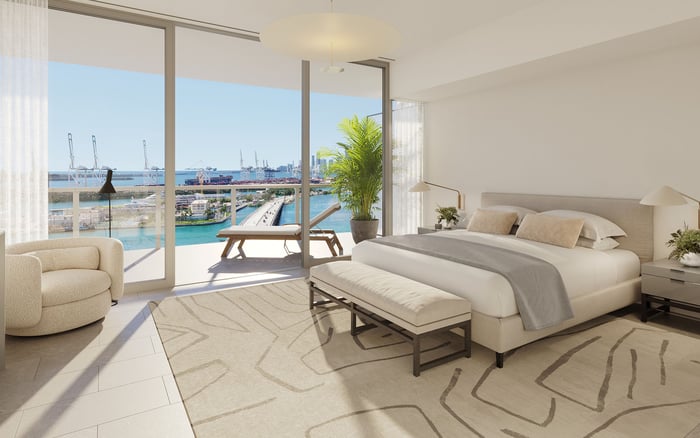
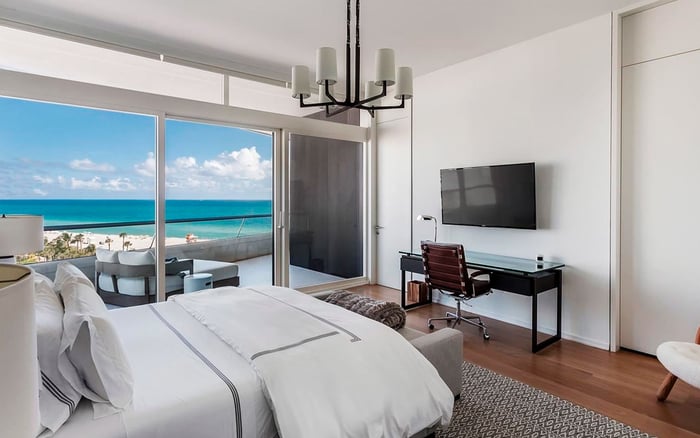
A buyer-focused guide to comparing city-facing and water-facing South Florida residences through flood exposure, maintenance, daily convenience, outdoor comfort, and long-term ownership resilience.
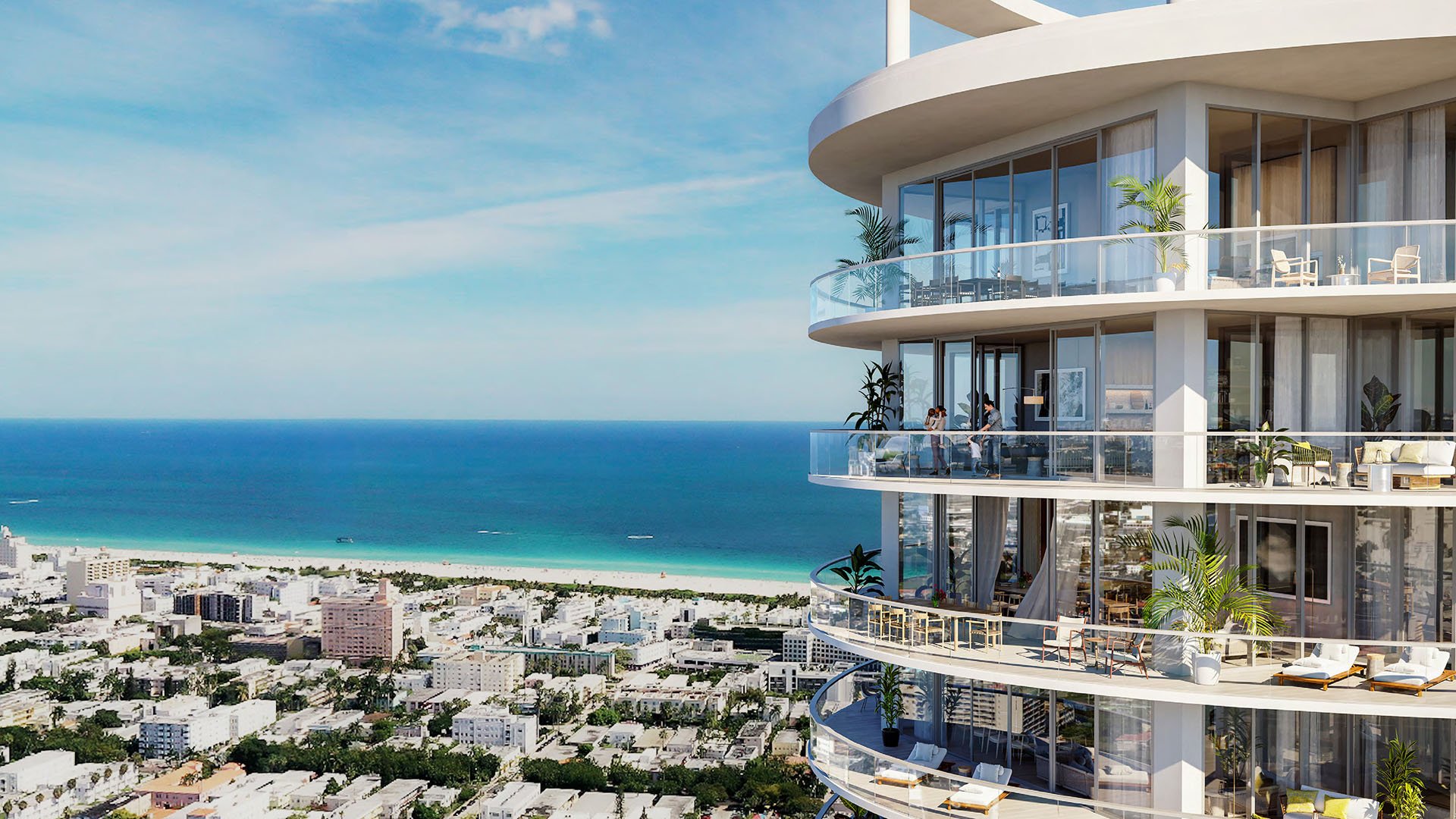
In South Florida, the question is rarely whether a water view is desirable. It is whether that view improves how you live every month of the year, once insurance, maintenance, climate exposure, privacy, parking, outdoor usability, and resale liquidity are considered together.
A water-facing residence can mean oceanfront, bayfront, riverfront, Intracoastal, or canal-facing, and each carries a different ownership profile. City-facing living, especially in established urban neighborhoods, can offer a quieter form of luxury: proximity, service access, walkability, and lower direct exposure to salt spray.
The strongest comparison is not view versus no view. It is the total year-round ownership experience. A water-view label is only a starting point. Buyers should weigh the purchase premium, insurance assumptions, upkeep, building systems, terrace exposure, daily routines, and the quality of comparable sales within the specific building or micro-market.
For water-facing residences, flood exposure should be reviewed before finishes, furniture plans, or view premiums. Flood-insurance cost is shaped by a property’s risk, coverage amount, deductible, and building characteristics, so two residences with similar views can carry very different annual costs.
Elevation, drainage, seawall condition, building flood-mitigation measures, garage placement, lobby systems, generator coverage, and the resilience of valet or parking areas all belong in the first conversation. In a condominium, the unit itself is only one part of the risk profile. Common areas, mechanical rooms, access points, and reserve planning matter just as much.
City-facing residences farther from flood zones may have lower flood-related exposure, but they should not be treated as risk-free. Local flood maps, drainage patterns, street elevation, and garage design still deserve review, especially in low-lying areas or neighborhoods close to canals, rivers, or the bay.
Salt exposure is one of the most practical differences between city-facing and water-facing ownership. Coastal salt can accelerate corrosion of metals and exterior building components, affecting balcony railings, door hardware, exterior lighting, HVAC elements, glass systems, and exposed fasteners over time.
This does not make water-facing living less desirable. It makes maintenance intelligence more important. For a beachfront residence such as 57 Ocean Miami Beach, buyers should ask how the building addresses corrosion-resistant materials, exterior cleaning cycles, waterproofing, façade inspections, and mechanical upkeep in a salt-heavy environment.
The same discipline applies to outdoor living. Terraces, pool decks, gardens, and planters near the coast must contend with wind, salt, and moisture. Landscaping and exterior selections should be suited to coastal stressors, not merely styled for presentation. A beautiful terrace that is difficult to furnish, plant, or maintain year-round can become more ornamental than functional.
Water-facing residences often deliver visual openness, longer sightlines, and breezes that make South Florida living feel cinematic. For buyers who work from home, entertain outdoors, or treat the residence as a retreat, that may be central to the value proposition.
City-facing residences can be more persuasive for full-time residents who prioritize low-friction routines. In Brickell, for example, a residence such as The Residences at 1428 Brickell sits within a setting where restaurants, services, offices, fitness, retail, and transportation are part of daily life rather than planned outings.
That convenience has its own tradeoffs. City-facing buyers should compare noise, privacy, loading areas, parking access, construction activity, and urban heat against the benefit of less direct coastal maintenance. The best city-facing residence is not simply farther from the water. It is one where glazing quality, floor height, orientation, and building operations support year-round comfort.
Water-facing residences may command lifestyle and view premiums in luxury markets, but those premiums should be tested against carrying costs and long-term resilience. Buyers should avoid broad percentage assumptions unless the analysis includes building-level comparable sales for view, floor height, frontage, exposure, unit line, and condition.
A bay-oriented or waterfront-adjacent purchase, such as Aria Reserve Miami, should be evaluated through both lifestyle and operating lenses: how the view performs at different times of day, how balconies function in wind and sun, what insurance assumptions apply, and how the association is preparing for long-term upkeep.
For oceanfront settings, the same discipline is essential. At a property such as St. Regis® Residences Sunny Isles, the appeal of direct coastal living should be considered alongside flood, wind, salt, maintenance, and building-system questions. The view may be extraordinary, but the ownership thesis should be equally clear.
Water-facing homes near the shoreline may be subject to coastal construction rules that affect additions, site work, renovations, and exterior changes. This is especially important for single-family properties, but condo buyers should also understand what can and cannot be altered on balconies, glazing, shutters, railings, and terraces.
Sea-level rise belongs in the long-term comparison because it can worsen flooding and erosion impacts over time. That does not mean buyers should avoid the coast. It means they should favor better elevations, stronger building systems, disciplined associations, and residences where the ownership plan acknowledges climate resilience rather than assuming the view resolves every question.
City-facing buyers also need future-proofing. Air quality, outdoor comfort, shade, traffic patterns, and heat exposure can affect how often terraces are used and how comfortable the residence feels across seasons. A balcony facing an active corridor may live very differently from one set above a quieter urban edge.
Choose water-facing if the view is central to your daily life, the building demonstrates resilience, and the carrying costs make sense after flood, wind, salt, and maintenance are reviewed together.
Choose city-facing if convenience, privacy, service access, and lower direct salt-spray exposure matter more than open water outlooks. For year-round living, the better residence is the one that supports your ordinary Tuesday as gracefully as it hosts your best weekend.
Is a water-facing residence always more valuable? Not automatically. Value depends on building-level comparable sales, floor height, frontage, exposure, condition, and the total cost of ownership.
Should flood exposure be reviewed before making an offer? Yes. Flood risk, coverage level, deductible, and building characteristics can materially affect annual carrying costs.
Are city-facing residences free from flood risk? No. They may have lower exposure in some locations, but buyers should still review local flood maps, drainage, and garage conditions.
Why does salt exposure matter so much? Salt can accelerate corrosion of exposed metals and exterior components, increasing the importance of maintenance and materials.
What should condo buyers ask about water-facing buildings? Ask about reserves, façade care, waterproofing, generator coverage, parking resilience, drainage, and mechanical-room protection.
Can coastal rules affect renovations? Yes. Properties near the shoreline may face rules affecting construction, additions, site work, and certain exterior changes.
Is city-facing living better for full-time residents? It can be, especially when restaurants, services, offices, retail, and transportation are close enough to simplify daily routines.
How should buyers compare outdoor spaces? Study wind, sun, privacy, noise, salt exposure, balcony depth, and whether the terrace will be comfortable year-round.
Does sea-level rise matter for luxury buyers? Yes. Long-term ownership should account for flooding, erosion, elevation, drainage, and building resilience.
What is the best final metric? Compare the total year-round experience: premium, insurance, maintenance, resilience, convenience, outdoor usability, and resale.
For a confidential assessment and a building-by-building shortlist, connect with MILLION.
If branded residences are on your mind — as a home or as an allocation — we would be glad to share what we are seeing, privately.
Begin a quiet conversation