A buyer-oriented look at how spa, fitness, recovery, and livability amenities are shaping luxury residential expectations in Hallandale Beach.
In Hallandale Beach, the luxury conversation is moving away from ornament and toward restoration. Discerning buyers still care about architecture, views, privacy, service, and arrival sequence, but they are asking a more personal question: how will this home support the way I want to feel every day?
That shift has placed wellness amenities at the center of the residential decision. Spa, fitness, recovery, and livability are no longer decorative extras reserved for a brochure. They are part of the daily operating system of a refined South Florida residence. For a buyer comparing Hallandale with Sunny Isles, Aventura, Fort Lauderdale, or Miami Beach, the distinction often comes down to how thoughtfully a building translates resort-level ease into private residential life.
Hallandale is especially well positioned for this conversation because it sits between major coastal and urban centers while retaining a quieter residential rhythm. Buyers considering 2000 Ocean Hallandale Beach or Shell Bay by Auberge Hallandale are not simply evaluating an address. They are weighing how a home can serve as a base for health, privacy, entertainment, and long-term comfort.
A spa amenity succeeds only when it becomes part of life. In the ultra-premium market, buyers are moving beyond the generic promise of a treatment room and looking for a more complete wellness sequence. The best experience begins with privacy, continues through calm design, and ends with an effortless return to daily rhythm.
For Hallandale buyers, that means asking whether the spa area feels like a true retreat or simply a secondary room near the fitness center. Is circulation intuitive? Does the lighting feel restorative rather than commercial? Is there enough separation from social areas, children’s spaces, and high-traffic entrances? The most compelling spa environments are not loud statements. They are controlled, quiet, and deeply practical.
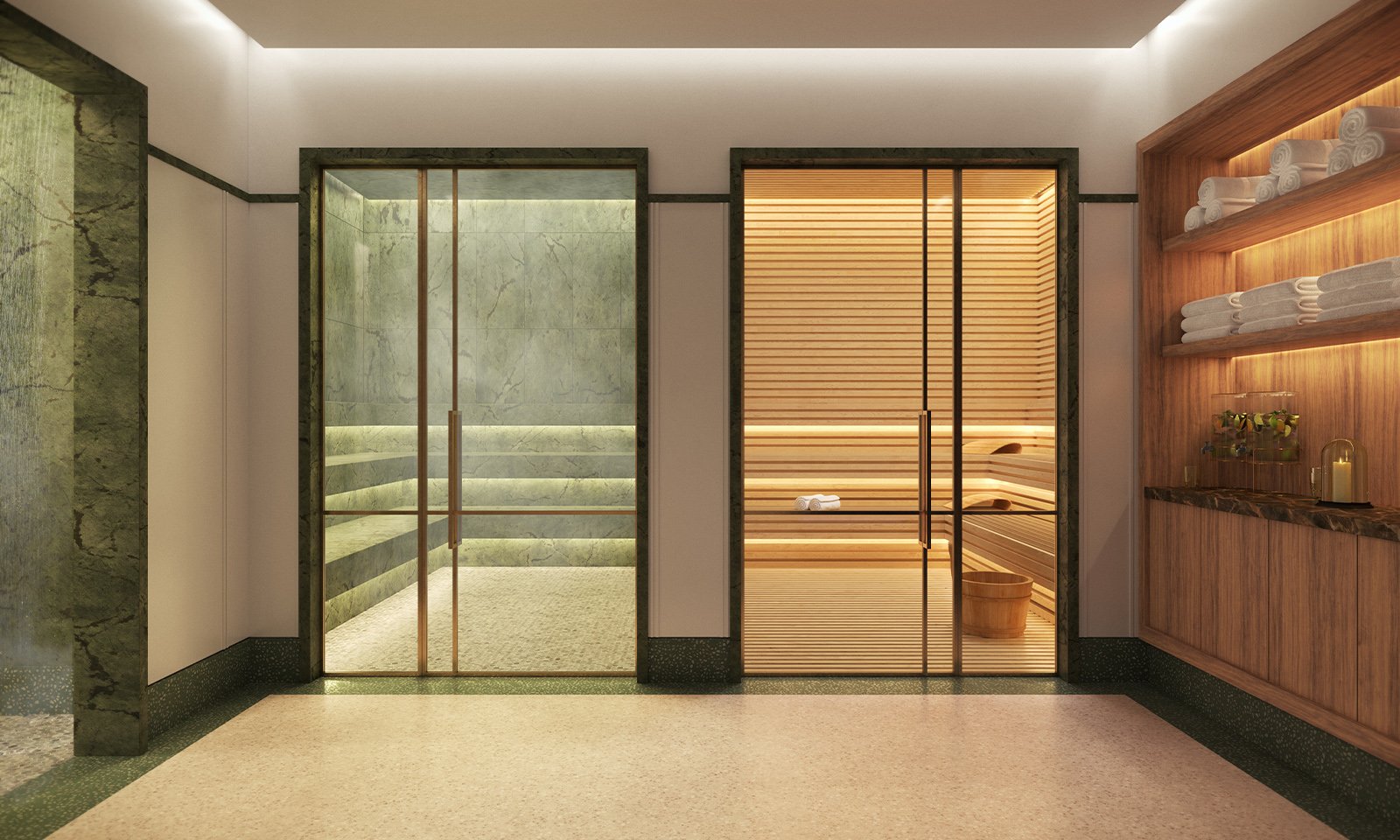
Recovery culture has also changed how buyers read these spaces. A steam room, sauna, plunge concept, massage suite, or quiet lounge can function as part of a daily routine rather than an occasional indulgence. The language of luxury has shifted from excess to consistency. A well-designed spa amenity allows residents to preserve energy, sleep better, decompress after travel, and treat the home as a genuine sanctuary.
The private gym has evolved. A room with equipment is no longer enough for high-end buyers who train with intention. Today’s expectations are broader: strength, mobility, cardio, stretching, balance, and space for guided or independent practice. The best fitness amenities accommodate different bodies, different schedules, and different levels of intensity.
In Hallandale, this matters because many residents move fluidly between professional demands, family life, boating, dining, travel, and coastal recreation. A gym should make it easier to maintain discipline without leaving the building. It should also feel inviting at 6 a.m., usable at mid-day, and calm enough for a lighter evening session.
Buyers often compare Hallandale buildings with wellness-forward residences across South Florida, including projects such as Auberge Beach Residences & Spa Fort Lauderdale, where the name itself signals the continuing appetite for hospitality-informed living. The point is not to chase every amenity trend. It is to identify buildings where fitness programming, spatial planning, and resident privacy feel aligned.
Recovery is the most sophisticated layer of the wellness amenity conversation because it reflects how people actually live. After a long flight, a hard workout, a late dinner, or an intense week, residents want the building to help them reset. That desire is especially relevant in South Florida, where many owners divide their time among multiple homes and expect their residence to be immediately usable upon arrival.
The recovery category can include thermal rituals, quiet rooms, hydration-minded lounges, outdoor breathing space, shaded relaxation areas, and circulation that does not force residents through noisy common zones. Even without an elaborate program, a building can feel deeply restorative if its amenities are peaceful, legible, and easy to access.
This is where restraint matters. A recovery amenity should not feel like a nightclub, a lobby extension, or a place designed only for marketing photography. It should feel private enough to use after a workout, polished enough for a guest, and understated enough to become part of ordinary life. In the highest tier, the real luxury is not spectacle. It is the ability to return to oneself quickly.
Livability is the category experienced buyers often value most. A beautiful spa or gym can make a strong first impression, but everyday comfort determines whether a residence continues to feel exceptional after the first season. This includes elevator flow, valet rhythm, package handling, guest arrival, pet routines, parking convenience, service culture, storage logic, and the relationship between private and shared spaces.
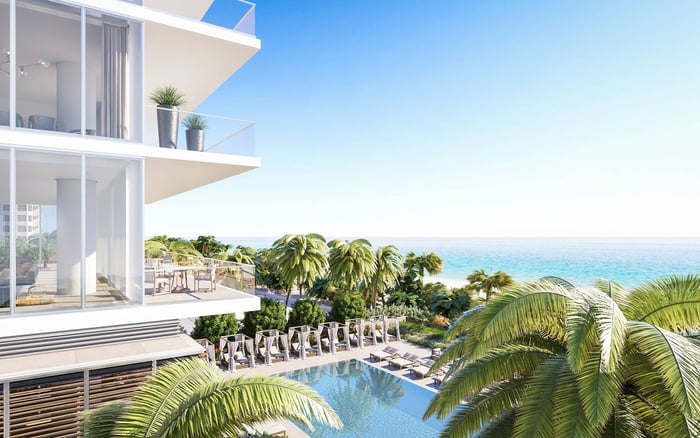
In buyer shorthand, terms such as Pool, Beach-access, and New-construction can point to important search priorities, but they do not tell the full story. The deeper question is whether those features are organized in a way that supports the resident’s day. A pool area should be elegant and usable. Beach-access, where applicable, should feel effortless rather than ceremonial. New-construction should be judged not only by finishes, but by how intelligently the property anticipates modern patterns of living.
Hallandale buyers may also look beyond the city to understand the broader wellness standard. Residences such as The Well Bay Harbor Islands and The Well Coconut Grove reflect how strongly wellness language has entered the residential vocabulary across South Florida. For Hallandale, that regional context matters. It raises expectations and sharpens the buyer’s eye.
The most effective approach is to tour a building as if you already live there. Imagine your first morning after closing. Where do you work out? How do you move from the residence to the spa? Can you recover privately after training? Where would a guest wait? How does the building feel at peak times? Is the amenity package designed for actual residents or for visual impact alone?
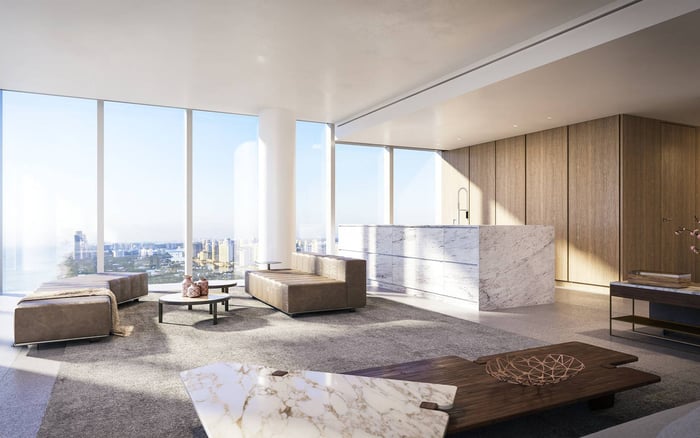
Buyers should also consider whether wellness spaces complement the residence itself. A serene primary suite, a functional kitchen, a comfortable terrace, and strong acoustic separation can be just as meaningful as a treatment room. Wellness is not confined to the amenity floor. It is the sum of design, service, air, light, privacy, and ease.
For second-home owners, the question becomes even more specific: can the property help you transition quickly into South Florida life? If the answer is yes, the residence feels less like a destination and more like a personal reset button. That is where Hallandale’s best opportunities become compelling.
Hallandale offers a quieter alternative to more saturated luxury corridors while still keeping buyers connected to the broader South Florida lifestyle. For wellness-oriented purchasers, that balance can be powerful. The area can serve as a calm home base for those who want coastal living, regional access, and a more measured residential pace.
The strongest Hallandale wellness residences will not be defined by the longest amenity list. They will be defined by how well their amenities are edited. A buyer should feel that the spa, fitness, recovery, and livability elements all support a coherent point of view. When those pieces work together, the building feels less like a collection of features and more like a complete way of living.
That is the future of luxury wellness in Hallandale Beach: not louder, not larger, but more considered.
Why are wellness amenities so important in Hallandale Beach luxury real estate? They support daily comfort, privacy, and recovery, which are central priorities for many high-end South Florida buyers.
What should buyers look for in a residential spa amenity? Buyers should focus on privacy, calm design, ease of access, and whether the space feels usable beyond the initial tour.
Is a fitness center enough to qualify as a wellness amenity? Not by itself. A strong wellness program considers training, recovery, relaxation, circulation, and the overall ease of daily living.
How does recovery differ from spa in a luxury residence? Spa is often treatment-oriented, while recovery focuses on daily reset, quiet, thermal routines, rest, and post-workout restoration.
Does Hallandale appeal to second-home buyers? Yes, especially for buyers who want a South Florida base with a calmer residential rhythm and convenient regional access.
What does livability mean in a luxury condo context? It refers to the practical details that shape daily life, including arrivals, service, privacy, parking, storage, and amenity flow.
Should buyers compare Hallandale with nearby markets? Yes. Comparing Hallandale with nearby coastal and urban areas helps clarify value, lifestyle fit, and amenity expectations.
Are wellness amenities only about health and fitness? No. They also include design calm, privacy, service, outdoor space, sleep quality, and the ability to decompress at home.
What makes an amenity package feel truly luxurious? The best packages are coherent, private, well maintained, and easy to use rather than simply extensive or visually dramatic.
How should a buyer begin evaluating Hallandale wellness residences? Start by defining your daily routine, then evaluate whether each building genuinely supports that routine with comfort and discretion.
When you're ready to tour or underwrite the options, connect with MILLION.
If branded residences are on your mind — as a home or as an allocation — we would be glad to share what we are seeing, privately.
Begin a quiet conversation