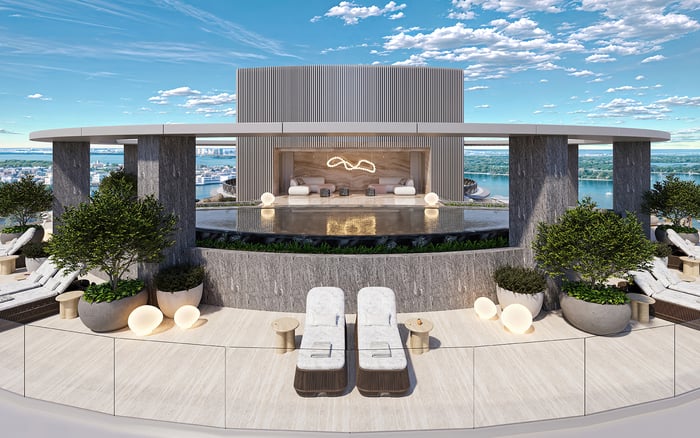
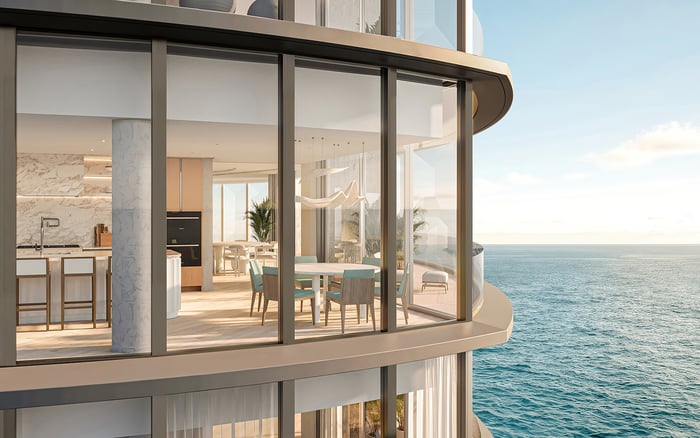
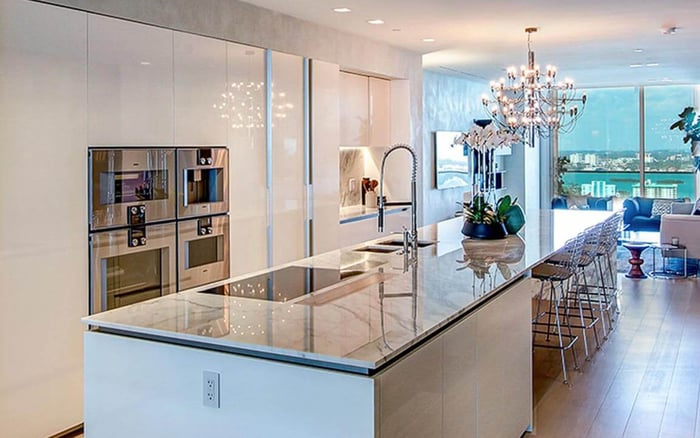
Bal Harbour waterfront living rewards disciplined buyers who evaluate the view corridor, insurance profile, and construction quality together rather than treating them as separate decisions.
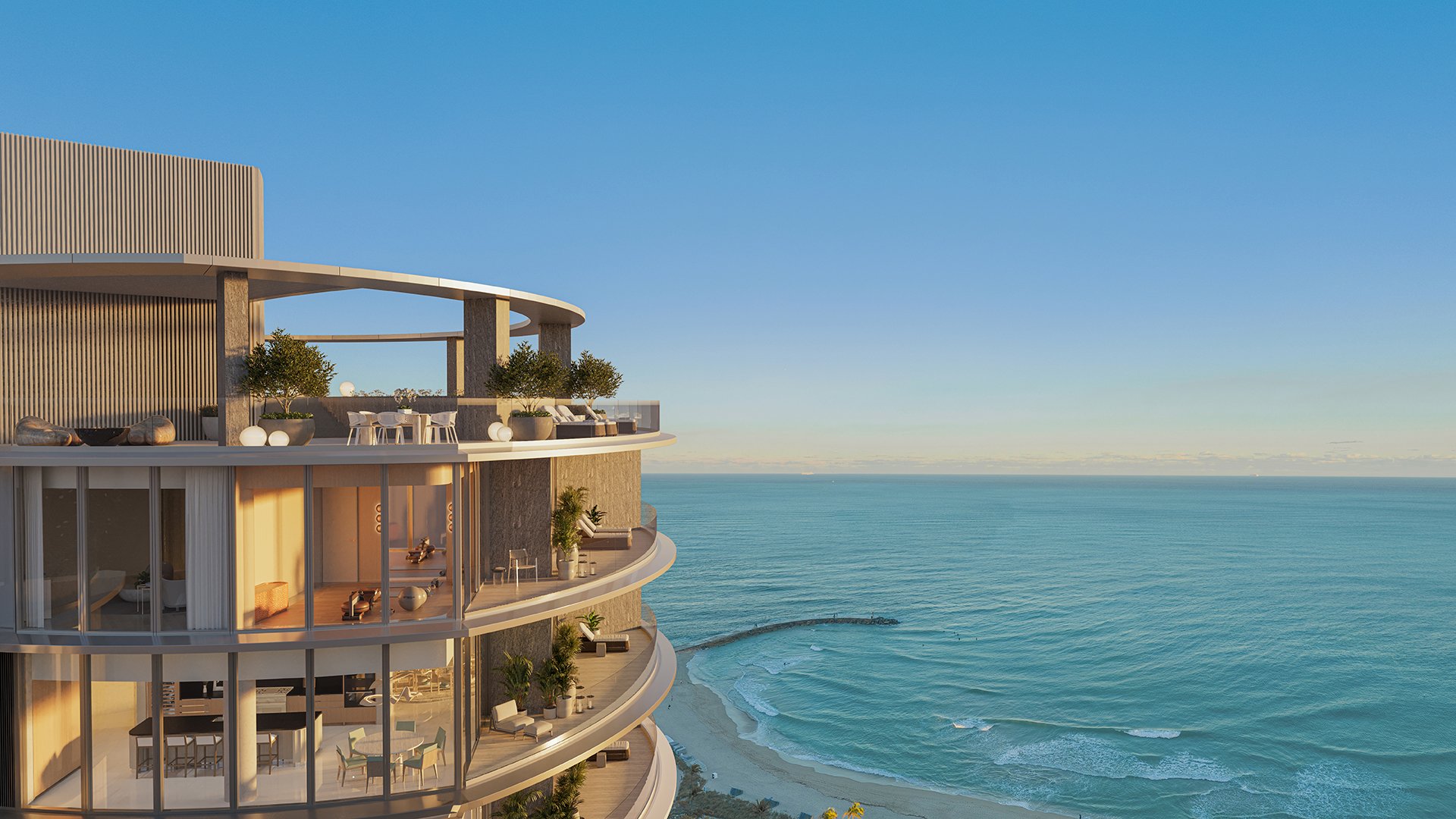
Bal Harbour waterfront living is often framed as beauty, but the more discerning buyer treats the view as an asset class. Ocean, inlet, and bay exposures each carry a distinct rhythm of light, privacy, weather, and resale positioning. The right residence is not simply the one with the most dramatic outlook. It is the one whose view remains compelling in daily life, across seasons, and through the practical realities of South Florida ownership.
For a Bal Harbour buyer, the first question should be exacting: what does the residence truly frame from the primary rooms, the terrace, and the principal suite? A direct Oceanfront vista can deliver immediate emotional clarity, especially when the horizon line is uninterrupted. A bay-facing residence may offer softer evening light, a greater sense of movement on the water, and a more residential mood. Waterview value is strongest when the exposure feels intentional from inside the home, not merely available from the edge of a balcony.
This is why floor height, orientation, terrace depth, and neighboring massing deserve careful study. A residence that photographs beautifully at noon may feel entirely different at sunset, during storms, or from seated positions in the living room. Buyers comparing established buildings such as Oceana Bal Harbour with newer offerings such as Rivage Bal Harbour should study how each plan treats the view as architecture, not decoration.
In waterfront acquisitions, insurance is not a closing detail. It is a core component of ownership cost, risk tolerance, and long-term comfort. Buyers should address wind, flood, and association coverage early, especially when considering high-value residences where deductibles, exclusions, and building-level policies can materially shape the ownership experience.
The most elegant approach is to seek clarity before falling in love with finishes. What coverage is carried by the association? How are deductibles structured? What portion of risk remains with the unit owner? How does the building address flood exposure, windstorm protection, and mechanical systems in vulnerable areas? These questions do not diminish the romance of waterfront living. They protect it.
Insurance review should also include the relationship between the individual policy and the building policy. A purchaser may be responsible for interiors, improvements, personal property, loss assessment exposure, and additional living expenses, depending on the final policy structure. For ultra-premium buyers, the objective is not merely to obtain coverage. It is to understand whether the coverage aligns with the residence’s value, intended use, and ownership horizon.
Second-home buyers should be especially disciplined. A residence used seasonally may carry different monitoring, maintenance, and claims considerations than a primary home. The same is true for buyers who plan to renovate after closing. Improvements can change the insurance conversation, particularly when custom millwork, specialty stone, integrated systems, and designer fixtures are involved.
In Bal Harbour, the most consequential luxury is often invisible. Building quality lives in the envelope, glazing, waterproofing, balcony details, roof systems, drainage, mechanical placement, emergency power planning, and the discipline of maintenance. These elements rarely dominate a sales presentation, yet they shape comfort and value over time.
A serious waterfront buyer should request the building documents that reveal how the property is cared for. Association budgets, maintenance history, reserve planning, insurance summaries, recent inspections, and any disclosed repair programs can offer a clearer picture than amenity photography. A well-run building tends to communicate with order and specificity. Vague answers are not always a problem, but they should invite deeper review.
New-construction buyers should examine the development team, materials, delivery standards, warranties, and how the building is designed to manage waterfront exposure. Resale buyers should focus on the building’s actual operating history, including maintenance patterns, assessment history, and the consistency of association governance. Neither category is automatically superior. The better choice is the one whose documentation supports the buyer’s risk profile.
Nearby coastal residences can also sharpen perspective. The refined beachfront language of The Surf Club Four Seasons Surfside offers a useful comparison point for buyers studying service, privacy, and long-term building stewardship just south of Bal Harbour. Across the bay, La Maré Bay Harbor Islands can help frame the difference between ocean-facing drama and quieter bay-oriented living.
The best view is not universal. It depends on how the owner lives. Ocean-facing residences often appeal to buyers who want openness, horizon, and a resort-like sense of permanence. Bay-facing residences can feel more intimate, with shifting water activity and warmer evening tones. Hybrid exposures, when available, may offer the most layered experience, but they should be evaluated for privacy and usable room-by-room impact.
Terraces require particular scrutiny. A deep terrace can become an outdoor room, while a shallow balcony may function more as a viewing ledge. Wind comfort, furniture placement, door systems, and shade all affect daily use. Buyers should visit at different times of day when possible, because glare, sound, and heat can change the emotional quality of a residence.
Privacy is equally important. A spectacular water view loses refinement if primary living spaces are too exposed to neighboring buildings or common areas. The most successful residences balance openness with discretion, allowing owners to feel connected to the water without feeling on display.
Begin with the view, then proceed methodically. Confirm what is protected by orientation and what could be affected by future work nearby. Review the association’s insurance and budget materials with qualified advisors. Understand flood and wind considerations before finalizing an offer. Ask how the building handles water intrusion prevention, exterior maintenance, emergency procedures, and mechanical resilience.
For condominium purchasers, the association is part of the asset. Governance, reserves, rules, service culture, and maintenance discipline can influence enjoyment as much as the floor plan. In the ultra-premium tier, buyers are not only purchasing a residence. They are joining an operating environment.
Finally, compare emotion with evidence. A residence should inspire, but it should also withstand scrutiny. The strongest Bal Harbour waterfront acquisition is the one where the view, insurance profile, and building quality reinforce one another.
What should Bal Harbour waterfront buyers evaluate first? Start with the view corridor, then study insurance, building quality, association documents, and long-term maintenance discipline.
Is an ocean view always more valuable than a bay view? Not always. Ocean views can feel expansive, while bay views may offer privacy, softer light, and a quieter residential atmosphere.
Why is insurance so important for waterfront condos? Insurance affects carrying cost, risk exposure, deductibles, and the relationship between unit-owner coverage and association coverage.
What building documents should buyers request? Buyers should review budgets, insurance summaries, reserve information, maintenance history, inspection materials, and disclosed repair plans.
How should New-construction be evaluated? Review the development team, delivery standards, materials, warranty framework, waterfront design approach, and expected operating structure.
How should Resale residences be evaluated? Focus on the building’s maintenance record, association governance, assessment history, insurance structure, and condition of major systems.
Do terraces matter as much as interior views? Yes. Terrace depth, wind comfort, shade, and privacy determine whether outdoor space functions as true living space.
What makes a Waterview residence stronger? A strong Waterview is visible from primary rooms, feels private, and remains compelling at different times of day.
Should buyers compare nearby Surfside and Bay Harbor options? Yes. Nearby properties can clarify preferences for beachfront drama, bayfront calm, service style, and building scale.
What is the best mindset for buying in Bal Harbour? Treat beauty and diligence as inseparable, balancing emotional appeal with insurance clarity and construction confidence.
For a tailored shortlist and next-step guidance, connect with MILLION.
If branded residences are on your mind — as a home or as an allocation — we would be glad to share what we are seeing, privately.
Begin a quiet conversation