A buyer-focused guide to evaluating cold-plunge access at Rivage Bal Harbour, with practical questions around amenity confirmation, operations, guest rules, safety, and association costs.
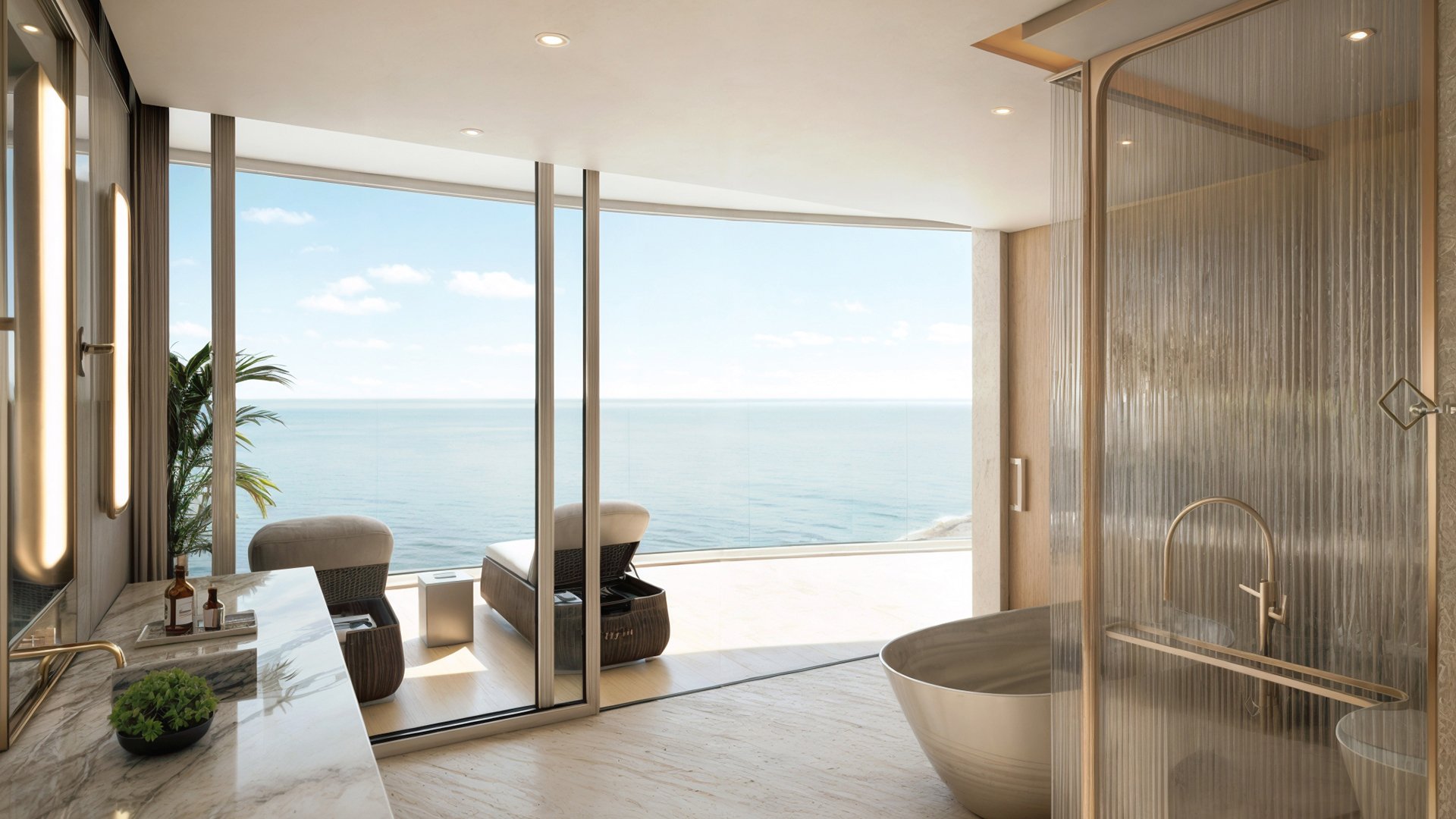
In today’s luxury market, wellness is no longer a soft lifestyle promise. It is a value consideration, a daily-use question, an operational issue, and a resale signal. Cold plunges, contrast therapy, hydrotherapy circuits, spa suites, recovery lounges, and private fitness programming have become part of the vocabulary buyers use when comparing new and emerging South Florida residences. Yet the critical distinction is not whether a brochure feels wellness-driven. It is whether the amenity is defined, delivered, governed, and maintained in a way that matches how an owner expects to live.
For buyers studying Rivage Bal Harbour, cold-plunge access should be treated as a diligence item, not an assumed feature. Available project-specific information does not confirm whether Rivage Bal Harbour offers a cold plunge, where it would be located, or whether access would be private, shared, spa-managed, or otherwise controlled. That absence is not inherently negative. It simply means the appropriate buyer response is documentation, not assumption.
This is especially relevant in Bal Harbour, where expectations are unusually refined. A buyer may be weighing oceanfront living, beach-access convenience, privacy, service culture, pool design, and new-construction standards at the same time. In that context, a small wellness detail can carry outsized importance if it affects the daily rhythm of ownership.
The first question is basic, but essential: is a cold plunge included in the published amenity program for Rivage Bal Harbour? Not mentioned in conversation, not implied by a wellness theme, and not inferred from renderings. Buyers should ask for the amenity list, sales materials, condo documents, or direct written confirmation from the appropriate sales or development representative.
If a cold plunge is confirmed, ask whether it is a permanent planned amenity or a feature subject to final design, association approval, or operational change. Pre-completion and new-construction purchases often involve evolving amenity language, so the difference between conceptual marketing and binding documentation matters. Sophisticated buyers should preserve the answer in writing and make sure their advisory team reviews the relevant purchase and association materials.
If it is not confirmed, buyers can still evaluate Rivage Bal Harbour on its broader merits, but they should not assign value to cold-plunge access in their personal pricing model. A wellness feature that is merely expected should not be treated like a delivered private amenity.
If a cold plunge exists or is planned, location is the next issue. Is it indoors or outdoors? Is it integrated into a spa or wellness area? Is it adjacent to a fitness center, pool deck, sauna, steam room, locker facility, or treatment suite? Is it exposed to the elements, tied to operating hours, or dependent on staffing?
These details shape the actual experience. A cold plunge within a spa-managed wellness area may feel controlled, quiet, and intentional. A shared plunge near a pool deck may be more social and visible. A private or semi-private setting may appeal to owners who value discretion after training, swimming, or treatment appointments. None of those models is inherently superior, but each serves a different owner profile.
Buyers comparing Rivage Bal Harbour with wellness-branded or wellness-adjacent residences such as The Well Bay Harbor Islands should resist shorthand comparisons. The name or mood of a project matters less than the access rules, maintenance standards, and owner privileges documented for a specific amenity.
The difference between an amenity and a meaningful amenity often lies in the rules. Ask whether the cold plunge, if offered, requires reservations. Ask whether use is first-come, first-served, staff-supervised, or limited to defined time blocks. Ask whether residents may bring guests, whether guests must be accompanied, and whether household staff, trainers, therapists, or visiting family members may use the facility.
Hours matter as well. A plunge that opens only during spa staffing hours may not serve an owner who trains early in the morning or returns late from travel. A plunge with broad hours may require additional access controls, sanitation protocols, and liability procedures. If access is tied to another amenity, such as a spa suite or fitness area, the rules for that larger zone may determine cold-plunge usability.
This is where luxury buyers should be candid about their habits. Occasional use is different from daily contrast therapy. A resident who expects the plunge after every workout needs a far more detailed answer than a buyer who views it as a weekend amenity.
Cold water may feel simple, but operating a cold plunge in a shared residential environment is not simple. Buyers should ask who maintains the system, how often it is serviced, how water quality is monitored, and what sanitation protocols apply. They should also ask whether temperature ranges are specified, whether the plunge is continuously monitored, and whether any signage, health guidance, or waiver language is required.
The association documents and operating rules should be reviewed for the allocation of cost and responsibility. Is the cold plunge part of the common elements? Is it maintained by the association, a spa operator, a building manager, or an outside vendor? Are staffing costs included in projected budgets? Could operating costs increase if use is heavier than expected or if maintenance requirements change?
For ultra-premium buyers, this is not about skepticism. It is about protecting the experience. A poorly governed wellness feature can become restricted, expensive, or underused. A well-documented one can support a smoother owner experience and reinforce the building’s broader service culture.
South Florida buyers often compare multiple submarkets before making a final decision. Someone drawn to Bal Harbour may also study Miami Beach, Surfside, Bay Harbor Islands, Coconut Grove, or Brickell, depending on household needs and lifestyle priorities. When comparing projects, keep the question consistent: what is actually documented, who may use it, how is it operated, and what will it cost over time?
For example, a buyer considering The Well Coconut Grove or The Perigon Miami Beach may be evaluating a broader wellness lifestyle, while a Rivage Bal Harbour buyer may be focused on a specific Bal Harbour residential experience. In either case, do not let amenity language substitute for rule language. The documents determine access.
The same approach applies when comparing established luxury contexts such as Oceana Bal Harbour. Buyers should separate what they know, what they have been told, and what has been formally confirmed. That discipline is especially important when a feature affects health, safety, staffing, association budgets, and guest privileges.
A well-prepared buyer should ask a concise set of questions before treating cold-plunge access as part of the purchase rationale. Is the cold plunge included in the official amenity program? Is it currently planned, under final design, or subject to change? Where is it located? Is it indoors or outdoors? Is it part of a spa, fitness, pool, or wellness zone? Who may use it? Are reservations required? What are the hours? Are guests permitted? Are trainers or therapists permitted?
Then move from lifestyle to governance. Who maintains it? What sanitation protocols apply? Are temperature standards specified? Are liability waivers required? Is staff supervision required? Are the operating costs covered in association budgets? Could rules be changed by the association after turnover? Are there use restrictions for children, guests, or residents with certain health conditions?
The answer to any single question may not decide the purchase. Together, however, the answers reveal whether the amenity is part of a polished residential system or simply an attractive phrase. In high-value acquisitions, that distinction is worth making early.
Does Rivage Bal Harbour have a confirmed cold plunge? Available project-specific information does not confirm a cold plunge, so buyers should verify the amenity in writing before relying on it.
Should buyers assume cold-plunge access is included because Rivage Bal Harbour is a luxury project? No. Luxury positioning does not confirm a specific wellness amenity or its access rules.
What document should confirm cold-plunge access? Buyers should look for confirmation in the published amenity program, sales materials, condo documents, or written communication from the appropriate project representative.
Why does location matter for a cold plunge? Location affects privacy, operating hours, staffing, weather exposure, and how easily residents can use the feature within their daily routine.
Should guests be allowed to use a residential cold plunge? That depends on the building rules. Buyers should ask whether guests are permitted, whether they need accompaniment, and whether waivers apply.
Are reservations important? Yes. Reservation rules can determine whether the amenity is convenient for daily recovery or only practical for occasional use.
What maintenance questions should buyers ask? Ask who services the plunge, how water quality is monitored, what sanitation protocols apply, and whether temperature standards are defined.
Can cold-plunge costs affect association budgets? Potentially. Buyers should review whether maintenance, staffing, sanitation, and future operating costs are addressed in association documents.
Can amenity rules change after purchase? They may change depending on the governing documents and association authority, so buyers should have counsel review the relevant language.
How should a buyer value unconfirmed cold-plunge access? Treat it as a preference, not a priced amenity, until it is clearly documented and supported by operating rules.
For a discreet conversation and a curated building-by-building shortlist, connect with MILLION.
If branded residences are on your mind — as a home or as an allocation — we would be glad to share what we are seeing, privately.
Begin a quiet conversation