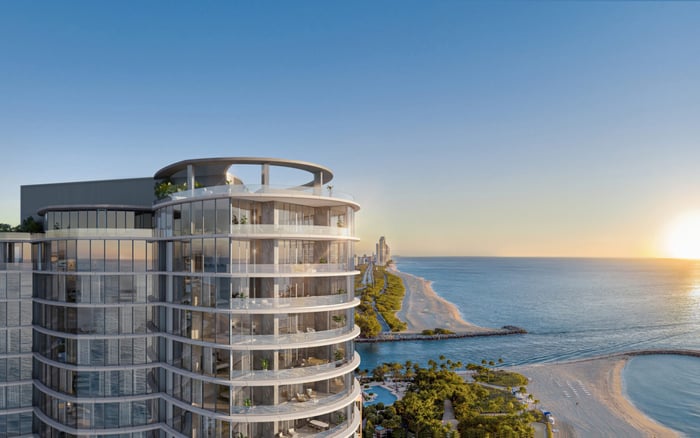
A practical 2026 framework for collectors comparing Rivage Bal Harbour and Shore Club Private Collections Miami Beach through the lens of installation routes, freight access, climate-controlled storage, governance, and long-term art stewardship.
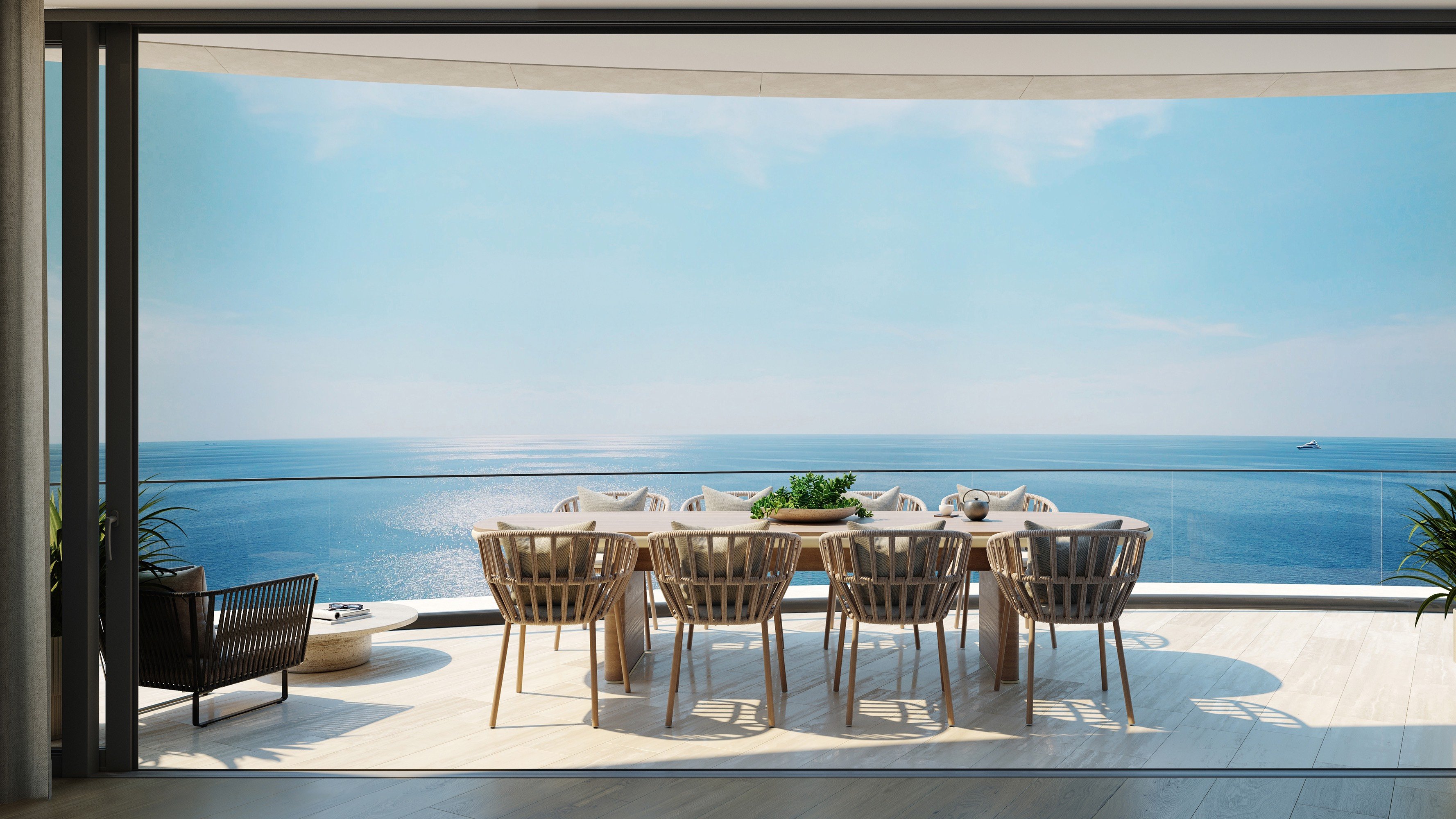
For a certain South Florida buyer, rarity is no longer measured only by presentation. The more revealing question is whether the building can quietly support the life inside it. In 2026, that life may include museum-grade works, oversize canvases, sculptural pieces, design editions, temperature-sensitive materials, and an expectation that every move happens without drama.
That is the sharper way to read Rivage Bal Harbour or Shore Club Private Collections Miami Beach. For a collector, the distinction is not simply one South Florida lifestyle against another. It is operational.
Can a work enter the property without passing through the wrong public area? Can the residence receive a crate of meaningful scale? Can humidity, temperature, insurance, staging, and installation be coordinated before closing rather than after the first failed delivery? These are the questions that separate a beautiful purchase from a frictionless one.
Rivage Bal Harbour belongs in the conversation for buyers who want the Bal Harbour setting paired with a highly controlled ownership experience. For collectors, its appeal should be tested through practical questions: where a truck stops, how crates move, which elevator is used, how long work can be staged, and who approves each step.
The building may be judged visually by architecture, interiors, and presence, but an art buyer should underwrite it like a private gallery with a residence attached. Wall planning matters, but so does the route behind that wall planning. Before committing, the buyer’s team should request written move-in protocols, freight rules, elevator protection standards, insurance requirements, and any limits on after-hours installation.
In this lens, Rivage Bal Harbour sits within a buyer psychology that values discretion, control, and curation. The better the building can translate that psychology into predictable logistics, the more compelling it becomes for a serious collection.
Shore Club Private Collections Miami Beach is the Miami Beach counterpart in this buyer comparison. Its name suggests a residence designed for buyers who understand hospitality, design memory, and the cultural weight of Miami Beach.
For an art collector, however, atmosphere is only the opening note. The real review begins with access. Miami Beach ownership can include a more active rhythm of guests, seasonal arrivals, service appointments, and scheduled events. A collector should ask how the building separates resident arrival from vendor activity, how installation teams are scheduled, and how staff manage delicate deliveries during peak periods.
The buyer’s checklist should be intensely interior. Does the residence allow safe turns with large crates? Are service corridors wide enough for the works the buyer actually owns? Are there formal procedures for protecting finishes during installation? If a collection is central to the purchase, these answers belong in diligence, not in conversation after contract.
Collectors often focus on the final wall, but the decisive moments happen earlier. A painting or sculpture reaches a residence through a chain of custody: shipper, receiver, building security, loading point, freight elevator, corridor, threshold, staging area, installer, lighting consultant, and insurer. A weakness anywhere in that sequence can create delay, cost, or risk.
For both Rivage Bal Harbour and Shore Club Private Collections Miami Beach, buyers should develop an installation map for representative works. Not an abstract plan, but a measured scenario: the largest painting, the heaviest sculpture, the most fragile crate, and the piece requiring the most controlled acclimatization. If those pieces work, the rest of the collection is more likely to work.
The same standard applies to lighting and mounting. Buyers should clarify what can be altered, where backing or blocking may be required, whether ceiling or wall penetrations need approval, and how any smart-home, shade, or climate systems interact with display conditions. A residence can be visually elegant and still require meaningful preparation before it is collection-ready.
Freight access rarely appears in the emotional first tour, yet it is one of the most consequential details for a collector. The ideal scenario is not merely that a freight elevator exists. It is that the sequence from vehicle to residence is dignified, secure, protected, and predictable.
The questions should be direct. Where does the truck wait? Is the delivery area covered? Is there a dedicated service entry? What are the elevator dimensions and weight limits? Are there blackout dates during high-occupancy periods? Can installers work outside normal business hours? Who signs off on protective coverings? How are certificates of insurance reviewed?
For a buyer choosing between these two properties, the answer may not be universal. A collector with smaller works and frequent rotations may prioritize scheduling flexibility. A collector with monumental pieces may prioritize dimensional capacity and staging control. A buyer who loans works to institutions may care most about chain-of-custody documentation. The best building is the one that matches the collection’s operational life.
Climate-controlled storage is another phrase that demands precision. It can mean a range of things, from a conditioned owner storage room to a specialized environment with more rigorous temperature and humidity expectations. The difference is significant for works on paper, photography, textiles, wood, certain design objects, and mixed-media pieces.
Because no supported specifications are available here for humidity control, storage rooms, or art-storage protocols, buyers should treat all storage language as a prompt for diligence. Ask whether any storage is deeded, assigned, conditioned, monitored, or suitable only for general household items. Ask whether the environment is separately controlled or tied to broader building systems. Ask who can access it and how access is logged.
If the collection requires true conservation standards, the buyer may still need off-site professional storage. That does not weaken the value of a residence, but it changes how the purchase should be planned. The residence becomes the exhibition setting, while specialized storage remains part of the broader ownership ecosystem.
A conventional comparison might rank views, amenities, finishes, or social energy. A collector’s comparison should begin with the collection. Rivage Bal Harbour may appeal to buyers drawn to the Bal Harbour identity and a highly composed residential setting. Shore Club Private Collections Miami Beach may appeal to buyers who want the Miami Beach name and a residence connected to that area’s design and cultural resonance.
But the true 2026 test is more exacting. Which building offers the cleaner freight path? Which team can document installation rules clearly? Which residence can support the works the buyer already owns and the works the buyer is likely to acquire? Which ownership structure makes approvals predictable rather than discretionary?
For the ultra-premium buyer, confidence is the luxury. The most persuasive answer will come from documents, walk-throughs, measured routes, and a pre-closing installation plan reviewed by the buyer’s art adviser, designer, installer, insurer, and legal team. Beauty may start the search. Logistics should finish it.
Is Rivage Bal Harbour the Bal Harbour property in this comparison? Yes. Rivage Bal Harbour is the Bal Harbour property being considered for 2026 collector-focused buyers.
Is Shore Club Private Collections Miami Beach the Miami Beach property? Yes. Shore Club Private Collections Miami Beach is the Miami Beach property in this comparison.
What is the main buyer test in this comparison? The main test is whether each property can support art installation, freight movement, climate-sensitive planning, and predictable approvals.
What should an art collector ask before choosing either property? Ask about freight access, move-in protocols, elevator limits, installation approvals, insurance requirements, and storage conditions.
Can buyers assume climate-controlled storage is art-grade? No. Buyers should request written details on temperature, humidity, monitoring, access, and whether storage is suitable for fine art.
Why does freight access matter so much? Freight access determines whether large or fragile works can reach the residence safely, securely, and without avoidable disruption.
Should installation planning happen before contract or after closing? It should begin before closing, especially when the collection includes oversize, heavy, fragile, or climate-sensitive works.
Is the better choice the same for every collector? No. The better fit depends on collection scale, rotation frequency, storage needs, vendor access, and tolerance for scheduling rules.
What professional advisers should be involved? A buyer may want an art adviser, conservator, installer, designer, insurer, and attorney to review protocols before commitment.
What is the best way to shortlist comparable options for touring? Start with location fit, delivery status, and daily lifestyle priorities, then compare stacks and elevations to validate views and privacy.
If you'd like a private walkthrough and a curated shortlist, connect with MILLION.
If branded residences are on your mind — as a home or as an allocation — we would be glad to share what we are seeing, privately.
Begin a quiet conversation