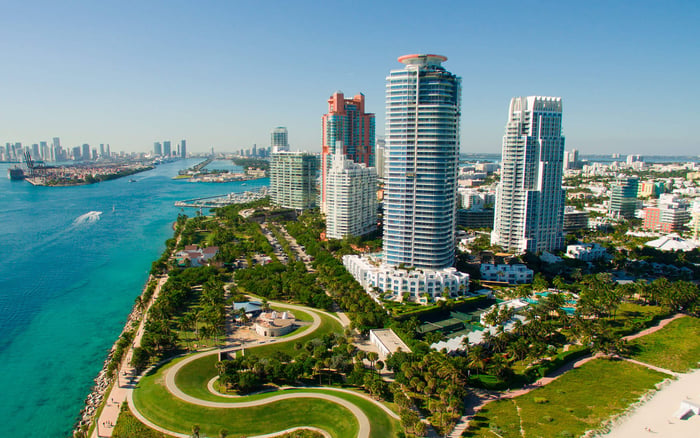
A buyer-focused comparison of Miami and Palm Beach for ultra-luxury residents weighing pace, privacy, architecture, social life, waterfront living, and long-term lifestyle fit.
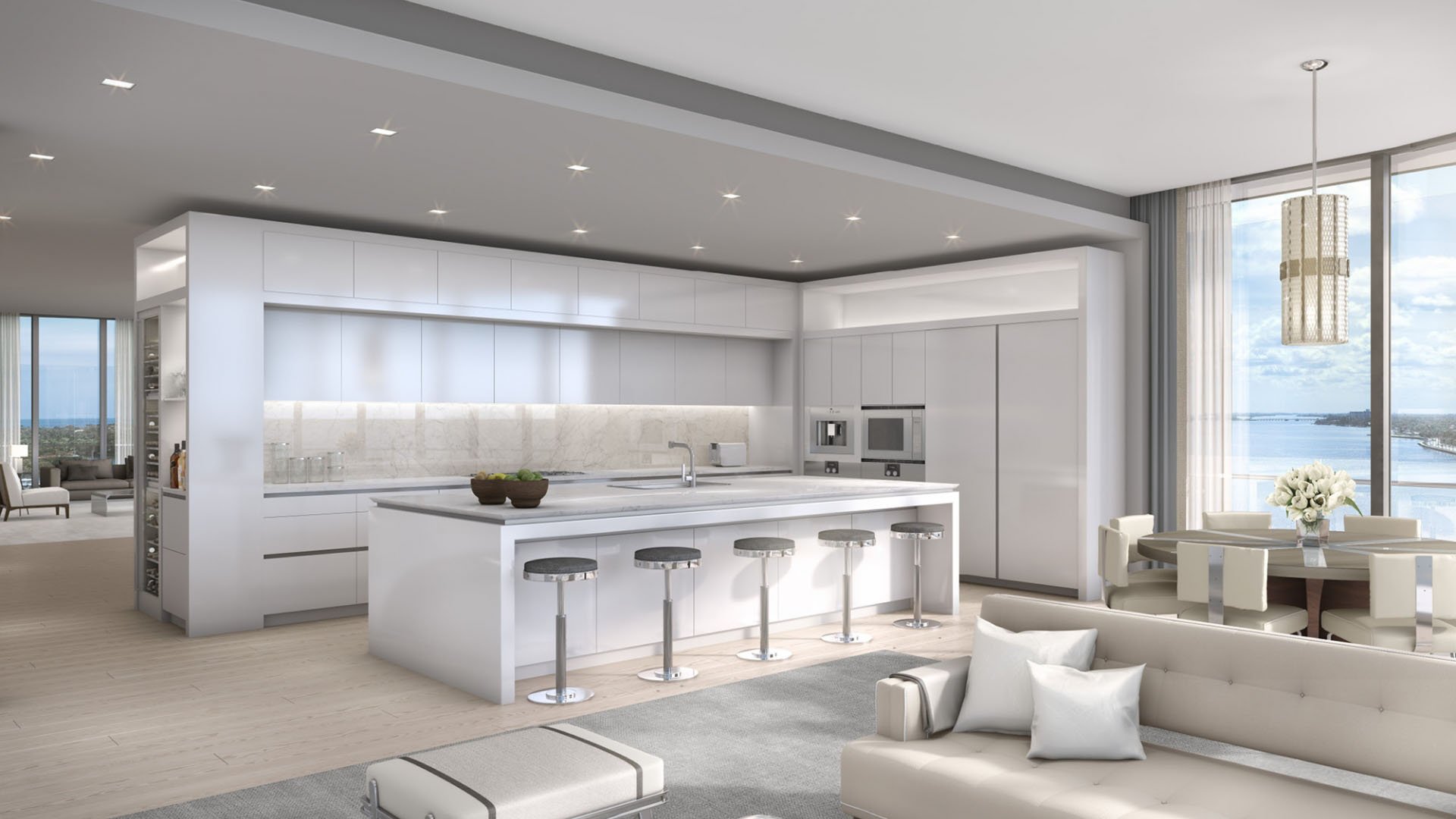
At the highest end of South Florida real estate, the question is rarely whether Miami or Palm Beach is better. Both can be exceptional. The more useful question is which environment feels most natural to the way you actually live.
Miami is kinetic, design-forward, social, and increasingly global in its daily texture. It suits buyers who want proximity to restaurants, private clubs, galleries, marinas, wellness concepts, and a skyline that changes by the season. Its luxury market is often expressed through waterfront towers, penthouses, branded residences, and modern single-family homes with strong architectural identities.
Palm Beach is more composed. Its appeal is measured in privacy, etiquette, gardens, club life, estate architecture, and a quieter daily cadence. It is less about standing in the center of visible momentum and more about belonging to a world where discretion is part of the value.
For many ultra-luxury buyers, this is not a simple city-versus-town comparison. It is a lifestyle calibration between energy and serenity, vertical living and estate living, spontaneous evenings and established routines.
Miami rewards those who like movement. The city offers a lifestyle where business, leisure, boating, culture, dining, and wellness can fit into a single day without feeling compartmentalized. For international buyers, founders, family offices, and collectors, that density of experience is part of the draw.
The strongest Miami lifestyle often begins with neighborhood selection. Brickell offers a polished urban base for buyers who want immediate access to offices, restaurants, private fitness, and waterfront living. Miami Beach adds a resort-like layer, where ocean proximity, design history, and a highly social rhythm become part of everyday life. Coconut Grove feels softer and more residential, with a canopy, marina culture, and a village atmosphere. Fisher Island is the more secluded Miami answer, appealing to those who want proximity to the city without fully participating in its pace.
In practical search terms, many buyers compare Miami Beach energy, Brickell convenience, Fisher Island privacy, oceanfront views, and the degree of service they want built into the residence itself. The Miami choice usually favors immediacy. You step downstairs, and the city is already in motion.
Palm Beach appeals to a different instinct. It is not trying to be Miami, and that is precisely its strength. The lifestyle is more private, more traditional, and more rooted in domestic ritual. Morning walks, club lunches, quiet dinners, garden-facing rooms, and estate-scale entertaining tend to matter more than access to the newest opening.
For buyers accustomed to legacy neighborhoods, Palm Beach offers a language of luxury that is less visible but deeply understood. Homes often carry value through setting, proportion, landscape, privacy, and a sense of permanence. Even when interiors are fully contemporary, the overall rhythm tends to remain restrained.
Palm Beach living is especially compelling for buyers who want their home to feel like a retreat rather than a platform. West Palm Beach may enter the conversation for those who want a broader daily ecosystem nearby, but the core Palm Beach decision is usually about quiet control, not urban density.
This is where buyers who entertain formally, prefer low-profile routines, or value separation between public life and private life often feel most at ease.
Miami and Palm Beach differ sharply in how they express space. Miami luxury is often vertical, glassy, highly serviced, and oriented toward views. The best residences can feel like private villas in the sky, with terraces, water exposure, arrival sequences, and amenities that simplify a sophisticated schedule.
That format works especially well for buyers who travel often, maintain multiple homes, or prefer a lock-and-leave lifestyle. A high-service condominium can absorb the friction of ownership, from security to maintenance to hospitality. The tradeoff is that privacy depends on building quality, staffing, circulation, and the culture of the address.
Palm Beach, by contrast, often makes its case horizontally. Land, gardens, setbacks, guest accommodations, and gracious interior sequences matter intensely. A Palm Beach home may be less about a dramatic skyline view and more about how light falls across a loggia, how guests arrive for dinner, or how a household moves through the day without interruption.
The right answer depends on how you define luxury. If luxury means service, convenience, and panoramic exposure, Miami has a natural advantage. If luxury means land, quiet, and a controlled private world, Palm Beach may feel more complete.
Miami is a city where social life can be highly visible. Dinners become introductions, art events become networking opportunities, and a waterfront address can place you inside a broader global circuit. This appeals to buyers who want their South Florida residence to connect them to people, capital, culture, and movement.
Palm Beach social life is not necessarily smaller, but it is more coded. Relationships tend to develop through recurring places, private invitations, clubs, philanthropy, and seasonal rituals. It can feel less open at first, but deeply comfortable once established.
The distinction matters for families as much as individuals. A buyer who wants teenagers or young adults to have a more urban, energetic environment may lean Miami. A household that prioritizes quiet streets, privacy, and traditional social structure may find Palm Beach more aligned.
Neither lifestyle is inherently superior. Miami opens doors quickly. Palm Beach rewards patience and fit.
Both markets offer a powerful relationship to water, but the experience differs. Miami’s waterfront often feels cinematic and active, with bay views, boat traffic, skyline reflections, and an ever-present sense of movement. For buyers who want their residence to feel connected to the pulse of the city, that activity can be a major advantage.
Palm Beach waterfront living is generally more serene in spirit. The water is part of the estate atmosphere, not necessarily a performance. The best daily moments may be private rather than spectacular: coffee outdoors, a quiet swim, an evening terrace, or the sense of distance from everything beyond the property line.
This distinction is crucial for second-home buyers. If the goal is stimulation, Miami offers more layers. If the goal is decompression, Palm Beach may deliver a more restorative version of luxury.
Ultra-luxury buyers often consider both lifestyle and optionality. Miami may appeal to those who want liquidity across multiple buyer profiles, especially where design, service, views, and neighborhood energy converge. It can be particularly attractive for buyers who see real estate as both a residence and a strategic asset within a global city.
Palm Beach often attracts a more patient ownership mindset. Buyers may be less focused on constant market comparison and more focused on obtaining the right property in the right setting. The emotional premium can be strong because the supply of truly aligned homes is highly personal.
For some, the optimal answer is not either-or. A Miami residence can serve as the social and business base, while a Palm Beach home becomes the retreat. Others will find that one address fully satisfies the need for South Florida living.
Begin with your week, not your wish list. Where do you want to wake up on a Monday? How often do you entertain? Do you prefer a staffed building or a private household infrastructure? Do you want restaurants within minutes, or do you want silence after the gates close?
Miami is the stronger fit if your ideal day includes meetings, dining, art, boating, fitness, and spontaneous plans. Palm Beach is the stronger fit if your ideal day includes privacy, tradition, landscape, and a sense of removal.
The most successful buyers do not chase the most obvious trophy. They choose the environment that will still feel right after the novelty fades. In that sense, Miami and Palm Beach are not competitors. They are two distinct answers to the same luxury question: how do you want your life to feel?
Is Miami or Palm Beach better for ultra-luxury buyers? Neither is universally better. Miami suits buyers seeking energy and access, while Palm Beach suits those prioritizing privacy and tradition.
Which market feels more private? Palm Beach generally offers a quieter, more residential atmosphere. Miami can also be private, especially in select enclaves and highly serviced residences.
Is Miami better for a lock-and-leave lifestyle? Miami often works well for lock-and-leave buyers because many luxury residences emphasize service, security, and convenience. The right building culture is essential.
Who should consider Palm Beach first? Buyers who value estate living, discretion, gardens, and a slower rhythm should begin with Palm Beach. It is especially compelling for those seeking retreat-like ownership.
Can Miami still feel residential and calm? Yes. Neighborhood choice is decisive, and areas with a more residential character can soften Miami’s intensity while preserving access to the city.
Is Palm Beach too quiet for younger buyers? It depends on lifestyle. Some younger buyers appreciate its privacy, while others may prefer Miami’s dining, wellness, nightlife, and cultural pace.
Which is better for waterfront condominium living? Miami generally offers a broader vertical luxury lifestyle with serviced waterfront residences. Palm Beach is often more associated with private homes and estate settings.
Should seasonal residents choose Miami or Palm Beach? Seasonal residents should choose based on how they spend their time. Miami favors activity, while Palm Beach favors restoration and routine.
Is West Palm Beach part of the Palm Beach decision? West Palm Beach can support the broader lifestyle with added dining, access, and services nearby. It is distinct from Palm Beach but relevant to daily convenience.
Can a buyer own in both Miami and Palm Beach? Yes, some buyers use Miami as an energetic base and Palm Beach as a private retreat. The combination can create a balanced South Florida lifestyle.
For a confidential assessment and a building-by-building shortlist, connect with MILLION.
If branded residences are on your mind — as a home or as an allocation — we would be glad to share what we are seeing, privately.
Begin a quiet conversation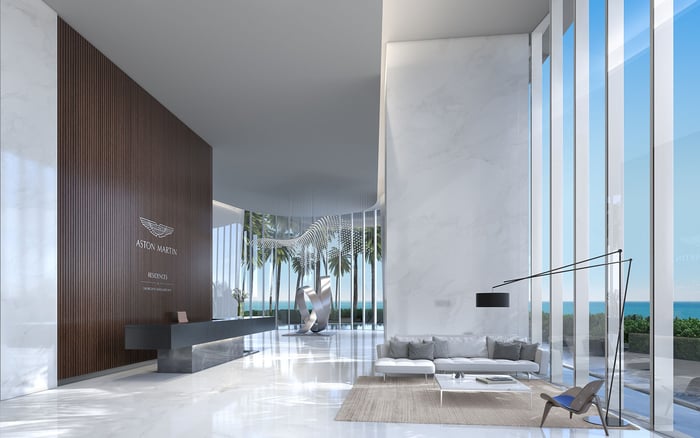
.jpg&width=700&height=438&fit=cover)