A discreet buyer’s guide to assessing art storage, display, security, climate control, insurance alignment, and access before purchasing in Grove Isle.

For collectors considering Grove Isle, art storage is not a decorative afterthought. It is a threshold question of stewardship. A residence may offer exceptional views, beautiful proportions, and refined service, yet still be unsuitable for works that require disciplined environmental control, secure handling, and thoughtful long-term planning.
The most sophisticated buyers bring art into the property brief from the beginning. Before a contract is fully shaped, the question is not simply where a painting will hang. It is whether the residence, building systems, staff protocols, and ownership documents support the way a collection actually lives. That includes works on canvas, photography, paper, sculpture, design objects, archives, and pieces that rotate between home, storage, and exhibition.
This is one of MILLION’s Buyer's Guides for clients who want beauty without fragility. In Coconut Grove and Grove Isle, the appeal is privacy, water, landscape, and proximity to cultural life. For a collector, the deeper test is whether the home can protect value quietly, day after day.
A common mistake is to evaluate art storage through the lens of display. A dramatic great room can be excellent for living and entertaining, yet inappropriate for sensitive works during long vacancies, renovation, or seasonal use. Buyers should distinguish three scenarios: works on view, works temporarily held on site, and works requiring dedicated long-term storage.
In a Grove Isle purchase, ask where each category would go. Large works may need clear turning radii, service elevator access, protective staging space, and routes that avoid tight corners or exposed exterior transitions. Smaller works may call for cabinetry or a secure room with stable environmental conditions. Photography and works on paper often require a different plan than bronze, ceramic, or outdoor sculpture.
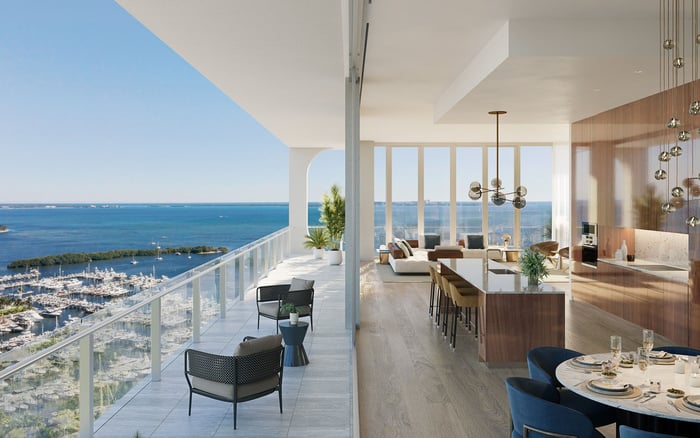
Residences such as Vita at Grove Isle should be evaluated not only for lifestyle fit, but also for how well the floor plan supports private receiving, discreet installation, and collection rotation. The best answer is rarely improvised after closing.
Collector-grade storage begins with documentation. Buyers should request written information on climate-control strategy, mechanical zoning, humidity management, filtration, backup systems, monitoring, and maintenance access. Verbal assurances are not enough when the asset is irreplaceable.
The goal is consistency. Art is vulnerable to abrupt changes, especially when a residence is used seasonally or when owners travel extensively. A home that is comfortable for people may still experience fluctuations that are undesirable for sensitive media. Buyers should ask whether a potential storage room has independent controls, whether readings can be monitored, and who responds if a system falls outside an agreed range.
Wall conditions also matter before installation. Sun exposure, adjacency to exterior glass, mechanical chases, plumbing lines, fireplaces, kitchens, and high-traffic corridors all affect placement. A collector’s walkthrough should include an art handler, conservator, or collection manager whenever the collection is meaningful enough to influence the purchase.
Security is more than a locked door. A serious art plan layers building access, residence access, internal room control, surveillance, inventory discipline, vendor protocol, and discretion. Buyers should ask how deliveries are scheduled, how third-party handlers are cleared, where crates can be staged, and whether staff are trained to avoid unnecessary exposure of collection details.
For high-value works, anonymity can be as important as technology. The fewer people who know where a work is stored, how it is moved, or when the owner is away, the stronger the risk posture. A building with polished service culture may still need customized collection procedures, especially during Art Basel season, when shipping, installation, lending, and entertaining calendars often intensify.
If a buyer is comparing Grove Isle with other Coconut Grove residences, projects such as Four Seasons Residences Coconut Grove can serve as a useful reminder that service, privacy, and residence planning should be considered together. The question is not which name sounds most luxurious. It is which environment gives the collection fewer points of failure.
In South Florida, a collection plan should include water-related questions without drama or complacency. Buyers should review where art would be stored in relation to lower levels, mechanical rooms, exterior openings, terraces, and service entries. Waterfront may be part of the romance of ownership, but it should also prompt practical conversations about water intrusion, storm preparation, and emergency movement.
Ask where crates could be kept, whether there is a plan for rapid deinstallation, and how vendors can access the residence during building restrictions or severe weather preparation. If the building relies on elevators for movement of large works, understand backup power and operating protocols. If a storage room is planned inside the residence, consider whether it should be elevated, interior, windowless, and separated from plumbing wherever possible.
The strongest ownership experience is calm because it is planned. An emergency protocol should identify decision makers, contact lists, preferred handlers, insurance contacts, and conservation resources. This can be organized before closing, then refined after installation.
Insurance review should happen before the purchase becomes emotionally irreversible. A buyer should ask whether the contemplated residence supports the insurer’s expectations for storage, display, alarms, transit, valuation updates, and vacancy periods. Coverage can depend on details that are easy to overlook, including where works are located, how they are installed, and who has access.
The art schedule, appraisal cadence, photographs, invoices, loan agreements, and condition reports should live in a secure digital and physical system. If a collection rotates between a Grove Isle residence, another home, and professional storage, the owner needs clarity on when each location is covered and under what conditions.
This is where a residence becomes part of a larger collection-management architecture. Buyers who also consider wellness-driven environments such as The Well Coconut Grove should still keep the art lens separate from lifestyle branding. Wellness for people and preservation for art are related, but they are not the same specification.
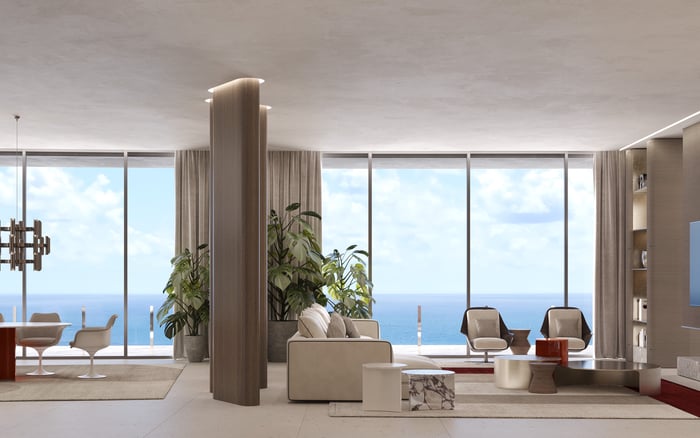
Design & Architecture matter profoundly for collectors. Ceiling height, wall length, natural light, artificial lighting, vibration, delivery paths, storage depth, and room adjacency can all affect whether a residence lives well with art. Even a beautiful home may require added shades, lighting controls, millwork, monitoring, or concealed storage.
Buyers should walk the residence with a scaled inventory. Which works require museum-style hanging? Which can tolerate brighter social spaces? Which require low light? Where can sculpture sit without interrupting circulation? Is there a secure location for empty crates, hardware, pedestals, tools, gloves, and archival materials?
In Coconut Grove, boutique projects such as The Lincoln Coconut Grove and Arbor Coconut Grove encourage buyers to think beyond square footage. The better question is how the architecture behaves when art, service, privacy, and daily life intersect.
Collector-grade due diligence can shape negotiations. If the residence needs specialized controls, additional monitoring, custom millwork, lighting upgrades, or professional storage off site, those costs belong in the buyer’s acquisition model. They may not change the emotional appeal of the home, but they can change the true cost of ownership.
Before waiving major contingencies, request documents, schedule specialist inspections, and confirm whether building rules allow the intended handling and installation process. Clarify permitted work hours, elevator reservations, insurance certificates for vendors, loading procedures, and any limits that could affect large-scale pieces.
The objective is not to turn a poetic purchase into a technical exercise. It is to protect the poetry. A Grove Isle residence should allow the collection to be enjoyed privately, installed gracefully, and preserved responsibly.
Should art storage be evaluated before making an offer? Yes. If the collection is meaningful, storage and installation needs should inform the offer, inspection plan, and closing timeline.
Is a beautiful residence automatically suitable for fine art? No. A residence can be visually exceptional while still needing upgrades for climate control, lighting, security, or handling.
Who should join the art-storage walkthrough? A collection manager, art handler, conservator, or insurance advisor can identify risks that a standard property tour may miss.
What is the most important question about climate control? Ask whether conditions can remain stable when the owner is away, during maintenance, and during seasonal changes in use.
Should works on paper be stored differently from sculpture? Often, yes. Different media can require different light, humidity, handling, and storage strategies.
How should buyers think about waterfront ownership and art? Enjoy the setting, but review water exposure, emergency movement, backup systems, and storage location with care.
Can an in-residence storage room replace professional storage? Sometimes, but only if the room, systems, security, and insurance requirements are properly evaluated.
Should insurance be reviewed before closing? Yes. Coverage expectations may affect where works can be stored, displayed, transported, or left during vacancy.
Do building rules matter for collectors? Very much. Elevator access, vendor approvals, work hours, and loading procedures can all affect art movement.
What is the best art-storage strategy for a Grove Isle buyer? The best plan is tailored to the collection, the residence, the owner’s travel patterns, and the building’s operating rules.
For a tailored shortlist and next-step guidance, connect with MILLION.
If branded residences are on your mind — as a home or as an allocation — we would be glad to share what we are seeing, privately.
Begin a quiet conversation