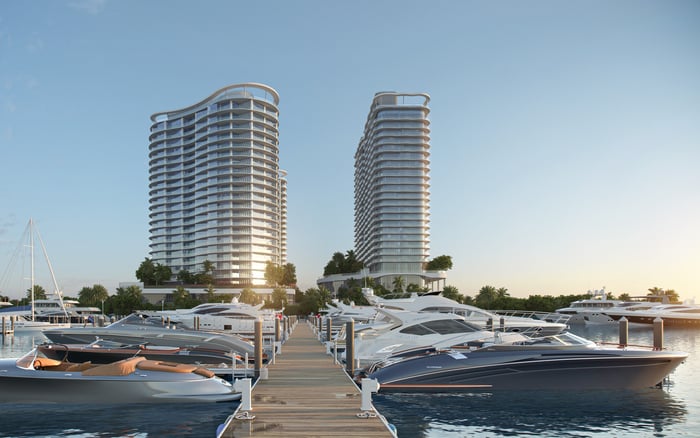
A practical luxury buyer guide to marina waitlists, boat-slip planning, neighborhood choice, and family boating logistics before committing to a South Florida waterfront home.
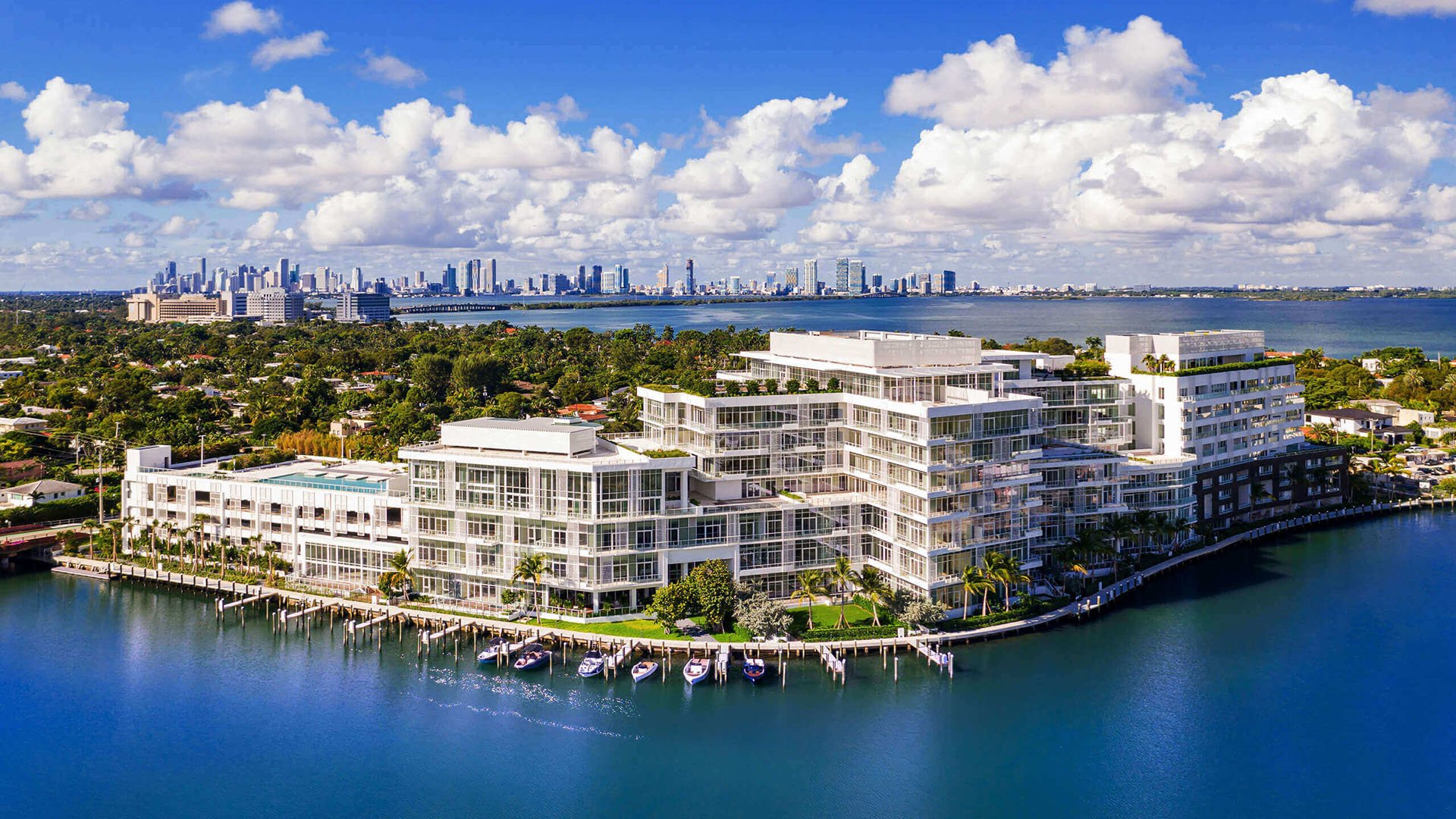
For young families buying in South Florida, the appeal of a waterfront address is immediate. A morning view across the Intracoastal, a quick lunch run by boat, a Saturday sandbar plan that begins at home: these are the details that make coastal living feel effortless. Yet for households with children, school calendars, sports schedules, nannies, grandparents, and visiting friends, boating rarely remains a spontaneous abstraction. It becomes a system.
That is why marina waitlists belong in the conversation before signing, not after closing. A residence may offer the right floor plan, the right school commute, and the right terrace, while still leaving the family boat in a location that complicates every outing. Marina access can influence departure times, crew coordination, storage decisions, weekend planning, and whether the boat is used often enough to justify its place in the family lifestyle.
The word “waterfront” can mean many things in South Florida. It may describe an expansive water view, a canal-front home, a bay-facing condominium, or proximity to a public or private marina. It does not automatically mean immediate boat accommodation. For buyers, that distinction matters.
A marina waitlist is not simply an administrative inconvenience. For a family, it can determine whether boating feels like a natural extension of home or a separate appointment requiring choreography. If the slip is not available when the home is ready, the household may need a temporary marina, a storage solution, or an entirely different boating routine.
This is especially relevant for families purchasing pre-construction or newly completed residences. The timeline for the home and the timeline for marine access may not align neatly. Buyers comparing urban waterfront living at Riva Residenze Fort Lauderdale, bayfront privacy near La Maré Bay Harbor Islands, or island-style living at Vita at Grove Isle should treat boat logistics as part of the same conversation as parking, pet policies, elevators, service access, and guest accommodations.
The practical boat-slip question is not only, “Is there one?” It is also, “When could one become available, what size vessel can it accommodate, what rules govern use, and what happens if our boating needs change?” The answer may affect whether the residence supports the family’s real habits.
Young families use boats differently from empty nesters or second-home owners. A couple without children may tolerate a longer drive to the marina if the boat is reserved for occasional weekends. A family with school-age children may need fast, predictable access because the usable window is narrow. Friday afternoon traffic, Saturday sports, birthday parties, early bedtimes, and weather all compress the schedule.
Before signing, families should map a typical month. Who will drive to the marina? Where will children sit while the boat is provisioned? Is there space for coolers, towels, strollers, fishing gear, paddleboards, and visiting cousins? Can grandparents board comfortably? If the boat is at a separate marina, is valet parking reliable enough for a quick departure? These questions may seem operational, but they are central to whether the waterfront dream is lived or merely admired.
The strongest purchase decisions begin with the family’s actual rhythm. A household that wants sunset cruises after school may need a different marina solution than a family focused on offshore fishing, beach picnics, or occasional entertaining. Vessel size, bridge clearance, storage preference, and service access should be addressed before a contract becomes binding.
South Florida’s boating geography is highly nuanced. Miami Beach offers glamour, dining access, and proximity to open water, but families still need to evaluate how a particular residence connects to the water in daily practice. Buyers considering refined coastal living at The Perigon Miami Beach may love the beach lifestyle, while still needing a separate plan for where the family boat will live.
Fort Lauderdale has long been associated with boating culture, yet even there, a family should not assume that every attractive waterfront residence solves slip access automatically. The same is true farther north. In Boca Raton, buyers comparing lifestyle, schools, clubs, and coastal proximity around The Residences at Mandarin Oriental Boca Raton should evaluate whether boating will be a frequent family activity or an occasional luxury.
There is no single correct answer. Some families prefer the simplicity of a residence with a strong water view and a separate marina membership. Others want the boat as close to home as possible. Some would rather keep a smaller vessel nearby and charter larger boats when needed. The key is to decide intentionally, rather than discover the constraint after closing.
A polished sales presentation may show the water beautifully, but buyers should ask practical questions in writing. Is marina access included, optional, separate, or unavailable? If slips exist, are they deeded, assigned, leased, licensed, or subject to association rules? Are there length, beam, draft, power, insurance, liveaboard, guest, or commercial-use restrictions? Can a slip be transferred with a resale? Are there separate fees, deposits, or approval requirements?
Families should also ask about the waitlist structure. Is priority tied to ownership, contract date, residence size, association membership, or another policy? Can the buyer join before closing? What happens if the family changes boats? How are cancellations handled? Is temporary dockage permitted for guests or deliveries? These details are not as photogenic as a sunset terrace, but they shape the ownership experience.
The most important discipline is to avoid assumptions. Waterfront property, water views, marina adjacency, and a usable boat slip are related concepts, not identical ones. A careful buyer separates them before negotiating.
The smartest boating families plan for change. Children grow. Boats get larger or smaller. A fishing phase may become a cruising phase. A family that begins with casual weekend outings may later want a more serious vessel, or may decide that club access and occasional charters are better than ownership.
Optionality can be protected in several ways. A buyer can prioritize residences near multiple marine options, negotiate timing around marina availability, verify association rules before signing, and avoid purchasing a boat that exceeds likely local constraints. Families can also consider whether the home itself provides enough lifestyle value if the boat is temporarily stored elsewhere.
In the luxury market, the most elegant decisions are rarely the loudest. They are the ones that remove friction. For a young family, understanding marina waitlists is a way to protect time, reduce surprises, and make the waterfront lifestyle feel as graceful in practice as it appears in the listing photos.
Should young families ask about marina waitlists before making an offer? Yes. Marina access should be reviewed before signing because it can affect how easily the family uses the boat.
Does a waterfront residence always include a boat slip? No. Waterfront, water view, marina proximity, and actual slip rights are separate issues that should be confirmed.
What is the most important marina question for families? Ask when usable access may be available and whether the slip can accommodate the boat the family owns or expects to own.
Can a marina waitlist affect daily life? Yes. It can influence weekend planning, school-week timing, storage, service appointments, and guest logistics.
Should buyers verify marina rules in writing? Yes. Rules on vessel size, fees, transfers, insurance, and approvals should be reviewed before a contract is final.
Is it better to buy the home first and solve boating later? That can work for some families, but only if they are comfortable with temporary alternatives and possible delays.
Do Miami Beach buyers need a separate boating plan? Often, yes. A Miami Beach lifestyle can be highly compelling while still requiring separate marina planning.
Why does Fort Lauderdale remain important for boating families? Fort Lauderdale is a major boating lifestyle market, but each residence still requires its own slip and access review.
What should Boca Raton families consider? Boca Raton buyers should weigh schools, clubs, commute patterns, and how often boating will realistically fit the schedule.
How can a buyer preserve flexibility? Choose a residence and location that remain desirable even if the family’s boat size, usage, or marina access changes.
If you'd like a private walkthrough and a curated shortlist, connect with MILLION.
If branded residences are on your mind — as a home or as an allocation — we would be glad to share what we are seeing, privately.
Begin a quiet conversation