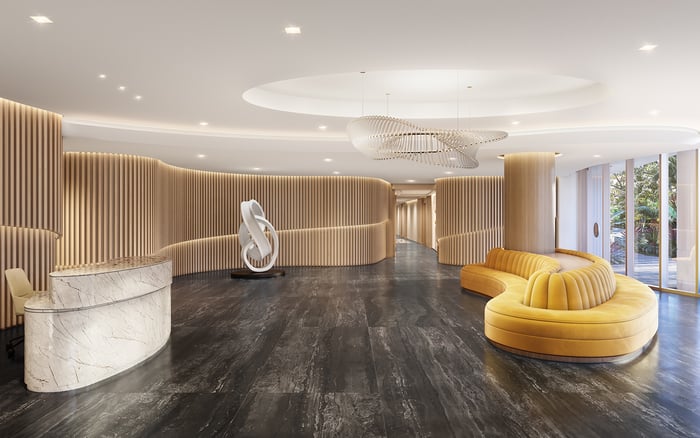
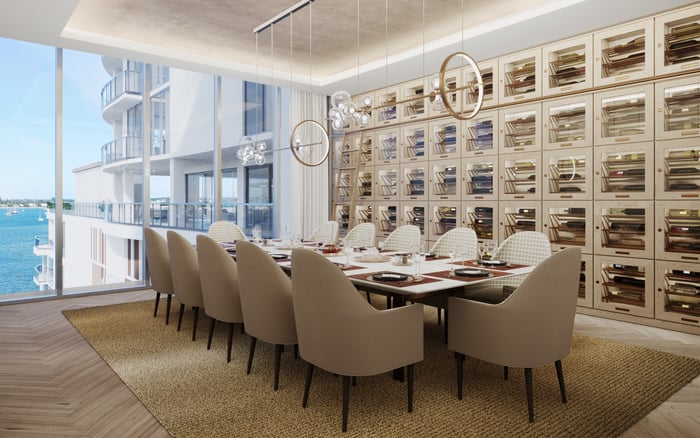
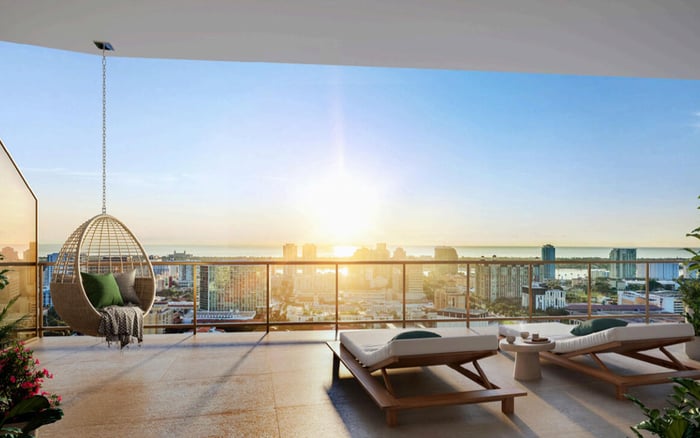
Alba West Palm Beach reflects a quieter definition of waterfront luxury, where boutique scale, service culture, and residential privacy shape the daily experience as much as design or views.
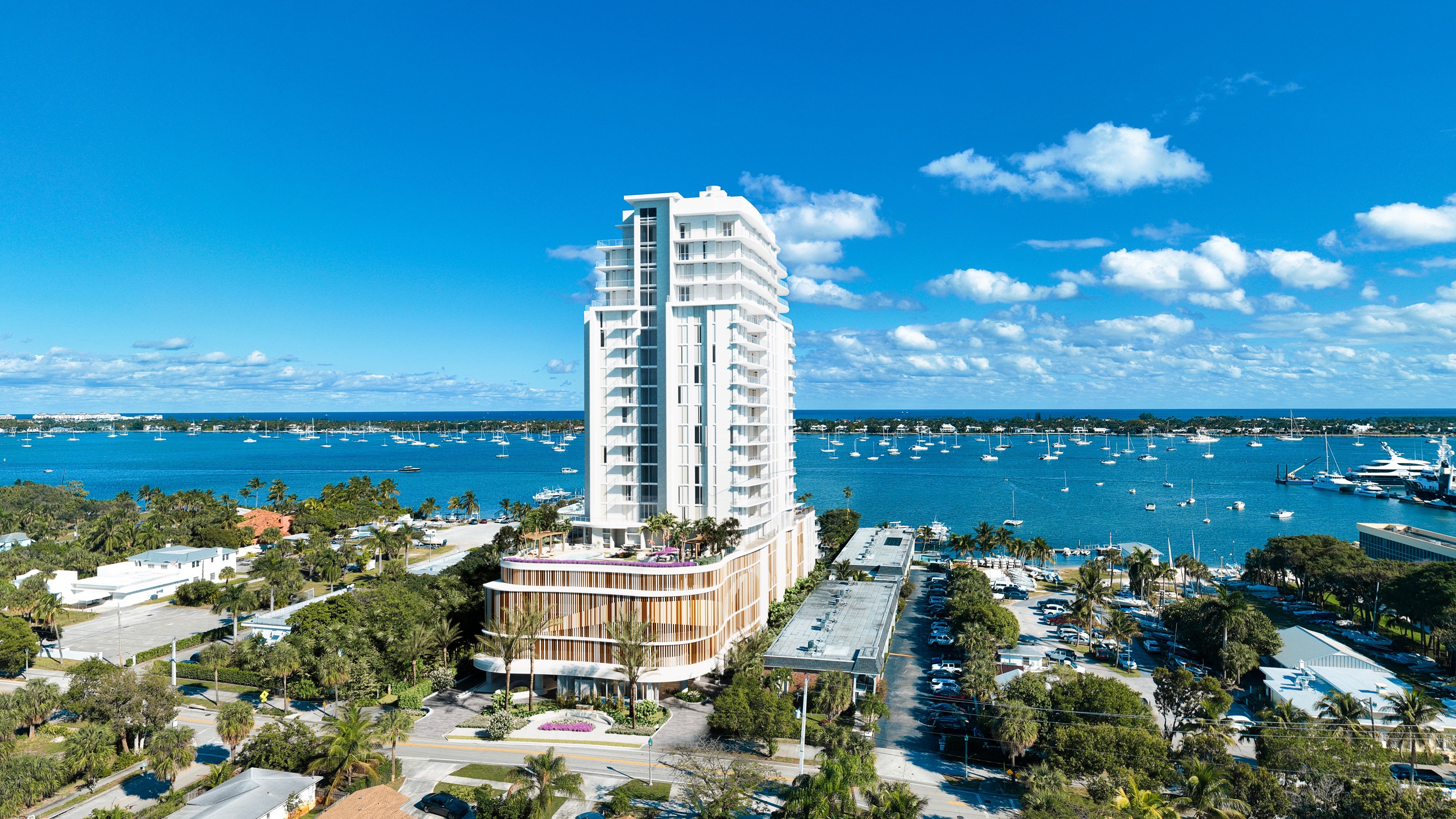
In South Florida’s upper tier, the luxury condominium conversation has matured. Buyers still weigh architecture, outlooks, finishes, and location, but the most discerning clients now ask a more intimate question: what will it feel like to live here on an ordinary Tuesday?
That is where Alba West Palm Beach becomes especially relevant. Positioned as a boutique waterfront condominium development on the Intracoastal in West Palm Beach, Alba is not defined by the spectacle of a large, high-traffic tower. Its appeal rests on a more controlled equation: design-forward residences, lower-density living, service culture, and residential privacy.
For affluent buyers, particularly those with multiple homes, that distinction matters. A residence may be used seasonally, intermittently, or as part of a broader lifestyle portfolio. In that context, privacy, predictability, and ease of arrival can become as important as square footage. The value proposition is not simply what the building offers, but how many people share it, how the staff understands residents, and how calm the daily rhythm feels once the front door closes.
Boutique scale is often framed as a design preference, but at Alba it functions as a lifestyle strategy. A smaller, more controlled residential environment can make common areas, lobbies, and amenity spaces feel more intimate. Instead of the anonymity and constant movement of a large resort-style condominium, the experience is designed to feel residential, composed, and easy to navigate.
That matters from the moment a buyer imagines returning home. The arrival sequence in a luxury building is not only about valet, lobby materials, or visual drama. It is about recognition, discretion, circulation, and whether the transition from public life to private residence feels seamless. Controlled size supports a setting where residents can more easily recognize staff and neighbors, reducing the friction that often comes with larger buildings and broader guest traffic.
This is not to suggest that larger towers lack appeal. Many buyers want a wide amenity roster and a more social resort atmosphere. Alba speaks to a different profile: the owner who values quiet service, fewer daily intersections, and a building that feels like an extension of private life rather than a destination venue.
The phrase branded service can be misunderstood. In the context of Alba, it is best read not as theatrical hospitality, but as an operating promise. It suggests staffing standards, resident-facing touchpoints, and the kind of day-to-day convenience that makes a residence feel managed without feeling busy.
For high-net-worth owners, service quality is measured in consistency. The question is whether the building anticipates needs without intruding, whether access feels controlled without feeling rigid, and whether the staff culture supports a predictable residential experience. The most valuable service is often the least visible: a smooth arrival, an efficient handoff, a quiet lobby, a familiar face, a simple solution handled before it becomes a request.
This is where Alba’s privacy and service ideas overlap. Service becomes more personal when the building is not overextended. Amenities become more usable when resident and guest volume is limited. The result is a different form of luxury, one less dependent on an exhaustive amenity inventory and more dependent on how well the building works every day.
Residential privacy is not a single feature. It is an ecosystem. At Alba, the privacy proposition is tied to density, access control, circulation patterns, visual seclusion, acoustic comfort, and building policies. A buyer evaluating the property should look beyond the residence itself and consider the full sequence of living: arrival, lobby, elevator movement, amenity use, guest access, and the degree to which daily life feels protected from unnecessary exposure.
This is especially relevant in West Palm Beach, where the lifestyle is both urban and Palm Beach-adjacent. The waterfront setting gives residents a sense of retreat, while the city offers access to culture, dining, business, and island proximity. The strongest luxury homes in this market do not force buyers to choose between seclusion and access. They manage the boundary between the two.
For buyers using market shorthand, Alba sits firmly in the West Palm Beach conversation while also speaking to boutique, waterview, second-home, and new-construction priorities. Those labels are useful, but they do not fully capture the point. The more important question is whether the building’s privacy architecture supports the way an owner actually lives.
West Palm Beach has become more sophisticated in the way it presents residential luxury. Buyers may compare Alba with other service-oriented addresses, including The Ritz-Carlton Residences® West Palm Beach and Mr. C Residences West Palm Beach, when weighing the role of hospitality, identity, and urban convenience.
The meaningful comparison is not simply which building has more amenities. It is which environment aligns with the buyer’s preferred level of social energy. A larger service-forward property may appeal to someone who wants a more animated lifestyle. Alba’s case is more intimate: fewer people sharing the experience, a calmer rhythm, and a privacy proposition that shapes how the amenities are actually enjoyed.
Other Flagler Drive and West Palm Beach options, such as Forté on Flagler West Palm Beach, may also enter the conversation for buyers focused on waterfront positioning and residential stature. Alba’s distinction is its emphasis on controlled scale as a direct contributor to daily comfort.
The right buyer for Alba is likely someone who values experiential quality over visible excess. This buyer may care deeply about views and interior design, but not at the expense of privacy, circulation, and calm. They may want amenities, but not amenities that feel crowded. They may appreciate service, but they prefer discretion over performance.
A thoughtful evaluation should begin with lifestyle fit. How often will the home be occupied? Will it function as a primary residence, a seasonal base, or part of a multi-residence lifestyle? How important is staff recognition? How sensitive is the buyer to guest traffic, acoustic comfort, and the feel of shared spaces? These questions often reveal more than a simple comparison of floor plans.
Capital preservation is also part of the discussion, though it should be understood carefully. In luxury real estate, long-term satisfaction often supports ownership confidence. A residence that remains easy to use, emotionally comfortable, and aligned with the owner’s privacy needs can become more than an asset. It becomes the place a buyer actually wants to return to.
Alba’s buyer experience is shaped by the interaction of service and privacy rather than by amenities alone. That is an important distinction in a market where luxury is often measured by abundance. More spaces, more programming, and more social energy can be compelling, but they can also create friction for buyers who prize control.
The quiet luxury thesis is not about having less. It is about having enough, managed well, within a setting that protects the resident’s sense of ease. In that regard, Alba reflects a broader shift in South Florida’s ultra-premium market: the best buildings are increasingly judged by atmosphere, discretion, and operational intelligence.
For the buyer who wants waterfront West Palm Beach access without the feeling of living inside a high-traffic resort, Alba offers a clear proposition. It is not trying to be everything to everyone. Its strength is more focused: an intimate residential environment where service supports privacy, and privacy elevates the entire ownership experience.
What is Alba West Palm Beach? Alba West Palm Beach is a boutique waterfront condominium development on the Intracoastal in West Palm Beach.
What makes Alba different from a larger resort-style tower? Alba is positioned around low-density living, with a quieter residential experience and less emphasis on high-traffic shared spaces.
How should buyers understand branded service at Alba? Branded service is best understood as staffing consistency, resident-facing convenience, and a smoother daily living experience.
Why is privacy central to Alba’s appeal? Privacy at Alba is tied to density, access control, circulation, visual seclusion, acoustic comfort, and building policies.
Is Alba suited for second-home owners? Yes, its quiet and predictable environment may appeal to high-net-worth buyers who maintain multiple residences.
Does boutique scale affect amenity use? Boutique scale can make amenity areas feel more intimate by limiting the number of residents and guests using them.
Is Alba mainly about views and square footage? No, its appeal extends beyond views and floor plans to service culture, privacy, and daily residential ease.
How does Alba fit within West Palm Beach luxury living? It offers waterfront seclusion while preserving access to the city’s urban, cultural, and Palm Beach-adjacent lifestyle.
What type of buyer is most aligned with Alba? Alba suits buyers who prefer discretion, controlled scale, service consistency, and a calm home environment.
What should buyers evaluate before purchasing at Alba? Buyers should consider lifestyle fit, privacy expectations, service preferences, and long-term comfort.
For a tailored shortlist and next-step guidance, connect with MILLION.
If branded residences are on your mind — as a home or as an allocation — we would be glad to share what we are seeing, privately.
Begin a quiet conversation