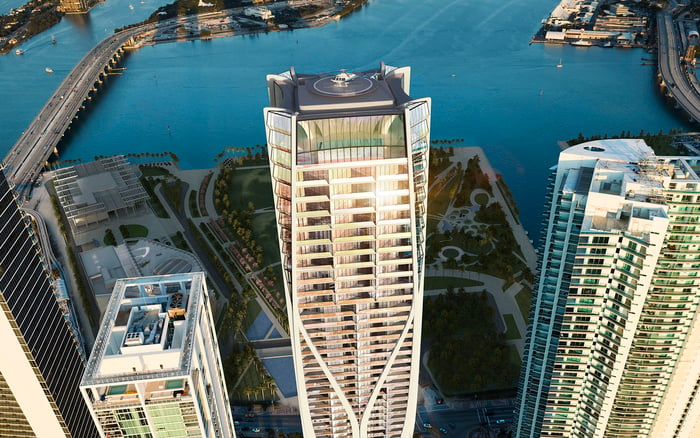
For an absentee owner, storm readiness is both a property question and a service question. At Rivage Bal Harbour, buyers should verify the building envelope, emergency access, backup power, insurance responsibilities and written management protocols before closing.
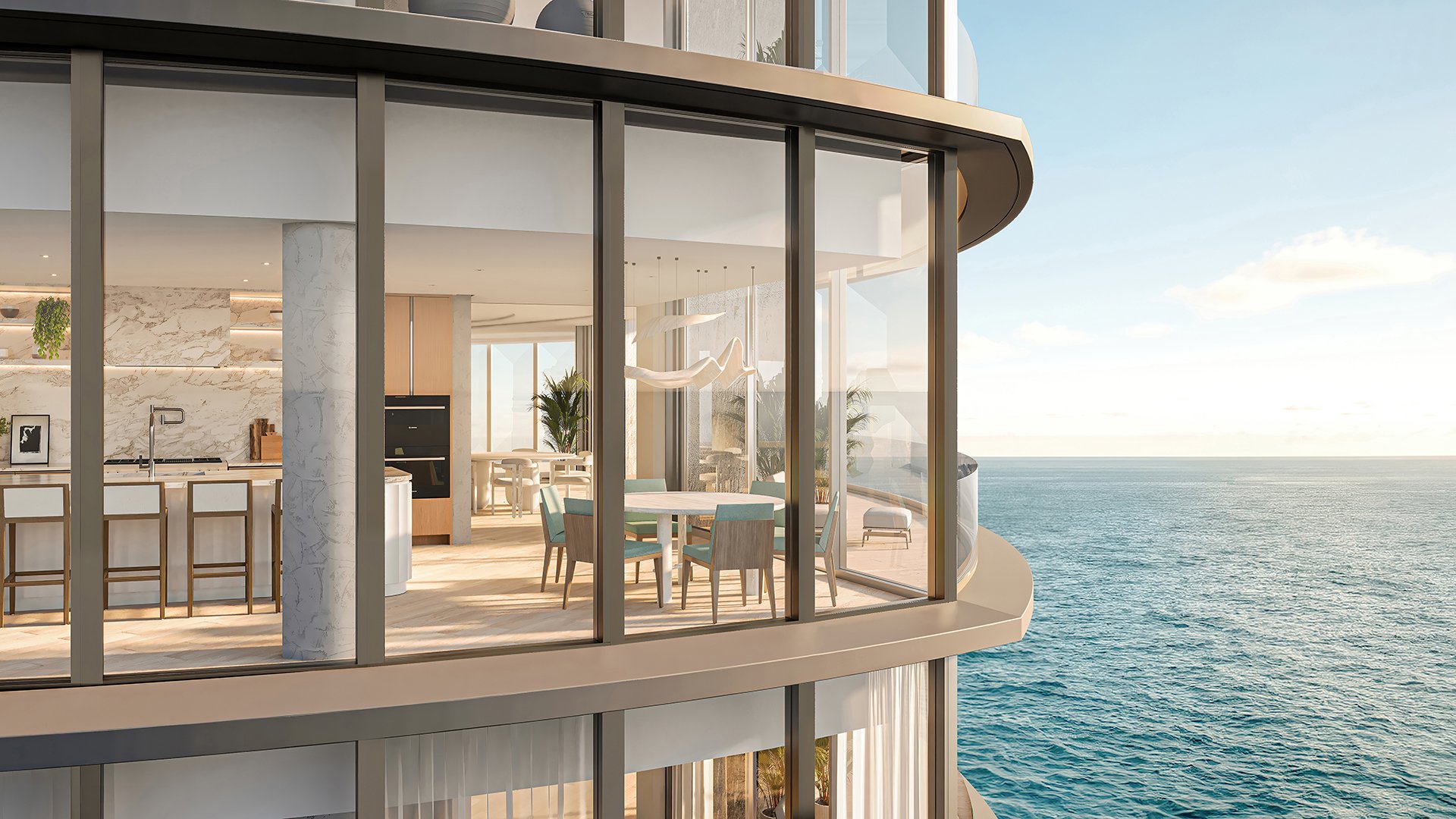
Buyers considering Rivage Bal Harbour should make storm-season planning part of their pre-closing diligence. Wind exposure, possible water intrusion, flood conditions and salt exposure are among the issues worth addressing when evaluating an oceanfront South Florida residence.
For a second-home buyer, the central question is not simply how a building is designed, but how the residence will be protected when its owner is elsewhere. A credible lock-and-leave plan pairs property documentation with clearly assigned operational duties. The practical approach is straightforward: confirm the safeguards that apply, then establish exactly who acts, when and under what authority.
Begin by asking for the project's applicable wind-load, impact-glazing and flood-elevation documentation. Presentation materials are no substitute for underlying specifications, testing records and executed condominium documents. Counsel and the buyer's technical advisers can help identify which records apply to the residence, exterior walls, glazing assemblies and common areas.
Ask which impact-resistance standards apply, how exterior glazing is inspected and what post-storm checks are contemplated. The same inquiry should cover seals, frames and the protocol for investigating suspected leaks. Coastal exposure also makes recurring inspection and maintenance of exterior components relevant.
The objective is not a general assurance. It is a closing file that identifies the applicable documents, responsible parties and procedures following a significant weather event.
If the residence has outdoor furnishings, determine who secures or removes them before a storm. The obligation may belong to the owner, building staff or a separately retained residence manager, depending on the governing documents and service arrangements. If assistance is offered, confirm its scope, scheduling, storage arrangements and any required owner authorization.
The written plan should also allocate responsibility for water shutoffs, vehicle relocation and the first post-storm unit inspection. An absentee owner should know whether these are standard services, optional arrangements or personal obligations. Informal expectations cannot replace provisions in governing documents, management protocols or a separate service agreement.
Management's ability to enter a vacant home should be resolved before closing. Ask whether the building is authorized to enter for pre-storm preparation, emergency mitigation or post-event inspection, and what notice or consent is required. Owners should also understand how keys, access credentials and alarm instructions are handled.
Monitoring deserves equal scrutiny. Confirm whether staff check vacant residences for water intrusion, indoor humidity or HVAC interruption, and whether those checks are routine, event-driven or unavailable. If the building does not provide them, the owner can consider an independent residence-management protocol rather than leave the issue undefined.
An effective written procedure identifies the inspection trigger, who performs the visit, what is photographed, how urgent conditions are escalated and how the owner receives the findings.
Buyers should ask which functions receive standby power, including elevators, pumps and access controls, as well as any systems supporting refrigeration or in-unit climate control. The presence of backup power should not be taken to mean that every desired function is covered.
Request a plain-language explanation of operating priorities during an outage. How will residents or representatives reach the unit? Which pumps and access systems remain available? Can in-unit HVAC continue, or must an owner make separate arrangements? The controlling project and association documents should confirm the answers.
Recovery sequencing matters as much as initial readiness. Clarify how management prioritizes life-safety functions, building access, water management, amenity reopening and unit-level inspections after an event.
Association coverage and unit-owner coverage should be reviewed together. Before treating the residence as fully lock-and-leave, examine association insurance, the owner's coverage obligations, applicable deductibles and potential loss-assessment exposure. The review should distinguish common elements from items that are the unit owner's responsibility.
A buyer's insurance adviser and counsel can assess whether the contemplated policy aligns with the condominium documents and intended pattern of occupancy. Vacant periods, interior improvements, contents, temporary mitigation and assessment risk all warrant direct questions. The objective is a coordinated coverage structure, not two policies considered in isolation.
The same discipline applies when evaluating nearby alternatives such as Oceana Bal Harbour or extending a search south to The Delmore Surfside. Buyers also considering The Ritz-Carlton Residences® Sunny Isles can use one consistent questionnaire for every finalist.
The comparison should focus on written scope, not assumed service. Ask each building about envelope documentation, emergency entry, terrace duties, vacant-home monitoring, standby power, owner communications and recovery inspections. A residence may satisfy the design brief, but the quality of its documented operating plan determines whether it meets an absentee owner's needs.
The final deliverable should be a concise, usable storm file. Include the applicable building documents, insurance contacts, management contacts, access authorizations and the names of any private residence managers. Record who handles outdoor furnishings, shutoffs, vehicles and post-storm inspections.
The communication plan should specify how absent owners receive updates before, during and after an emergency. It should also identify an alternate contact if the owner is unreachable. Written responsibilities turn lock-and-leave from a lifestyle promise into an operating arrangement that can be understood and acted upon.
What structural records should a Rivage buyer request? Request the applicable wind-load, impact-glazing and flood-elevation documentation, then have the appropriate advisers review it.
Why does exterior glazing require particular attention? Buyers should verify applicable impact-resistance standards, inspection procedures and post-storm leak-check protocols.
Who should secure terrace furniture before a storm? The owner should confirm in writing whether this is an owner duty, a management service or a task for a private residence manager.
Can management enter an unoccupied residence? Buyers should verify the scope of management's authority for preparation, emergency mitigation and post-storm inspection, including consent requirements.
What vacant-unit conditions should be monitored? Ask whether anyone monitors water intrusion, indoor humidity and HVAC operation, and how problems are documented and reported.
Which systems may need standby power? Questions should cover elevators, pumps, access controls, refrigeration and in-unit climate control without assuming every system is connected.
What should the post-storm inspection include? The protocol should identify who enters, which areas are checked, whether photographs are taken and how urgent findings are escalated.
How should absent owners receive storm updates? A written plan should define communications before, during and after an event, together with primary and alternate contacts.
What insurance issues deserve review before closing? Examine association coverage, unit-owner obligations, deductibles and possible loss-assessment exposure with qualified advisers.
What makes a residence genuinely lock-and-leave? Property safeguards should be paired with documented access, monitoring, preparation, communication and recovery responsibilities.
For a discreet conversation and a curated building-by-building shortlist, connect with MILLION.
If branded residences are on your mind — as a home or as an allocation — we would be glad to share what we are seeing, privately.
Begin a quiet conversation