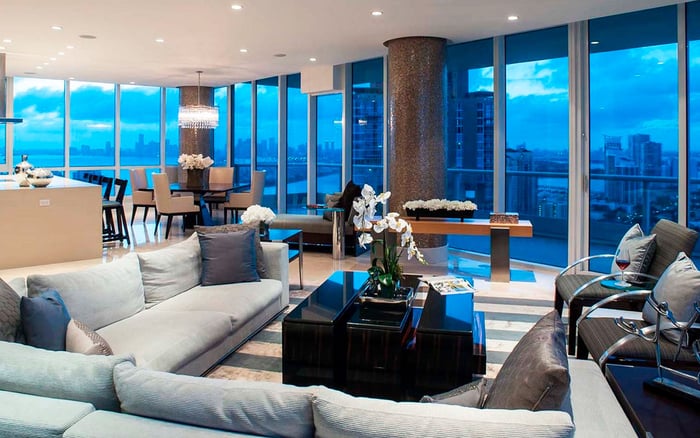
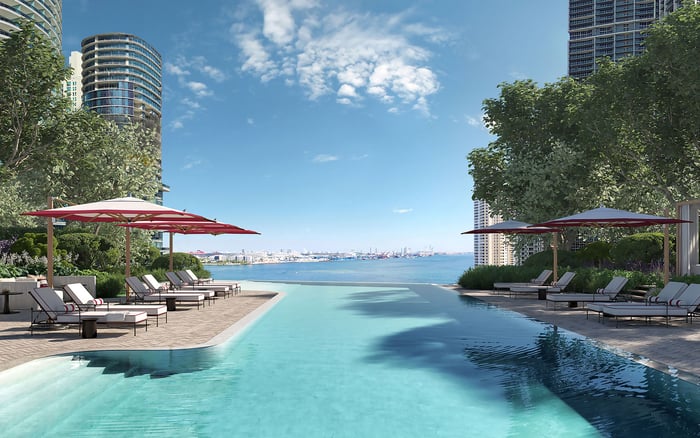
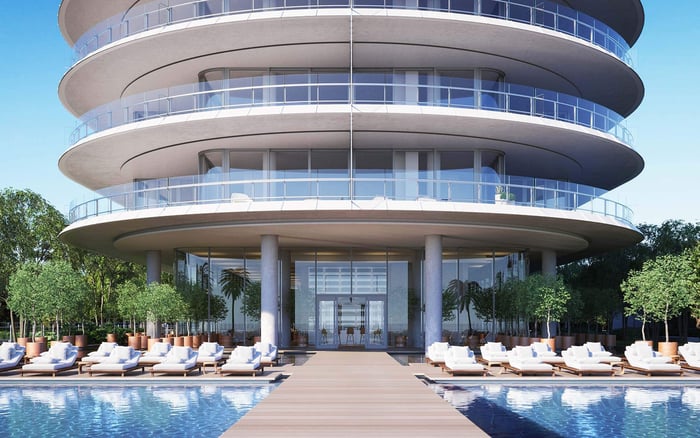
For buyers establishing Florida domicile in South Florida, the best purchase is rarely a simple choice between a global name and a beloved local neighborhood. The sharper lens is permanence: which address supports daily routines, social belonging, service expectations, privacy, and long-term confidence.
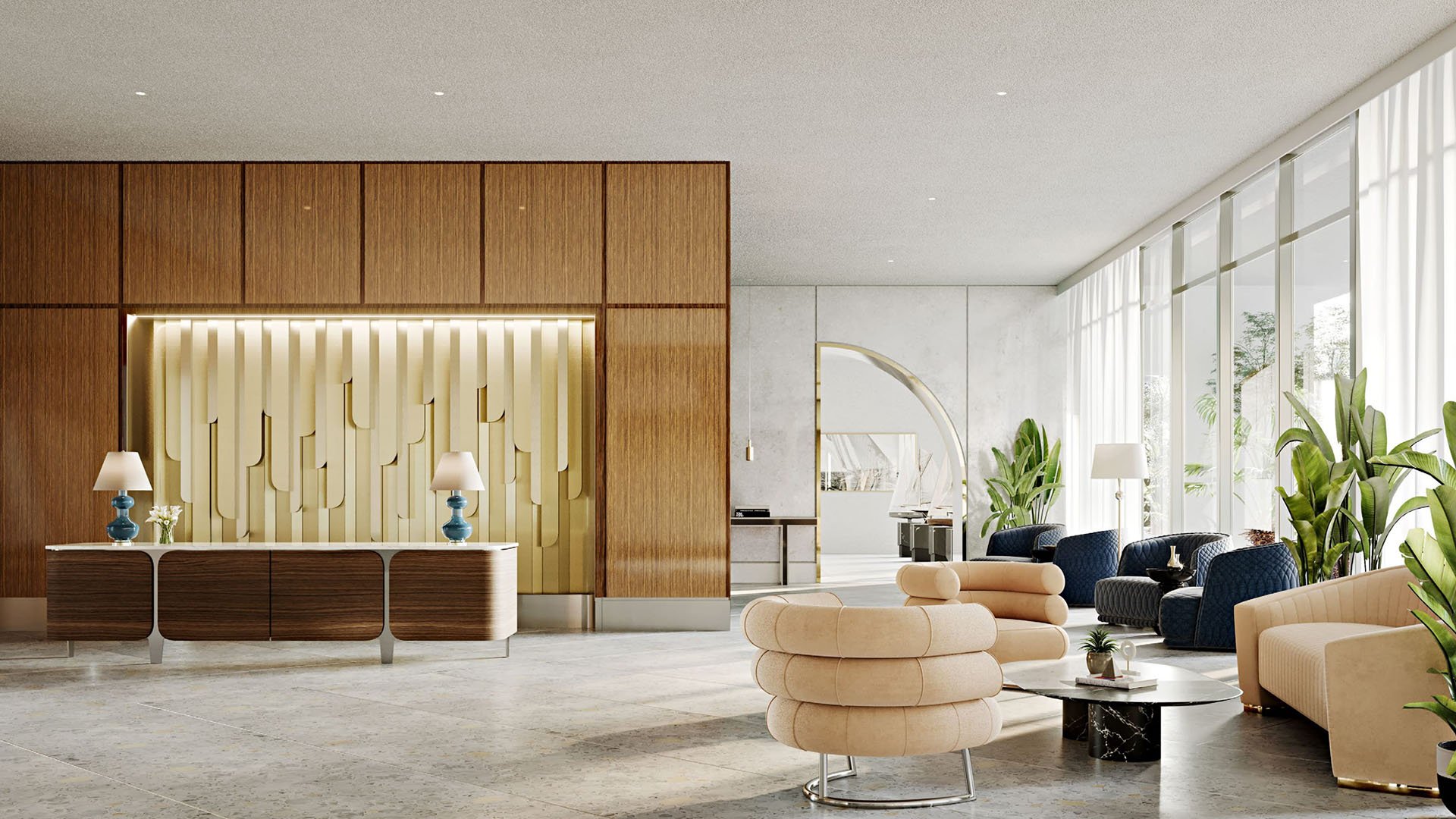
For a second-home buyer, global brand cachet can be enough. A celebrated name, a familiar service language, a polished arrival, and a recognizable hospitality standard all carry weight. For a buyer planning Florida domicile, however, the question becomes more intimate: can this place support a full life?
That distinction changes the purchase conversation. The buyer is not only comparing finishes, views, wellness suites, and private dining rooms. The buyer is testing whether the address can absorb weekday routines, visiting family, school calendars, fitness rituals, medical appointments, airport habits, entertaining patterns, and the quieter need to feel socially at home.
This is where the tension between Branded Residences and neighborhood authenticity becomes useful. One is not necessarily better than the other. The strongest South Florida choices often combine both, with the brand creating confidence and the neighborhood creating belonging.
Brand cachet is not merely a logo on the porte cochere. At the high end, it can signal a point of view: how staff should anticipate needs, how public spaces should feel, how privacy should be protected, how design should age, and how service should be choreographed.
For globally mobile buyers, that familiarity matters. If a family is moving assets, routines, and identity into a new jurisdiction, a trusted residential brand can reduce ambiguity. The building feels legible before the first season of ownership has even passed.
Brickell illustrates the appeal. It offers a vertical, international version of Miami life, where restaurants, private clubs, offices, and waterfront promenades can sit within a compact routine. A residence such as 888 Brickell by Dolce & Gabbana speaks to buyers who want the address to project design conviction and cosmopolitan identity from day one.
Yet cachet should be evaluated carefully. A brand may help with recognition, but it does not automatically answer how the owner will live on a Tuesday morning, how long the drive feels after dinner, or whether the lobby culture suits the household. Domicile buyers should treat brand prestige as an opening argument, not the verdict.
Neighborhood authenticity is harder to brochure because it is lived rather than staged. It shows up in the morning walk, the school drop-off, the marina routine, the local café where staff remember preferences, the canopy of old trees, or the quiet confidence of a place that does not need to announce itself.
Coconut Grove is a useful example because its value is not only architectural or waterfront-driven. Its appeal comes from scale, shade, history, and a sense of village life within Miami. For a buyer who wants Florida domicile to feel rooted rather than transactional, Four Seasons Residences Coconut Grove offers a way to consider recognized service in a neighborhood whose character is already deeply established.
Miami Beach answers a different emotional brief. It is more performative, more coastal, more connected to design, dining, art, and oceanfront rhythm. For some buyers, that energy is the point of domicile. For others, it may be better as a weekend address than a primary base. The question is not whether Miami Beach is desirable. The question is whether its tempo matches the owner’s actual life.
That is why neighborhood diligence should be experiential. Buyers should visit at different times of day, test commutes, walk the blocks they expect to use, and imagine both high season and ordinary season. The right address should feel compelling even when no one is entertaining.
Ultra-prime buyers often have the ability to choose any major South Florida submarket, which can make the decision more philosophical. A buyer coming from a dense global city may find Brickell intuitive. A family seeking privacy, schools, and a more residential rhythm may focus elsewhere. A design-driven coastal buyer may be drawn to Miami Beach. A buyer prioritizing club life, polished calm, and a more understated register may find Boca Raton persuasive.
Boca Raton deserves attention in this conversation because authenticity there is often expressed through ease, composure, and a mature residential fabric. It is not trying to be Miami, and that can be its luxury. Alina Residences Boca Raton fits buyers who want condominium living within a city that supports a refined, less frenetic version of daily life.
The more sophisticated question is not “brand or neighborhood?” It is “which combination reinforces the identity we are actually trying to build in South Florida?” A residence can be globally legible and locally grounded. It can offer a recognizable service standard without feeling detached from place.
Brand should lead when the buyer wants consistency, service infrastructure, and an instantly understood design or hospitality language. This is especially relevant for owners who travel often, host extensively, or want a residential environment that feels managed, secure, and predictable.
Brand can also help when multiple family members need to agree. A known name can create shared confidence across generations, especially when some decision-makers are not yet deeply familiar with South Florida’s micro-markets. In that sense, cachet is not superficial. It can be a tool for consensus.
Still, buyers should ask specific lifestyle questions. Does the brand’s social tone feel discreet or theatrical? Are the amenities likely to be used or merely admired? Does the building culture encourage privacy, visibility, wellness, dining, family life, or a mix? The best branded purchase is not the loudest one. It is the one whose service promise aligns with the owner’s temperament.
Neighborhood should lead when the purchase is genuinely about domicile rather than display. If the buyer intends to vote with time, meaning to spend most weeks in South Florida, the surrounding streets matter as much as the residence itself.
This is especially true for buyers who are relocating family life, building new social networks, or re-centering business and philanthropic activity. In those cases, the building is the private stage, but the neighborhood is the operating system.
In Miami Beach, for example, The Perigon Miami Beach may appeal to buyers who want a refined coastal setting without giving up proximity to the cultural energy associated with the beach. The surrounding lifestyle is part of the value proposition. It is not simply a view from the residence, but a way of spending days.
For Florida domicile buyers, the best answer is rarely ideological. Global cachet matters when it translates into trust, service, design discipline, and long-term confidence. Neighborhood authenticity matters when it translates into routine, belonging, and a sense that the address will still feel right after the novelty fades.
The most resilient purchase is the one that can withstand ordinary life. It should feel impressive to guests, but more importantly, it should feel natural to the owner. South Florida offers enough variety that buyers do not have to choose a generic version of luxury. They can choose a place that reflects how they intend to live.
In the end, brand may help a buyer arrive. Neighborhood is what helps the buyer stay.
Does a branded residence automatically make a better domicile purchase? No. A brand can add confidence and service clarity, but domicile buyers should still test the neighborhood, routine, and building culture.
Is neighborhood authenticity more important than resale recognition? Not always. The strongest purchase balances recognizable quality with a location that supports daily life and long-term use.
Why do Florida domicile buyers think differently from second-home buyers? Domicile buyers are planning around permanence, routines, family logistics, professional life, and social integration, not only seasonal enjoyment.
Is Brickell best for globally oriented buyers? Brickell often appeals to buyers who value density, skyline living, dining, business access, and an international residential atmosphere.
What kind of buyer is drawn to Coconut Grove? Coconut Grove often suits buyers who want a more rooted Miami lifestyle, with shade, scale, privacy, and a village-like rhythm.
Can Miami Beach work as a primary domicile? Yes, if the buyer wants coastal energy, design culture, dining access, and a more expressive daily environment.
Why consider Boca Raton for luxury domicile planning? Boca Raton can appeal to buyers seeking composure, residential polish, club-oriented living, and a calmer South Florida base.
Should buyers prioritize amenities or the surrounding area? Amenities matter, but the surrounding area often determines whether the residence works as a true primary home.
How should a buyer compare different South Florida neighborhoods? Spend time in each area during ordinary weekdays and evenings, then evaluate commute patterns, privacy, dining, family needs, and social fit.
What is the best way to shortlist comparable options for touring? Start with location fit, delivery status, and daily lifestyle priorities, then compare stacks and elevations to validate views and privacy.
If you'd like a private walkthrough and a curated shortlist, connect with MILLION.
If branded residences are on your mind — as a home or as an allocation — we would be glad to share what we are seeing, privately.
Begin a quiet conversation