A buyer-focused comparison of Continuum on South Beach and Regalia Sunny Isles Beach through the lens of operationally justified service premiums, amenity breadth, staffing logic, and resale confidence.
In South Florida’s uppermost residential tier, the decisive question is not always which building feels more glamorous. It is whether the ongoing service premium is supported by an operating platform that performs consistently across seasons, guest arrivals, owner absences, maintenance cycles, and resale scrutiny.
That distinction is essential when comparing Continuum on South Beach with Regalia Sunny Isles Beach. Both occupy rare beachfront positions in their respective submarkets. Both appeal to buyers who expect privacy, polish, and a setting that feels materially different from the ordinary condominium market. Yet they justify that appeal in different ways.
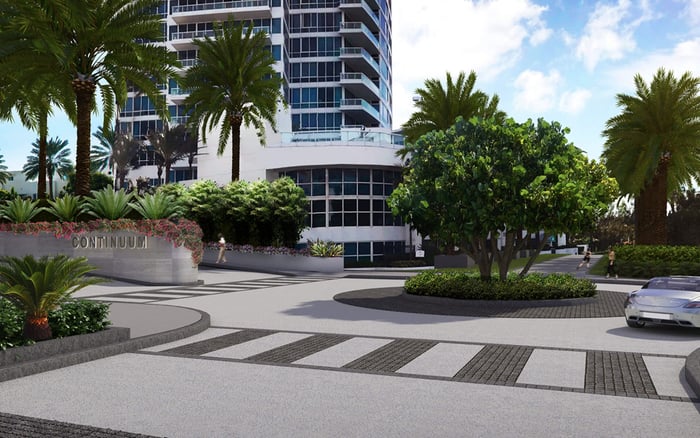
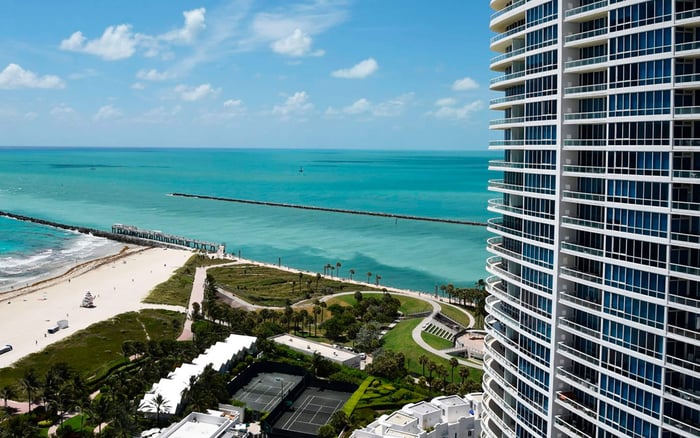
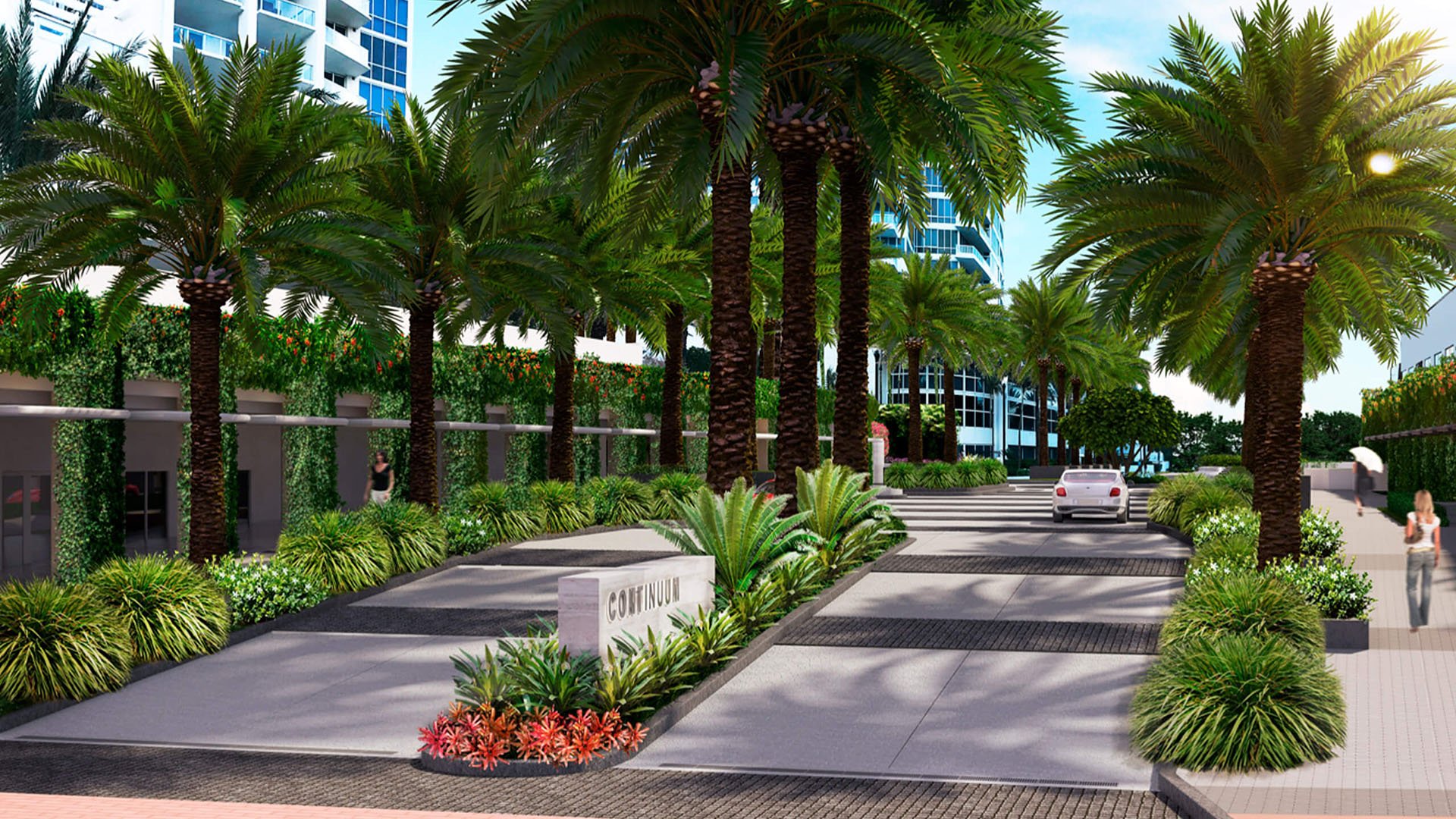
Continuum is the more Miami Beach-anchored choice, positioned at the southern tip of Miami Beach and framed by a large-scale, resort-style, full-service community. Regalia is the north-beachfront alternative in Sunny Isles Beach, where the appeal is more closely tied to ultra-luxury positioning and a more exclusive sensibility. For buyers who care about branded-service premiums only when they are operationally justified, that contrast matters more than architectural theater.
Continuum’s strongest argument is not simply prestige. Its case rests on scale and breadth. A broad resort-style operating platform can make higher service and association-cost expectations easier to understand because the buyer can see how the building’s value proposition is distributed across amenities, staffing, daily convenience, and market depth.
For the Sofi buyer, this is a meaningful distinction. A service premium is easier to defend when it is not dependent on one narrow amenity or one delicate promise of exclusivity. Continuum’s value is framed around institutional-style operations, a wide amenity mix, and liquidity rather than boutique rarity alone. That does not automatically mean every cost is justified, but it gives the analytical buyer a clearer framework for evaluating why the premium exists.
In practical terms, the Continuum buyer is often asking whether the building behaves like a private resort with condominium ownership. The answer should be tested through operating documents, service standards, reserve planning, and the lived experience of residents. Still, as a starting point, Continuum is better aligned with buyers who want the service charge to correspond to a visibly broad platform rather than a more intangible aura.
Regalia Sunny Isles Beach offers a different proposition. It is positioned as the contrasting ultra-luxury option in Sunny Isles Beach, and its appeal is inherently more concentrated. For some buyers, that is precisely the point. They may prefer a north-beachfront environment, a more exclusive residential personality, and a quieter luxury signal than the Miami Beach resort model.
The question is whether that exclusivity translates into operational value. A smaller or more boutique-feeling luxury setting can be compelling, but it also places greater weight on execution. If the premium is justified primarily by privacy, scarcity, and high-touch expectations, the buyer should verify how those expectations are staffed, governed, and maintained. The more concentrated the promise, the less room there is for ambiguity.
Sunny Isles buyers often compare Regalia with other high-end oceanfront choices, including The Ritz-Carlton Residences® Sunny Isles and Turnberry Ocean Club Sunny Isles. Those comparisons are useful not because they answer the question automatically, but because they help a buyer separate brand language from operating substance.
Oceanfront ownership in South Florida carries its own rarity. Continuum and Regalia both benefit from beachfront positioning in markets where true waterfront land is finite. But land value and service value should not be blended too casually.
A premium for location can be justified by scarcity. A premium for service must be justified by performance. The buyer should ask: What is included in the operating experience? How broad is the amenity offering? Does staffing align with the level of service promised? Are the association economics understandable in light of what the building delivers? Is the residence likely to remain liquid among future buyers who will ask the same questions?
This is where Continuum’s scale becomes an advantage for the operationally minded buyer. A large resort-style community can spread the service proposition across many touchpoints. Regalia may still appeal powerfully, but its service premium should be reviewed with particular attention to whether the exclusive positioning is matched by consistent execution.
For an investment-minded buyer, the issue is not whether a property feels special during a showing. It is whether the premium will remain legible to the next buyer. Continuum’s thesis is easier to articulate: South Beach location, broad full-service operations, resort-style amenity breadth, and market liquidity. That combination creates a service story that is relatively straightforward to explain.
Regalia’s thesis can also be persuasive, but it requires a buyer who values Sunny Isles Beach exclusivity and can confirm that the operating model supports the promise. The building may be the more emotionally resonant choice for a purchaser seeking a quieter north-beachfront identity. Yet the operationally strict buyer should be cautious about paying for branded-service language unless the day-to-day structure is transparent.
Miami Beach buyers considering Continuum may also look at Apogee South Beach for another South of Fifth luxury reference point, while broader Miami Beach comparisons can include Five Park Miami Beach. These are not substitutes for due diligence, but they help clarify how different buildings package scale, service, and prestige.
For buyers who care about branded-service premiums only when they are operationally justified, Continuum appears to have the stronger default case. Its appeal is tied to breadth, institutional-style operations, resort-style amenities, and liquidity. Those characteristics give the premium more visible infrastructure.
Regalia should not be dismissed. It may be the better fit for a buyer who wants Sunny Isles Beach, values a more exclusive luxury profile, and is prepared to verify the staffing model, amenity delivery, and operating economics in detail. But its case depends more heavily on independent confirmation of how exclusivity becomes service.
The clean conclusion is this: choose Continuum if the priority is a broad, legible operating platform supporting the premium. Choose Regalia if the priority is north-beachfront exclusivity and the operating model withstands careful review.
Which building is better for buyers who want operationally justified service premiums? Continuum has the stronger default case because its value is framed around broad resort-style operations, amenity breadth, and liquidity.
Why does Continuum’s scale matter? Scale can make a service premium easier to understand when amenities, staffing, and daily operations support a wider residential platform.
Does Regalia offer a weaker luxury proposition? No. Regalia is positioned as an ultra-luxury Sunny Isles Beach option, but its service premium should be verified through the operating model.
Is oceanfront location enough to justify higher costs? Oceanfront scarcity can support location value, but service premiums require evidence of consistent operational delivery.
Who is the ideal Continuum buyer? A buyer who wants Miami Beach energy, resort-style services, and a premium supported by visible operating breadth.
Who is the ideal Regalia buyer? A buyer who prefers Sunny Isles Beach exclusivity and is comfortable confirming how service expectations are executed.
Should association costs be compared directly between the two? They should be reviewed in context, with attention to what each building’s operations, amenities, and service model actually provide.
Does boutique exclusivity always justify a premium? Not always. Boutique positioning is strongest when privacy and high-touch service are backed by clear operations.
Which is more Miami Beach anchored? Continuum is the more Miami Beach-anchored option because of its South Beach location and resort-style community profile.
Which is the more north-beachfront alternative? Regalia is the more north-beachfront alternative, with its luxury positioning centered in Sunny Isles Beach.
If you'd like a private walkthrough and a curated shortlist, connect with MILLION.
If branded residences are on your mind — as a home or as an allocation — we would be glad to share what we are seeing, privately.
Begin a quiet conversation