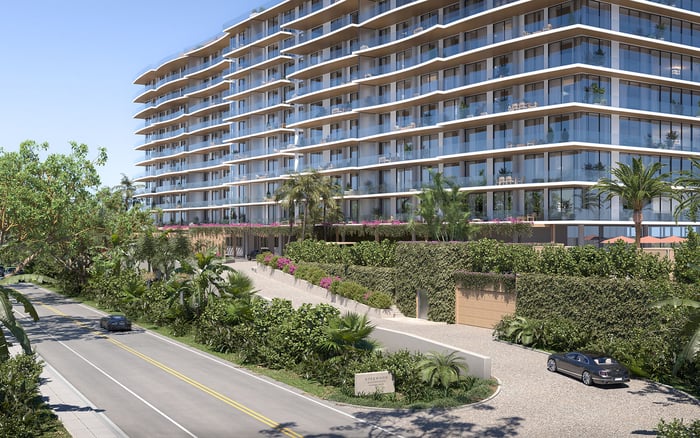
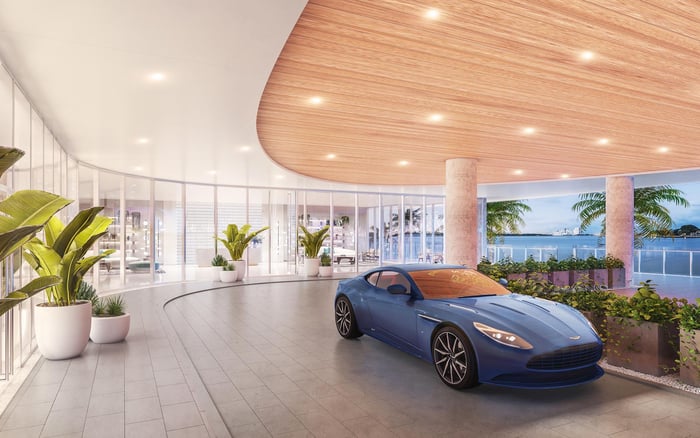
A buyer-focused guide to what private beach service really includes at South Florida luxury buildings, from baseline chair-and-umbrella setups to cabana fees, guest rules, seasonal limits, and the fine print that shapes daily convenience.
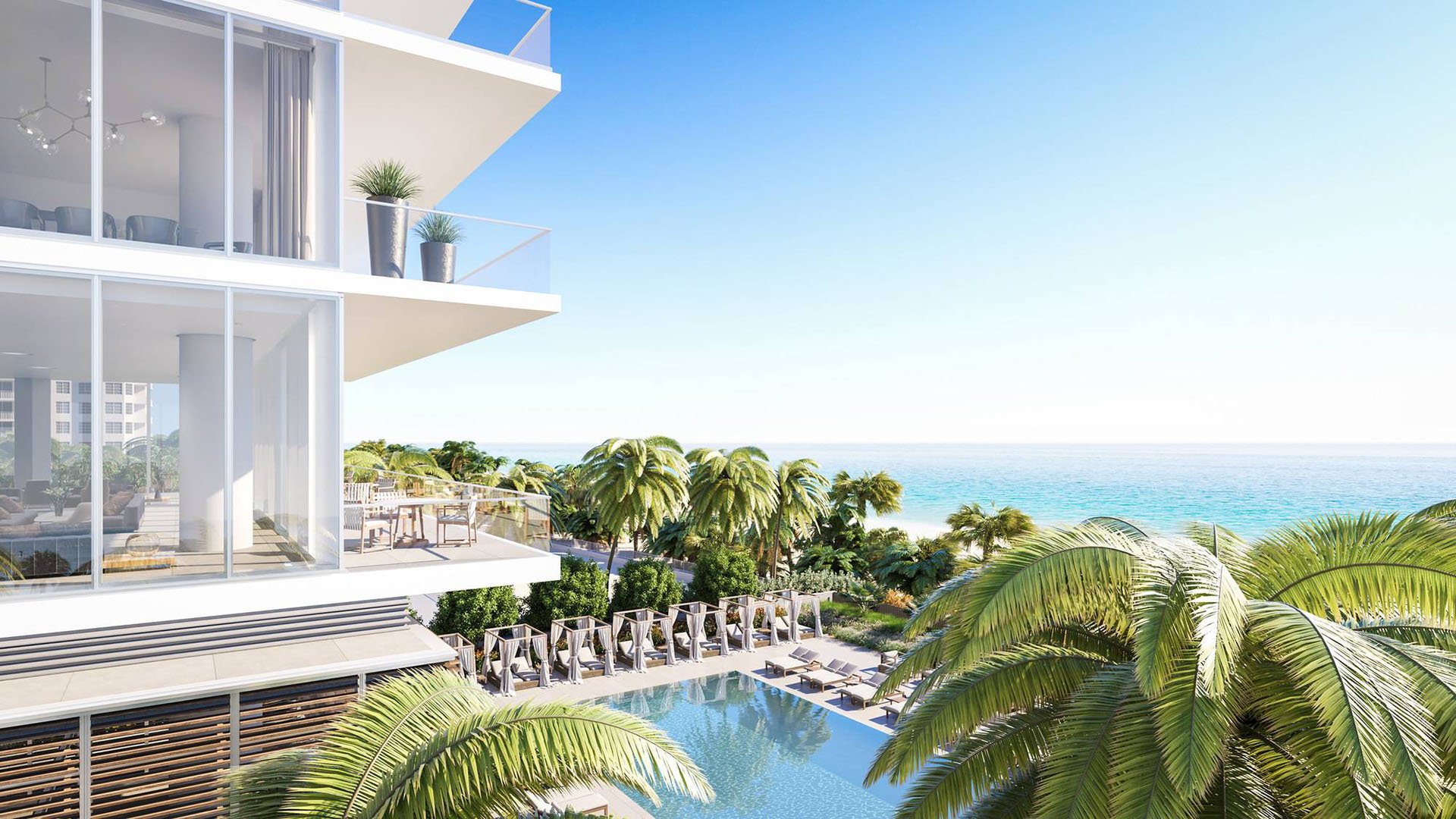
At South Florida’s leading beachfront addresses, “chairs and umbrellas included” sounds simple, but in practice it is a compact phrase that covers a fairly specific baseline service. In most luxury buildings, it means residents can expect lounge chairs, umbrellas, and often beach towels set up for use without a separate per-visit charge. It also typically means attendants handle the mechanics: placing chairs, opening umbrellas, maintaining the setup during operating hours, and breaking it down at day’s end.
That distinction matters because many buyers read the phrase as shorthand for a resort experience. Sometimes it is. Just as often, it is a polished but limited residential amenity. The included portion is usually about comfort and convenience, not an open-ended hospitality program.
For buyers comparing oceanfront inventory in Miami Beach, Sunny Isles, Surfside, Hallandale, or Fort Lauderdale, the phrase should be treated as a starting point for due diligence, not a final answer. There is no single South Florida standard. Two buildings may advertise the same beach amenity while deliver very different daily experiences.
The baseline package at a luxury residential building usually covers the essentials: chairs, umbrellas, towels, access to restrooms, showers, and often changing facilities. What typically separates a standard private beach operation from a more elevated one is food and beverage.
In many purely residential buildings, service stops at setup and towel refresh. If you want lunch delivered to the sand, cocktails, a dedicated beach butler, or a private shaded retreat, those extras are often available only at added cost, if they are available at all. Hotel-branded and resort-integrated properties are generally more likely to offer a broader menu of beachside services, but they also tend to price those upgrades accordingly.
That is why a buyer evaluating an address such as 57 Ocean Miami Beach or The Perigon Miami Beach should ask not only whether chairs and umbrellas are included, but also what happens after the chairs are set. Is there beach dining? Is beverage service active every day? Are premium seating zones carved out from the standard resident setup? The answers define the lived experience far more than the marketing phrase itself.
The most common surprise is the cabana. At many luxury beachfront buildings, cabanas are not part of the standard package and are instead rented separately by the day or by season. In the premium tier of Miami Beach and nearby markets, daily cabana pricing can range from roughly $75 to $250 or more depending on season and placement.
The same logic often applies to day beds, VIP lounge areas, and concierge-style beach enhancements. These upsells are especially common in ultra-luxury environments that blend residential privacy with a resort sensibility. Residents enjoy included access to the beach operation, but a more exclusive layer sits above it.
Water-sports equipment is another variable. Some buildings add paddleboards, kayaks, or similar equipment to the amenity mix. Others keep the offering tightly focused on seating and shade. Buyers should avoid assuming that beachfront service automatically extends to recreation.
At properties with strong hospitality DNA, such as The Ritz-Carlton Residences® Sunny Isles or Auberge Beach Residences & Spa Fort Lauderdale, the amenity ecosystem may feel more layered, but even there, the distinction between included and premium should be clarified in writing.
The real luxury test is not whether chairs exist. It is whether the service works effortlessly on the days owners actually want to use it.
Most private beach programs operate within defined daily windows, often from morning through late afternoon or sunset rather than around the clock. That means an owner arriving early for sunrise or heading down after dinner may find that the staffed service component is unavailable even though the beach itself remains accessible.
Availability is another pressure point. During holidays and peak winter weekends, some buildings require advance reservations for beach setups. In other words, “included” does not always mean on demand. It may mean included subject to service hours, staffing, weather, and availability controls.
Guest policies deserve equal attention. Access is often limited to residents and approved guests rather than the public, and guest use may require sign-in or prior approval. For second-home owners who entertain frequently, this can shape whether the amenity feels generous or restrictive.
This is where newer projects often distinguish themselves from older stock. Some newer developments have adopted app-based reservations, digital concierge systems, and more structured service scheduling, while older oceanfront buildings may offer a simpler, more traditional setup. A building like 2000 Ocean Hallandale Beach may appeal to buyers looking closely at contemporary beachfront positioning, but the right question is still operational: what exactly is staffed, when, and for whom?
Included beach service is often not free in the purest sense. In many condominium buildings, staffing, maintenance, towels, and beach operations are bundled into HOA or condo dues instead of billed line by line. From a household budgeting perspective, that can be perfectly rational, but buyers should understand that the cost is being absorbed somewhere.
Then there are the peripheral expenses. Parking logistics can materially affect convenience, especially in buildings where beach access relies on valet, remote parking allocations, or a less direct circulation pattern from tower to sand. In some cases, parking-related costs can add roughly $15 to $30 per visit. For a full-time resident, that may be trivial. For a family using the beach several times a week, it becomes part of the real operating picture.
Seasonality also matters. Some buildings scale back full beach operations during lower-occupancy summer periods. During hurricane season, temporary closures and safety restrictions can interrupt service altogether. In a mature luxury market, this is not viewed as an amenity failure so much as prudent coastal management, but it remains important to set expectations correctly.
Private beach access remains one of the central demand drivers for oceanfront buyers in Miami-Dade and Broward, ranking just behind the water view itself in many purchase decisions. That makes sense. The best beachfront living is not simply about seeing the ocean. It is about accessing it with privacy, ease, and a consistent level of service.
Yet buyers should resist the temptation to compare buildings by photographs alone. A row of immaculate loungers in a marketing image tells you almost nothing about reservation policies, guest privileges, food service, summer staffing, or premium surcharges.
The more sophisticated way to evaluate an oceanfront purchase is to request the written amenity schedule and read it like an operating manual. Confirm service hours, blackout dates, reservation requirements, guest limits, cabana pricing, and whether elevated services are resident privileges or separately billed luxuries. In Miami Beach, Sunny Isles, Hallandale, and Fort Lauderdale alike, those details determine whether the lifestyle matches the promise.
For a primary residence, the key question is consistency. Will the setup be available on an ordinary Tuesday in August, not just Presidents’ Day weekend?
For a second-home buyer, the issue is friction. How much notice is required, how many guests are permitted, and can the beach team make ownership feel turnkey?
For a financially disciplined buyer, the central question is allocation. Which portions are embedded in dues, and which are likely to generate recurring out-of-pocket costs?
A well-run beach program should feel invisible in the best sense: chairs waiting, umbrellas opened, towels refreshed, staff present but discreet. When buyers hear “chairs and umbrellas included,” that is the standard they often imagine. Sometimes it is exactly what they receive. Sometimes it is only the opening line.
What does chairs and umbrellas included usually mean at a luxury beachfront building? It usually refers to a baseline resident setup of lounge chairs, umbrellas, and often towels, with attendants handling setup and breakdown during service hours.
Are cabanas typically part of the included beach package? Usually not. Cabanas are often rented separately by the day or season and can carry meaningful additional fees.
Is food and beverage service usually included? Not necessarily. Dining and alcoholic beverages are commonly treated as premium add-ons, especially at resort-style properties.
Do residents need reservations for beach setups? Sometimes. Peak weekends and holiday periods may require advance booking even when the service itself is included.
Can guests use the private beach service? Often yes, but typically only if they are approved guests and comply with sign-in or building rules.
Are showers, restrooms, and changing areas usually included? In many luxury buildings, yes. These are generally considered standard parts of a well-run private beach operation.
Do service hours usually run all day and night? No. Beach operations are usually staffed during set daytime windows rather than 24-hour schedules.
Are water-sports amenities automatically included? No. Some buildings offer equipment such as paddleboards or kayaks, while others limit service to seating and shade.
Is beach service really free if it is included? Often the cost is bundled into HOA or condo dues rather than charged per use, so it is included operationally but still funded by ownership costs.
What should buyers ask for before closing? Request the written amenity schedule and confirm hours, guest rules, reservation requirements, seasonal changes, and any premium beach charges.
For a discreet conversation and a curated building-by-building shortlist, connect with MILLION Luxury.
If branded residences are on your mind — as a home or as an allocation — we would be glad to share what we are seeing, privately.
Begin a quiet conversation