In South Florida luxury real estate, beach access is not a marketing adjective. It is a daily-use equation shaped by walking time, crossings, route quality, municipal beach operations, and the distinction between oceanfront and merely nearby. Here is how discerning buyers can tell whether a tower offers true ease or just apparent proximity.
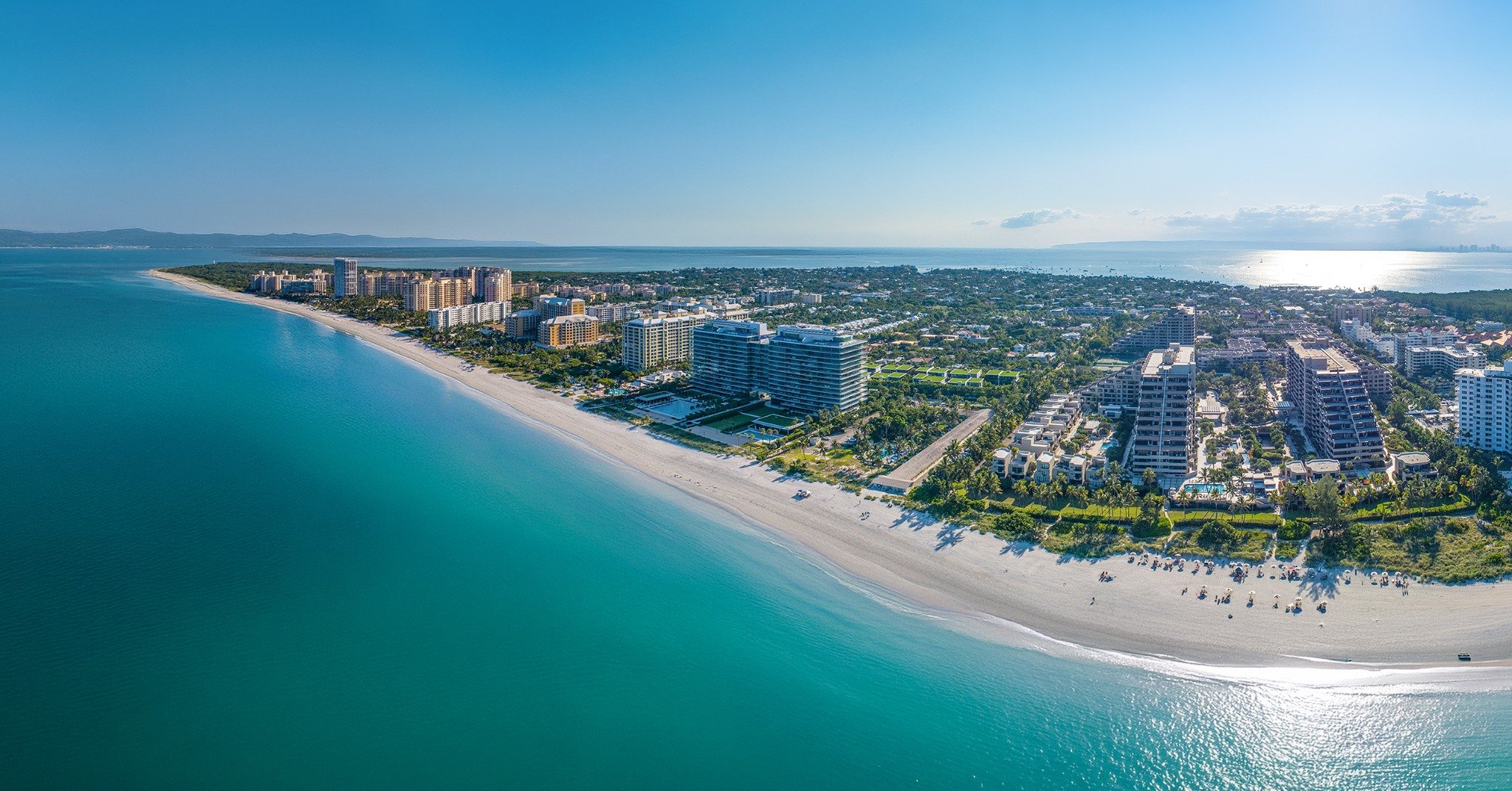
In luxury coastal buying, "close to the beach" is often too imprecise to be useful. The more practical measure is lobby to sand. If that walk takes about five minutes, or roughly a quarter mile, most residents will actually use the beach routinely. Once the route extends beyond that, convenience changes. What reads as near in a brochure can become something you do occasionally rather than spontaneously.
That distinction matters because South Florida sells proximity in many forms. A tower may sit in a prized coastal district, offer water views, and still fail the effortless test. In markets where true beachfront parcels are limited, buyers are not simply paying for scenery. They are paying for lower-friction daily use.
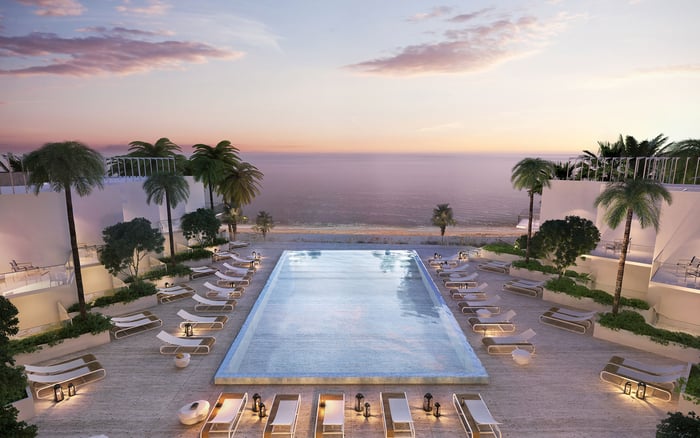
This is why the category gap between nearby and oceanfront is so meaningful. A residence at 57 Ocean Miami Beach or The Perigon Miami Beach carries an intuitive advantage because the beach is part of the property experience, not an errand attached to it.
Beach access is best understood as circulation, not branding. A tower can sit only a few blocks from the shoreline and still feel inconvenient if residents must cross a major coastal road, wait through long signals, weave through hotel traffic, or pass a dense retail corridor before reaching the sand.
For a buyer, that means straight-line map distance is incomplete. The real question is whether the route is direct, legible, and pleasant enough that you would take it in resortwear, with children, with a chair in hand, or after lunch without thinking twice.
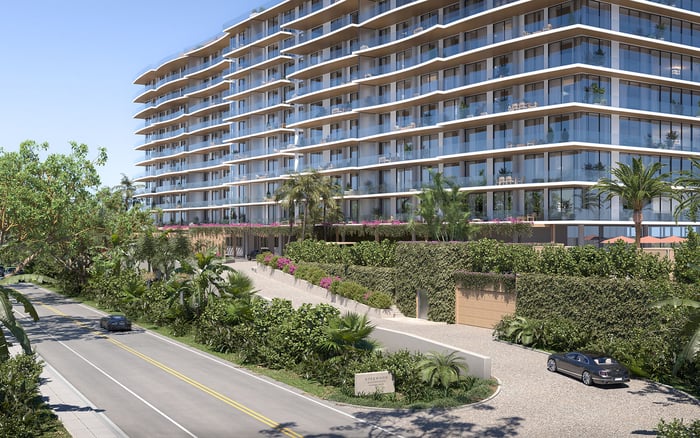
This is especially relevant in areas where inland luxury product competes with coastal addresses for attention. A property such as Andare Residences Fort Lauderdale may appeal for many reasons, but a beach-oriented buyer should still separate the elegance of the building from the lived reality of the route to the ocean. In other words, Fort Lauderdale value and beach-access value are not automatically the same thing.
Many highly desirable towers are near the beach rather than on it. That scarcity is part of what makes direct beachfront product so prized. But scarcity also creates confusion. Buyers see a tower in a beach area and assume the experience will approximate true oceanfront living.
Often, it does not. A few inland blocks can introduce heat exposure, traffic friction, poor crossings, and a less graceful arrival onto the sand. That is why oceanfront remains its own category in the upper tier of the market. It is not just a visual distinction. It is an experiential one.
This becomes obvious when comparing ocean-edge addresses with properties in adjacent but not directly beachfront settings. Auberge Beach Residences & Spa Fort Lauderdale and The Ritz-Carlton Residences® Pompano Beach sit within the kind of conversation where directness matters. The less planning a beach outing requires, the more likely it becomes part of daily life.
Many buyers walk the route once in pleasant weather and consider the question settled. That is too generous. South Florida should be tested in the conditions that reveal friction: midday sun, humidity, peak weekend traffic, tourist-heavy stretches, and the practical burden of carrying something.
A route that seems acceptable at 9 a.m. can feel far less elegant at 2 p.m. with little shade and a long crossing cycle. If the walk is exposed, if the crossing is uncomfortable, or if reaching the sand requires attention to timing, then the access is functional but not effortless.
The simplest private test is this: can you leave the lobby and be on the sand without planning the trip in advance? If yes, you are close to the standard that matters. If no, the tower may be near the beach in a technical sense, but not in a lifestyle sense.
In South Florida, waterfront is not always beachfront. Bayfront, marina-facing, and intracoastal addresses can be exceptional, but they do not create practical ocean access by default. Luxury amenities can also blur the issue. A dramatic pool deck, spa pavilion, or resort-style sun area may support a coastal mood without providing direct sand access.
This distinction is especially useful for buyers comparing neighborhoods with different water relationships. A bay-oriented address in Miami Beach may offer glamour, privacy, and boating appeal, yet it should not be valued as if the beach were embedded in the property experience. The same discipline applies in Palm Beach, where a prestigious ZIP code alone does not guarantee a simple path from residence to shoreline.
Even if the walk is excellent, the access point and beach conditions can vary over time. Shoreline maintenance, renourishment work, municipal operations, and resilience improvements can all change the quality of the experience. Sand width, the feel of the shoreline, and even the ease of entry may differ from one period to another.
This matters in Miami Beach and Broward coastal markets alike. A buyer who values daily beach use should check whether a favored stretch feels stable, actively maintained, or temporarily interrupted by work. Convenience is not fully defined by distance. It is also shaped by what is waiting at the end of the walk.
One of the most common luxury-market mistakes is underestimating the cost of inconvenience. If a non-oceanfront building relies on valet trips, a beach club arrangement, recurring fees, or off-site service to simulate ease, then convenience is not built into the real estate itself. It is being rented back to you through logistics.
That should influence value. In the upper end of the market, premiums for true beachfront access often reflect more than scarcity and view corridors. They reflect time saved, spontaneity preserved, and a more seamless daily pattern. For second-home buyers in particular, that can be worth paying for.
This is why projects like Oceana Bal Harbour or Turnberry Ocean Club Sunny Isles sit in a different emotional and economic bracket from towers that are merely beach-adjacent. Sunny Isles buyers know that a postcard-near location and a genuinely effortless beach routine are not interchangeable.
Use a disciplined sequence before accepting any claim of easy beach access.
First, time the route from lobby to sand, not from parcel to shoreline. Second, walk it at beach-going hours. Third, count crossings and signal waits. Fourth, note shade, sidewalk comfort, and exposure to traffic. Fifth, confirm whether the access point itself feels attractive and usable. Sixth, ask whether the same route would feel easy carrying towels, with guests, or after dark. Finally, think forward: roadway changes and shoreline projects can improve or complicate today's convenience over time.
In the South Florida luxury context, effortless access is never a poetic concept. It is observable. If the route is short, direct, shaded enough, safe to cross, and delivers you to a desirable stretch of sand, the tower has earned the premium its location implies. If not, the phrase close to the beach should be treated as geography, not lifestyle.
What is the best rule of thumb for truly walkable beach access? About five minutes or roughly a quarter mile from lobby to sand is a useful benchmark for routine, spontaneous use.
Is a tower two or three blocks from the beach usually close enough? Sometimes, but only if the route is direct and comfortable. A few blocks with major crossings can feel much longer than they look.
Why does oceanfront command such a premium? Because it typically removes friction from daily beach use. Buyers are often paying for immediacy as much as for views.
Does waterfront mean the same thing as beachfront? No. Bayfront, marina, and intracoastal settings can be exceptional without offering practical access to the ocean and sand.
Should I test the route in person before buying? Yes. Walk from the lobby to the sand at the hours you would actually use the beach, not only in ideal conditions.
What details make a short route feel inconvenient? Long signal waits, busy roads, limited shade, narrow sidewalks, and indirect pedestrian paths are the usual culprits.
Can beach quality change even if the tower location does not? Yes. Shoreline conditions, renourishment activity, and local operations can alter how attractive an access point feels.
Do amenities inside the building make up for weaker beach access? Only if your priority is staying on property. A pool deck or resort ambiance does not replace direct sand access.
Should climate and seasonal conditions affect my judgment? Absolutely. Heat, humidity, storms, and periodic disruptions can make an exposed inland walk less effortless over time.
What is the clearest sign that access is truly effortless? You can leave the tower and reach a desirable stretch of sand without planning, driving, or negotiating multiple points of friction.
For a discreet conversation and a curated building-by-building shortlist, connect with MILLION.
If branded residences are on your mind — as a home or as an allocation — we would be glad to share what we are seeing, privately.
Begin a quiet conversation