For South Florida buyers who host often, the choice between preconstruction and a completed building is less about novelty and more about how reliably a residence can perform when guests arrive.
For buyers with frequent guests in South Florida, the debate between Pre-Construction flexibility and completed-building certainty is rarely abstract. It appears the first weekend a daughter arrives from New York, the first winter visit from grandparents, the first spontaneous dinner that becomes an overnight stay. A residence may photograph beautifully, but hosting reveals whether the floor plan, staff, parking, elevators, and building culture function as a complete private ecosystem.
Preconstruction offers a seductive advantage: the ability to shape decisions before they are fixed. Buyers can think more deliberately about bedroom configuration, finishes, storage, lighting, and the relationship between public and private areas. Completed buildings offer something equally valuable: proof. You can walk the approach, sit in the lobby, observe the valet rhythm, test how far the guest suite sits from the primary bedroom, and understand how the building actually feels when occupied.
For the frequent host, the answer depends on whether the priority is future personalization or immediate performance. That distinction often separates a beautiful acquisition from a residence that truly lives well.
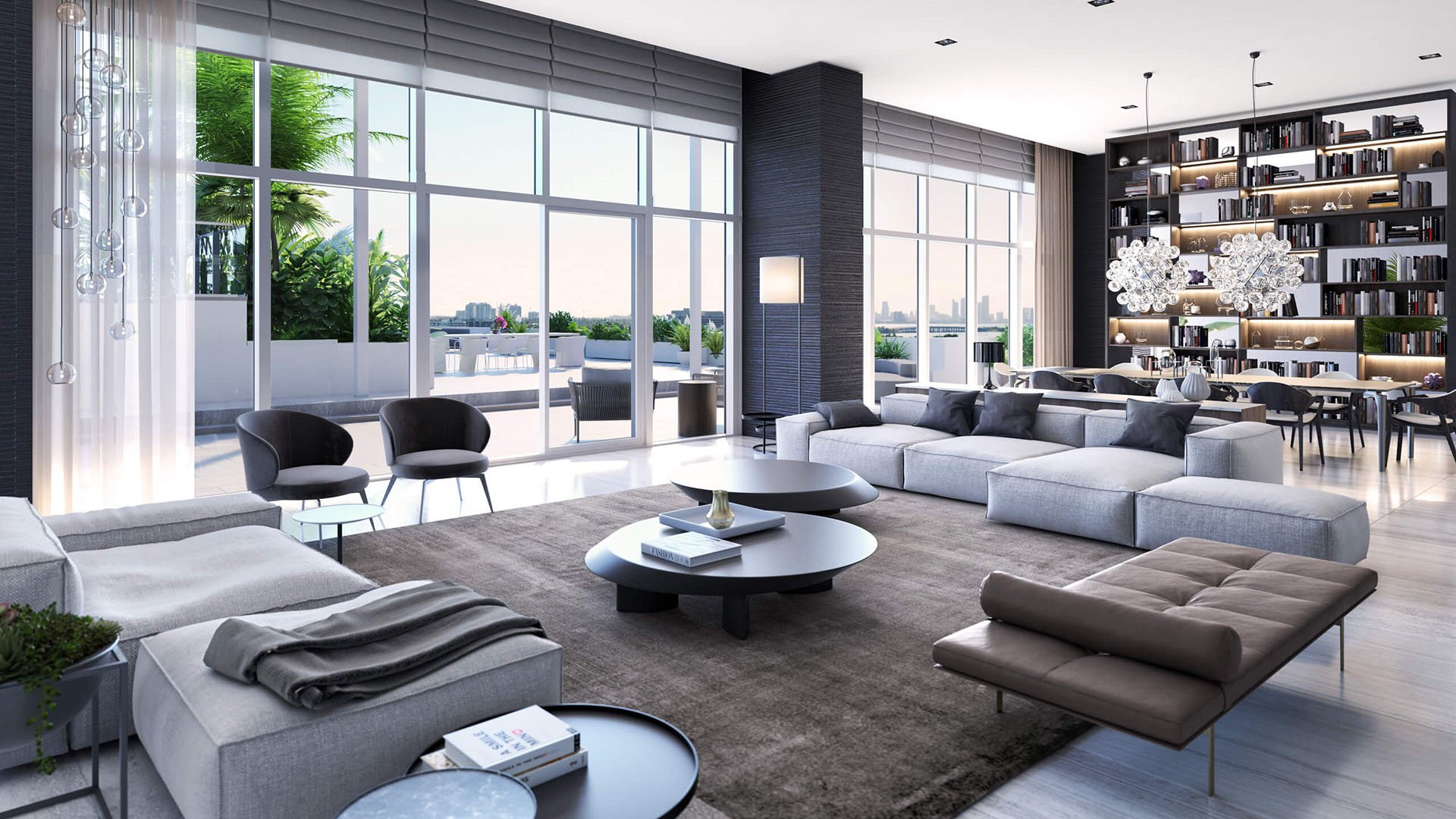
A Move-In Ready residence has one obvious strength: it can be judged in real time. Buyers can bring the whole household through the property and ask practical questions no rendering fully resolves. Is the guest bedroom genuinely private, or does it sit beside the media room? Can visitors arrive without feeling as though they are crossing through the family’s daily life? Does the terrace support morning coffee for two guests without compromising the owner’s own space?
Completed-building certainty is especially compelling for buyers who host on a seasonal rhythm. If family or friends arrive every winter, holiday, school break, or long weekend, the residence must operate now. There is little tolerance for amenity delays, construction adjustments, or uncertainty around building procedures. A buyer can evaluate whether valet is intuitive, whether the lobby feels composed during peak arrival hours, and whether service teams understand the discretion expected in a luxury setting.
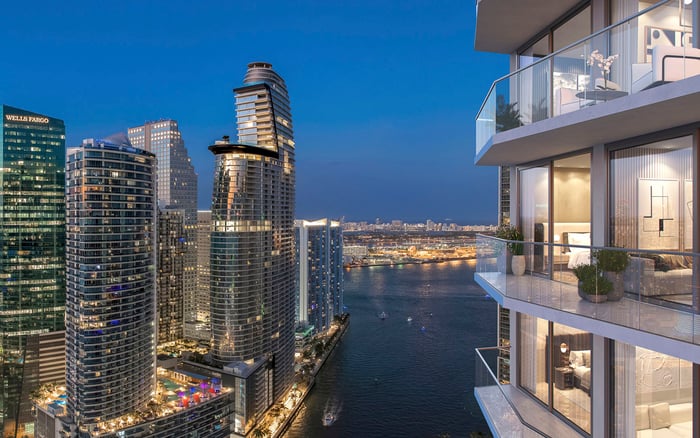
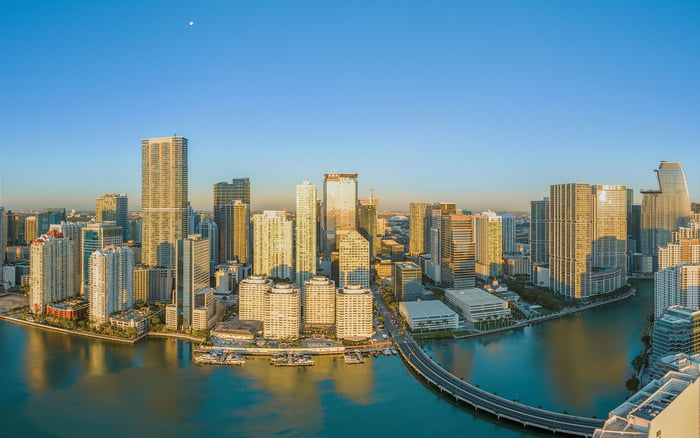
This is where areas such as Brickell can be revealing. A buyer comparing city residences may look at 2200 Brickell not simply through the lens of design, but through the daily realities of urban hosting: guest drop-off, building access, proximity to dining, and how easily visitors can move between private residence and city life.
Preconstruction can be the stronger choice when the buyer is building toward a long-term hosting lifestyle rather than solving an immediate need. The appeal is control. A family that knows it will receive adult children, grandchildren, or international guests may prefer to secure a floor plan early, then refine how the home will support those visits over time.
The best preconstruction decisions begin with guest behavior, not finishes. How often do guests stay more than two nights? Do they work remotely while visiting? Do they need a separate lounge, a quiet terrace corner, or a bedroom that does not share a wall with the owner’s suite? These questions should be answered before a buyer becomes attached to a view or a kitchen palette.
Preconstruction also gives buyers time to align furniture planning, closet organization, technology, and lighting with the rhythms of entertaining. For the host who wants a residence to feel custom from the first overnight visit, that runway can be valuable. The risk is that flexibility does not equal certainty. Delivery timing, final operating culture, and the lived feel of shared spaces cannot be fully experienced until the building is complete.
In Miami Beach, buyers studying future lifestyle options may compare concepts such as Shore Club Private Collections Miami Beach with completed residences in the same broader lifestyle universe. The question is not which is more glamorous. It is which path better fits the buyer’s guest calendar.
Guests notice privacy before they notice provenance. They notice whether they can wake early without disturbing the household, take a call without occupying the main living room, or return from dinner without passing through the owner’s bedroom corridor. For a frequent host, the number of bedrooms matters less than the intelligence of their placement.
A strong hosting residence creates separation without isolation. The ideal guest suite feels dignified, not tucked away as an afterthought. Secondary bedrooms should have access to bathrooms that feel intentional, not borrowed. If the buyer entertains across generations, the plan should support both shared time and retreat.
This is one reason Boca Raton, West Palm Beach, Coconut Grove, and other lower-density luxury markets remain relevant for buyers who want a calmer hosting cadence. A buyer considering Alina Residences Boca Raton may be thinking less about spectacle and more about whether guests can settle into a refined, residential rhythm.
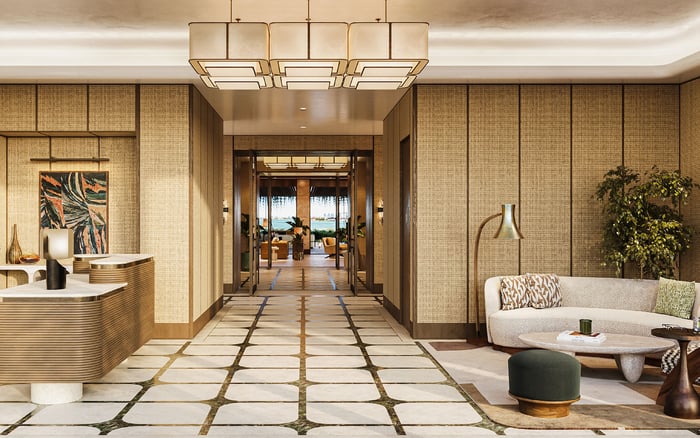
The most important parts of hosting are often invisible when everything goes well. Guest names are handled discreetly. Cars appear without drama. Deliveries are managed. Elevators feel dependable. Building staff recognize the difference between a visitor, a vendor, and a family member who should be welcomed smoothly.
Completed buildings allow buyers to test this choreography. They can arrive at different times of day, watch how the front desk handles traffic, and sense whether the building feels calm under pressure. For frequent hosts, that certainty can be more valuable than the theoretical advantage of choosing finishes early.
Preconstruction buyers should compensate by asking sharper operational questions. How will guest registration work? What is the visitor parking protocol? How are service elevators managed? What are the rules for extended family stays? How does the building distinguish private residential life from transient use? These questions are not minor. They shape whether guests feel welcomed or processed.
Many South Florida purchases are not only primary residences. They are seasonal anchors, family gathering points, and Second-home retreats. That changes the calculus. If the owner will not be present year-round, completed-building certainty may provide reassurance: the buyer can understand how the property is staffed, how arrivals work, and how the residence will function when opened after periods of absence.
For a second home that regularly receives guests, the residence must be easy to activate. Linens, storage, owner closets, guest supplies, and maintenance access all become part of the luxury experience. The more often guests arrive without the full household in residence, the more important building procedures become.
In West Palm Beach, a buyer evaluating The Ritz-Carlton Residences® West Palm Beach may weigh not only the private residence, but the confidence that comes from a hospitality-minded environment. For a frequent host, that confidence can be the difference between ownership that feels effortless and ownership that requires constant management.
The cleanest way to decide is to map the next three years of actual guest use. If guests are arriving this season, completed-building certainty deserves serious weight. If the buyer’s guest pattern is future-oriented, flexible, and tied to a longer design vision, preconstruction may be appropriate.
Buyers should also rank the non-negotiables. For some, it is a true guest suite with privacy. For others, it is two parking solutions, a discreet lobby, or a building culture that does not feel transient. In high-service coastal and urban buildings, the right answer often comes from operations as much as architecture.
A final filter is emotional honesty. Some buyers love the creative process and can tolerate uncertainty. Others want to walk into a finished residence, host confidently, and remove variables. Neither preference is more sophisticated. The sophisticated decision is choosing the path that matches how the buyer actually lives.
For frequent guests in South Florida, completed-building certainty usually carries the advantage when timing, service, and reliability matter now. Preconstruction becomes compelling when the buyer can wait, wants customization, and is comfortable evaluating a future promise rather than a present experience.
Is completed-building certainty usually better for frequent guests? Often, yes. It lets buyers evaluate access, privacy, staff rhythm, and amenity readiness before committing.
When does preconstruction make more sense? It makes sense when the buyer values long-term customization and does not need to host immediately.
What room matters most for guest comfort? A well-placed guest suite matters more than a simply larger bedroom count. Privacy and bathroom access are critical.
Should buyers prioritize amenities or floor plan? For frequent guests, the floor plan should come first. Amenities enhance hosting, but they cannot fix poor privacy.
How important is valet or parking? It can be essential, especially for families receiving weekend visitors or seasonal guests. Arrival should feel effortless.
Can a preconstruction buyer assess service quality? Only partially. The buyer can ask operational questions, but the lived service culture becomes clear after completion.
Is Miami Beach different from Brickell for hosting? Yes, lifestyle patterns can differ. Miami Beach often emphasizes resort-like leisure, while Brickell may suit urban convenience.
What should second-home buyers consider first? They should consider how easily the residence can be opened, staffed, stocked, and prepared for guests.
Are rental rules relevant to frequent guests? Yes. Visitor and rental rules influence privacy, building atmosphere, and the predictability of shared spaces.
What is the best first step before touring? Write a realistic guest calendar. It will clarify whether certainty now or flexibility later matters more.
To compare the best-fit options with clarity, connect with MILLION.
If branded residences are on your mind — as a home or as an allocation — we would be glad to share what we are seeing, privately.
Begin a quiet conversation