A discreet buyer’s guide for Houston residents evaluating South Florida homes through privacy, staff discipline, daily flow, and long-term service quality rather than social visibility.
For a Houston buyer considering South Florida, the question is rarely just where to live. It is how the home performs while life is in motion: when guests arrive, when cars stack at the entrance, when staff need access, when a flight lands late, when privacy matters more than recognition. Social buzz can make a building visible. Service precision makes it livable.
That distinction matters in a market where lifestyle language can blur the practical differences between residences. A polished lobby, a striking pool deck, or a fashionable nearby restaurant may help define a mood. They do not reveal whether a building operates with the discretion, consistency, and anticipation expected by an owner who values control.
For a Houston household accustomed to space, directness, and operational ease, South Florida should be judged through daily choreography. The strongest choice is not always the most photographed address. It is the one where arrival, security, wellness, entertaining, and retreat all function without friction.
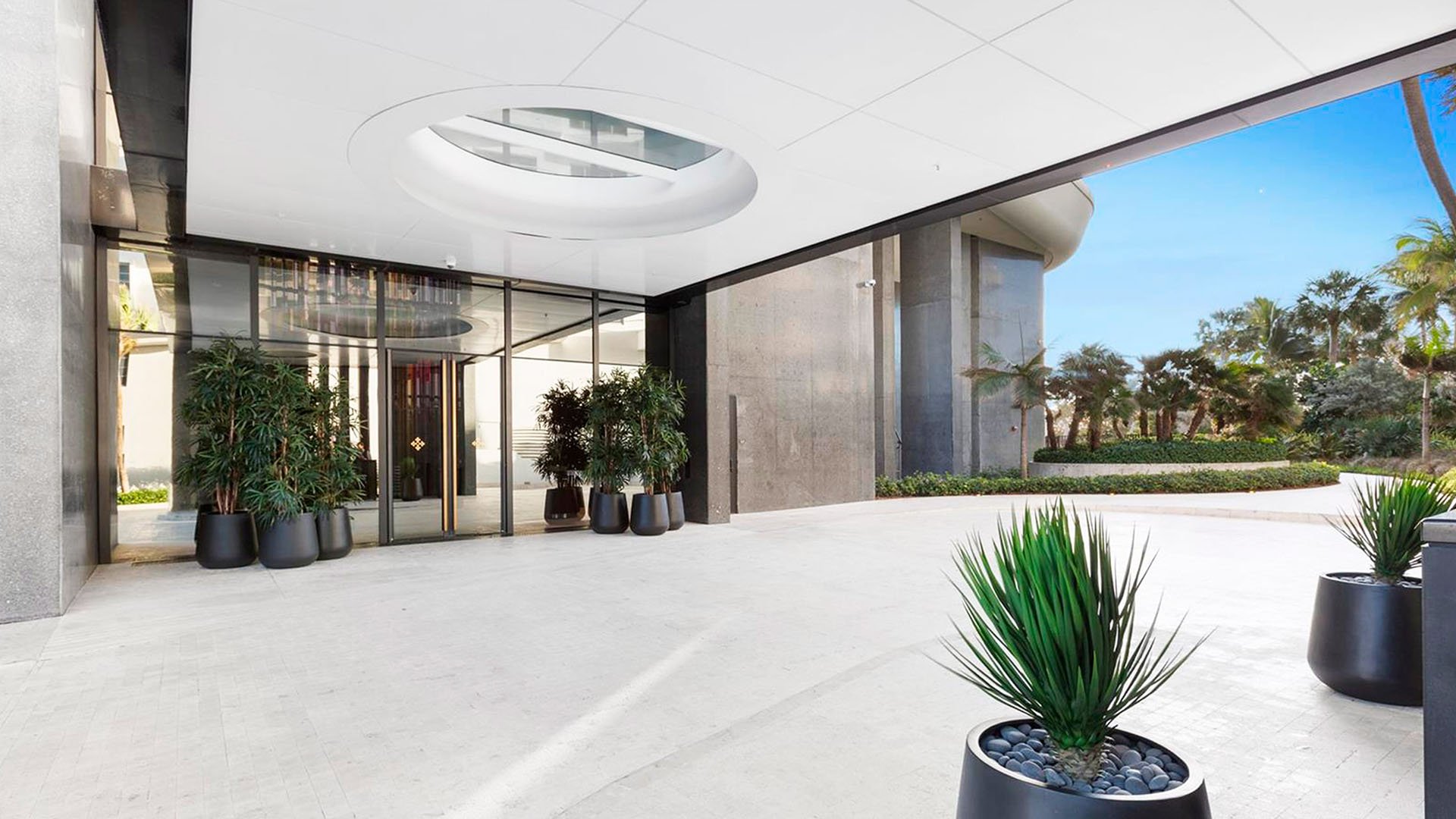
The first test is arrival. A service-forward building should make entrances feel composed, not theatrical. Consider how vehicles are received, how guests are identified, how deliveries are handled, and whether the path from car to residence feels private. The more visible the address, the more important back-of-house discipline becomes.
In Brickell, a buyer may be drawn to skyline energy, yet the best fit depends on how seamlessly a building separates private residential life from urban intensity. Residences such as St. Regis® Residences Brickell belong in the conversation for buyers who want a recognized name but still need to ask the right operational questions: How is privacy protected during peak hours? How are residents and visitors routed? How does the building handle regular service providers?
Social buzz often highlights amenity volume. Service precision asks whether those amenities are genuinely usable. A private dining room is valuable only if reservations are managed well. A spa environment matters only if it remains calm. A wellness deck should feel like a daily ritual, not an event space competing for attention.
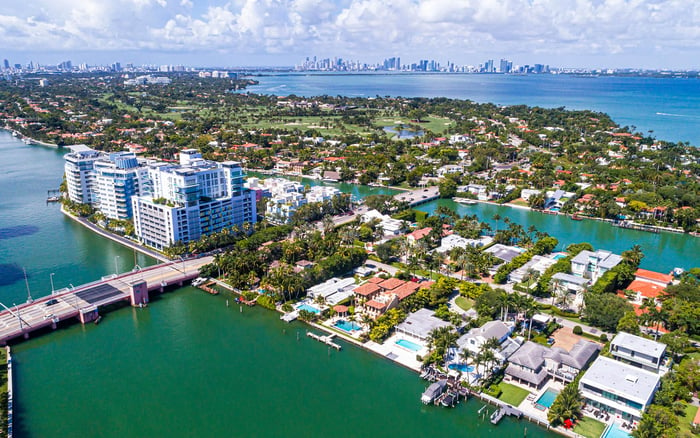
South Florida is not one lifestyle. Miami Beach, Brickell, Coconut Grove, Boca Raton, and West Palm Beach each offer a distinct tempo, and the right answer depends on the owner’s recurring week rather than a visitor’s weekend impression.
Miami Beach suits the buyer who wants cultural proximity, ocean air, and a stronger sense of resort living, but even there, discretion varies by setting. A buyer comparing homes near the sand may weigh a residence such as The Ritz-Carlton Residences® South Beach not simply for its name, but for how the experience of return, reception, and retreat is managed in a high-demand environment.
Coconut Grove offers a softer residential cadence. For some Houston families, its appeal lies in a more grounded daily rhythm: greenery, village texture, and a sense of removal from Miami’s most public settings. A residence such as Four Seasons Residences Coconut Grove may appeal to buyers who want hospitality language paired with a quieter neighborhood context.
Boca Raton and West Palm Beach can feel more familiar to buyers who prefer order, space, and a refined but less performative social setting. In Boca Raton, Alina Residences Boca Raton may enter the discussion for those seeking a polished residential environment outside Miami’s densest corridors. In West Palm Beach, The Ritz-Carlton Residences® West Palm Beach can be considered by buyers who want a city address with a more measured pace.
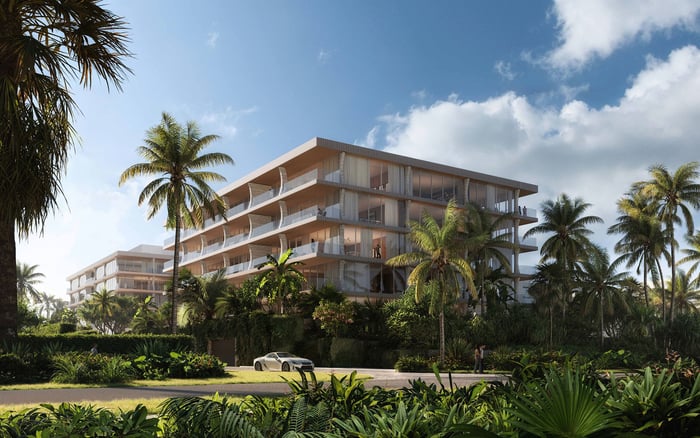
A luxury residence is not just architecture. It is an operating system. The visible layer is design. The invisible layer is staffing, protocol, access, maintenance, communication, and judgment. Buyers focused on service precision should study both.
Ask how the building communicates with residents. Is the process centralized or fragmented? Is there a clear chain of responsibility when something goes wrong? How are recurring requests remembered? How are vendors approved? A truly polished property does not make the owner repeat preferences endlessly.
Parking deserves more attention than it often receives. A grand lobby cannot compensate for a stressful arrival sequence. Consider whether valet flow, private garage access, guest parking, and service vehicle handling align with how the household actually lives. Owners with multiple cars, visiting family, drivers, or regular staff should press beyond generic assurances.
Privacy should also be evaluated as both a design and management issue. Elevators, corridors, amenity entrances, package areas, and lobby seating all shape the social exposure of daily life. Some buyers enjoy a visible residential scene. Others want a building that knows them without announcing them.
Houston buyers often arrive with a clear standard for practical comfort. They may be used to larger homes, garages, informal entertaining, and the ease of controlling their own environment. Moving into a South Florida condominium or managed residence requires a shift: the home’s private quality now depends partly on shared systems.
That is why the interview with the building matters. A sales presentation can show finishes, views, and amenities. A serious buyer should also understand the culture of management. Does the team sound reactive or anticipatory? Are policies clear? Is there confidence without overpromising? Does the residence feel planned for owners who travel, host, work remotely, and expect the property to function while they are away?
The strongest South Florida choices do not ask a Houston buyer to trade control for glamour. They translate control into a different format. Instead of relying only on a gated driveway and private staff, the owner may rely on an integrated residential team, managed amenity spaces, secure access, and carefully designed private circulation.
A fashionable address can be enjoyable. It can also create operational strain. Restaurants, hotel components, high-profile amenities, and public attention may enrich a property, but they should be weighed against resident privacy. The key is not to reject energy. It is to decide how much of it should reach the front door.
For buyers who entertain frequently, buzz may be an asset. For buyers seeking a second-home refuge, it may be a distraction. For families, it may depend on school routines, airport patterns, wellness habits, and the way guests are hosted. Lifestyle should not be abstract. It should be mapped onto a normal Tuesday, a holiday weekend, and a late-night arrival.
This is where a private advisory approach adds value. The right question is not, “What is the hottest building?” It is, “Which residence will still feel composed after the novelty fades?” A home chosen for service precision should become easier to live in over time.
Before choosing a South Florida home, create a service brief. Define what must happen flawlessly, what can be flexible, and what would become irritating if repeated weekly. This is less romantic than choosing a view, but often more revealing.
Start with arrival. Then study staff culture, privacy, elevator logic, amenity scheduling, maintenance standards, pet protocols, guest access, and vendor coordination. Consider whether the building supports lock-and-leave ownership, seasonal use, or full-time residence. The best fit may be a branded residence, a boutique condominium, or a waterfront home, depending on how much support and independence the owner wants.
This is also a lifestyle decision. In a market full of visual appeal, the most sophisticated buyers are increasingly choosing homes by how they perform when no one is watching. For a Houston to Miami move, that may be the most luxurious standard of all.
Should Houston buyers prioritize Miami Beach or Brickell first? Start with daily rhythm. Miami Beach may suit ocean-oriented living, while Brickell may suit urban convenience and skyline energy.
What does service precision mean in a luxury residence? It means the building handles arrival, privacy, requests, maintenance, and guest flow with consistency and discretion.
Is a branded residence always better for service? Not always. A brand can signal a service philosophy, but buyers should still evaluate staffing, protocols, and daily operations.
How can I compare buildings without relying on social buzz? Focus on how the property works during ordinary moments: parking, elevators, deliveries, guest access, and amenity use.
Does Coconut Grove offer a quieter alternative to central Miami? It can appeal to buyers seeking a softer residential pace while remaining connected to Miami’s broader lifestyle.
Why consider Boca Raton or West Palm Beach? They may suit buyers who prefer a more measured environment, refined services, and a different rhythm than Miami’s core.
What questions should I ask before buying? Ask how residents communicate requests, how vendors are approved, how privacy is protected, and how peak periods are managed.
Are amenities more important than building management? Amenities matter, but management determines whether they feel effortless, private, and consistently available.
Should second-home buyers evaluate service differently? Yes. Lock-and-leave owners should prioritize maintenance oversight, access control, communication, and readiness before arrival.
What is the best way to start a service-led search? Define your daily routines, privacy expectations, travel patterns, and non-negotiable service standards before touring homes.
If you'd like a private walkthrough and a curated shortlist, connect with MILLION.
If branded residences are on your mind — as a home or as an allocation — we would be glad to share what we are seeing, privately.
Begin a quiet conversation