Ponce-Davis is Miami’s discreet estate enclave: unincorporated, low-density, and defined by oversized lots, mature canopy, and privacy-first architecture. For buyers weighing an acreage lifestyle with Coral Gables and Pinecrest proximity, these are the ten essentials that shape value, daily living, and long-term hold.
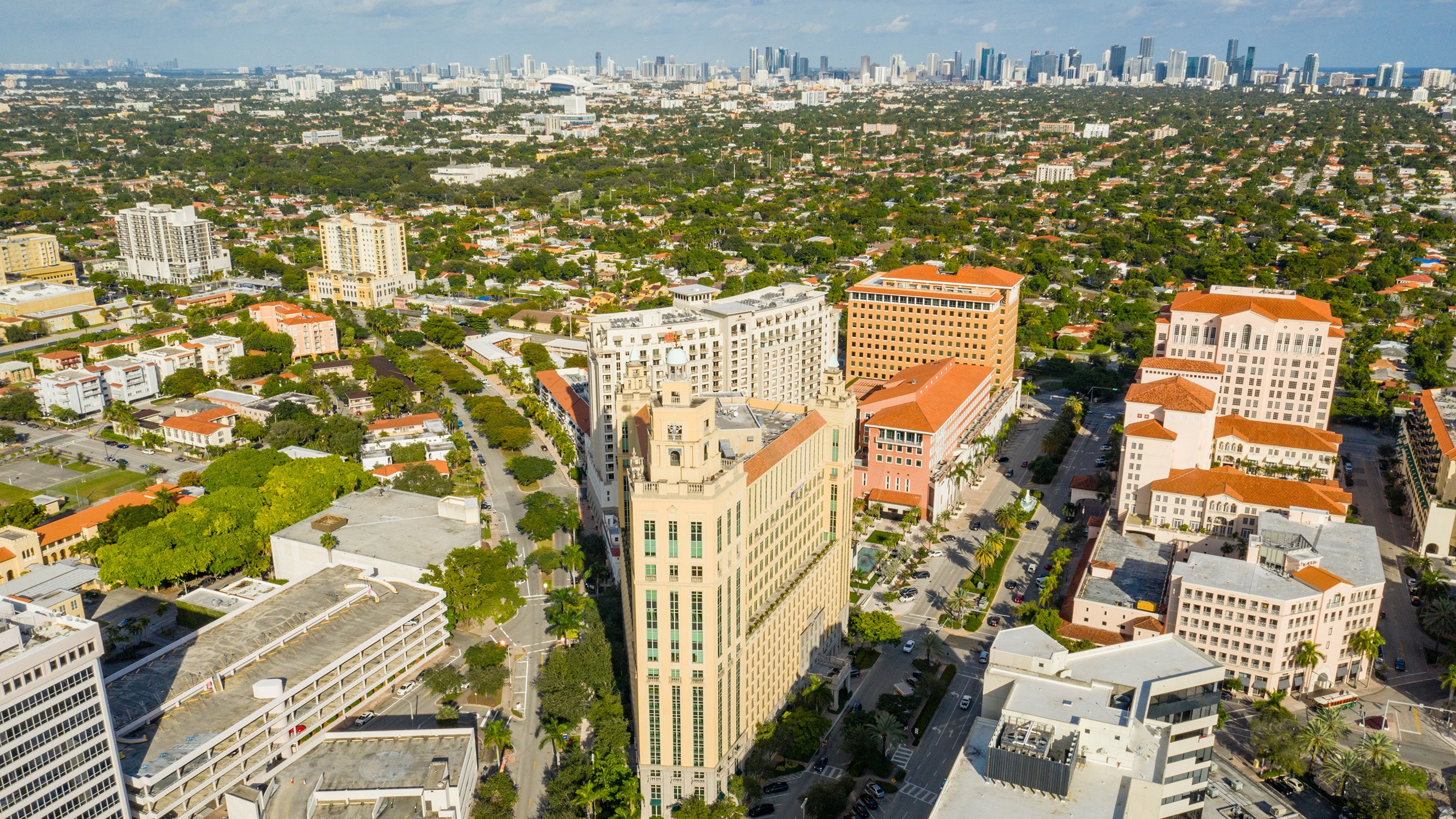
Ponce-Davis is an unincorporated, low-density residential pocket in Miami-Dade County where large estate lots and a private, almost country-like streetscape sit minutes from Coral Gables, Pinecrest, and South Miami’s daily conveniences.
For South Florida buyers who already understand waterfront and high-rise prestige, Ponce-Davis offers a different register of luxury: acreage, discretion, and control over the arrival experience. Homes are typically set back behind mature landscaping, and gated entries are common, creating a neighborhood rhythm that feels intentionally removed from Miami’s pace.
1. Unincorporated neighborhood - county rules, not a city hall Ponce-Davis is not its own municipality, which means residents generally navigate county-level rules and processes rather than a dedicated municipal government. For buyers, this shows up in practical details: permitting timelines, how certain services are administered, and how neighborhood character is handled within the applicable framework.
In an estate market, “who governs what” can be as consequential as finishes. Before underwriting a major renovation or new build, align your team early on the jurisdictional realities so there are no surprises after design is finalized.
2. Defined by estate lots - the acreage lifestyle is the headline Ponce-Davis is known for large estate parcels and a low-density feel, with housing stock dominated by luxury single-family homes on oversized lots. The appeal is not simply interior square footage; it is the spatial buffer around the home.
That buffer supports privacy, expansive landscaping, and a sense of calm that is increasingly scarce in core Miami. It also creates meaningful separation from nearby neighborhoods where land constraints are pushing denser patterns.
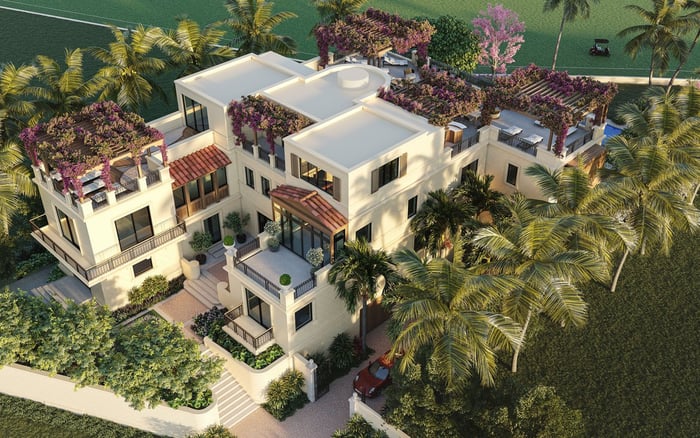
3. A privacy-first streetscape - set-backs, gates, and mature canopy Many homes sit back from the road behind mature landscaping, and gated entries are common. This is not performative; it is structural. The neighborhood’s visual language tends to keep architecture discreet while the grounds do the talking.
For buyers who value discretion, Ponce-Davis functions like an enclave without a single unified gate. It reads as everyday quiet luxury-expressed through distance, landscaping, and minimal visibility.
4. The boundaries are practical - and buyers should know them Ponce-Davis is commonly described as bounded by Kendall Drive to the north, Sunset Drive to the south, Old Cutler Road to the east, and Red Road to the west. In a market where adjacent sub-areas can blur in conversation, understanding the working boundaries helps buyers compare like for like.
Because neighborhood definitions can vary by map and by listing, verify where a specific home sits in relation to those edges. Value can hinge on micro-location, especially when traffic patterns and school zoning questions enter the decision.
5. Location is the quiet advantage - between Coral Gables and Pinecrest Sitting between Coral Gables and Pinecrest places Ponce-Davis near major amenities without requiring a high-visibility address. That adjacency is a meaningful part of the proposition: you can live on an estate lot while staying close to the Gables’ dining and cultural orbit and Pinecrest’s residential appeal.
It is also a strategic base for buyers who balance business centers and family life. The neighborhood’s seclusion is real, but it is not remote.
6. Nearby retail and daily life are close - including Dadeland While Ponce-Davis reads as private, it is not isolated. The area is close to Dadeland Mall and nearby shopping and dining districts in South Miami and Coral Gables, which keeps everyday logistics straightforward: groceries, fitness, errands, and last-minute hosting needs.
For buyers coming from more resort-forward coastal zones, this is the lived-in luxury advantage: the estate experience without the friction of distance.
7. University proximity can matter - the University of Miami is nearby The University of Miami is nearby, and that proximity often becomes a quietly meaningful factor for households connected to the institution, as well as for buyers who want to stay close to the intellectual and cultural activity it brings to the area.
Proximity is also about access-to athletic events, campus resources, and the broader South Miami ecosystem shaped by a major university presence.
8. Parks are part of the lifestyle - from local walks to bayfront nature Dante Fascell Park is a nearby, go-to option for walking and sports. For a neighborhood built around private grounds, a convenient public green space still matters, especially for families and those who prioritize daily outdoor time beyond the home.
Matheson Hammock Park, nearby in Coral Gables, adds a different dimension: Biscayne Bay access and a renowned manmade atoll pool. It is one of the closest “nature plus water” escapes for Ponce-Davis residents who want a weekend feel without leaving the city.
9. Exclusivity can go even deeper - gated enclaves exist within the area Within the broader Ponce-Davis and nearby High Pines context, gated enclaves exist, including Stonegate, often characterized as a small, highly exclusive guard-gated community with a limited number of custom homes.
This matters for buyers deciding between privacy styles. Some want the organic seclusion of set-back estates; others want the psychological certainty of a controlled entry point. In this submarket, both exist, and each can support long-term value in a different way.
In the current luxury environment, continued all-cash activity and the role of real estate as a core allocation for ultra-high-net-worth buyers remains a consistent theme. Ponce-Davis fits that thesis: limited inventory, deep-lot scarcity, and a privacy profile that cannot be easily replicated.
Start with land and siting. In Ponce-Davis, the lot is often the primary asset: setbacks, landscaping maturity, and the way the home is positioned drive the emotional experience and the resale narrative.
Next, evaluate the home’s size and functional layout. Listings in the neighborhood commonly exceed 5,000 square feet, but buyers should look beyond the number. Prioritize ceiling heights, natural light, indoor-outdoor flow, and whether the plan supports contemporary living without forcing a full rework.
Finally, underwrite privacy in a concrete way. A gated entry is one part, but so is sightline control, landscaping strategy, and the relationship between the home and the street. The best properties feel calm before you ever reach the front door.
Ponce-Davis is an argument for horizontal luxury: land, privacy, and customization. The counterpoint is Miami’s newest generation of amenity-rich towers, where service and location intensity are the premium.
For buyers who want a city-forward lifestyle, Brickell’s ultra-luxury pipeline speaks to a different priority set, including full-service living and a lock-and-leave rhythm. When you are evaluating that alternative, the conversation often includes 888 Brickell by Dolce & Gabbana and 2200 Brickell, both of which embody the neighborhood’s vertical, design-driven trajectory.
Ponce-Davis, by contrast, is a commitment to a private, campus-like home base. It is not about concierge access; it is about control over space, sound, and visibility.
Some buyers love the estate lifestyle but prefer a high-service residence for part of the year. In that blended approach, Coconut Grove becomes a natural companion market to Ponce-Davis, offering walkability and waterfront energy without fully leaving the tree-canopy feel.
If you want Grove proximity with a newer, curated residential experience, consider how Four Seasons Residences Coconut Grove and The Well Coconut Grove position wellness, service, and design. They are not substitutes for a Ponce-Davis estate. They are alternatives for households that want a second address with a different operating model.
The key is clarity: estate living is an ownership experience; full-service living is a hospitality experience. Both can be luxury. They are simply different answers.
Ponce-Davis has long supported serious design ambition, from full-scale renovations to custom interiors. The neighborhood’s lot profiles and privacy buffers give owners flexibility to create dramatic indoor-outdoor sequences, guest accommodations, and layered landscaping.
For buyers evaluating older construction, focus on the renovation fundamentals: ceiling height potential, structural constraints, and whether the home’s orientation can be optimized for light and privacy. Because properties are often screened from the street, the most important “views” are frequently internal: gardens, courtyards, and poolside terraces.
Where is Ponce-Davis located in Miami-Dade County? It is commonly described between Kendall Drive, Sunset Drive, Old Cutler Road, and Red Road, positioned between Coral Gables and Pinecrest.
Is Ponce-Davis a city? No. It is an unincorporated area, so residents generally deal with county-level governance rather than a municipal government.
What types of homes are typical in Ponce-Davis? The neighborhood is primarily luxury single-family estates, often on oversized lots.
How private does Ponce-Davis feel? Many properties are set back with mature landscaping, and gated entries are common, creating a notably secluded residential character.
Are there gated communities within Ponce-Davis? Yes. Some sub-areas include gated enclaves, with Stonegate often cited as a highly exclusive guard-gated option.
How close is Ponce-Davis to shopping and dining? It is near major conveniences, including Dadeland Mall and dining districts in South Miami and Coral Gables.
Is the University of Miami close to Ponce-Davis? Yes. The University of Miami is nearby and is frequently considered a location benefit.
What parks are near Ponce-Davis? Dante Fascell Park is nearby for walking and sports, and Matheson Hammock Park offers Biscayne Bay access and its well-known atoll pool.
Do homes in Ponce-Davis tend to be large? Yes. Listings commonly exceed 5,000 square feet, reflecting the area’s estate-home profile.
Why do ultra-high-net-worth buyers choose Ponce-Davis? The combination of large lots, limited through-traffic, and privacy-first design offers a discreet alternative to waterfront and high-rise living.
For a tailored shortlist and next-step guidance, connect with MILLION Luxury.
If branded residences are on your mind — as a home or as an allocation — we would be glad to share what we are seeing, privately.
Begin a quiet conversation