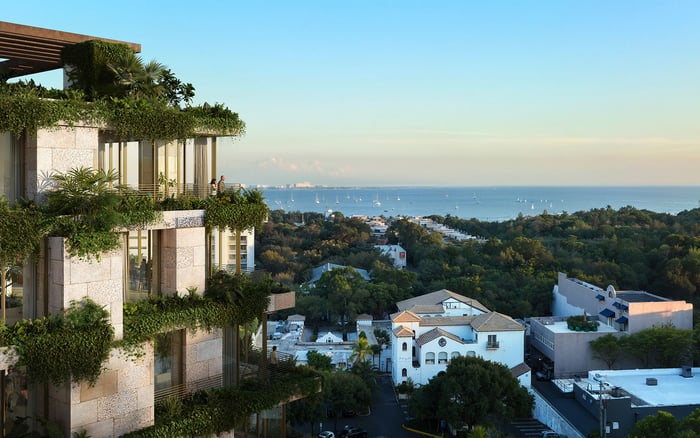
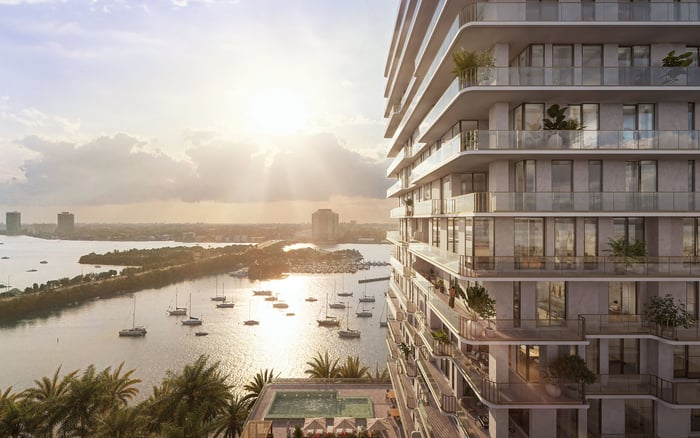
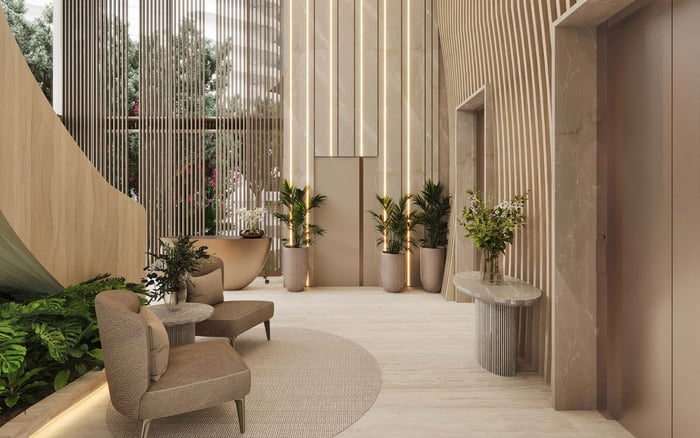
In Pompano Beach, a new set of branded towers is reframing what “having the view” actually means. Privacy, floorplate, exposure, and amenity design can matter as much as raw height. Here is how to evaluate the view proposition across three distinct models: ultra-boutique, standalone residential, and hotel plus residences.
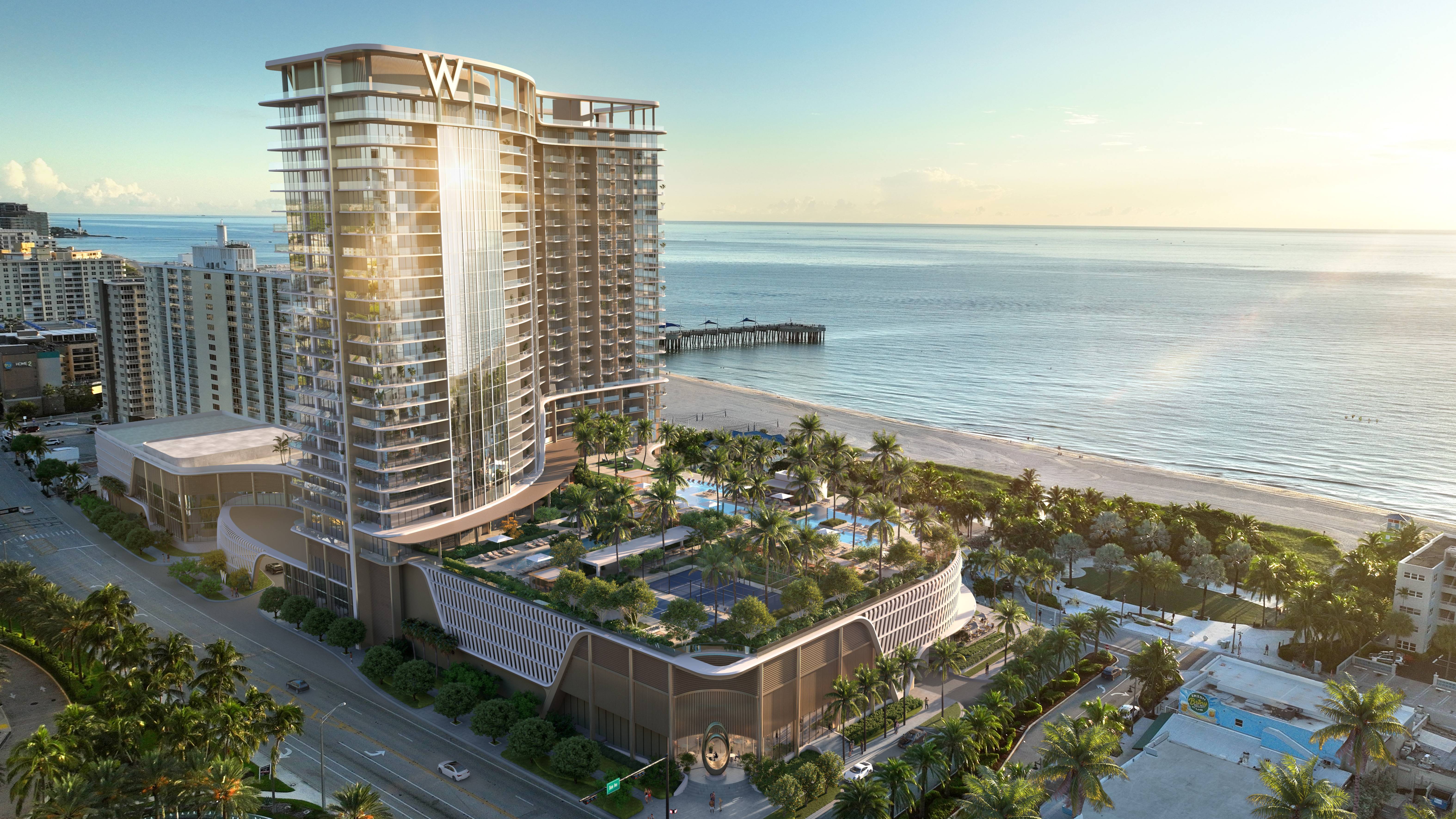
Pompano Beach has outgrown the old shorthand of “higher is better.” The latest oceanfront launches are branded, design-led, and far more deliberate about how they frame day-to-day life along the Atlantic. For buyers who shop visually, the view is not a single feature. It is a system shaped by orientation, glazing, terrace depth, neighboring density, and how the building stages your relationship to the shoreline.
That is why comparing Pompano’s new branded towers is less about crowning a winner and more about aligning a view profile with a lifestyle. An ultra-low density, full-floor concept can read like owning the horizon. A larger, standalone residential tower can offer more variety in exposures and elevations. A hotel plus residences model can make the ocean feel curated, with shared decks and a more social rhythm.
In South Florida, these distinctions are becoming a new status language. Sophisticated buyers are asking not only what they will see, but when they will see it, from which rooms, and with how much privacy.
Before comparing any address or brand, separate marketing from sightline reality.
Start with exposure. In Pompano Beach’s incoming inventory, some residences focus on Atlantic-facing orientation, while others also emphasize Intracoastal-facing orientation. The difference matters: the ocean delivers a singular, uninterrupted horizon, while the Intracoastal offers a more dynamic scene of waterway movement, boats, and sunset light.
Next is floorplate and unit count. Lower residence density can mean fewer balconies in your peripheral view and a quieter exterior edge. This is not only aesthetic. It can change how “owned” the panorama feels the moment you step onto the terrace.
Then consider the balcony-to-glass relationship. Private outdoor space is the real theater seat. Deep terraces and expansive glazing can make a mid-level residence feel legitimately panoramic, because you live in the transition between interior and sky.
Finally, give amenities their due. An oceanfront deck can function as a second horizon for owners who use shared spaces as an extension of the home. The key question is whether the amenity experience reads like a private club or like a busy resort. Building type, including condo-hotel components, often determines that answer.
Pompano’s branded pipeline can be understood as three archetypes, each delivering a distinct view experience.
The Armani Casa Residences Pompano Beach vision is publicly described as two 19-story towers totaling 28 residences, with marketing centered on full-floor, one-per-floor layouts. For view-first buyers, that combination typically translates into a strong sense of visual ownership: fewer neighbors per level, multi-direction sightlines, and terraces that feel personal rather than shared by proximity.
The project’s landscape approach also signals that the view experience begins before you reach the residence. An oceanfront park designed by West 8 has been described as part of the public realm concept, which can matter for buyers who value a more composed foreground to the horizon. Here, boutique living becomes a view strategy, not just a social preference.
The Waldorf Astoria Residences Pompano Beach has been promoted as a standalone branded residential tower planned at 28 stories with 92 residences. A higher residence count does not automatically dilute the view proposition. Often, it expands the menu: more elevations, more orientations, and more ways to balance morning light with evening color.
Publicly marketed materials highlight both Atlantic (east) exposure and Intracoastal (west) exposure depending on residence orientation. For many South Florida buyers, that distinction defines “waterview” as a day-to-night experience. Ocean views can feel meditative; Intracoastal views can feel cinematic.
The project also promotes resident boat slips, a detail that can redefine a water lifestyle. In that context, the view is not only something you look at. It is something you launch into.
Amenities are part of the Waldorf Astoria view story as well, with an oceanfront pool deck positioned as a primary shared vantage. For buyers who enjoy a service-forward environment, that deck can act as an extension of the residence, especially when entertaining.
A different equation emerges at the W Pompano Beach Hotel & Residences, described as a 24-story oceanfront development combining residences with furnished condo-hotel suites. From a pure view perspective, building type influences how the ocean is experienced. The Atlantic is framed from private balconies and glazing, but also delivered through an ecosystem of decks, lounges, and hospitality-driven design.
Marketing emphasizes a large WET pool deck, reinforcing the ocean as the center of the shared social scene. For some buyers, that is the appeal: the horizon becomes a curated backdrop to a more energetic routine. For others, particularly those prioritizing quiet, it is a prompt to ask sharper questions about privacy, traffic, and whether shared view corridors will feel like an owner’s club or a resort on peak weekends.
The smartest view purchases in oceanfront markets come from buyers who treat the view as a long-term asset, not a first impression.
Begin with orientation and room placement. A residence can have a stunning east-facing living room, but if the primary suite looks inland, you may not feel the ocean as part of daily life. When possible, prioritize layouts where the main living areas and the primary suite both participate in the horizon.
Next, evaluate terrace geometry. Where publicly marketed, wraparound terraces are not only about square footage. They create optionality: sunrise coffee on the east, an evening wind-down on another exposure, and a bigger sense of sky.
Then interrogate density. Lower unit counts per floor generally reduce balcony “noise” at the edges of your view. That can be a meaningful luxury at night, when neighboring interior lighting becomes part of the visual field.
Finally, treat amenity decks as view real estate. Ask where the oceanfront deck sits, how many users it must serve, and how the experience changes on high-traffic weekends. A spectacular shared deck can be a true value-add, but only if it matches your tolerance for activity.
The right choice often comes down to how you want to relate to water.
If you want the horizon to feel private and uninterrupted, the ultra-boutique model is compelling. Full-floor living and lower residence counts can create a calmer relationship to the shoreline.
If you want choice and flexibility, a larger standalone residential tower can be advantageous. More residences can mean more ways to tune exposure, elevation, and price point. This is also where you may see a clearer split between Atlantic-forward and Intracoastal-forward identities.
If you want energy and programming, a hotel plus residences concept can make the ocean feel like a daily event. The trade-off is underwriting privacy differently, because the building is designed for more movement through shared spaces.
For buyers surveying the broader set of Pompano options within greater Miami and South Florida, it can also be useful to track other residential offerings nearby, such as The Ritz-Carlton Residences® Pompano Beach, to calibrate how different brands interpret the same coastline.
View premiums are real, but they are not always linear.
Top floors often command the most obvious premium because they maximize horizon distance and reduce visual clutter from neighboring roofs. Yet mid-to-upper floors can be a sweet spot when they pair strong elevation with better wind comfort, more immediate beach detail, and a closer sense of connection to the water.
The most valuable waterview for one buyer can be the least useful for another. If you travel frequently and want an effortless lock-and-leave routine, amenity-forward living can be a feature. If you plan to spend extended seasons in residence, privacy and interior quiet become view multipliers.
The most durable strategy is to buy the view that matches your daily ritual. Sunrise-focused owners often prioritize east exposure and bedroom participation. Sunset-focused owners often prefer westward Intracoastal moments and a terrace that is ready for the evening.
What is the single biggest factor in “best views”? Orientation, plus how many primary rooms directly face the water.
Are higher floors always better for oceanfront views? Not always. Mid-to-high floors can balance horizon distance with comfort.
Why do boutique buildings matter for view quality? Lower density can mean fewer competing balconies and more day-to-day privacy.
What does boat-slip access change for an owner? It shifts water from scenery to a usable lifestyle, with direct access.
How does a condo-hotel component affect owners? It can increase activity in shared spaces and change how privacy feels.
Do wraparound terraces materially improve views? Yes. They expand angles, light, and usable vantage points throughout the day.
Can amenity decks substitute for in-unit view frontage? They can complement it, but crowding and privacy expectations still matter.
What should I ask about an oceanfront pool deck? Where it is positioned, how many users it serves, and what rules govern use.
Do Intracoastal views hold value versus ocean views? They can, especially for sunset light and a more animated scene.
How should I compare three different branded models? Match the building type to your priorities: privacy, variety, or programmed energy.
Explore Pompano’s view-driven new construction with MILLION Luxury.
If branded residences are on your mind — as a home or as an allocation — we would be glad to share what we are seeing, privately.
Begin a quiet conversation