Buying pre‑construction in Palm Beach County demands more than admiring renderings. This guide details how to evaluate a developer’s track record, construction quality, financing, delivery discipline, brand partnerships, and legal transparency—so your investment aligns with the ultra‑luxury standard you expect. With Palm Beach’s rapid pipeline of branded and boutique towers, knowing what to ask, verify, and document can protect timelines, finishes, amenities, and long‑term building operations. Practical checklists and local examples help you separate polished marketing from performance.
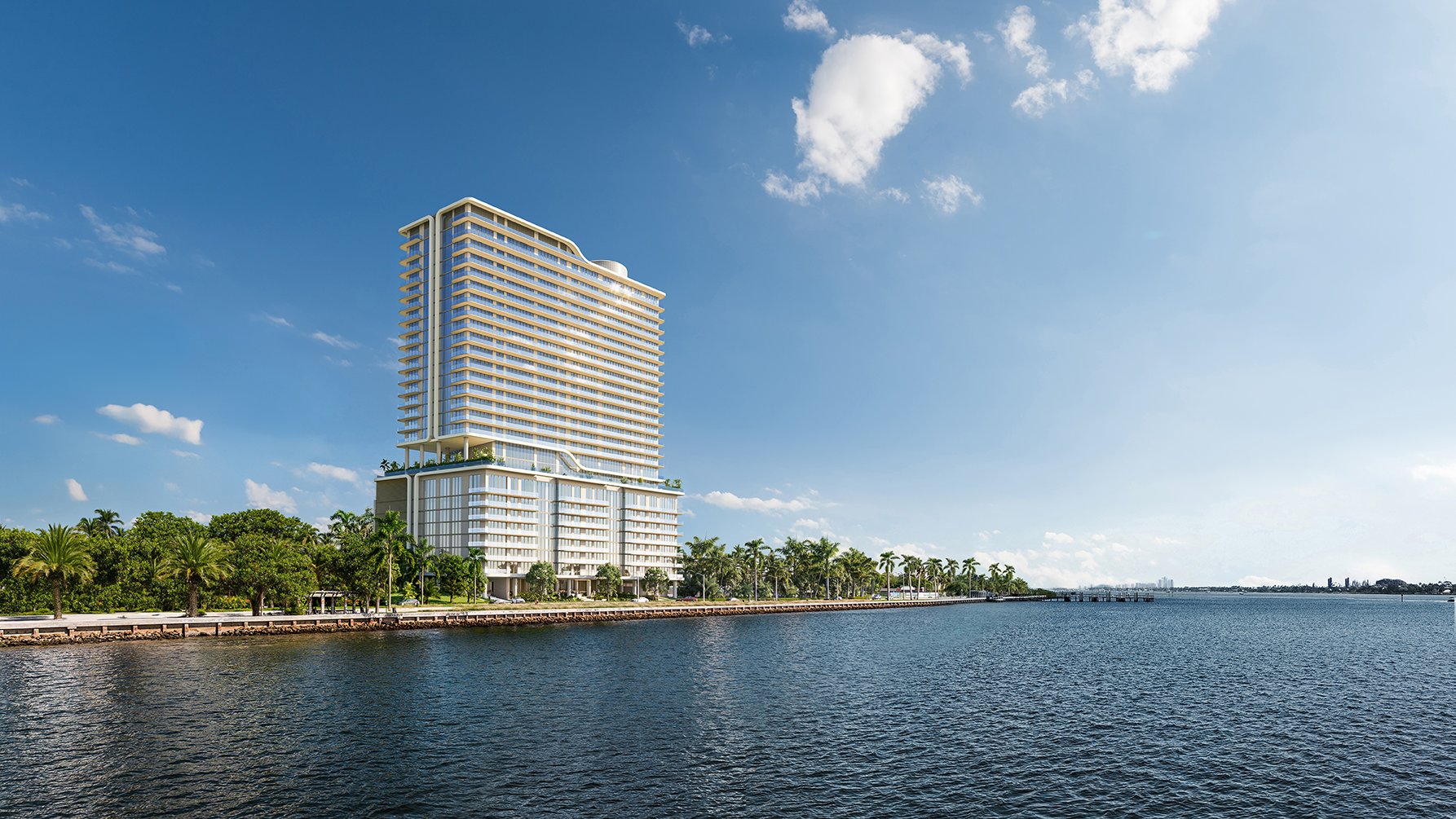
Buying a pre‑construction ultra‑luxury condominium in Palm Beach County is a thrilling proposition, but your signature secures a promise, not a finished home. Vetting the party making that promise is therefore the highest‑value due diligence you can perform. Across the coastline—from boutique island addresses to skyline‑defining waterfront towers—the right developer brings deep capitalization, disciplined execution, and a culture of quality that shows up in structural integrity, finishes, amenity operations, and resale performance. Conversely, weak sponsors can create delays, substitutions, or governance headaches that undermine the five‑star lifestyle you are seeking in Palm-beach and nearby submarkets.
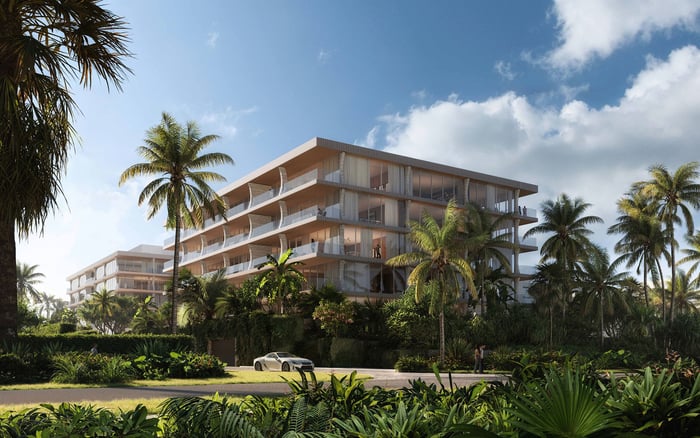
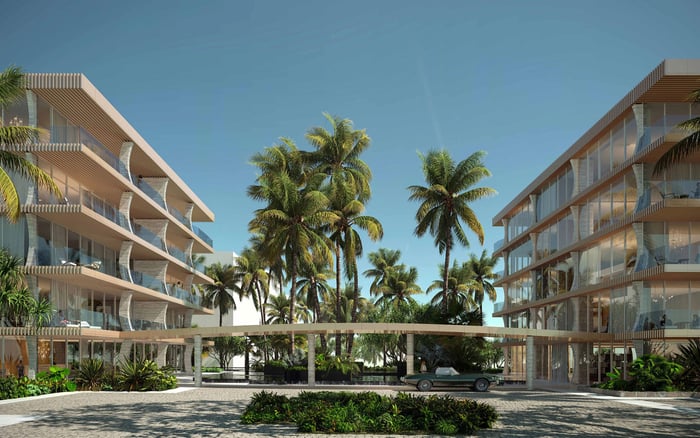
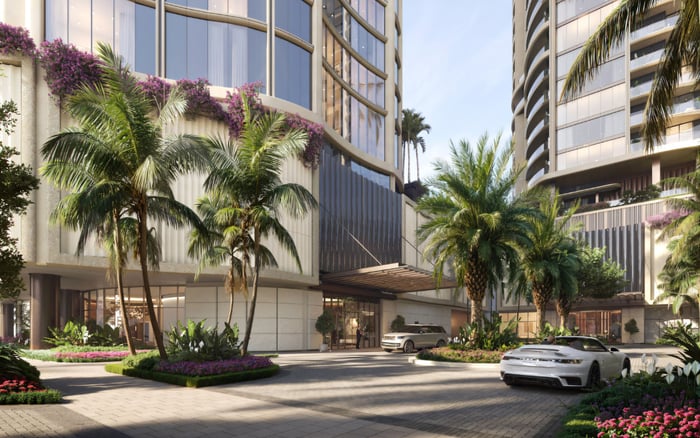
The goal is straightforward: confirm that the team you are entrusting with millions can deliver to the ultra‑luxury standard of South Florida. That requires looking past marketing and into evidence: past completions, engineering outcomes, lender scrutiny, contract protections, and the caliber of the architect, builder, and property‑management partners. Local examples—from Alina Residences Boca Raton to The Ritz-Carlton Residences® West Palm Beach and The Ritz-Carlton Residences® Palm Beach Gardens—illustrate how top‑tier developers pair design pedigree with transparent delivery and well‑run services. On the island, the proposed Aman Palm Beach Residences shows how brand standards can raise the bar on details and operations.
Build a factual résumé. List the developer’s completed condominiums, concentrating on comparable, high‑end buildings in Palm Beach County and adjacent markets. Record completion years, architect and general contractor, number of units, density per floor, and the amenity program. Then look for patterns: on‑time closings, change‑order discipline, service quality, and post‑delivery performance. In Boca-ratón, for example, observing how a developer executed at Alina Residences Boca Raton—from envelope quality to lobby wear‑and‑tear—can speak volumes about their standards for the next phase or new venture.
See the buildings as they live, not as they launched. If possible, visit prior completions or commission a specialist to walk common areas and mechanical spaces. You are looking for early water intrusion, sealant failures, settlement cracking, elevator reliability, and acoustic performance between units and around elevator cores. Observe amenity operations at peak hours. Are spa, pool deck, and fitness facilities staffed and pristine, or is there visible strain from under‑budgeting? Ask residents about warranty responsiveness during year one and year two.
Search for disputes—and read what they allege. Litigation is not uncommon in high‑rise development; the signal is in volume and substance. Ask your attorney to run public‑records searches for the developer and principals, and to identify repeated themes such as defect clusters or missed outside dates. A single unit‑level dispute may be noise; a pattern is not. Treat news and filings as a starting point, then match what you learn against what is promised in today’s offering materials.
Demand evidence for the structure. In a post‑Surfside regulatory environment, credible developers welcome scrutiny. Request available engineering or third‑party peer‑review summaries from recent completions. Ask what quality‑assurance regimen will govern waterproofing, façade systems, balcony connections, and MEP coordination. If the developer touts innovation—say, high‑performance glazing or energy systems—ask who is engineering it, who has installed it locally, and how it will be maintained.
Read the specifications like a builder. Ultra‑luxury projects talk about stones, woods, and hardware; the real test is whether the specifications lock those promises. Are stone thicknesses, slab grading, and finishes defined, or is the language generic with broad substitution rights? Are appliance packages and smart‑home systems precisely listed, including model lines and integration standards? If there is an artisan detail—custom millwork, ribbed limestone, bronze accents—verify the fabricator and their load. The right sponsor will have vetted supply chains and mockups long before sales launch.
Assess acoustic, privacy, and elevator design. High‑end living relies on silence and speed. Look for low unit counts per floor, acoustic matting below hard flooring, double‑studded demising walls where needed, and elevator banks that minimize long waits. Buildings such as The Ritz-Carlton Residences® West Palm Beach and The Ritz-Carlton Residences® Palm Beach Gardens are instructive because brand governance tends to enforce high service ratios; use that lens even when a project is not branded.
Interrogate the amenity plan—and the operating plan. A beautiful list is easy to print; running it to a five‑star standard is the work. Confirm whether spa and fitness are purpose‑built or retrofitted into awkward footprints. Understand food and beverage concepting and whether there is on‑site culinary leadership. Review furniture and materials appropriate for oceanfront conditions. Finally, insist on the staffing model: 24/7 front desk, experienced chief engineer, housekeeping options, pool attendants, and concierge services. If the budget shows light staffing for heavy amenities, fees will jump later or service will slide.
Verify capitalization. Ask directly about construction financing and equity. Projects with committed construction loans have cleared independent underwriting on cost, schedule, sponsorship, and presales. If financing is pending, probe contingency planning and equity depth. Confirm land ownership and encumbrances. Well‑capitalized sponsors can absorb weather or supply‑chain shocks without degrading specifications.
Study the developer’s delivery history. Does the sponsor habitually announce aggressive timelines and then extend, or do they under‑promise and close on schedule? Your attorney can analyze prior offering materials to see original delivery ranges and compare to actual certificate‑of‑occupancy dates. Chronic re‑phasing or repeated “force majeure” extensions are cautionary. In parallel, examine the general contractor’s high‑rise experience and their recent backlog; overextended teams miss milestones.
Know your outside date. Florida pre‑construction contracts typically define an outside completion date that, if missed, may permit you to cancel and recover deposits. Do not rely on sales talk; ask counsel to mark the clause and the universe of permissible extensions. Where possible, calibrate your personal timeline around the outside date, not the marketing date, and require regular schedule updates as a condition of continued escrow. Sponsors who are confident in their sequencing will offer transparent reporting.
Budget realism is a feature, not a bug. Understated monthly assessments may look attractive during sales, but they can undermine operations later. Cross‑check projected payroll with the service standard being promised. If the building aspires to country‑club amenities, the budget must fund country‑club staffing and reserves. Expect robust line items for engineering, janitorial, concierge, IT systems, insurance, and a capital‑reserve contribution suited to the building’s complexity.
Architectural pedigree matters most when coupled with buildability. A celebrated architect or interior designer is a positive signal when the developer can execute their details at scale. Ask about the design‑assist process, mockups, and who signs off on quality during installation. Palm Beach buyers have seen how global brands import exacting standards; use that leverage even in unbranded buildings by insisting on named consultants and enforceable performance standards.
Brands as quality proxies. Branded residences like The Ritz-Carlton Residences® West Palm Beach and island‑level offerings such as Aman Palm Beach Residences tend to codify service levels and materiality to protect the flag. That scrutiny is additive, but brand complexity can extend timelines if the sponsor lacks depth. Your vetting question is not only “which brand,” but “which owner’s team is proven at delivering that brand’s playbook in Florida.”
Local execution is its own advantage. Palm Beach County’s codes, logistics, and oceanfront conditions reward local knowledge. Even when a sponsor is global, ask who the Florida‑proven general contractor, façade subcontractor, and MEP engineer are, and how the team will address corrosion resistance, negative pressure, and hurricane events. Buildings that feel effortless years after opening usually had the right local partners long before groundbreak.
Prospectus alignment. The condominium prospectus and exhibits are where marketing becomes binding. Confirm that the number of units, density per floor, ceiling heights, elevator count, and amenities match what you were shown. Watch for broad substitution language that would permit material downgrades; some flexibility is normal, but wholesale changes should be off‑limits or require buyer consent.
Construction exhibits and finishes schedules. Request and review finish schedules, appliance model lines, stone specifications, and lighting packages. If sample residences are offered, ask whether the exact assemblies and trade partners will be used. Where you are paying for artisan craft, request mockup photography or factory information.
Governance, fees, and reserves. Scrutinize the initial budget, reserve studies if available, and turnover provisions. Identify when the developer will transfer control of the board and whether they intend to retain or lease inventory. Ensure insurance assumptions reflect current market realities for waterfront assets. If the property aspires to five‑star service, the pro forma must fund it from day one.
Transparency during construction. Ask for a communications plan: monthly construction updates, milestone photos, and periodic hard‑hat tours once safe. A sponsor that is proud of its progress will welcome informed questions. Set expectations early so that surprises are minimized and your closing experience is orderly.
Lifestyle fit. Ultimately, you are buying a pattern of living, not just square footage. If you value low‑density privacy and a certain service cadence, choose a developer who has delivered that exact rhythm before. That is why examples such as The Ritz-Carlton Residences® Palm Beach Gardens or downtown‑adjacent projects like Alina Residences Boca Raton are useful case studies; the brand or team behind them signals a philosophy of service that you can benchmark.
A final note on expectations: even the best‑run projects can encounter weather or supply‑chain turbulence. The difference at the ultra‑luxury level is how developers plan for it, communicate through it, and deliver despite it. When your diligence confirms deep capitalization, experienced teams, and documents that enshrine the brand promise, you upgrade your odds that the home you close on feels exactly like the home you imagined.
What is the single most telling indicator that a developer will deliver? A consistent record of on‑time, on‑spec completions under the same principals, supported by institutional construction financing, is the strongest predictor. Pair that with clear, enforceable specifications and you have the right signals.
How much weight should I give to a luxury brand association? Treat the brand as a quality multiplier, not a guarantee. Brands impose standards and audits, which helps, but you still need a sponsor with Florida‑proven teams to execute that playbook.
What should I look for in condo fees and the initial budget? Fees should fund the service level being promised. If a building aspires to resort‑grade amenities, there must be line items for 24/7 staffing, engineering, insurance, technology, and reserves. Light budgets are a red flag.
Can I rely on the model unit to judge finishes? Use it as a guide, then verify the exact model lines and specifications in the contract exhibits. If a finish matters to you, ensure it is named, with substitution limited or prohibited.
Which documents protect my timeline the most? The contract’s outside date and extension clauses are key. Have counsel mark them, align your plans with the outside date, and require written schedule updates as construction advances.
To discuss projects and diligence strategies tailored to your goals in Palm Beach County, connect with us at MILLION Luxury.
If branded residences are on your mind — as a home or as an allocation — we would be glad to share what we are seeing, privately.
Begin a quiet conversation