A practical luxury-buyer guide to evaluating doorman discretion, visitor control, child pickup rules, staff confidentiality, and privacy culture at Park Grove Coconut Grove.
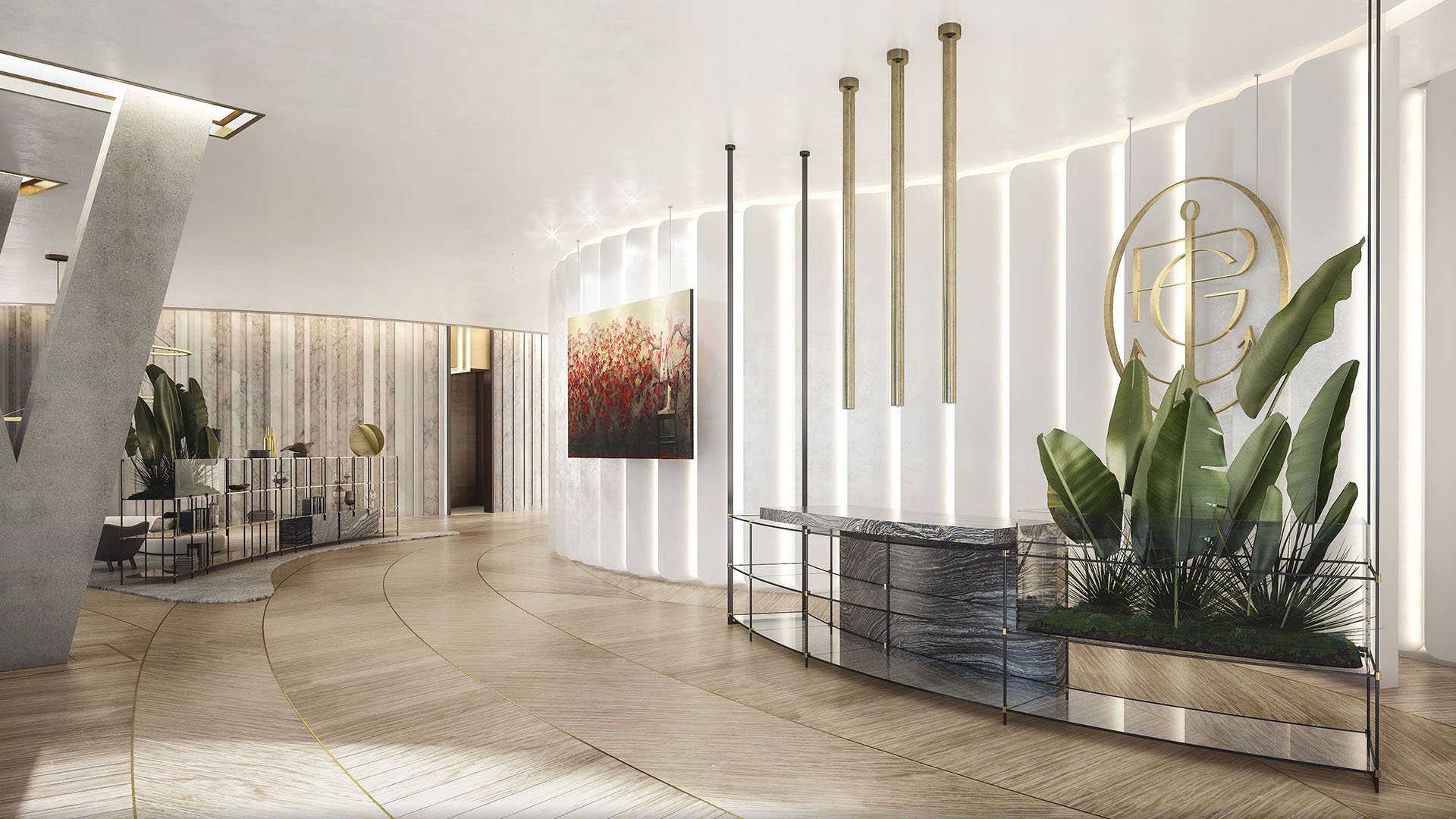
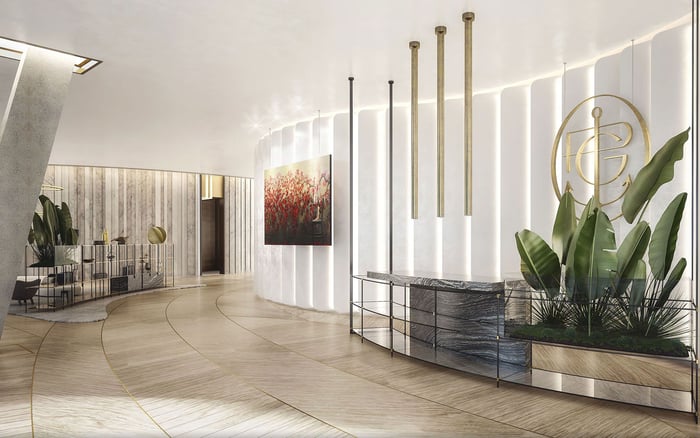
For family buyers evaluating Park Grove Coconut Grove, doorman discretion should be treated as a central part of the privacy conversation. A front desk can shape how daily life feels when children, caregivers, tutors, drivers, vendors, guests, and deliveries are moving through a residential setting.
The issue is not simply whether staff are pleasant. It is whether courtesy is matched by consistent verification, disciplined communication, and a service culture that understands what should not be said aloud. In a South Florida luxury condominium context, privacy is often protected as much by human judgment as by physical access points.
Family buyers should therefore move beyond a surface-level amenity review. Ask how the building handles household instructions, visitor approvals, access exceptions, restricted individuals, and confidential information across all staff interactions.
Luxury service can feel effortless, but confidentiality should never be assumed. Buyers should ask whether doormen, concierge personnel, valet staff, security, housekeeping, and amenity teams operate under the same expectations for resident privacy. A polished greeting is not enough if another staff member casually confirms a schedule, unit number, guest name, or travel plan.
Ask management whether there is a written privacy and confidentiality policy. Then ask how it is trained, refreshed, documented, and enforced. The distinction matters because informal familiarity may feel gracious until it creates unwanted information-sharing.
The strongest service environments do not simply manage arrivals. They also prevent private information from becoming casual conversation. Names, family routines, school patterns, custody arrangements, medical visitors, domestic staff schedules, and travel dates should be treated as private household information.
A family buyer should ask exactly how visitors are verified before access is granted. That includes friends, extended family members, recurring guests, one-time visitors, tutors, nannies, housekeepers, personal assistants, drivers, vendors, contractors, and delivery personnel.
The strongest answers will be operational. Who authorizes access? Can instructions be customized by resident? Are approved visitors treated differently from contractors? Are delivery personnel held at a designated point? Are vendors escorted, logged, or restricted by time? Can residents create separate rules for domestic staff, children’s caregivers, and restricted individuals?
Consistency matters because a privacy protocol is only as strong as its weakest point of execution. Buyers should ask whether all relevant entry, service, valet, and amenity personnel follow the same access-control expectations.
Families should isolate one subject and discuss it in detail: how the building handles minors. Children arriving home alone, being collected by a driver, meeting a tutor, or receiving a visitor when parents are absent all raise practical questions that differ from standard guest access.
Ask whether parents can provide written pickup instructions and whether those instructions can be customized by child, caregiver, date, or circumstance. Ask what happens if an unauthorized person attempts to meet a child in the lobby, asks staff to confirm whether a child is home, or claims to be a family friend.
For affluent families, the lobby is not only a reception area. It is a transition zone between school, extracurricular life, domestic staffing, social visits, and the private residence. The building’s treatment of that transition can reinforce a family’s security plan or quietly undermine it.
Discretion becomes most visible when something goes wrong. Buyers should ask whether the property keeps logs for visitors, vendors, deliveries, incidents, and access exceptions. Equally important, ask who may review those records and under what circumstances.
Logs are not about creating friction for residents. They are about accountability. If a vendor arrives outside an approved window, if a delivery goes missing, if a guest is sent to the wrong location, or if a staff member shares information inappropriately, the building should have a way to reconstruct what happened.
Ask how management investigates breaches of discretion, including gossip, disclosure of resident information, unauthorized access, or casual confirmation that a resident is home or away. A sophisticated buyer should listen for specificity. “We take privacy seriously” is a sentiment; a disciplinary process, training record, escalation path, and documented incident review are systems.
Some households may include public figures, executives, founders, artists, athletes, or families who simply do not want their routines discussed. Even when a household is not publicly known, the same standards should apply.
Ask how staff handle media inquiries, unsolicited attempts to locate a resident, and social-media behavior by employees or contractors. Staff should not post images that reveal resident routines, vehicles, children, guests, unit locations, private events, or travel patterns. Nor should they confirm whether someone lives in the building, is present, is expected, or has recently departed.
The issue is not celebrity treatment. It is equal privacy. A building culture that protects one high-profile resident should also protect the quieter family whose concerns are personal rather than public.
A showing can reveal more than finishes. Observe how staff speak, what they say aloud, and how they manage interruptions. Do they mention residents by name in public areas? Do they discuss deliveries, guests, or schedules within earshot? Do they appear confident when verifying access, or do they rely on recognition and assumption?
Also consider the rhythm of the property. Amenities, valet activity, guest arrivals, and service movement can create a steady flow of people. The goal is not to eliminate activity. It is to manage it with calm precision.
If possible, speak with existing residents about the building’s tone. Ask whether staff are warm but discreet, or whether the culture leans toward gossip, overfamiliarity, or informal information-sharing. True discretion often feels quiet. It is present in what is not said, not displayed, and not casually confirmed.
Before a purchase, ask management for direct answers to the questions that affect daily life. Are resident names, unit numbers, schedules, and guest details protected? Are all front-of-house and amenity staff trained under the same confidentiality standards? Can residents customize instructions for family members, employees, vendors, guests, and restricted individuals?
Ask how privacy protocols are maintained during shift changes, holidays, temporary staffing, turnover, and major building events. Ask how a new staff member learns household-specific instructions. Ask whether children’s pickup rules can be recorded in writing and updated quickly. Ask how exceptions are logged and who audits them.
Doorman discretion is not about making a building feel guarded. It is about allowing a family to live naturally within a service culture that understands boundaries. At the highest level, privacy is not cold; it is gracious, practiced, and exact.
Is doorman discretion a major issue for family buyers at Park Grove Coconut Grove? Yes. It can affect privacy, child safety, guest access, and household routine management.
Should buyers assume Park Grove has detailed written privacy rules? No. Buyers should verify current policies directly with building management before relying on assumptions about internal protocols.
What should staff avoid confirming to outsiders? Staff should not confirm resident names, unit numbers, schedules, travel plans, guest details, or whether someone is home.
How should visitors and vendors be handled? Buyers should ask how the building verifies guests, tutors, drivers, nannies, housekeepers, assistants, contractors, deliveries, and one-time visitors.
Why are child pickup rules important? Children may arrive alone or leave with caregivers, so written instructions and strict authorization procedures are essential.
Should valet and amenity staff receive the same privacy training? Yes. Confidentiality should extend beyond the front desk to valet, concierge, security, housekeeping, and amenity personnel.
What logs should a family ask about? Ask about visitor, vendor, delivery, incident, and access-exception logs, including who can review them and when.
How can buyers assess the building’s discretion culture? Observe staff behavior during visits and ask residents whether the service culture is discreet, consistent, and not overly familiar.
What matters during shift changes or holidays? Buyers should confirm that privacy instructions remain consistent during temporary staffing, busy periods, turnover, and major events.
What is the best way to shortlist comparable options for touring? Start with location fit, delivery status, and daily lifestyle priorities, then compare stacks and elevations to validate views and privacy.
For a confidential assessment and a building-by-building shortlist, connect with MILLION.
If branded residences are on your mind — as a home or as an allocation — we would be glad to share what we are seeing, privately.
Begin a quiet conversation