A practical guide for luxury buyers on using operating cost realism to refine a South Florida real estate shortlist before private tours begin.
In South Florida luxury real estate, the first private tour is rarely the true beginning of the purchase decision. By the time a buyer steps into a waterfront residence, studies the light across a terrace, or imagines family dinners in a sculptural kitchen, the emotional architecture of the choice has already begun to form. That is precisely why operating cost realism belongs at the front of the process, not after a favorite home has taken hold.
For a serious buyer, the question is not simply whether a residence can be acquired. The sharper question is whether the full cost of ownership aligns with how the property will actually be used. A primary residence, a second home, and an investment property can each carry a different tolerance for recurring costs, capital projects, rental limitations, staffing expectations, and liquidity preferences.
The most elegant shortlist is not the longest one. It is the one where every address has survived a practical ownership review before seduction enters the room.
Purchase price receives the attention because it is visible, negotiable, and emotionally charged. Operating costs are quieter. They arrive monthly, quarterly, annually, or unexpectedly, and they influence how a property feels long after closing.
For a condominium buyer, the recurring picture may include association assessments, insurance carried by the association, individual policy costs, property taxes, utilities, valet or parking charges, staff gratuities, club or amenity fees where applicable, and future assessment exposure. For a single-family buyer, it can include insurance, property taxes, landscape care, pool service, security, seawall or dock upkeep where relevant, generator maintenance, elevator service if present, and general property management.
None of these items is inherently negative. In the ultra-premium market, high service often carries a real cost, and that cost may be entirely appropriate for the lifestyle delivered. The issue is not whether a residence is expensive to operate. The issue is whether the expense is proportionate, expected, and comfortable.
A disciplined buyer should create an annual ownership budget before requesting showings. This does not need to be theatrical or overly complex. It should simply distinguish known recurring costs from variable costs and potential capital exposure.
Known recurring costs are the easiest to review. They include regular assessments, property taxes, routine services, and baseline insurance assumptions. Variable costs require more judgment. These may include usage-driven utilities, seasonal service adjustments, storm preparation, maintenance intensity, and travel-related management if the home will not be occupied year-round. Potential capital exposure is the category buyers most often underweight, especially when a property’s visual condition is excellent.
This is where operating cost realism becomes a form of luxury discipline. A residence may show beautifully and still be misaligned with a buyer’s desired ownership rhythm. Another may be less dramatic on first impression but offer a cleaner, more predictable operating profile.
In full-service condominium living, the monthly assessment is often misunderstood as a simple cost to be minimized. That can be the wrong lens. A lean assessment may be attractive, but buyers should understand what it includes, what it excludes, and whether the building’s service promise is adequately funded.
Doorman coverage, valet operations, fitness programming, spa facilities, pool decks, beach service, private dining rooms, elevators, security, engineering teams, reserves, and insurance structures all contribute to the operating character of a building. The more elaborate the service platform, the more important it becomes to understand whether the budget feels stable and transparent.
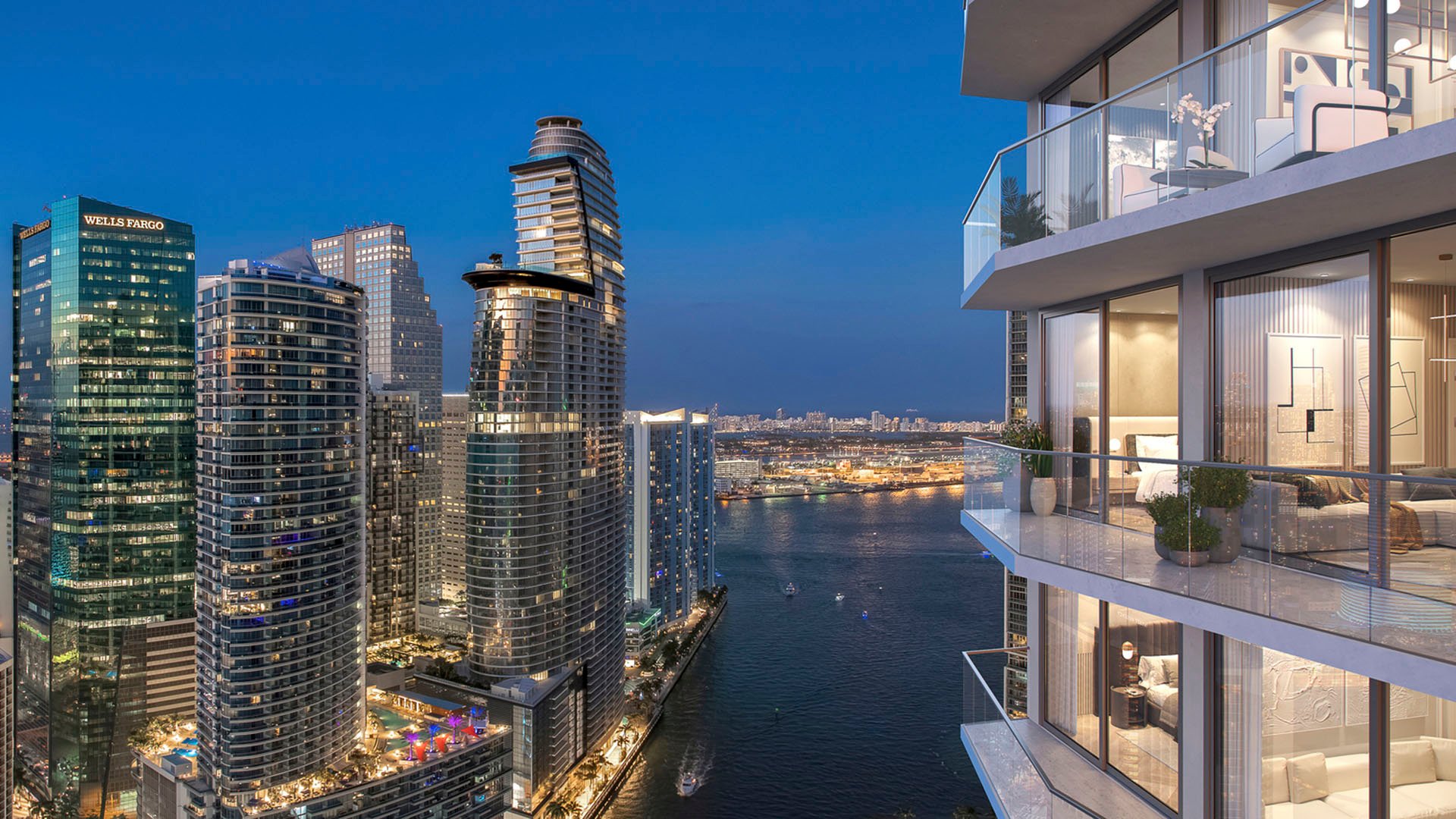
This is especially relevant in Brickell, where high-rise living often competes on convenience, amenity density, and access to dining and business life. It is also central to oceanfront ownership, where exposure, maintenance standards, and hospitality expectations can shape the total cost of enjoyment. A low-friction lifestyle is valuable, but it should be priced into the decision with eyes open.
A single-family estate offers control, privacy, and independence, but it also shifts responsibility to the owner. There is no association staff absorbing many of the small complexities of daily operation. The home itself becomes the operating platform.
Buyers should think beyond square footage and finishes. Who will manage the property when the owner is away? How often will systems need inspection? Is the landscape design simple to maintain or highly curated? Does the residence rely on specialized materials, imported fixtures, or complex smart-home infrastructure? Are pool, security, irrigation, lighting, and generator systems straightforward or highly customized?
For families relocating permanently, these questions become part of household planning. For seasonal owners, they become part of risk management. For investment-minded buyers, they influence net performance and tenant experience. The more private and bespoke the property, the more valuable a clear operating plan becomes.
New construction can offer modern systems, fresh design, and a sense of reduced immediate maintenance. Still, buyers should review what ownership will look like once the building or home is fully operational. Initial estimates may not always capture the long-term feel of staffing, reserves, insurance, amenity use, and service expectations.
Resale properties provide a different advantage: a more observable operating history. Buyers can often evaluate how a residence has functioned across real ownership cycles. The tradeoff is that older systems, prior renovations, deferred maintenance, or upcoming building work may require deeper scrutiny.
Neither category is automatically safer or more efficient. The right choice depends on whether the buyer prefers newer delivery with evolving cost visibility or established ownership patterns with a more tangible record.
Before the first tour, each candidate property should pass three tests.
First, the annual carrying cost should feel rational relative to intended use. A residence used for a few weeks each year requires a different emotional equation than a primary home used daily. Second, the cost structure should be legible. If the buyer cannot easily understand what is fixed, what is variable, and what may change, the property is not yet ready for the shortlist. Third, the operating profile should support the lifestyle promise. A service-rich building, waterfront estate, or amenity-driven tower must be evaluated as an ongoing experience, not a static asset.
This framework does not make the search less romantic. It makes the romance more durable.
When operating assumptions are addressed early, the tour becomes more productive. Buyers ask better questions. They see amenities with sharper context. They understand whether a dramatic terrace, private elevator foyer, club-level service model, or expansive garden is a pleasure they genuinely want to maintain.
It also helps couples, families, and advisors align before preferences diverge. One person may value convenience above all else. Another may prioritize privacy. A third may care about future liquidity. Operating cost realism gives everyone a shared language before the conversation becomes purely aesthetic.
In the highest tier of South Florida property, confidence is not created by urgency. It is created by clarity.
Why review operating costs before touring luxury properties? It prevents emotional favorites from advancing if the ownership profile does not fit the buyer’s intended use, comfort level, or long-term plan.
Are higher operating costs always a warning sign? No. Higher costs may be appropriate when they support meaningful service, privacy, security, amenities, or property complexity.
What should condominium buyers review first? They should understand regular assessments, what those assessments include, insurance structure, reserves, staffing, and possible future capital needs.
What matters most for single-family ownership? Buyers should focus on insurance, taxes, maintenance, landscaping, security, systems, property management, and any waterfront or specialty features.
Is new construction easier to budget than resale? Not always. New construction may have modern systems, while resale can offer a more visible operating history.
How should a second-home buyer think differently? A second home often needs management, monitoring, and maintenance even when the owner is not in residence.
Can operating costs affect investment strategy? Yes. Recurring costs influence net return, pricing flexibility, tenant experience, and the long-term hold strategy.
Does Brickell ownership differ from waterfront estate ownership? Yes. Brickell often emphasizes vertical service and convenience, while private waterfront homes may require more direct owner oversight.
Should oceanfront buyers expect added maintenance considerations? They should evaluate exposure, building standards, insurance assumptions, and the level of service required to preserve the experience.
What is the best sign that a shortlist is financially sound? Every property should have a clear annual ownership picture that feels comfortable before the buyer enters the residence.
To compare the best-fit options with clarity, connect with MILLION.
If branded residences are on your mind — as a home or as an allocation — we would be glad to share what we are seeing, privately.
Begin a quiet conversation