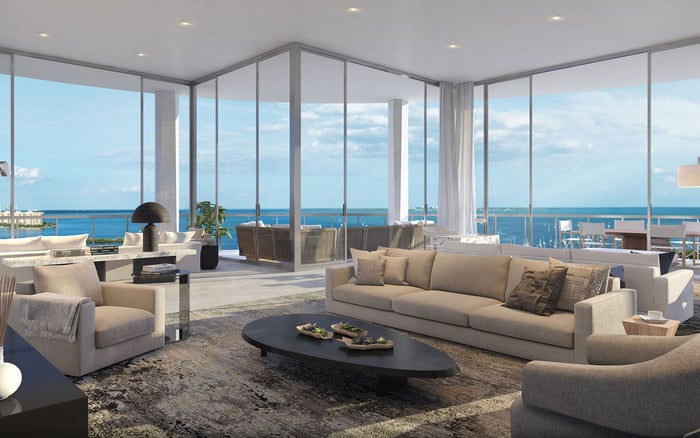
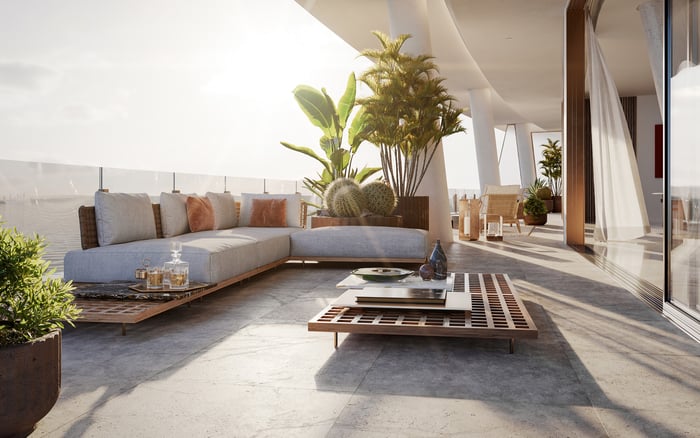
A buyer-focused privacy framework for evaluating recovery-room living at Park Grove Coconut Grove in 2026, with emphasis on circulation, acoustics, terraces, service choreography, and resale resilience.
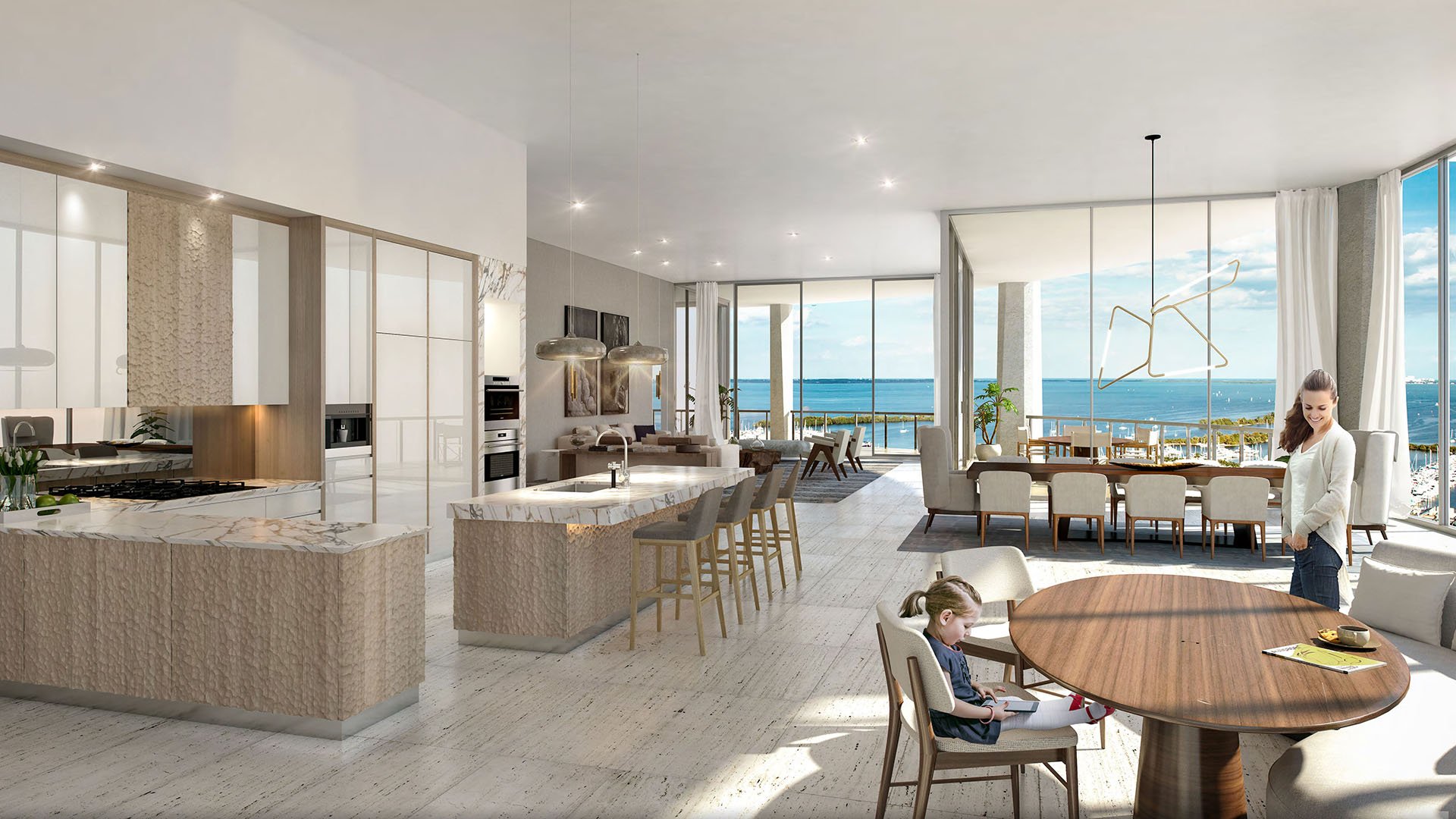
For the next generation of South Florida luxury buyers, the recovery room is no longer a decorative amenity concept. It is becoming a residential privacy test. At Park Grove Coconut Grove, the most sophisticated buyer conversation in 2026 is not simply about views, finishes, or building prestige. It is about whether a residence can support quiet restoration without exposing the rituals that make wellness feel personal.
This is where Park Grove Coconut Grove belongs in the broader Coconut Grove conversation. The neighborhood has long appealed to buyers who prefer discretion over spectacle, landscape over glare, and residential calm over constant performance. A private recovery routine, whether centered on stretching, breathwork, cold therapy, massage, infrared heat, or post-training rest, requires more than square footage. It requires sequence.
The buyer test is simple: can someone enter, recover, shower, change, and return to daily life without crossing the public rhythm of the home? If the answer is yes, the residence feels current. If the answer is no, the wellness space becomes another room to stage rather than a genuine instrument of privacy.
In ultra-prime real estate, wellness has moved beyond the gym. Buyers are now assessing how a home protects the body at its most unguarded moments. A recovery room is intimate by nature. It is used after exertion, travel, medical treatments, demanding workdays, or private training. It should never feel like a room placed for display.
This shift is especially relevant in a market where families, executives, athletes, founders, and seasonal residents increasingly use the home as a complete operating environment. The residence must entertain beautifully, but it must also retreat convincingly. That duality is the essence of mature luxury.
At Park Grove Coconut Grove, the privacy conversation should begin before a buyer studies finishes. The first question is not what can fit inside a room. The first question is who can see, hear, interrupt, or pass through the routine. A recovery area on the wrong circulation path may technically satisfy a wellness wish list while failing the lived experience.
The best recovery-room privacy begins at arrival. A buyer should imagine coming home after a long flight, a morning run, a session with a trainer, or a day on the water. The route from entry to recovery should feel intuitive and contained. If the path requires crossing formal entertaining areas, passing through the kitchen during service, or moving through the center of family life, the plan asks too much of the resident.
The more refined arrangement allows a quiet transition. Foyer, secondary corridor, wellness room, bath, dressing, and bedroom should relate without theatrics. This does not require a vast footprint. It requires planning discipline.
For resale value, this choreography matters because future buyers will increasingly recognize the difference between a branded wellness idea and a truly private residential sequence. In 2026, the buyer who understands circulation will see what a casual tour might miss.
Privacy is not only a door. It is a set of visual and acoustic conditions. A recovery room near glass, terrace areas, or a balcony can be exceptional if the exposure is carefully managed. It can also become uncomfortable if neighboring sightlines, family circulation, or guest movement compromise the sense of retreat.
Buyers should stand in the likely recovery zone and look outward, then inward. What is visible from the living room? What is visible from the terrace? What can be seen from adjacent seating, dining, or circulation areas? The most luxurious answer is rarely total enclosure. It is controlled openness.
Sound is equally important. Recovery often involves quiet breathing, guided work, water, equipment, music, or the simple need for silence. A room that shares a wall with active entertaining space may not perform well, even if it photographs beautifully. The buyer should listen for elevator proximity, service movement, family-room acoustics, and mechanical sound. In high-end residences, serenity is an engineering outcome as much as an aesthetic one.
A convincing recovery area should relate intelligently to water and dressing. If the recovery ritual includes showering, changing, skin care, massage, heat, ice, or hydration, the adjacency of bathrooms, closets, and utility areas becomes essential. A wellness room isolated from these functions may look serene yet operate poorly.
The strongest layouts allow a resident to move from recovery to bath to wardrobe without reentering the social body of the home. This is particularly important for households with staff, visiting family, private chefs, trainers, or guests. Luxury is the ability to preserve personal routines without asking the household to adjust around them.
At Park Grove Coconut Grove, buyers should evaluate whether the residence can absorb these rituals elegantly. The goal is not to overbuild a spa. The goal is to create a private residential loop that supports repeat daily use.
South Florida buyers naturally gravitate toward outdoor living, and a waterview can elevate the recovery experience dramatically. Still, exterior recovery must be handled with caution. A terrace can extend a wellness ritual, but it should not become the only place where calm is possible.
Interior recovery offers climate control, acoustic protection, and more predictable privacy. Terrace recovery offers air, light, and the emotional reset of landscape. The best residence allows both, with neither dependent on the other. A shaded reading chair after a treatment, a quiet balcony stretch at sunrise, or a protected transition from interior calm to outdoor air can feel deeply luxurious when the plan supports it.
The test is whether the terrace feels connected without making the recovery room feel exposed. If outdoor access requires crossing a formal living space, the ritual becomes less private. If the transition is direct, discreet, and visually controlled, the terrace becomes a genuine extension of the wellness program.
Privacy is most often broken by movement. A home may have beautiful rooms, but if everyone passes through the same corridor, the recovery routine becomes visible. Buyers should study how staff, children, guests, and service providers would move during a normal day.
Where would a trainer arrive? Where would towels be stored? Where would water, supplements, robes, or equipment live? Could a visiting therapist work without crossing the most formal part of the residence? Could the space be used while guests are present for dinner? Could a partner sleep while another person completes an early recovery routine?
These questions may seem granular, but they separate a trophy residence from a deeply livable one. Ultra-premium buyers are increasingly sensitive to operational elegance. The best homes do not simply impress. They reduce friction.
A serious buyer at Park Grove Coconut Grove should treat recovery privacy as a due-diligence category. During a showing, the buyer should walk the likely recovery sequence at different speeds. Move as if arriving from travel. Move as if returning from training. Move as if guests are in the living room. Move as if staff are preparing dinner. The floor plan will reveal its intelligence quickly.
The checklist should include entry discretion, bathroom adjacency, closet proximity, sound separation, equipment storage, ventilation logic, lighting control, terrace exposure, service access, and the ability to close down the ritual completely. A beautiful room that cannot disappear when not in use is less valuable than a quieter space that performs every day.
This is also where design restraint matters. Recovery rooms should not be over-themed. Materials should be tactile, durable, and calm. Lighting should be layered rather than theatrical. Storage should conceal the tools of recovery. The mood should be restorative, not clinical.
The most resilient luxury residences tend to anticipate how buyers will live next, not only how they live now. Recovery-room privacy is one of those signals. It reflects a larger movement toward homes that protect time, health, and discretion.
At Park Grove Coconut Grove, the 2026 buyer should not ask whether a residence can contain wellness features. Many homes can. The better question is whether the residence can protect wellness rituals from the social and operational life of the home. That is the distinction between amenity and architecture.
For the right buyer, this level of privacy is not indulgence. It is function. It supports performance, rest, family boundaries, and the quiet dignity of being unseen when one chooses to be unseen.
What is a recovery-room privacy test? It is a buyer’s review of whether a home can support wellness routines without exposing them to guests, staff, or main household circulation.
Why does this matter at Park Grove Coconut Grove? Park Grove Coconut Grove attracts a privacy-minded luxury buyer, making discreet wellness planning especially relevant in 2026.
Should a recovery room be near the primary suite? Often yes, if the connection allows access to bath, dressing, and rest areas without crossing public rooms.
Is terrace access good for a recovery room? It can be excellent when exposure is controlled and the outdoor connection does not compromise privacy.
What is the biggest layout mistake? Placing recovery space on a busy circulation path where family, guests, or service movement interrupts the ritual.
Does a recovery room need special equipment? Not necessarily. The more important issue is whether the room supports quiet, storage, water access, and repeat daily use.
How should buyers evaluate sound privacy? They should listen for nearby entertaining areas, elevators, mechanical systems, and service movement during a showing.
Can a guest room double as a recovery room? It can, but only if the dual use does not create clutter, awkward access, or a loss of calm.
Does recovery privacy affect resale? It can support resale appeal because future buyers are likely to value wellness spaces that are genuinely usable.
What should buyers prioritize first? Prioritize circulation, bath adjacency, acoustic separation, and the ability to keep the wellness ritual visually discreet.
To compare the best-fit options with clarity, connect with MILLION.
If branded residences are on your mind — as a home or as an allocation — we would be glad to share what we are seeing, privately.
Begin a quiet conversation