A 2026 due-diligence guide for buyers evaluating Park Grove Coconut Grove through designer-shell flexibility, renovation control, view and terrace orientation, and association review.
Park Grove Coconut Grove belongs in a category where buyers often think about architecture, service, privacy, and long-term livability at the same time. For a purchaser evaluating designer-shell flexibility in 2026, the question is not simply whether a residence can be made beautiful. It is whether the specific home, under the specific association framework, can support the level of transformation the buyer has in mind.
That distinction is critical because a renovation strategy should be unit-specific rather than assumption-driven. A buyer should study the current condition, the building procedures, the intended scope, and the practical path from contract to completion before relying on any design vision.
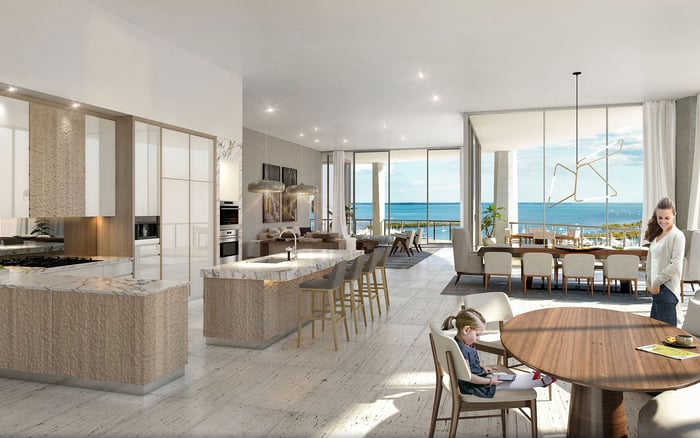
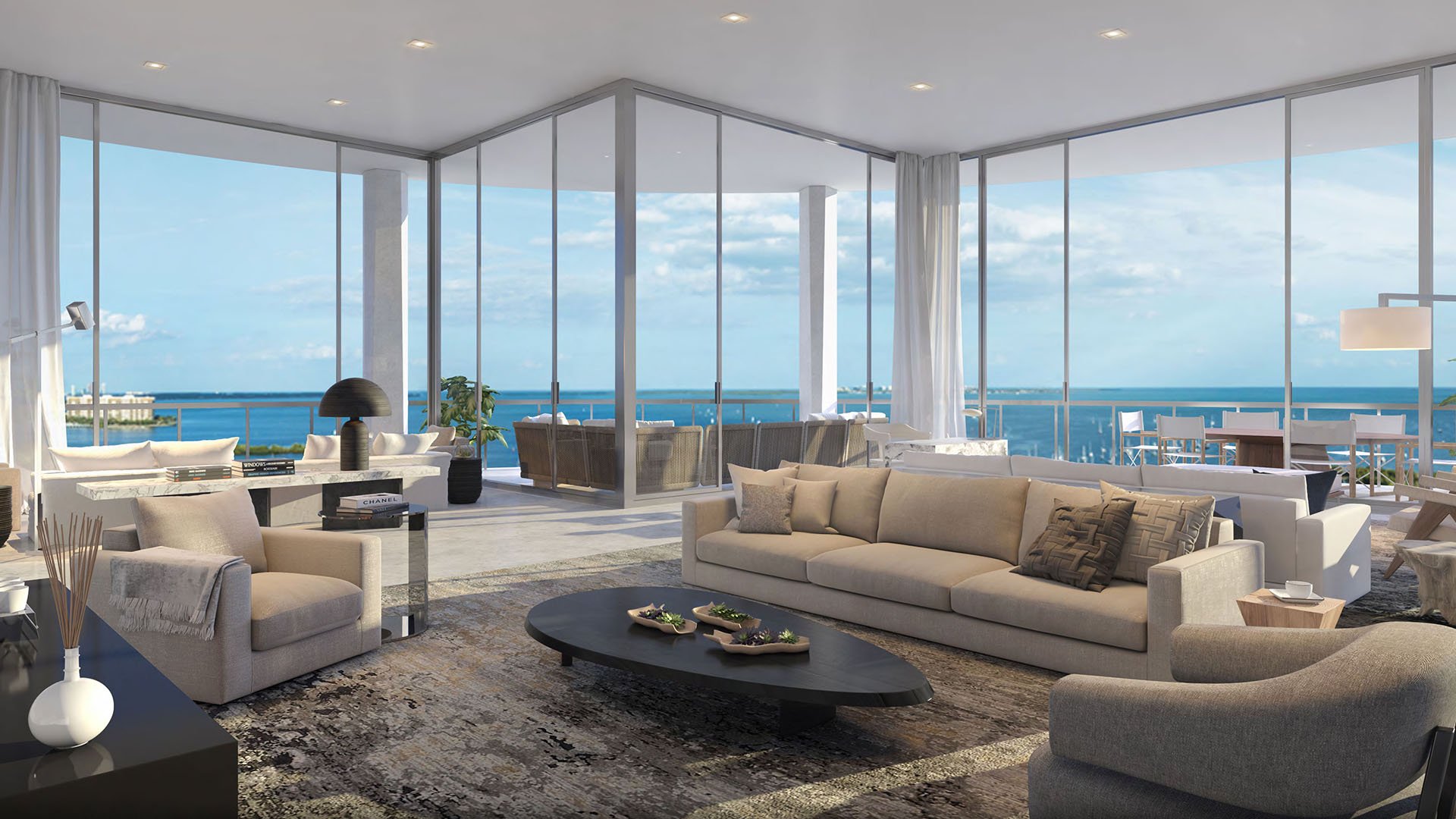
A successful plan should also respect the property context. Curved rooms, generous outdoor moments, broad glass, view orientation, and amenity-driven living may all influence how an interior should be edited. The best custom work usually feels aligned with the existing residence instead of imposed onto it.
The first checklist item is semantic but essential: determine whether the target is a true shell, a finished residence intended for gut renovation, or an existing home suited to selective upgrades. These are three distinct acquisition strategies.
A true shell, if available, may offer the cleanest conceptual canvas, but the buyer still needs to confirm association rules, mechanical limits, review procedures, and building logistics. A finished residence planned for gut renovation may appear flexible, yet existing walls, wet areas, ceiling conditions, lighting systems, and prior design choices can create both opportunity and constraint. A cosmetic upgrade strategy, by contrast, may preserve the existing plan while refining millwork, surfaces, lighting, closets, and furnishings.
In a resale context, the premium is not only the view, floor height, or finish package. It is the clarity of what can be altered, what must remain, and how long approvals may take. A beautiful listing presentation is no substitute for documents, drawings, and written guidance from the appropriate parties.
Orientation should be studied not only as a view corridor, but as a planning influence. How does the main living room relate to the strongest exposure? Does the primary suite receive the desired outlook, or is the best view concentrated in entertaining areas? Does the terrace configuration support dining, lounging, and quiet morning use, or is it primarily visual?
Floorplate analysis should precede aesthetic planning. A designer-shell strategy depends on the logic of the plan: entry sequence, column locations, room proportions, ceiling opportunities, kitchen placement, bath adjacencies, and the relationship between interior rooms and outdoor space. The most successful custom homes in a building like Park Grove tend to feel inevitable, as if the design was drawn from the architecture rather than forced onto it.
Penthouse buyers should apply this scrutiny with particular discipline. Larger residences can suggest greater freedom, but scale can also intensify complexity. More rooms, broader entertaining ambitions, and more elaborate finish programs may require additional coordination with building operations and professional teams.
For ultra-premium buyers, the association framework should be treated as part of the property, not an administrative afterthought. Before closing, review the condominium documents, alteration agreement, architectural-review process, contractor requirements, deposit expectations, work-hour rules, noise limitations, and elevator or loading protocols.
The key is not to assume approval, even for work that appears internal. Luxury condominium buildings often manage renovations through structured procedures designed to protect residents, staff, common areas, and building systems. Deliveries, debris removal, contractor access, protective coverings, elevator scheduling, and staging can all shape the renovation experience.
Buyers should ask for a realistic approval timeline and understand what must be submitted. Plans, contractor credentials, insurance documentation, engineering input, and design drawings may all become part of the process, depending on scope. Exact requirements should be verified through the applicable building and association materials.
Designer-shell ambition often meets reality at the mechanical and plumbing layer. A buyer may imagine moving a kitchen, expanding a bath, adding a staff area, or reworking a laundry zone. Each idea must be tested against wet-wall locations, drainage paths, ventilation, electrical capacity, sprinkler and life-safety systems, and ceiling constraints.
This is where early professional review earns its place. The goal is not to discourage creativity, but to separate elegant possibilities from expensive friction. A plan that preserves the most important building logic can still feel entirely custom when the design team works intelligently with proportion, light, materiality, and millwork.
The best due diligence happens before the contract becomes emotionally irreversible. Request available plans, inspect existing conditions carefully, and bring the right consultants into the conversation early enough to influence negotiations.
Park Grove’s appeal should be evaluated through more than generic luxury language. A strong interior transformation should heighten the residence’s sense of light, flow, privacy, and indoor-outdoor continuity.
That might mean preserving openness where the architecture calls for movement, selecting materials that respond to changing light, and avoiding over-compartmentalization. It may also mean recognizing that the most valuable design move is restraint. In a residence with strong spatial character, discretion can feel more luxurious than excess.
Buyers should also assess how the home lives day to day. Where will art be placed? How does evening lighting change the main rooms? Can the terrace support the owner’s preferred rhythm? Are service areas sufficient for the way the home will be staffed, entertained, and maintained?
Before closing on a Park Grove residence with renovation intent, confirm the current interior condition and the level of alteration being contemplated. Obtain the relevant condominium documents and alteration materials. Review whether the work is cosmetic, substantial, or closer to a full custom rebuild.
Evaluate floorplate, view exposure, terrace usability, balcony depth, ceiling conditions, wet-wall constraints, mechanical routes, and service access. Ask how contractors enter, where materials are delivered, when elevators can be reserved, how common areas are protected, and what deposits or insurance materials may be required.
Finally, align the purchase timeline with the design timeline. In the ultra-luxury segment, the costliest mistake is often not a finish selection. It is closing without knowing whether the intended residence can be executed within the buyer’s desired scope, timeline, and tolerance for disruption.
Is Park Grove a good candidate for designer-shell-style customization? It can be relevant for custom interiors and deeper remodel planning, but feasibility depends on the exact residence, condition, and association rules.
What is the first due-diligence question before buying? Determine whether you are buying a true shell, a finished residence for gut renovation, or a home suited to selective cosmetic upgrades.
Why does orientation matter for interior planning? Orientation can influence room hierarchy, furniture planning, lighting, privacy, and the relationship between indoor and outdoor living.
Can a buyer assume kitchens or baths can be moved? No. Plumbing, wet-wall, mechanical, ventilation, and building-system constraints should be reviewed before assuming any major layout change.
Should the association review happen before closing? Yes. The alteration process, contractor rules, work hours, deposits, and elevator logistics should be understood before the purchase is finalized.
Is cosmetic work simpler than a gut renovation? Usually, but even cosmetic upgrades should be checked against building procedures, access rules, and any applicable approval requirements.
Why should buyers request plans and documents early? Early document review helps clarify what can be changed, what may require approval, and which design ideas need professional testing.
How should a buyer evaluate terrace usability? The review should consider depth, shape, exposure, privacy, access from interior rooms, and whether the outdoor area supports the buyer’s intended lifestyle.
What professionals should be involved before a major renovation decision? Buyers commonly benefit from coordinated input from design, construction, engineering, and real estate advisors before committing to a scope.
What is the best way to shortlist comparable options for touring? Start with location fit, delivery status, and daily lifestyle priorities, then compare stacks and elevations to validate views and privacy.
To compare the best-fit options with clarity, connect with MILLION.
If branded residences are on your mind — as a home or as an allocation — we would be glad to share what we are seeing, privately.
Begin a quiet conversation