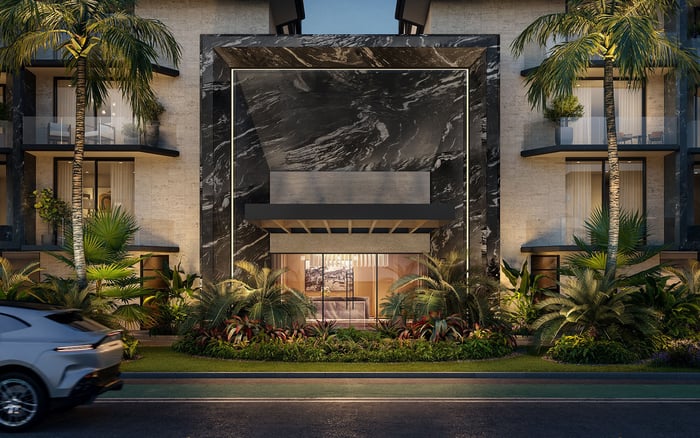
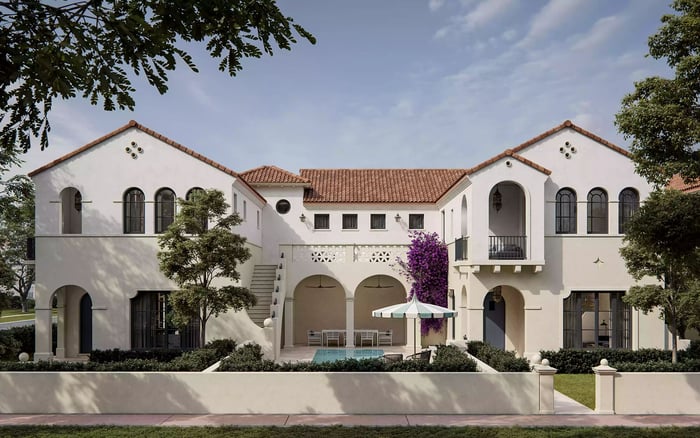
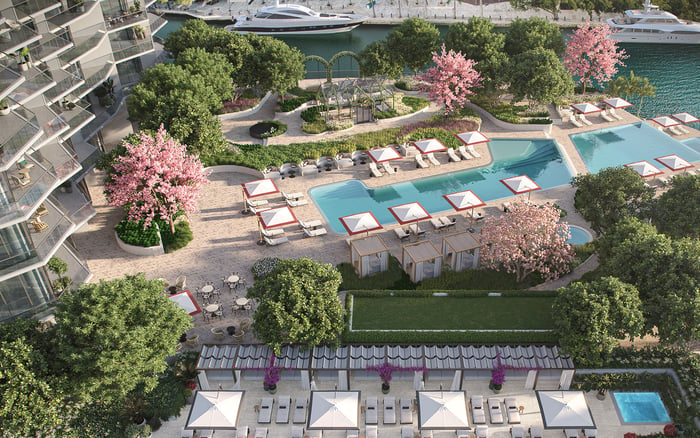
A discreet buyer’s checklist for evaluating bayfront privacy at Park Grove Coconut Grove, from Biscayne Bay sightlines and terrace exposure to acoustics, building operations, governance, technology, and long-term neighborhood change.
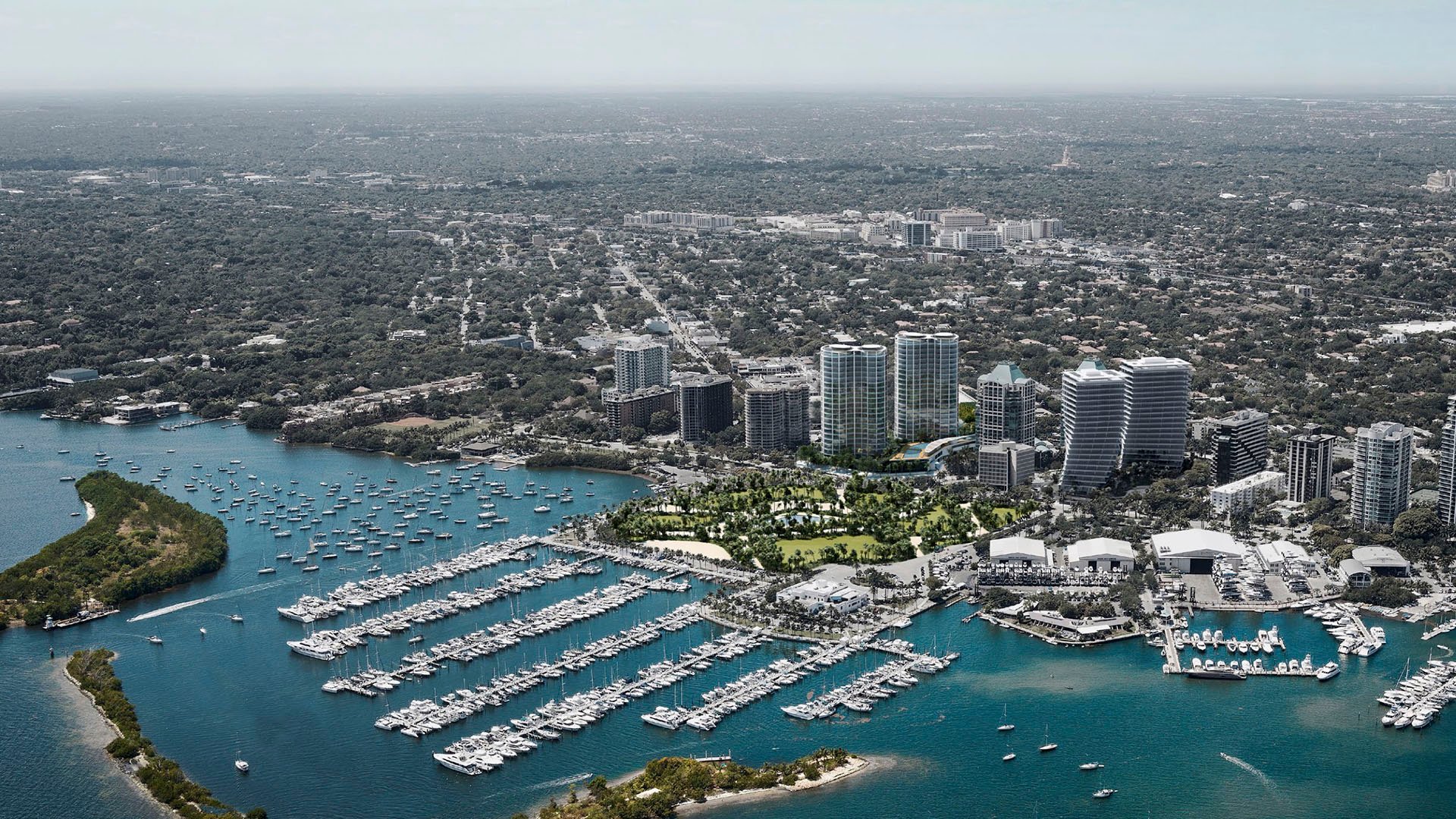
Park Grove Coconut Grove occupies the kind of bayfront position that defines the appeal of Coconut Grove itself: light, water, air, and a rare sense of remove within Miami. For buyers whose standard is true discretion, however, the same qualities that make a residence compelling also demand careful review. A bayfront condominium is never private in the abstract. It is private, or it is not, by elevation, stack, angle, glazing, terrace depth, daily rhythm, and the behavior of the surrounding waterfront.
For 2026 buyers, the right question is not simply whether Park Grove feels private. It is whether a specific residence performs privately across the hours and seasons of actual ownership. Biscayne Bay can deliver extraordinary view corridors, but it can also create exposure from boats, marinas, parks, neighboring towers, and waterfront activity. The buyer’s task is to distinguish cinematic openness from unwanted visibility.
In practical terms, this is a Park Grove Coconut Grove review shaped by Coconut Grove context, waterview exposure, marina activity, terrace depth, high-floor sightlines, and low-floor tradeoffs. The diligence should be architectural, operational, legal, technological, and neighborhood-based.
The first layer is visual privacy. A bay view should be studied not only for its beauty, but for what can look back. A buyer should stand inside the main living areas, bedrooms, baths, kitchens, and terrace zones at different times of day and ask a simple question: from where could this space be seen?
Elevation matters, but it is not the only answer. Higher floors may reduce certain pedestrian and marina sightlines, yet they can still align with neighboring towers or distant elevated points. Lower floors may benefit from vegetation and more intimate framing, but they can also sit closer to amenity decks, waterfront paths, marina activity, and public-realm movement. Privacy diligence should separate high-floor and low-floor conditions rather than assuming one is inherently superior.
Stack and floor plan are equally important. A residence with a broad bay-facing glass line may offer stronger water exposure, but it can also make nighttime interiors more legible when lights are on. Terrace depth can soften that effect, particularly where outdoor space creates a buffer between the glass and the view corridor. Shallow terraces, corner glazing, and open interior sightlines deserve closer scrutiny.
Many buyers tour during the most flattering daylight hours. Privacy should also be tested after dusk. At night, glass changes character. Interiors glow, silhouettes sharpen, and a residence that feels serene by day may become more visible from the water or nearby structures.
A serious review should include the primary entertaining areas, bedroom suites, bath zones, and any rooms with direct bay exposure. Window treatments, lighting design, furniture placement, and terrace use all matter, but they should not be treated as substitutes for site-specific privacy. The question is whether the architecture and orientation create an inherently discreet condition before interior design is asked to solve the problem.
Terraces deserve their own inspection. A terrace may feel open and luxurious, yet still expose seating, dining, pool, or lounge areas to boats or neighboring residences. Buyers should evaluate where they would actually sit, entertain, read, dine, or take calls. The most valuable outdoor space is not only large. It is usable without performance.
Acoustic privacy is often underestimated in bayfront condominiums. Water can carry sound in unexpected ways, and waterfront neighborhoods have rhythms that differ by day and week. At Park Grove, a buyer should evaluate sound during weekday marina activity, weekend waterfront use, evening traffic, and special-event conditions.
This is not simply about noise level. It is about predictability. A residence may be quiet during a weekday morning and more animated during a weekend afternoon. It may feel tranquil inside with doors closed and more exposed when terraces are in use. If a buyer expects outdoor dining, early morning coffee, or evening entertaining on the terrace, those moments should be tested in real conditions.
Acoustic review should also include internal building conditions. Elevators, service corridors, amenity areas, arrival zones, and neighboring terraces may affect perceived privacy. Luxury is not silence at all times. It is control, insulation, and the absence of intrusion where it matters most.
For high-net-worth buyers, privacy begins before the front door. The arrival sequence is part of the residence. Valet procedures, guest screening, service access, package handling, staff protocols, and contractor movement all influence how discreet daily life feels.
The best due diligence studies the building as an operating environment. How are guests announced? Where do deliveries go? How are service providers identified and routed? How are amenity reservations handled? How visible is the arrival experience from surrounding areas? These details can shape the difference between a beautiful condominium and a genuinely private address.
Buyers should request condominium documents, rules, and security policies with privacy specifically in mind. The purpose is not to create friction with the building. It is to understand how resident information, visitor access, deliveries, contractors, and shared spaces are managed. Operational discretion is a form of architecture, written in procedures rather than stone.
The modern luxury building is increasingly digital. Access systems, cameras, smart-home integrations, Wi-Fi networks, building apps, and reservation platforms may improve convenience, yet they can also create exposure if not governed carefully. A 2026 privacy checklist should include cyber and data questions alongside glass, terraces, and views.
Buyers should ask how access credentials are issued and revoked, who can view camera footage, how guest data is retained, whether smart-home systems are resident controlled, and how building communications are protected. If a residence includes integrated technology, the review should address passwords, vendor access, network separation, and ongoing maintenance responsibilities.
Digital discretion is especially relevant for owners who travel frequently, employ household staff, host guests, or maintain multiple residences. The quieter the lifestyle requirement, the more important it becomes to understand where personal data travels within the building ecosystem.
Long-term privacy depends on more than the present condition. Coconut Grove’s waterfront setting includes towers, parks, marinas, and lower-scale structures, and any one of those elements can influence future sightlines or activity patterns. A buyer should consider potential development, marina changes, park improvements, and broader waterfront public-realm use.
This does not mean assuming a negative outcome. It means evaluating resilience. Does the residence rely on a single unobstructed angle for its privacy? Does the floor plan remain comfortable if activity increases along part of the waterfront? Are the most private rooms shielded by orientation, depth, or layout rather than merely by today’s surroundings?
The strongest bayfront purchases tend to have multiple layers of protection: elevation, angle, terrace depth, interior planning, building protocols, and adaptable design. When those layers work together, privacy is less fragile.
Before committing, a Park Grove buyer should treat bayfront privacy as a multi-disciplinary review. Start with unit-specific exposure to Biscayne Bay. Walk the residence during daylight and after dark. Study views from the living room, bedrooms, baths, kitchen, and terrace seating areas. Compare stacks, elevations, floor plans, terrace depths, and glazing lines.
Then shift from the residence to the building. Review arrival choreography, valet discretion, guest procedures, service routes, package handling, security policies, and amenity governance. Ask data questions with the same seriousness as architectural questions. Finally, evaluate the neighborhood context, including nearby waterfront activity, marina patterns, public areas, and possible future changes.
For the right buyer, Park Grove’s bayfront setting can be a defining advantage. The goal is not to make the residence feel closed. It is to preserve openness without surrendering discretion.
Is Park Grove Coconut Grove automatically private because it is luxury bayfront? No. Privacy should be evaluated residence by residence, with attention to exposure, elevation, floor plan, terrace depth, and surrounding waterfront activity.
Why does Biscayne Bay create both value and privacy risk? Bay exposure can provide exceptional views, but it can also introduce sightlines from boats, marinas, parks, and nearby waterfront areas.
Are higher floors always more private? Not always. Higher floors may reduce certain close-range sightlines, but they can still align with neighboring buildings or exposed nighttime view corridors.
Can lower floors be private at Park Grove? They can be, depending on vegetation, orientation, amenity proximity, neighboring structures, and the level of pedestrian or marina activity nearby.
Why should buyers inspect a residence at night? Nighttime lighting can make interiors more visible through glass, especially in bay-facing residences with broad glazing and open interior sightlines.
How important is terrace depth? Terrace depth can create a visual buffer and improve usable privacy, but the exact benefit depends on angle, elevation, and neighboring sightlines.
What should acoustic diligence include? Buyers should listen during weekdays, weekends, evenings, marina activity, waterfront use, traffic periods, and special-event conditions when possible.
Which building operations affect privacy most? Arrival sequence, valet procedures, guest screening, service access, package handling, staff protocols, and amenity reservations are all relevant.
Should cyber privacy be part of the review? Yes. Access systems, cameras, smart-home integrations, Wi-Fi networks, and building apps can all affect personal data exposure.
What is the biggest long-term privacy question? Buyers should consider whether future development, marina changes, park improvements, or public waterfront activity could alter current privacy expectations.
If you'd like a private walkthrough and a curated shortlist, connect with MILLION.
If branded residences are on your mind — as a home or as an allocation — we would be glad to share what we are seeing, privately.
Begin a quiet conversation