A buyer-focused comparison of La Maré Bay Harbor Islands and Mila Bay Harbor Islands through brand promise, staffing philosophy, household autonomy, and pre-sales diligence.
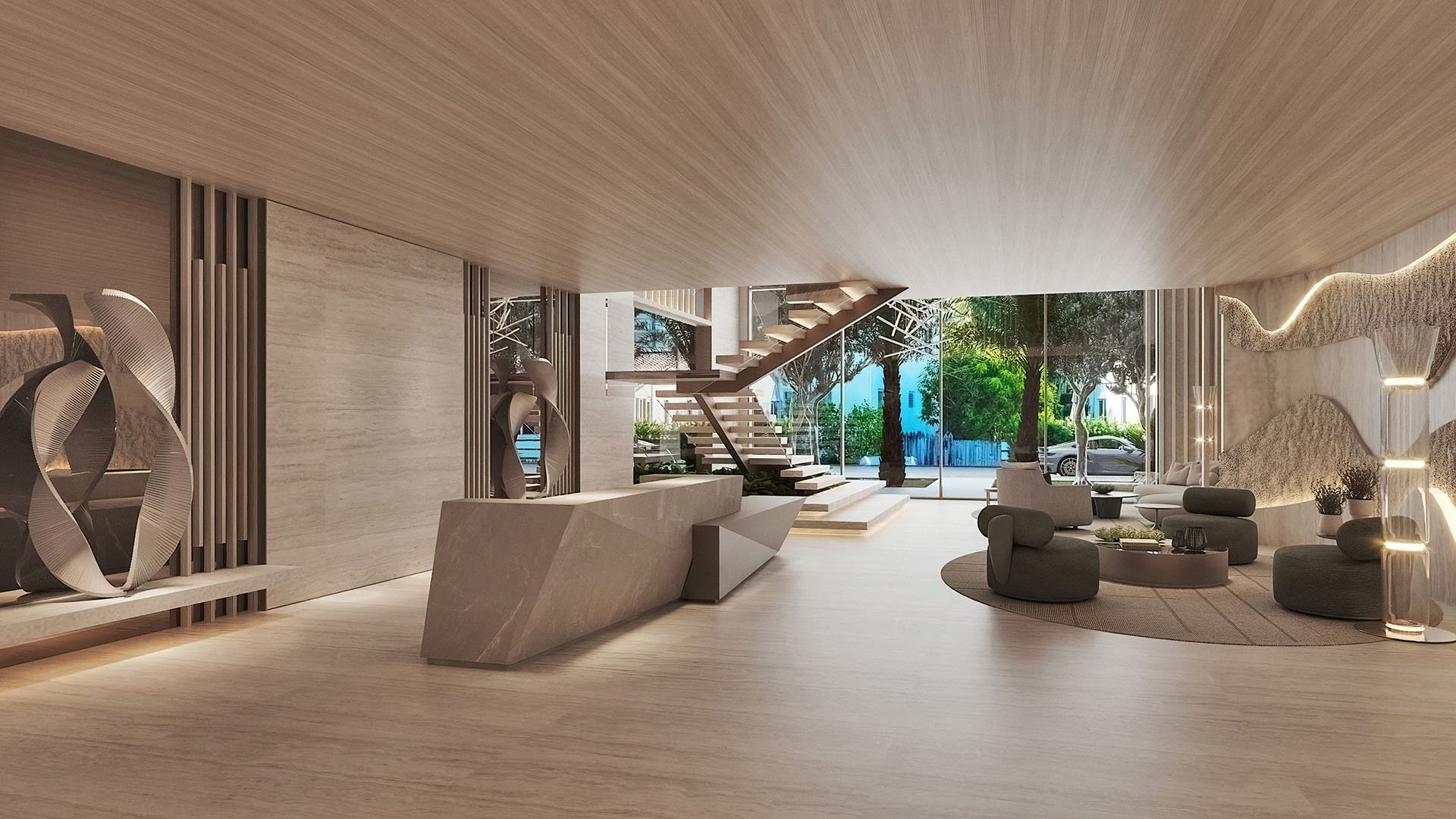
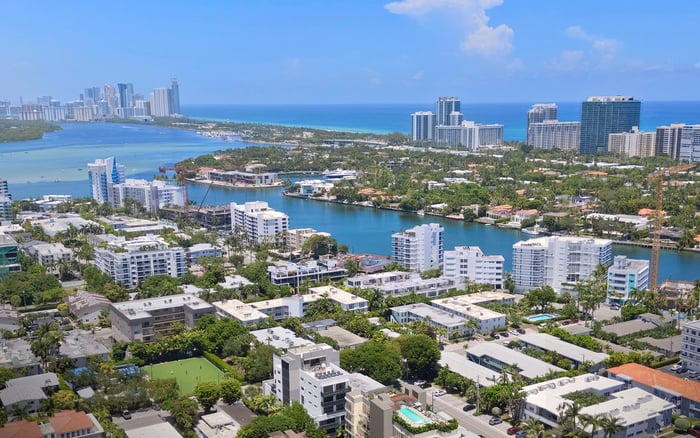
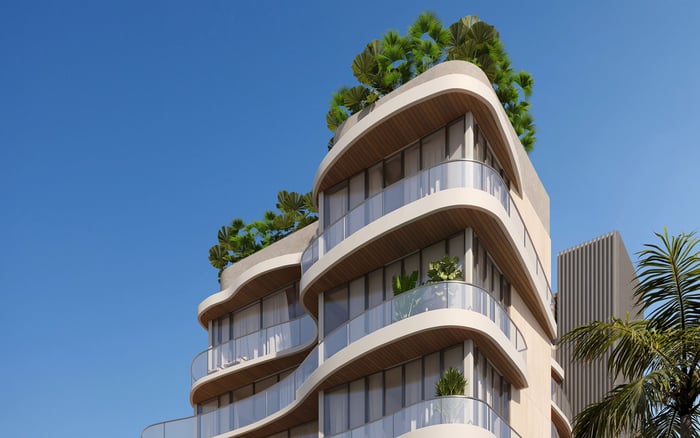
In Bay Harbor Islands, two new residential narratives can appear similarly polished from a distance while asking very different things of a household. La Maré Bay Harbor Islands is best understood as the quieter proposition: a residentially oriented address whose promise centers on sanctuary, restraint, and architectural refinement. Mila Bay Harbor Islands sits on another axis, presenting a more hospitality-driven lifestyle with programming and culinary branding at the center of the residential experience.
For the ultra-premium buyer, the question is not simply which presentation feels more seductive in the sales gallery. It is which operating model best matches how the household actually lives. Privacy expectations, guest patterns, service preferences, board governance, staff access, and the desire for either quiet control or daily curation should all be examined before finishes begin to dominate the conversation.
That is why a Bay Harbor comparison between the two should be handled less like a beauty contest and more like a lifestyle audit.
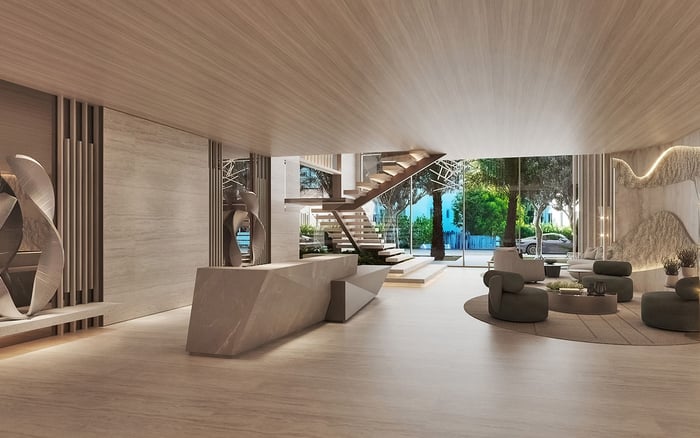
A brand promise is not decoration. In a luxury condominium, it becomes an operating claim. If La Maré is positioned around quiet sanctuary, that idea should be visible in the floor plans, amenity choreography, service expectations, and governing documents. Buyers should ask whether the building supports calm circulation, private hosting, and a sense of residential control, rather than relying on the mood of renderings alone.
Mila’s promise should be tested differently. A hospitality-forward building can be compelling for buyers who want an active, curated environment, especially when lifestyle programming and culinary identity are part of the appeal. But that promise must translate into a service culture the owner genuinely wants to encounter every day, not only during a sales presentation.
The distinction is not about which version of luxury is superior. It is about fit. Boutique privacy and hospitality animation can both succeed, but they create different daily rhythms.
Service staffing is one of the most important comparison points because it affects both the resident experience and the long-term cost structure. A more activated property may require a broader service apparatus to deliver the lifestyle it promises. That can enhance convenience, polish arrivals, support entertaining, and make the building feel alive. It can also influence budgets, governance priorities, and expectations among residents.
A quieter residential model may place a different emphasis on discretion and consistency. The ideal staff profile may be less about programming and more about privacy, access control, maintenance discipline, and seamless support. For some households, that restraint is the luxury. For others, it may feel too subdued.
New-construction and pre-construction buyers should therefore look beyond the vocabulary of service and ask what staffing is designed to do. Is it there to activate the building, protect privacy, support hospitality, or preserve calm? The answer will shape ownership more than a finish board.
Household autonomy is often the deciding issue for buyers who already understand design, location, and finishes. A highly programmed building can influence how residents dine, host, move through amenities, and manage privacy. That may be ideal for an owner who wants a curated residential experience with a branded service culture. It may be less ideal for a family or second-home owner who prefers to arrive quietly, host independently, and keep the building’s social energy at arm’s length.
La Maré’s positioning aligns more naturally with buyers who prioritize privacy, calm, and residential control over a heavily activated environment. Mila’s positioning is better suited to buyers who value a more hospitality-style interpretation of luxury, where service culture and curated lifestyle are part of the daily proposition.
Neither position should be accepted at face value. Buyers should ask how autonomy is protected, where programming lives, how amenities are governed, and whether the building’s operating structure supports the household’s preferred level of engagement.
The disciplined comparison happens before the emotional close. Buyers should review offering documents, floor plans, renderings, and the pro forma operating budget with the same attention they give to views and finishes. The goal is to understand how the building will function after the sales gallery fades.
For La Maré, the test is whether the sanctuary message is supported by planning, amenity restraint, service expectations, and rules that preserve quiet residential life. For Mila, the test is whether the hospitality and culinary lifestyle promise becomes a daily advantage rather than an obligation.
This is especially important in a market where luxury language can make very different buildings sound interchangeable. La Maré and Mila are not merely two Bay Harbor Islands condominium products. They represent two interpretations of contemporary South Florida luxury: one leaning toward architectural calm, the other toward branded residential experience.
The more expensive mistake is not choosing the wrong finish palette. It is choosing the wrong operating culture. A buyer who values discretion, privacy, and self-directed living may find the quieter La Maré proposition more aligned. A buyer who wants a curated, service-rich residential atmosphere may be more naturally drawn to Mila.
The best decision is made before the sales gallery wins, while the household can still compare documents, staffing, service assumptions, and governance with clear eyes.
Is La Maré Bay Harbor Islands the quieter option? It is positioned as the more residentially oriented choice, with an emphasis on sanctuary, privacy, and architectural refinement.
Is Mila Bay Harbor Islands more hospitality focused? Yes. Mila is positioned around lifestyle programming, culinary branding, and a more curated hospitality-style experience.
Which building is better for privacy? Based on positioning, La Maré is more aligned with buyers who prioritize calm, control, and a less activated environment.
Which building is better for service culture? Mila is more aligned with buyers who value branded service, programming, and a hospitality-forward residential rhythm.
Why does staffing matter so much? Staffing shapes daily experience and can also affect the long-term operating cost structure of ownership.
What should buyers review first? Offering documents, floor plans, renderings, and the pro forma operating budget should be reviewed before emotional presentation takes over.
Is the brand promise just marketing? No. In this comparison, the brand promise should be treated as an operational claim that must be supported by documents and design.
Can a programmed building reduce household autonomy? It can. Programming may influence how residents host, dine, use amenities, and preserve privacy.
Are La Maré and Mila interchangeable? No. They represent different interpretations of South Florida luxury, not simply two similar condominium options.
What is the core buyer question? The core question is which operating model best fits the household’s privacy, service, and governance expectations.
For a tailored shortlist and next-step guidance, connect with MILLION.
If branded residences are on your mind — as a home or as an allocation — we would be glad to share what we are seeing, privately.
Begin a quiet conversation