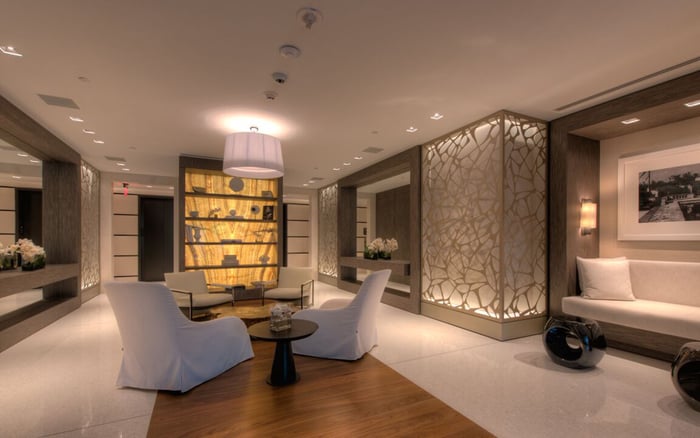
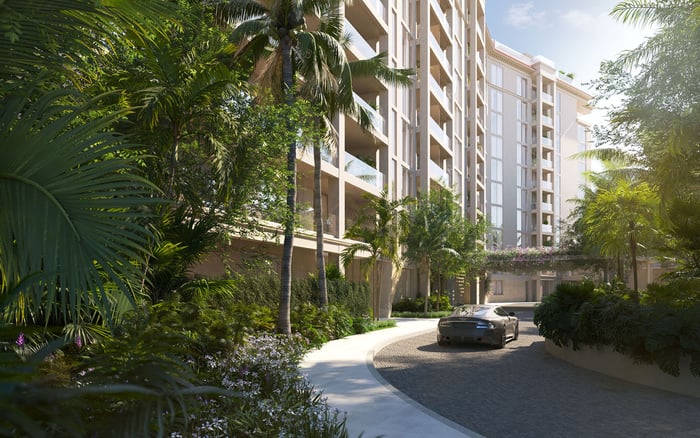
For South Florida buyers drawn to the cachet of Fisher Island living, Palazzo del Sol Fisher Island and Palazzo della Luna Fisher Island read like two interpretations of the same promise: privacy, polish, and a sense of arrival that feels worlds away from the mainland. With limited verified details varying by residence, the smartest comparison is less about headlines and more about fit: layout logic, outdoor living, exposure, service rhythm, and long-term ownership considerations. This guide offers a discreet framework to evaluate both buildings with clarity and confidence.

In South Florida’s highest tier, a handful of addresses function as shorthand for a specific way of living. Fisher Island is one of them. It signals discretion, separation, and an ownership mindset that values control, quiet, and consistency over spectacle.
Within that ecosystem, Palazzo del Sol Fisher Island and Palazzo della Luna Fisher Island are often discussed as twin luxury statements. They sit in the same rare context, yet they do not need to deliver the same lived experience. The most productive comparison is not a battle of superlatives. It is a disciplined look at how each building supports privacy, flow, outdoor use, and day-to-day ease.
Because verified details can vary by residence, the smartest approach is to evaluate each building as a lifestyle instrument. One residence may feel oriented toward entertaining and broad indoor-outdoor continuity, while another may read as more intimate or gallery-like based on orientation, circulation, and how the spaces are composed.
If you are assessing both, the goal is alignment, not a verdict. Choose the building that fits how you actually live in Miami, how you arrive and depart, how you use terrace space, and how much you want your home to operate smoothly when you are not in town.
For a neutral starting point, explore Palazzo del Sol.
Ultra-luxury buyers often want a clean answer to a messy question: Which one is better? In practice, the better decision usually comes from a repeatable framework that holds up even when finishes, views, and unit features differ.
First, evaluate privacy and circulation. How you enter, where elevators land, how corridors feel, and how guests move through the residence shape everyday comfort more than most brochure highlights.
Second, assess floor plan philosophy. Some layouts prioritize an expansive great room that anchors the home. Others emphasize separation between the primary suite and secondary bedrooms, staff-friendly circulation, or a more formal sequence of rooms that feels composed and intentional.
Third, focus on outdoor living. Terraces can turn a residence into a true South Florida home, but usability depends on shape, sun, wind, and how much you want to furnish and maintain.
Fourth, consider service rhythm. In a gated island environment, operational culture matters. Delivery handling, guest access procedures, and how management communicates all become part of the ownership experience.
Fifth, underwrite long-term ownership economics. Monthly costs, future capital work, and insurance dynamics can vary across luxury condominiums. Even when two buildings occupy a similar position in the market, their financial posture and governance feel can be meaningfully different.
Luxury in South Florida has grown more nuanced. Some buyers want a retreat that feels almost monastic in its calm. Others want a home that functions as a social stage for family visits, business dinners, and weekends that expand beyond a small circle.
The nuance with Palazzo del Sol Fisher Island versus Palazzo della Luna Fisher Island is that both can support either lifestyle, depending on the specific residence. Still, each building can carry an overall mood that you will sense quickly during a tour.
As you compare, ask what you want your home to communicate to you, not to the market. Do you want to feel protected the moment you step inside? Is light and openness the defining feature you crave? Are you seeking a lock-and-leave posture that reduces friction, or do you enjoy the ritual of staff presence, building events, and a fuller social cadence?
In a private setting where neighbors may be as discretion-minded as you are, the most persuasive luxury is often invisibility: arrivals that are seamless, common spaces that stay quiet, and a culture that does not require you to explain your preferences twice.
Trophy residences can make it easy to fixate on views and finishes and overlook the choreography of real life. For part-time residents especially, operational details often decide whether a property feels like a sanctuary or a beautiful inconvenience.
During tours, test the experience without turning the visit into an interrogation.
Observe the entry sequence from curb to door to elevator to residence. Does it feel calm, controlled, and appropriately discreet? Do you sense that the building can handle high-profile arrivals without drawing attention?
Ask about guest protocols in a general, practical way. You are not asking for a rulebook on the first visit. You are looking to understand whether hosting feels effortless or procedural.
Consider deliveries and service access. In a luxury condominium, the gap between graceful and clumsy logistics shows up quickly in package handling, move-in policies, and the way staff interacts with residents.
Assess sound and separation. Stand still for a minute in the corridor and inside the residence. Listen for mechanical systems, corridor noise, and how much of the outside world carries through.
None of these checks require building-specific claims. They are simply the lived realities that determine whether the home supports your rhythm.
When broad generalizations are unreliable, focus on what never lies: geometry and flow.
Start with the primary suite. Confirm how it relates to the entertaining spaces. Some buyers want the primary suite buffered and quiet, separated from living areas and guest rooms. Others prefer it closer to the center of the home for convenience and ease.
Next, evaluate the kitchen’s role. In some residences, the kitchen is a showpiece that anchors daily life and casual entertaining. In others, it is designed to disappear, supporting catered events and staff-forward living. Your preference is not about status. It is about behavior.
Then look at storage and utility. Closet volume, laundry placement, and service entries rarely photograph well, but they reveal whether the home is designed to be lived in, not just admired.
Finally, judge ceiling height perception, not just a number. Even without quoting measurements, you can sense whether a space reads airy or compressed based on window proportions, door heights, and how light moves across the rooms.
If you are choosing between Palazzo del Sol Fisher Island and Palazzo della Luna Fisher Island, ask your agent to compare similarly scaled residences with similar orientation. Otherwise, you risk comparing a building to a floor plan, rather than comparing two buildings fairly.
In South Florida, outdoor space is not an accessory. It is an additional room, and it requires strategy.
Treat the terrace as architecture, not decoration. A long, narrow terrace can photograph beautifully but furnish awkwardly. A deeper terrace often supports true zones: dining, lounging, and circulation that does not interrupt conversation. Rail heights, overhangs, and wind patterns can also determine whether you use the space weekly or rarely.
Exposure is personal. Some buyers prefer sunrise light and cooler mornings. Others want warmer afternoon sun. Some want less direct exposure to reduce glare and wear on outdoor furnishings. Rather than arguing preference, decide what supports your real routine.
Views are equally subjective. A sweeping horizon can feel cinematic, yet many buyers value layered, near-field scenery that reads intimate and calming day after day. The right view is the one you will still appreciate when the novelty fades.
If entertaining matters, simulate an evening. Can guests move inside and out without bottlenecks? Is there an obvious place for a bar setup, catering staging, and comfortable conversation that does not compete with traffic flow?
At the ultra-luxury level, amenity lists can blur together. It is easy to assume parity between two trophy buildings. Instead of assuming, verify.
Ask for the building’s current amenity access and any reservation practices that could affect your lifestyle. Avoid relying on hearsay. Policies can evolve with management, board leadership, and resident expectations.
Clarify how the building approaches wellness and recreation. You are not shopping for brochure language. You are assessing whether spaces feel actively used and cared for, or whether they feel more like showrooms.
If you keep a boat, ask in general terms how owners handle marina needs and whether there are established processes. If golf or tennis is part of your weekly cadence, confirm how residents typically integrate those routines. Treat any offering as unconfirmed until you have written verification.
Most importantly, watch staff presence and tone. Luxury service is not only availability. It is anticipation, discretion, and consistency, especially when you are arriving after time away.
Without verified, residence-specific figures, it would be irresponsible to quote numbers. Still, disciplined buyers can underwrite the ownership experience with clarity well before they become emotionally committed.
Start with monthly carrying costs. Request the current schedule of fees and a clear description of what is included. Confirm whether certain services are optional or mandatory.
Review recent and planned capital projects. Even impeccably maintained buildings cycle through periodic upgrades. The question is not whether costs exist. The question is how proactively they are planned, communicated, and funded.
Understand insurance realities. South Florida’s market can shift quickly, and condo insurance dynamics can affect budgets and resale liquidity. Bring your lender and insurance advisor into the conversation early so there are no surprises later.
Read governing documents with intent. Focus on use restrictions, renovation rules, leasing policies, pet policies, and anything that could limit how you plan to enjoy the home. For second-home owners, a lock-and-leave plan must fit the building’s rules, not just your calendar.
The most elegant purchase is the one that remains elegant on the closing statement and in the first year of ownership.
At the top of the market, value is more than a number on a spreadsheet. It includes future optionality: how easily the residence can be repositioned if your needs change.
When comparing Palazzo del Sol Fisher Island and Palazzo della Luna Fisher Island, consider the breadth of future buyers who would want your specific residence. A highly personalized layout can be perfect for you and narrow for resale. A more classic plan can feel less dramatic on day one and easier to place later.
Negotiation in trophy buildings is often about terms, not just price. Timelines, furnishing inclusions, and post-closing occupancy can matter, especially for buyers coming from other markets with complex schedules.
If you are financing, confirm building approval status with your lender early. If you are paying cash, treat that leverage as an advantage, but do not let it compress due diligence. Luxury is patience.
Finally, think about activation. How will you use the home in the first 90 days? The residence you can settle into quickly, with minimal friction, often feels most luxurious in practice.
Instead of forcing a definitive verdict, it is more helpful to match buyer types to what each building can represent. These personas are not rules. They are prompts that clarify priorities.
The privacy maximalist. This buyer prioritizes quiet arrival, minimal exposure, and a residence that functions as a personal retreat. They pay attention to sound, sightlines, elevator landings, and operational discretion.
The entertainer. This buyer wants generous social space, intuitive indoor-outdoor flow, and a layout that supports hosting without turning circulation into an obstacle course. They care about where guests gather and how service functions behind the scenes.
The art-forward curator. This buyer values wall space, clean lines, controlled light, and a sense of gallery calm. They evaluate proportions and circulation as much as finishes.
The multigenerational planner. This buyer needs comfortable secondary suites, separation, and flexible spaces for family visits. They want practicality dressed in beauty, not a home that requires constant choreography.
Any of these buyers can be happy in either Palazzo del Sol Fisher Island or Palazzo della Luna Fisher Island, depending on the specific residence. The value of the persona exercise is honesty. Name your priorities before aesthetics makes the decision for you.
Bring structure to the process so you are comparing like with like. A fair comparison reduces regret.
Define your non-negotiables in writing before the second tour. Examples include:
Ask for the same documents for both buildings, then review them in the same order. Request current budgets, rules and regulations, and any summaries management can provide.
During the tour, photograph utility spaces for your own reference, if permitted. Luxury buyers often remember the view and forget the details that determine daily comfort.
Immediately after each visit, write down what you felt within five minutes of leaving. The emotional truth of a home is data. In a private, high-control environment, comfort with building culture can matter as much as comfort with the floor plan.
If you are working with advisors, align them early. Attorney, lender, insurance, and property management perspectives often surface issues that are invisible during a beautiful showing.
The Palazzo del Sol Fisher Island versus Palazzo della Luna Fisher Island decision is best approached as a question of alignment. The right choice is the residence that supports your rhythm in Miami, protects your privacy, and feels effortless whether you are in town for a season or arriving for a weekend.
Luxury at this level is rarely a single feature. It is the compound effect of circulation, light, outdoor usability, service culture, and governance. Treat the process like a private audit of your preferences, and the answer tends to clarify itself quickly.
Your best outcome is not the most talked-about residence. It is the one that works quietly every day, without requiring you to manage your own home like a project.
What documents should I request before making an offer? Request the current budget, rules and regulations, governing documents, recent meeting summaries if available, and any disclosure materials your attorney recommends. Ask for the latest fee schedule and written confirmation of key policies that affect your lifestyle, including renovations, leasing, and move-in procedures.
How can I compare two residences with different views and exposures? Standardize the comparison around how you live: terrace usability, interior light at the times you are typically home, privacy from nearby sightlines, and how the layout supports your routines. If possible, tour at similar times of day and ask your agent to show comparably scaled residences so view differences do not disguise floor plan differences.
What building rules should second-home buyers confirm early? Confirm guest access and hosting procedures, delivery and package handling, renovation timelines and restrictions, leasing policies, pet policies, and any requirements related to leaving a residence vacant. A lock-and-leave strategy should be supported by written rules, not assumptions.
How do I evaluate service quality and management responsiveness? Look for consistency: how staff communicates during the tour, how questions are handled, and whether logistics feel smooth. Ask for clarity on how requests are submitted and tracked, and pay attention to whether the building culture feels proactive and discreet.
For discreet guidance on Fisher Island buying strategy and private showings, connect with MILLION Luxury.
If branded residences are on your mind — as a home or as an allocation — we would be glad to share what we are seeing, privately.
Begin a quiet conversation