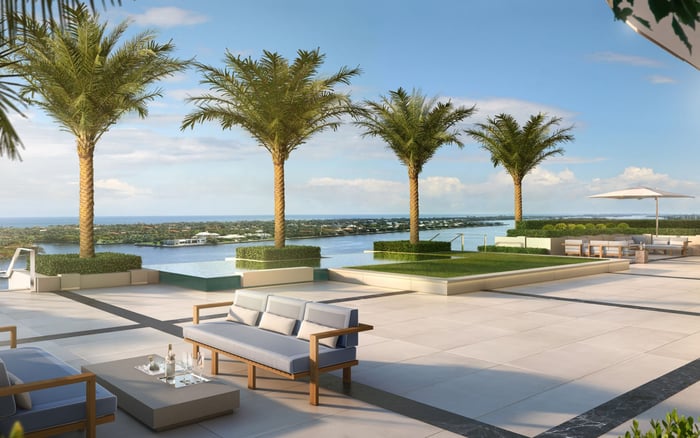
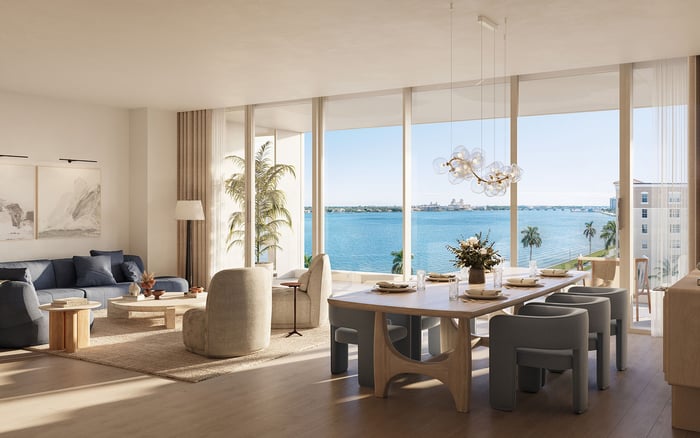
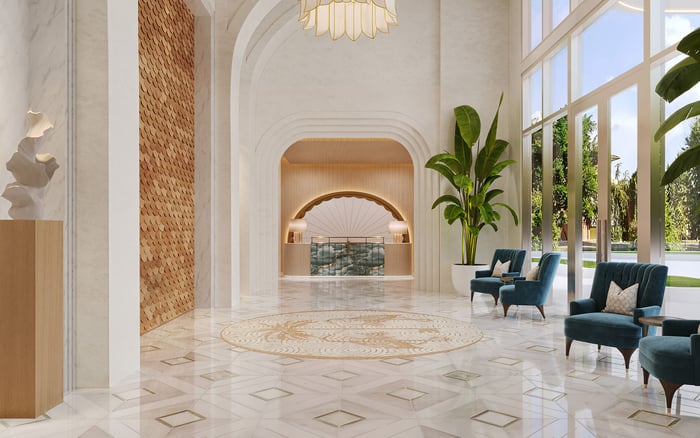
In West Palm Beach, the conversation around The Bristol and South Flagler House often reveals more about buyer psychology than floor plans. One name signals established prestige, proven market acceptance, and the quiet confidence of a residence that has already written its story. The other represents the allure of New-construction: fresh design thinking, today’s lifestyle priorities, and the opportunity to be early to a new address. Here is a discreet, decision-first guide to evaluating both through views, privacy, service culture, and long-term optionality.
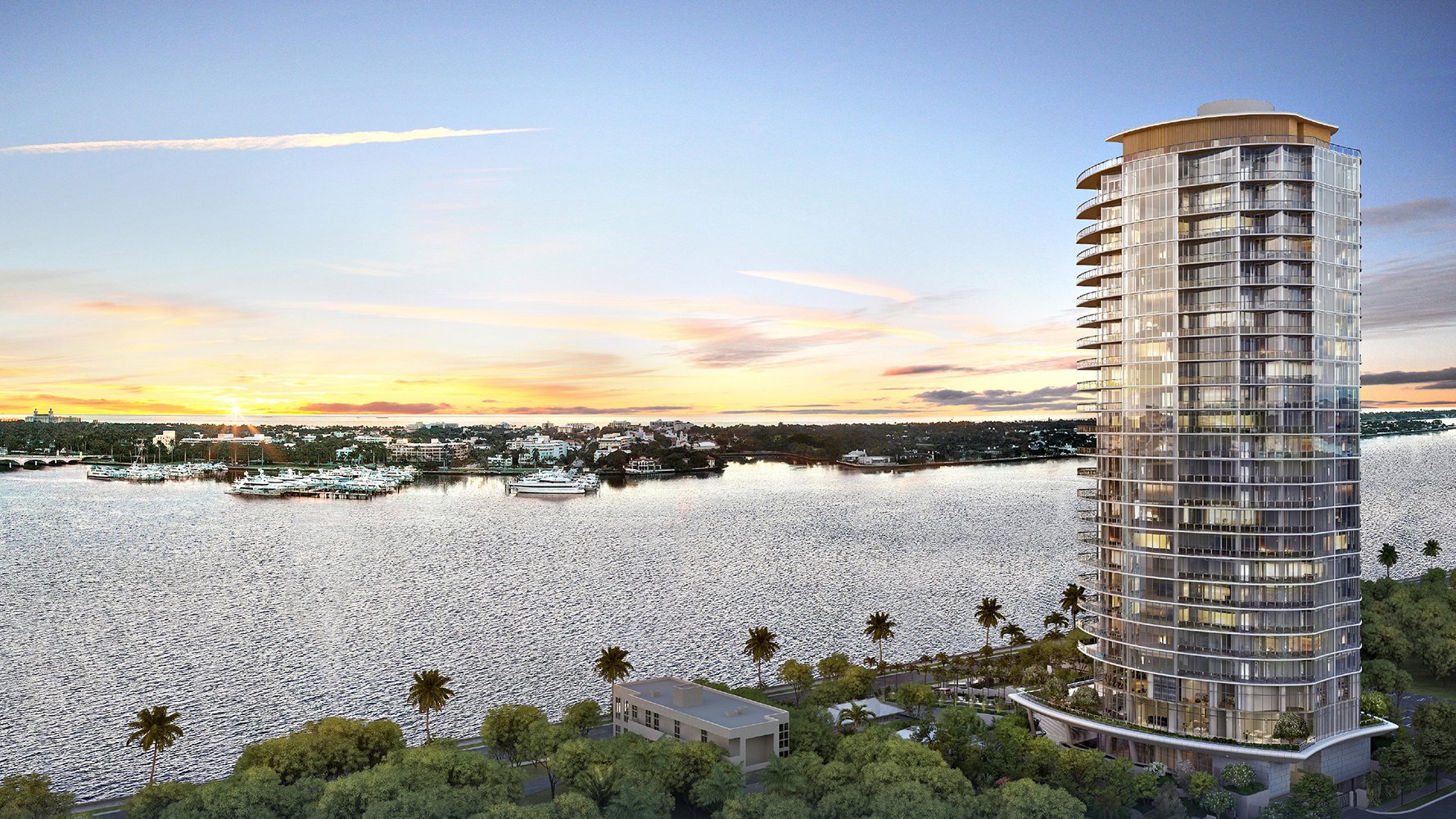
In the top tier of the West Palm Beach condominium market, comparisons rarely stay confined to square footage. When buyers weigh The Bristol against South Flagler House, they are usually choosing between two different kinds of certainty, and that choice tends to reveal priorities more clearly than any brochure.
One kind of certainty is social. It is the reassurance that an address has already been tested by the market, that its identity is instantly understood by brokers, lenders, and future buyers, and that the building’s reputation and resident rhythm have settled into something predictable. The other kind of certainty is personal. It is the confidence that you are buying into the current design era, that the home aligns with how you live now, and that you are stepping into a lifestyle calibrated for today rather than adapted from yesterday.
Both instincts can be rational. Both can become costly when they are driven by emotion instead of disciplined evaluation.
This is not a feature list. Without verified, source-backed specifics, feature lists quickly become mythology. Instead, this is a decision framework designed for how high-net-worth buyers in South Florida actually choose: view quality and privacy, the daily arrival experience, service culture, and the long-term optionality of your exit.
When a residence becomes shorthand for status, it changes how buyers interpret risk. An address associated with legacy benefits from market memory. Desirability is reinforced because it has been desirable before, and that perception can matter as much as any finish schedule.
In practice, buyers who lean toward The Bristol often prioritize two enduring advantages.
First, they value the credibility of an established brand identity. A widely recognized building is typically easier to position at resale because buyers already understand what it represents. Recognition does not guarantee performance, but it can preserve liquidity when conditions change because the address remains legible.
Second, they value the social signal of living somewhere with a defined peer set. In Palm Beach adjacent circles, an address still communicates taste, discretion, and belonging. For certain buyers, that signal is not vanity. It is part of their lifestyle architecture.
If you are evaluating The Bristol with serious intent, keep the process anchored to what can be verified in due diligence and in-person observation: current management and responsiveness, the tone and upkeep of common areas, and the lived experience reflected in resident behavior. Luxury is operational as much as it is architectural, and operational quality shows up in small moments.
For a neutral starting point to orient your search, explore The Bristol Palm Beach.
South Flagler House represents a different luxury proposition that has become increasingly influential across South Florida: design-forward positioning paired with the appeal of a clean slate.
Buyers drawn to a new contender often want to avoid the compromises that can come with established buildings, even when those buildings are admired. They prefer not to inherit a prior era’s assumptions about how a home should function. They want spaces that accommodate current patterns, including work, wellness, entertaining, and security, without needing to renovate around decisions made for a different lifestyle.
That is the emotional argument for New-construction. The financial argument is optionality. Buying into a new address can mean purchasing a future reputation as much as a current one. If a building becomes a category reference point, early owners can benefit from the compounding effect of prestige.
The trade-offs are real. A new name can require patience and tolerance for variables: how the community forms, how the management culture settles, and how the building ultimately feels once occupancy matures. Some buyers enjoy being part of the first chapter. Others prefer a residence that has already been decoded by the market, where expectations are clearer and the rhythm is established.
In ultra-luxury, surfaces are persuasive. Marble selections, hardware, ceiling details, and lighting packages photograph well and sell an emotional story quickly. They are also among the easiest elements to change over time.
A more durable comparison begins with what you cannot remodel.
Start with:
Location within the corridor you prefer, including how it feels at different times of day
Quality of light and the sense of openness from the rooms that actually anchor your routine
Noise patterns, including street activity and, where applicable, water traffic
Privacy, including how directly neighboring buildings look into primary rooms
Elevator and arrival experience, because that sets the tone of every day
Then move to what you can influence:
Interior personalization
Technology and security upgrades
Furnishings that shift the mood from contemporary to classic
If you treat the decision as a checklist of décor, you risk missing the deeper value drivers. If you treat it as a lifestyle choice with an eventual Resale in mind, you are thinking like an owner.
In a coastal market, a Waterview is not a bonus. It is often the emotional center of the home. Yet not all views carry the same premium, and not all views age the same way.
When you tour any waterfront-adjacent residence in West Palm Beach, evaluate the view with discipline.
First, consider what the view feels like in motion. A single photograph can flatter a room, but a lived view is dynamic. Notice how the horizon line shifts as you move from kitchen to living area, and how the view reads from seated positions, not only while standing at the glass.
Second, evaluate the quality of light. In South Florida, natural light is a lifestyle feature. It shapes mood, changes how finishes read, and influences how often outdoor space is genuinely used. A subtle shift in orientation can be the difference between a home that feels luminous and one that feels permanently shaded.
Third, assess privacy within the view itself. The most valuable Waterview delivers openness without exposure. If you feel observed, you will live with blinds partially closed, and that becomes a quiet tax on luxury.
Finally, think about arrival. How do you enter, what is the lobby’s tone, and how does the transition from car to home feel emotionally. Between an icon and a new contender, the daily ritual of arrival is often where the difference becomes undeniable over time.
Ultra-premium living is, in part, a relationship with staff you may rarely see and neighbors you may barely know. The culture of a building is an intangible asset, and it can be decisive.
In an established icon, culture can be steady. There is often a predictable rhythm to how residents use shared spaces, how discreet the environment feels, and how management responds. For some buyers, that stability is the point. It reduces friction and supports a consistent day-to-day experience.
In a new contender, culture is still forming. That can be energizing for buyers who want an environment that feels current and curated. It can also introduce uncertainty, because the resident profile and community tone may shift as ownership completes and the building finds its long-term operating identity.
If privacy is paramount, keep your questions practical:
How public do common areas feel at peak hours
How controlled is access, and how consistently is it enforced
How quickly do staff recognize residents and their guests
How are deliveries handled in a way that preserves discretion
These topics are not glamorous. For a primary residence or a high-use seasonal base, they often matter more than any signature countertop.
It is tempting to treat Resale as a problem for later, especially when a home feels like a long hold. In South Florida, however, life can pivot quickly. A portfolio reallocates, family needs change, or a new opportunity appears. The ability to exit gracefully is part of the luxury equation.
With an established icon, the Resale story is usually easier to model. There is a recognizable address and an existing buyer pool that understands it. That does not eliminate risk, but it can reduce ambiguity. You are underwriting a known quantity, with market context that can be interpreted.
With New-construction, the Resale story can be more complex. The upside may be meaningful if the property becomes one of the market’s reference points. The risk is that value discovery may take time, and your eventual buyer may compare you not to the past, but to whatever else is new at the moment you sell.
To evaluate this rationally, separate two ideas:
Price is what you pay. Optionality is what you buy.
Optionality includes:
How easy it may be to rent in the medium term if plans change, subject to building rules you must confirm
How broad the future buyer pool may be, based on layout utility, privacy, and day-to-day livability
How dependent value is on a particular trend versus a timeless proposition like light, views, and discretion
A polished narrative can inflate expectations. A timeless living experience tends to defend value.
The most overlooked part of this decision is not the building. It is the week you intend to live.
Palm Beach and West Palm Beach support different rituals, even when the drive feels short and the social orbit overlaps. Many buyers want a residence that fits both: the social cadence associated with Palm Beach and the restaurant, arts, and business energy increasingly associated with West Palm Beach within the broader South Florida landscape.
Your decision becomes simpler when you map your actual patterns instead of your aspirational ones:
Where do you prefer to train, and at what hour
Do you entertain more at home, or do you host in restaurants
How often do you travel, and how important is lock-and-leave simplicity
Do you want a residence that feels like a private club, or one that reads as a modern sanctuary
An established icon often appeals to buyers who enjoy ritual and continuity. A new contender often appeals to buyers who want their home to feel like a forward-looking statement.
Neither is inherently better. The only true mistake is choosing a mood that does not match your actual life.
If you are deciding between The Bristol and South Flagler House, use a framework that reduces emotion and prioritizes what will still matter after the novelty fades.
Decide what you are optimizing for Is this a primary residence, a seasonal base, or an investment-tilted second home? Your answer changes everything, including how much uncertainty you should accept and what trade-offs are reasonable.
Define your non-negotiables For many ultra-luxury buyers in this corridor, non-negotiables include privacy, light, and an elevated daily experience. Write yours down. If a building misses one, do not negotiate with yourself. The market is too competitive to rationalize compromises you will resent.
Treat Waterview as a quality spectrum, not a checkbox If water is part of the emotional reason you are buying in the first place, the view must satisfy you from the rooms that matter, not only in the listing headline. Revisit the space at different times if possible. Pay attention to how the view feels when you are living, not just touring.
Stress-test the building’s culture Tour with intention. Observe staff behavior. Notice how residents move through shared areas. Listen for noise patterns. A building is a small ecosystem, and you are buying into that ecosystem as much as you are buying into a floor plan.
Underwrite your exit, even if you do not plan to sell Assume you may need to pivot. Think about who your future buyer is and whether that buyer will want what you are buying today. This is where Resale discipline protects you. It also helps you avoid paying a premium for novelty that does not translate to enduring demand.
Keep your customization strategy realistic If you choose an established icon and plan to update, budget time and decision bandwidth, not only money. If you choose New-construction, understand what you can personalize and what will remain as delivered. Confirm everything in writing with the appropriate parties.
At the highest level, the choice is philosophical.
The Bristol represents the confidence of an established narrative.
South Flagler House represents the seduction of a new narrative.
The right decision is the one aligned with your taste, your tolerance for variables, and the way you want to feel when you come home.
How should I compare The Bristol and South Flagler House if I cannot rely on marketing materials alone?
Start with what you can verify in person and in writing: view corridors, light, privacy, and the daily arrival experience. Then evaluate operational signals such as management responsiveness, access control, and how the building feels at peak hours. Treat finishes as secondary, since they are the easiest element to change.
What questions should I ask about privacy, staffing, and day-to-day operations during a tour?
Ask how access is controlled and enforced, how deliveries are handled to preserve discretion, and what peak-time common areas feel like. Pay attention to whether staff recognition seems consistent and whether the environment feels calm or exposed. These details often determine whether luxury feels effortless or performative.
If I expect to sell within a few years, how do I weigh Resale certainty versus New-construction upside?
Model ambiguity honestly. Established icons can offer clearer market memory and a more recognizable buyer pool, which may reduce uncertainty. New-construction may offer upside if the address becomes a market reference point, but it can also be more sensitive to what else is new when you sell. Focus on optionality: who the future buyer is, and how broadly the home will appeal.
What should I look for in a Waterview that will still feel valuable long term?
Look for a view that reads well from the rooms you actually use, not just from a single angle. Prioritize openness without exposure, strong natural light, and a sense that you can live with windows uncovered. A view that supports daily ease tends to hold emotional and market value.
For tailored guidance on West-palm-beach and Palm-beach ultra-luxury decisions, connect with MILLION Luxury.
If branded residences are on your mind — as a home or as an allocation — we would be glad to share what we are seeing, privately.
Begin a quiet conversation