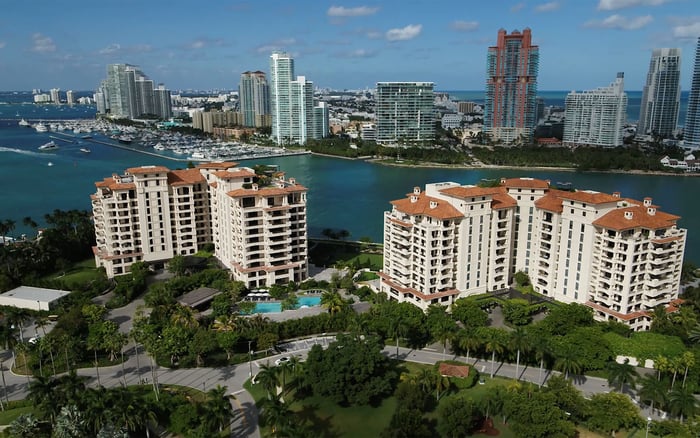
A buyer-oriented, discreet framework for evaluating guard gates and checkpoint design in South Florida’s premium island communities, from access control to visitor handling, privacy, and operational resilience.
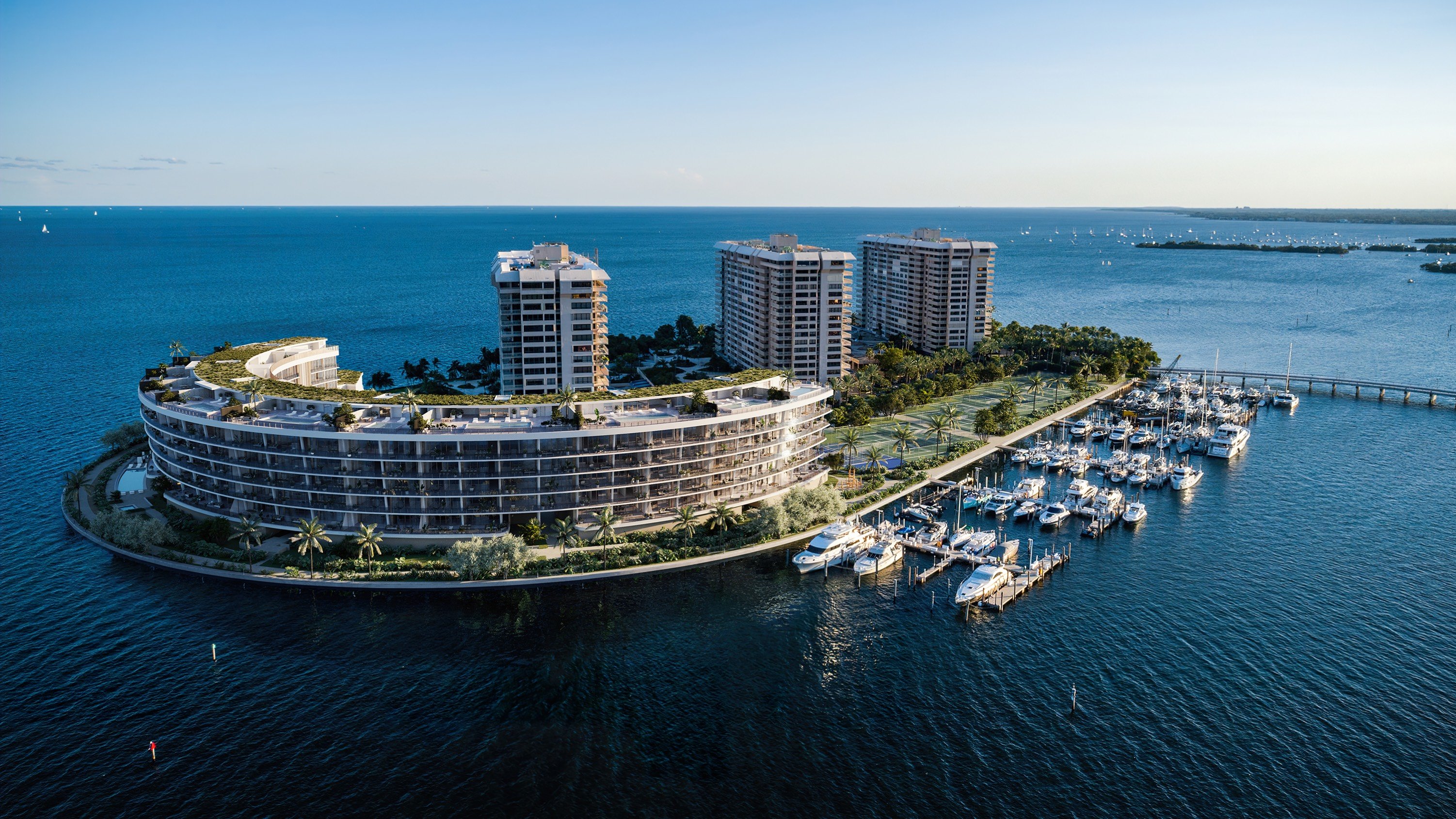
In South Florida’s premium island communities, security starts where the public road ends. The guard gate is the first moment of arrival-and for residents, it operates less like a barrier and more like a calibrated blend of hospitality and risk management. When it’s executed well, it protects privacy without turning everyday life into a series of interrogations. When it’s not, it introduces friction: long queues, uneven enforcement, and a steady erosion of comfort and confidence.
For buyers evaluating island living, the most effective lens is operational. You’re not just judging the look of an entry monument-you’re assessing flow, staffing, protocols, and contingencies: what actually happens at 7:45 a.m. on a school run, during a peak weekend, or when an unexpected visitor arrives.
Start with physical design, because it sets the performance ceiling.
A high-functioning checkpoint typically separates resident lanes from visitor lanes with clear intent. Resident lanes are engineered for speed and repeat authentication. Visitor lanes are built for controlled stops, document checks, and verification-without trapping the vehicles behind them. Strong entries also provide sufficient “stacking” distance so cars can queue on-site rather than spilling back onto public approaches.
Prioritize a dedicated pull-off or secondary screening bay. This is the quiet differentiator between a gate that can decline access gracefully and one that escalates in full view of a line of waiting cars. Subtlety matters: a community can maintain high security while still feeling composed.
Sightlines are another immediate tell. When the guard’s position has clean visibility of the approach, the stop line, and the departure path, decisions are faster and safer. Poor sightlines force guards to rely on assumptions-inviting either laxity or overcorrection.
Premium protocols separate access (the ability to enter) from permission (authorization for a specific purpose). Buyers should ask how credentials are issued, updated, and revoked-and who can approve exceptions.
Resident credentialing typically relies on vehicle identifiers, resident rosters, and an internal access database. The specifics may vary, but the objective is consistent: reduce manual steps for residents while preserving control. If the process depends heavily on a guard “recognizing” faces or cars, you’re purchasing inconsistency.
Guest access is where a community’s operating culture becomes visible. Strong communities make it easy for residents to pre-authorize guests while limiting open-ended entry. Ask whether guest approvals are time-bound, whether they can be limited by hours, and whether the system supports categories such as family, house guests, and event guests.
Also ask how the community handles unknown visitors who claim they are “meeting someone.” The safest model is verification-first: contact the resident, confirm the purpose, then issue a limited access credential. If the answer is vague, that vagueness becomes your risk surface.
The day-to-day reality of island living includes service providers-housekeepers, nannies, landscapers, pool technicians, and specialty trades. A premium gate operation treats this as a designed workflow, not a rolling exception.
Look for a vendor system that distinguishes recurring service providers from one-time contractors. Recurring providers should be resident-approved, tracked by name and company, and constrained by schedule and scope. One-time contractors should be screened more tightly, ideally with additional verification steps and clear identification requirements.
Deliveries deserve their own policy framework. A resilient community defines how it handles package drop-offs, food deliveries, and oversized freight-including where vehicles stage if they arrive early and what happens if a resident is unreachable. The goal is simple: keep the gate from becoming a negotiation point.
Technology can support a gate, but staff behavior defines it. Buyers should listen for evidence of formal training and accountability. Ask how guards are briefed, how policy changes are communicated, and how incidents are documented.
A premium program typically includes:
Standard operating procedures for common scenarios.
Escalation paths for unusual requests and disputes.
Shift handoff routines so information doesn’t vanish at 3:00 p.m.
Periodic refreshers that keep enforcement consistent.
Consistency is the hallmark of quality. If one guard “always lets it slide” and another is rigid, the gate becomes unpredictable. Predictability is not only safer-it’s also more comfortable.
High-end communities increasingly rely on layered tools: access databases, camera coverage, visitor management, and internal communication systems. Buyers don’t need a technical audit, but they should confirm the fundamentals: the systems exist, they’re actually used, and there’s a plan for when they fail.
Often, the most valuable technology is the least visible: a maintained visitor management process that logs entries, ties authorizations to residents, and enables quick verification. Camera coverage can help, but it’s only as strong as retention policies and staff training.
Ask about redundancy and outages. If power or connectivity is interrupted, what’s the fallback-manual logs, radio communication, and a simplified verification protocol? A gate that performs only when everything is perfect isn’t a premium gate.
Security and privacy overlap, but they’re not the same. Premium island communities protect not only the perimeter, but also the social data that can travel through a checkpoint.
Buyers should consider:
Whether guards can see resident names, unit identifiers, or personal details beyond what’s necessary.
Whether guest lists for events are handled discreetly.
Whether staff are trained not to discuss resident comings and goings.
A refined protocol avoids broadcasting status. For example, “Please pull forward while we confirm” is preferable to a loud exchange about who is home and who is not.
Even the most secure gate fails the lifestyle test if it produces chronic bottlenecks. Ask when the community experiences peak loads and how it adapts. Some communities flex staffing. Others open additional lanes or use temporary visitor staging during events.
You can often infer performance by observing the entry at different times: weekday morning, weekday late afternoon, and weekend evening. The operational goal isn’t zero waiting-it’s controlled waiting: queues that are short, orderly, and never spill into unsafe areas.
You’re evaluating both policy and operational maturity. Consider asking:
How are guests authorized, and can authorizations be time-limited?
How are recurring vendors approved, and can they be restricted by day and hour?
What is the procedure when a visitor cannot be verified?
Are entries logged, and who can access those logs?
What is the protocol during outages or emergencies?
How are disputes handled at the gate, and who is the escalation contact?
Good answers are specific without being theatrical. The strongest operators can explain the workflow calmly because it’s practiced.
In ultra-premium markets, value isn’t only views and finishes-it’s operational confidence. A gate with coherent protocols supports:
Privacy, by reducing unknown access.
Safety, by standardizing verification and escalation.
Convenience, by streamlining resident entry and managing predictable visitors.
Reputation, by minimizing incidents and maintaining a composed environment.
For second-home owners, consistency matters because long absences increase reliance on protocols. For full-time residents, frictionless entry shapes daily life more than almost any amenity.
South Florida’s island communities sit within a broader landscape of luxury living where privacy and controlled access are increasingly expected. Many buyers cross-shop between island single-family enclaves and high-rise residences with concierge-driven access control. If you’re comparing lifestyle models, evaluate how “front door security” differs between a staffed lobby and a vehicle gate.
For example, Brickell’s newest trophy addresses emphasize controlled arrival experiences in a vertical format, while Miami Beach’s luxury towers often blend hospitality-style arrivals with resident-only floors and controlled elevator access. In Bay Harbor Islands, boutique-scale living can prioritize discretion and familiarity-but it should still be anchored in formal protocols rather than recognition alone.
What is the single biggest indicator of a strong guard gate operation? Consistency: clear rules applied the same way across shifts, residents, and visitors.
Should I expect different treatment for residents versus guests? Yes; resident entry should be faster, while guest entry should be more controlled and verified.
How do I evaluate visitor management without seeing internal systems? Ask staff to describe the workflow step-by-step and listen for time limits, logging, and verification.
Are cameras enough to make a gate secure? No; cameras support security, but trained staff and protocols determine outcomes.
What should a delivery policy ideally prevent? Unverified access, gate disputes, and long idling lines that affect safety and privacy.
How can a community stay discreet while enforcing strict rules? By using secondary screening areas, calm scripts, and pre-authorization tools that reduce conflict.
What is a reasonable approach to recurring vendors like housekeeping? Resident-approved rosters with schedule limits and clear identification requirements at entry.
How do outages affect access control? Better communities have manual fallbacks, clear escalation, and tight temporary procedures.
Will stricter protocols hurt resale appeal? Usually the opposite; buyers value privacy and predictability, especially at the top end.
When should I observe the gate to judge real-world performance? During weekday school and commute windows, plus a weekend evening when guest traffic rises.
To compare the best-fit options with clarity, connect with MILLION Luxury.
If branded residences are on your mind — as a home or as an allocation — we would be glad to share what we are seeing, privately.
Begin a quiet conversation