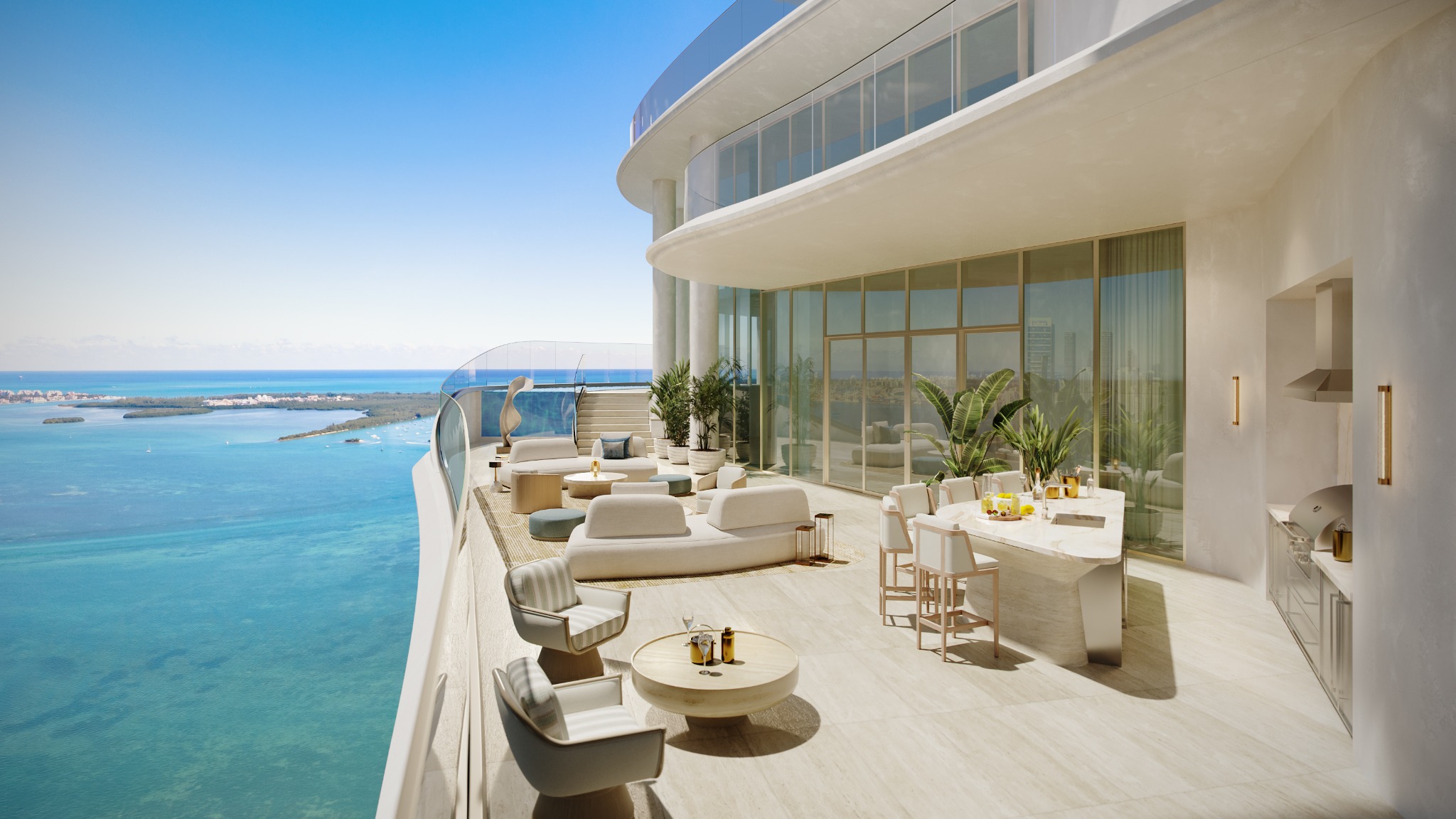
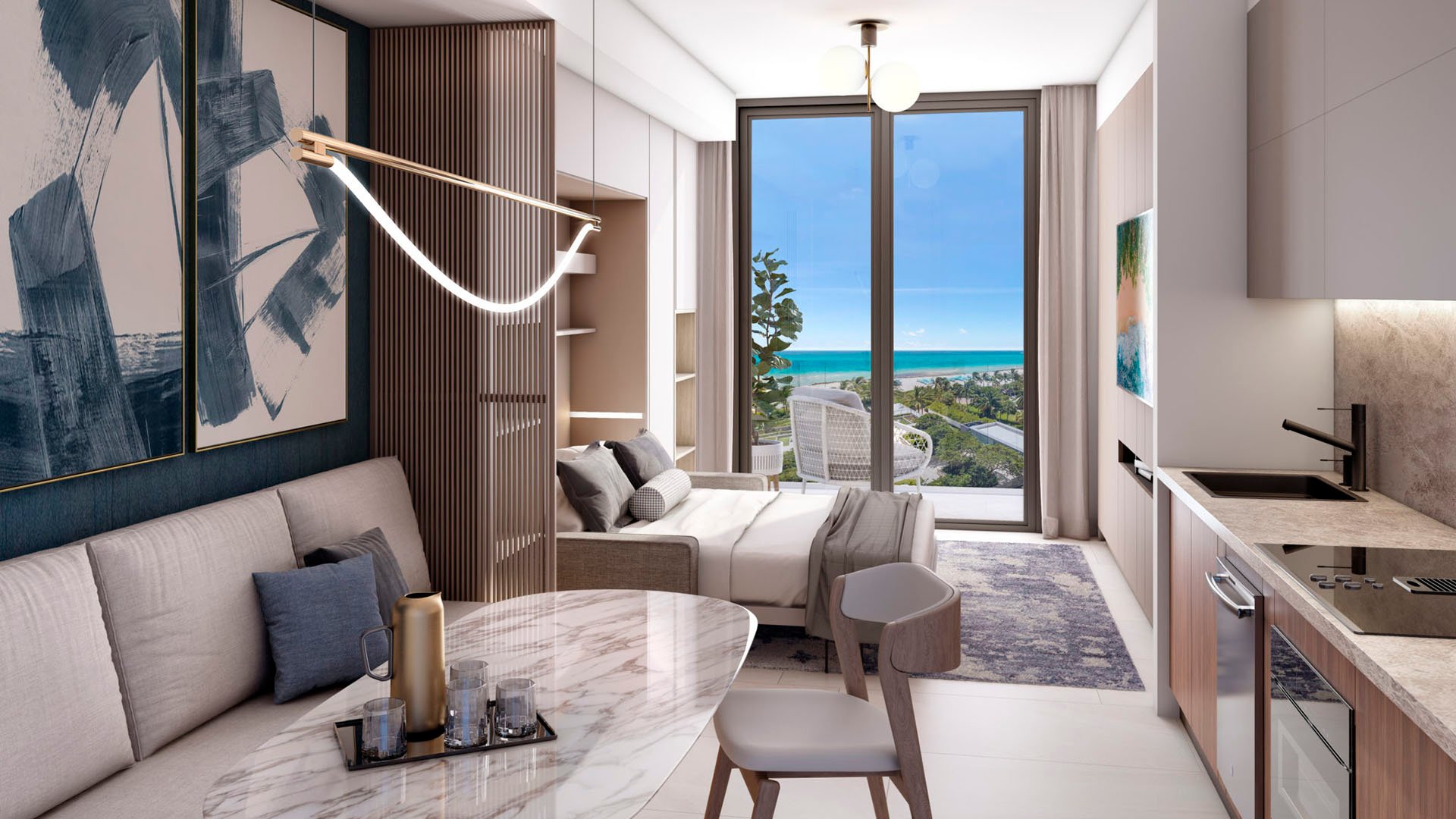
Six Condominiums in North Bay Village Providing Maximum Paparazzi Discretion
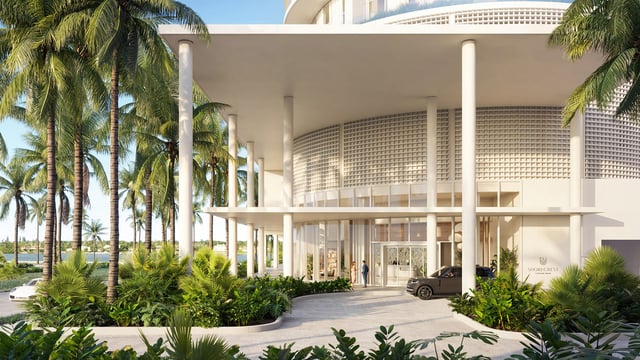
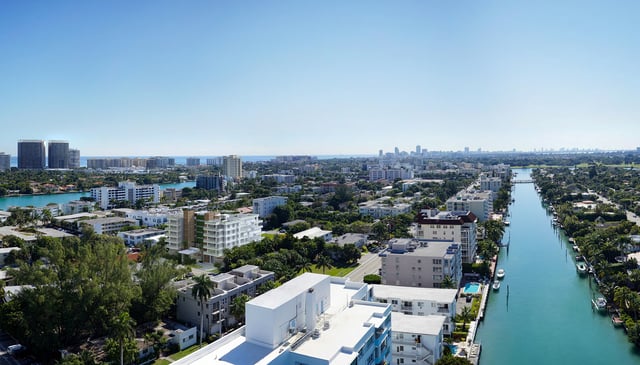
In North Bay Village, discretion is less about hiding and more about controlling access. The most privacy-forward condominium choices pair low-visibility arrivals with residential-scale service, predictable elevator patterns, and amenity programming that doesn’t broadcast your schedule. For buyers who split time between Miami Beach and the mainland, the islands’ in-between geography can feel like an intentional buffer: close enough for dinners and meetings, removed enough to keep the lens at a distance. Because privacy is a moving target, this MILLION Luxury edit focuses on the practical features that tend to minimize attention: curb-to-door choreography, separation of guest and resident circulation, marina adjacency, limited unit counts, and management cultures that default to “quiet.” Use this as a framework to tour, compare, and negotiate the right level of seclusion for the way you live.
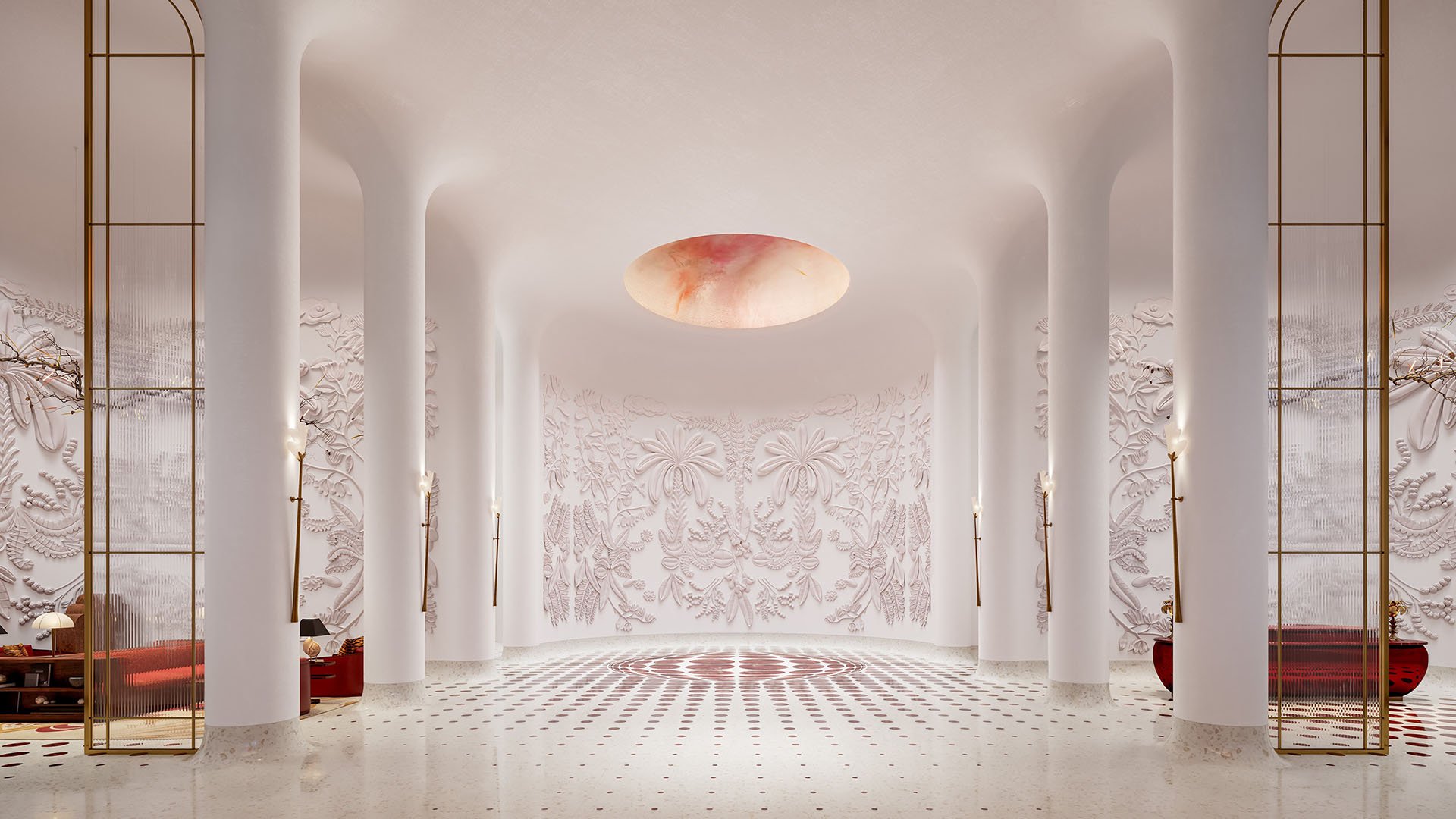
Six Luxury Towers in Downtown Miami with Curated Museum Quality Art Galleries
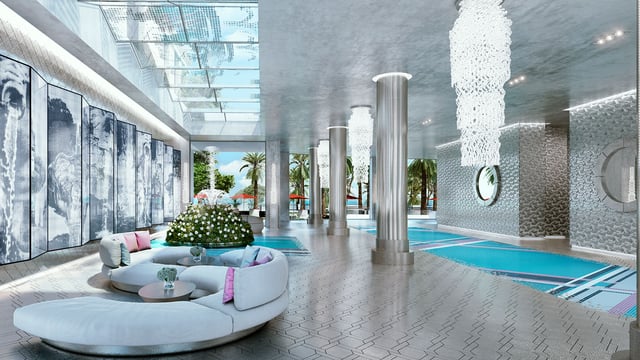
In Downtown Miami, “art” is no longer a lobby afterthought. The most persuasive towers are treating curation as part of the architecture: arrival sequences that read like gallery corridors, private salons that double as collector entertaining rooms, and amenity floors designed to hold serious work under considered light. For buyers, this is more than aesthetics. A museum-quality program signals disciplined design governance, long-term brand stewardship, and a resident culture that values quiet quality. It also changes how you live: where you host, how you circulate, and what your guests remember. Below, MILLION Luxury outlines six towers shaping this gallery-forward sensibility in Downtown Miami, then offers a buyer’s framework for evaluating what “curated” actually means inside a residential building.

Five Developments in Pompano Beach Offering Resort Style Cabana Ownership
In Pompano Beach, the private cabana has become a quiet status symbol: a keyed, curated extension of the residence that turns the shoreline into a true home address. While many towers advertise “resort-style” pools, cabana ownership is different. It is about control, proximity, storage, and the daily ease that makes waterfront living feel seamless rather than staged. This editorial looks at five developments shaping the Pompano Beach conversation, then steps back to the practical realities buyers weigh when cabanas move from amenity to asset.
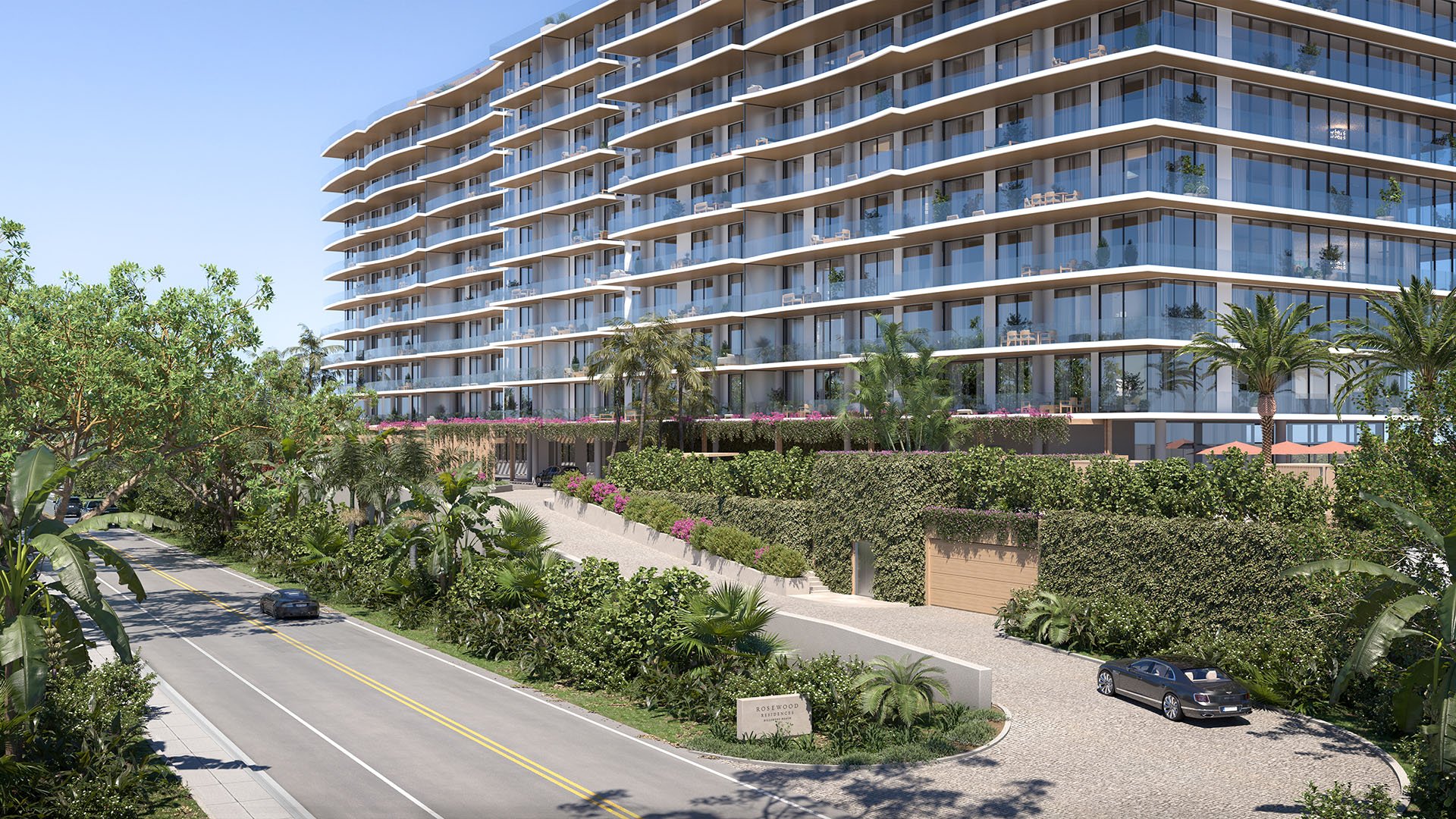
Seven Developments in Miami Offering Dedicated Chauffeur and House Car Services
In Miami, the new luxury signal is not louder design, it is quieter logistics. A dedicated house car, an on-call chauffeur, or a resident-only drop-off program can effectively expand your usable day, turning traffic, valet lines, and last-mile friction into a managed service. For buyers who split time between Brickell, Miami Beach, and private aviation corridors, that kind of predictability can matter as much as ceiling height or view corridor. Because service offerings vary by building, management, and season, the most sophisticated approach is to treat “chauffeur” as an amenity category with different operating models. Some properties run a branded vehicle and driver on set schedules. Others coordinate third-party black car partnerships with preferred access and billing. A few pair a house car with a broader lifestyle team that can stage pickups, secure venue arrivals, and synchronize errands and reservations. Below, MILLION Luxury outlines seven Miami developments where a dedicated chauffeur or house car concept is central to the resident experience, followed by a practical framework for evaluating what that promise means on move-in day.

Six Ultra Luxury Towers in Sunny Isles Beach with Private En Suite Elevator Access
A discreet, buyer-oriented guide to Sunny Isles Beach’s most coveted condo towers where private, en suite elevator arrival is part of daily life, plus what to verify before you buy.
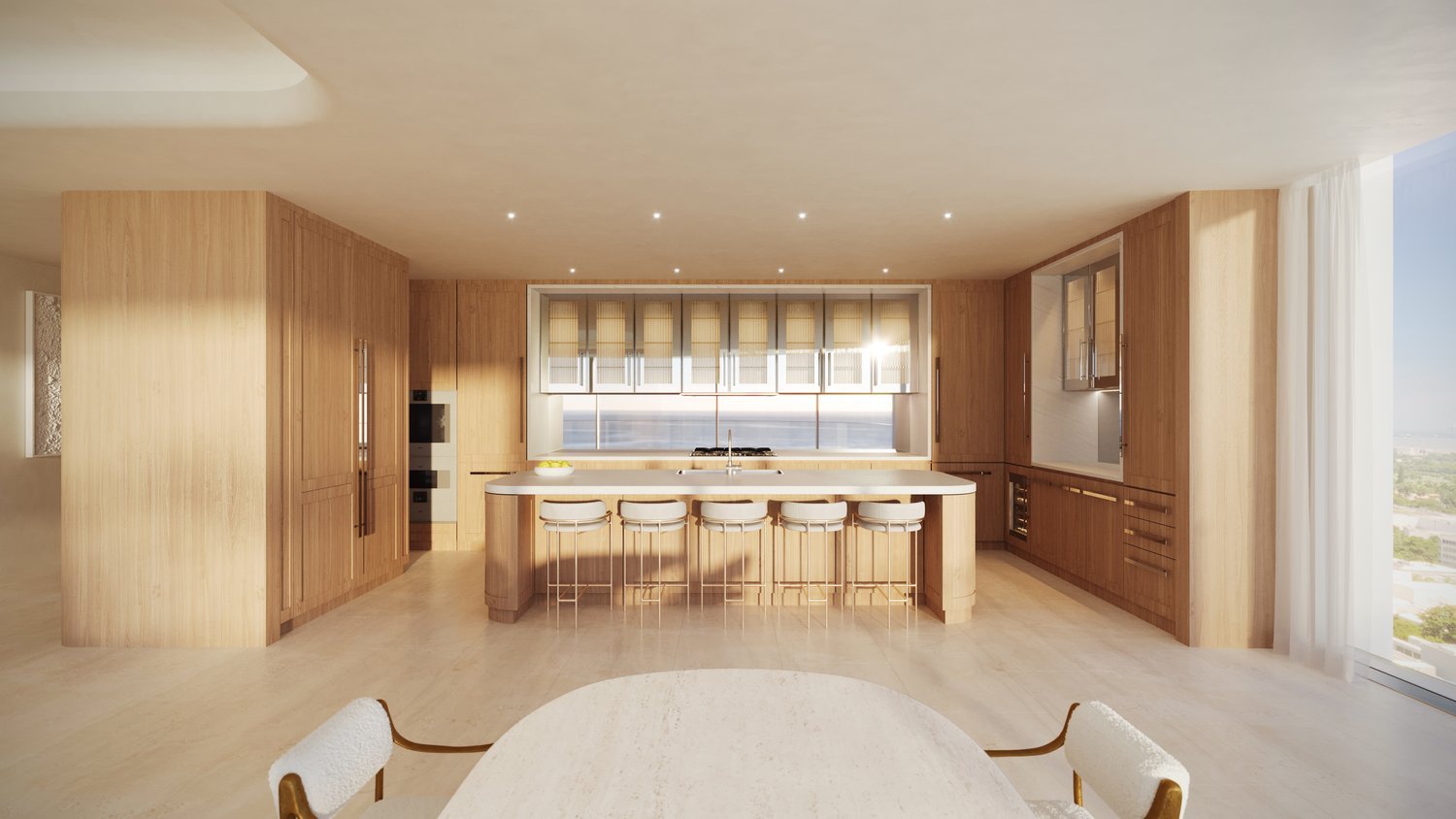
Five Developments in Miami Beach Emphasizing Japanese Minimalist Design
Japanese minimalist design has become a quiet status signal in Miami Beach: a preference for restraint over spectacle, craftsmanship over trend, and daily calm over visual noise. In a market defined by light, water, and high expectations, the most compelling residences are increasingly the ones that edit rather than add. This editorial looks at five development archetypes that express Japanese minimalism in a Miami Beach context, from sanctuary-like arrival sequences to warm natural palettes and spa-grade wellness. Because today’s buyers often split time between cities, the appeal is not only aesthetic. Minimalist planning tends to age well, photograph cleanly, and support an easier rhythm of living. What follows is a buyer-oriented ranking, then a practical guide to how to evaluate minimalism beyond marketing language, including the details that matter once you move in: acoustics, storage, lighting, material integrity, and amenity culture.