Five Developments in Miami Beach Emphasizing Japanese Minimalist Design
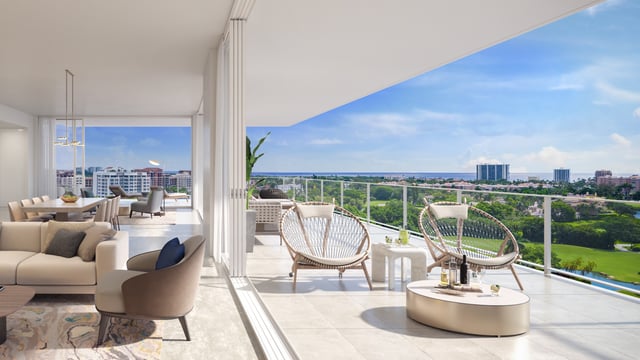
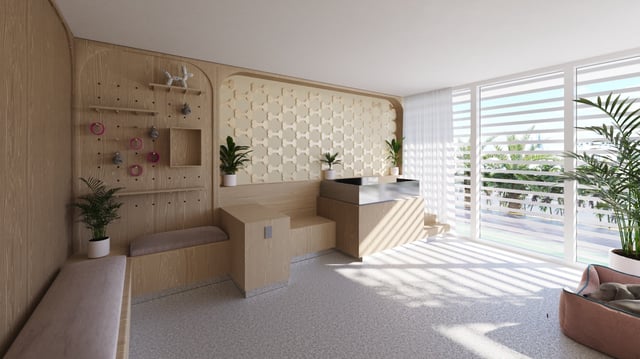
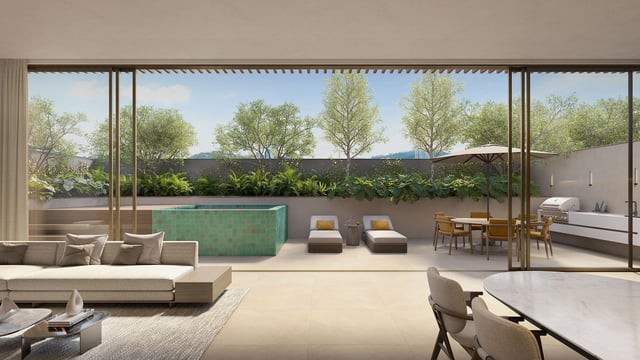
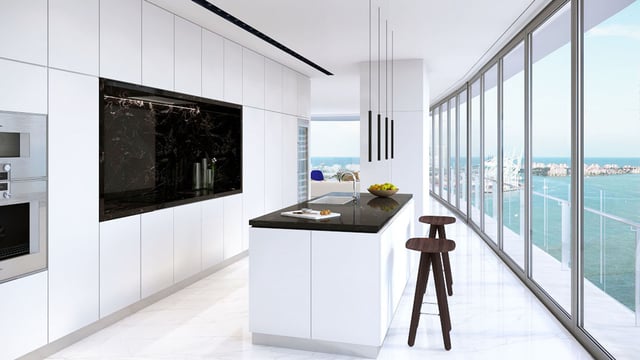
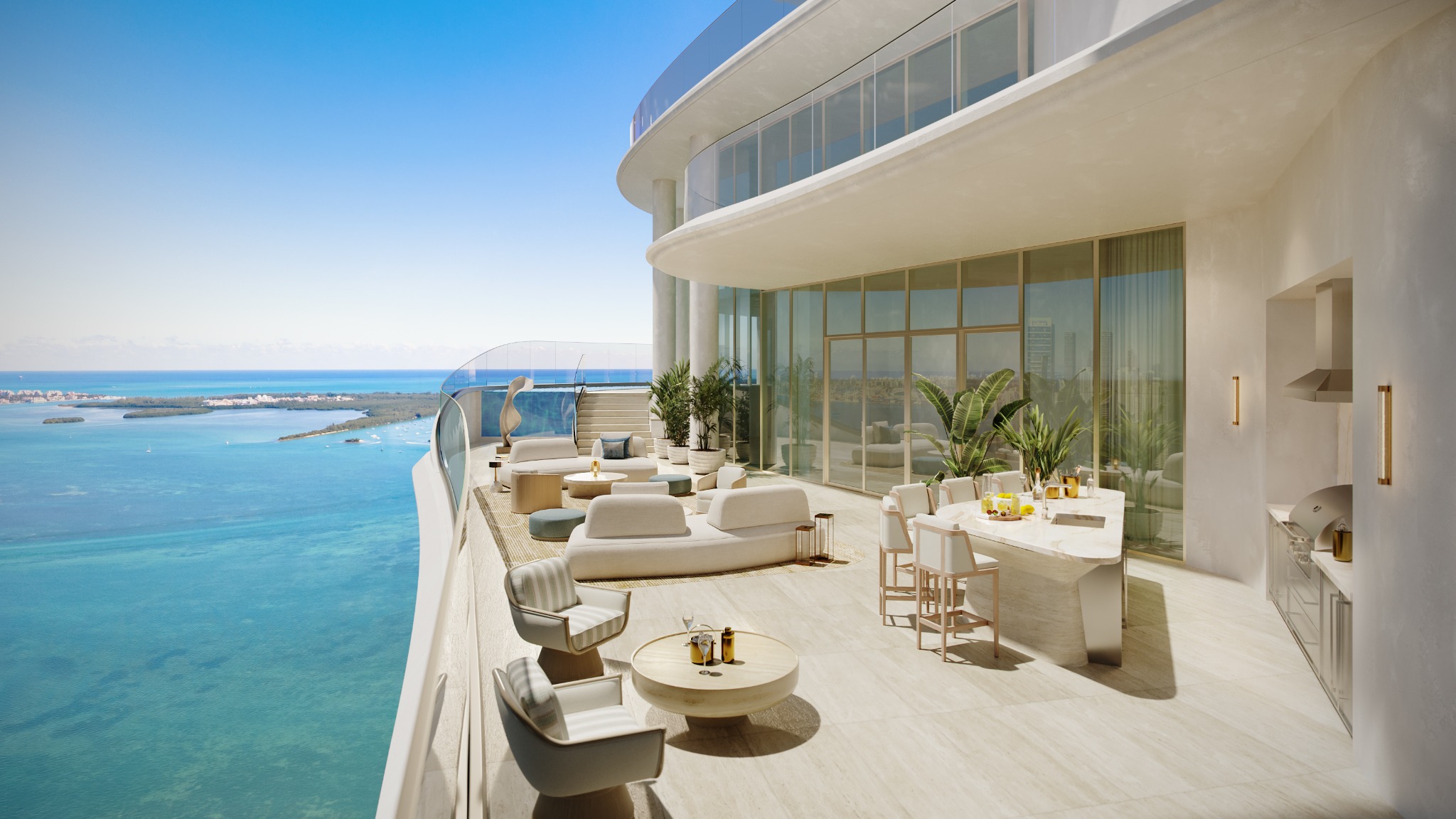
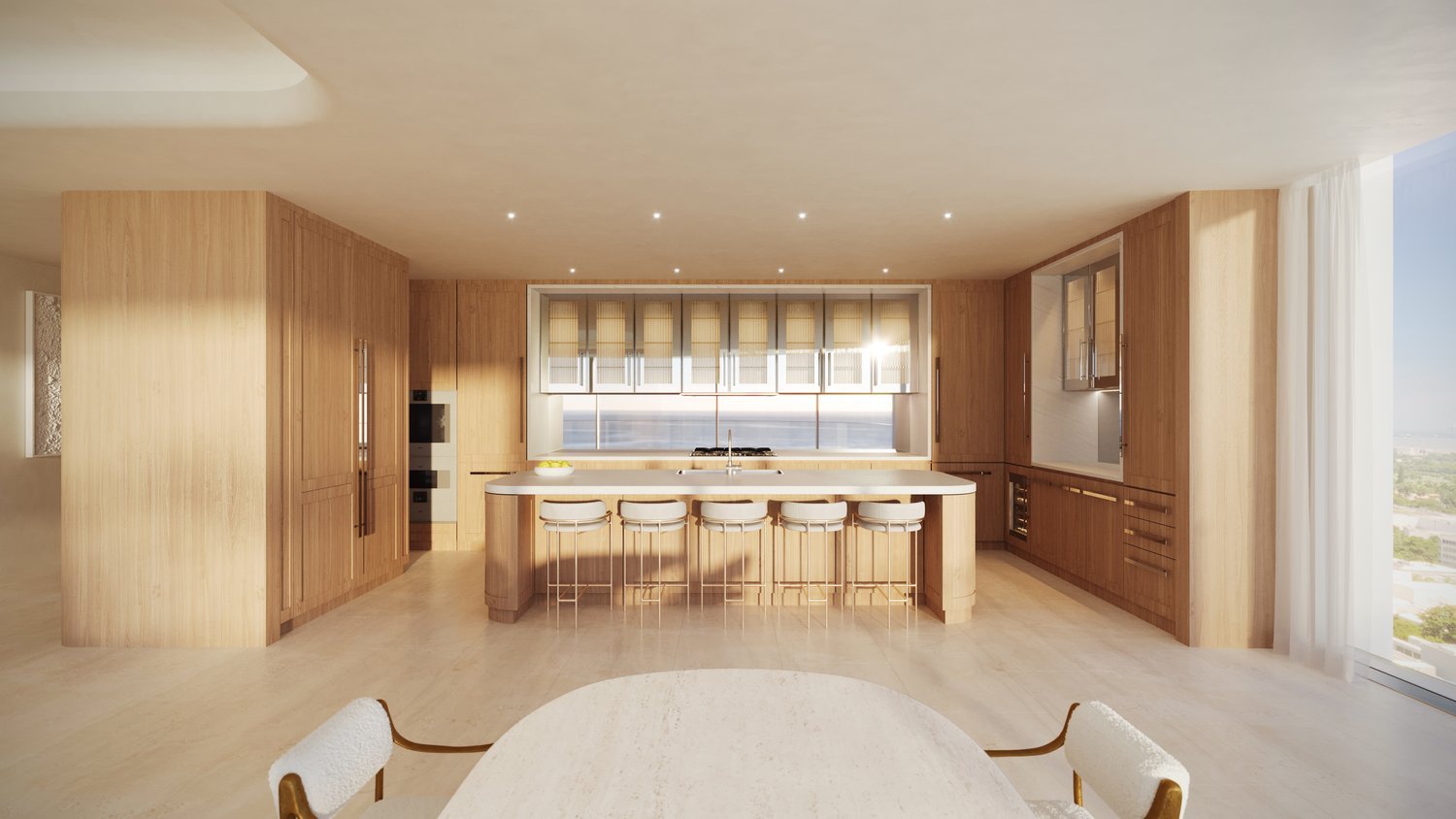
Japanese minimalist design has become a quiet status signal in Miami Beach: a preference for restraint over spectacle, craftsmanship over trend, and daily calm over visual noise. In a market defined by light, water, and high expectations, the most compelling residences are increasingly the ones that edit rather than add. This editorial looks at five development archetypes that express Japanese minimalism in a Miami Beach context, from sanctuary-like arrival sequences to warm natural palettes and spa-grade wellness. Because today’s buyers often split time between cities, the appeal is not only aesthetic. Minimalist planning tends to age well, photograph cleanly, and support an easier rhythm of living. What follows is a buyer-oriented ranking, then a practical guide to how to evaluate minimalism beyond marketing language, including the details that matter once you move in: acoustics, storage, lighting, material integrity, and amenity culture.

Ten Family Centric Condominiums in Coral Gables with Proximity to Elite Schools
A buyer-oriented, discreet guide to Coral Gables condominium living for families prioritizing walkable errands, calmer streets, and fast school runs. This ranked selection focuses on building typology and neighborhood positioning rather than unverifiable superlatives, with practical guidance on what to verify during touring and contract.
Seven Condominiums in South Florida with Professional Grade Golf Simulators
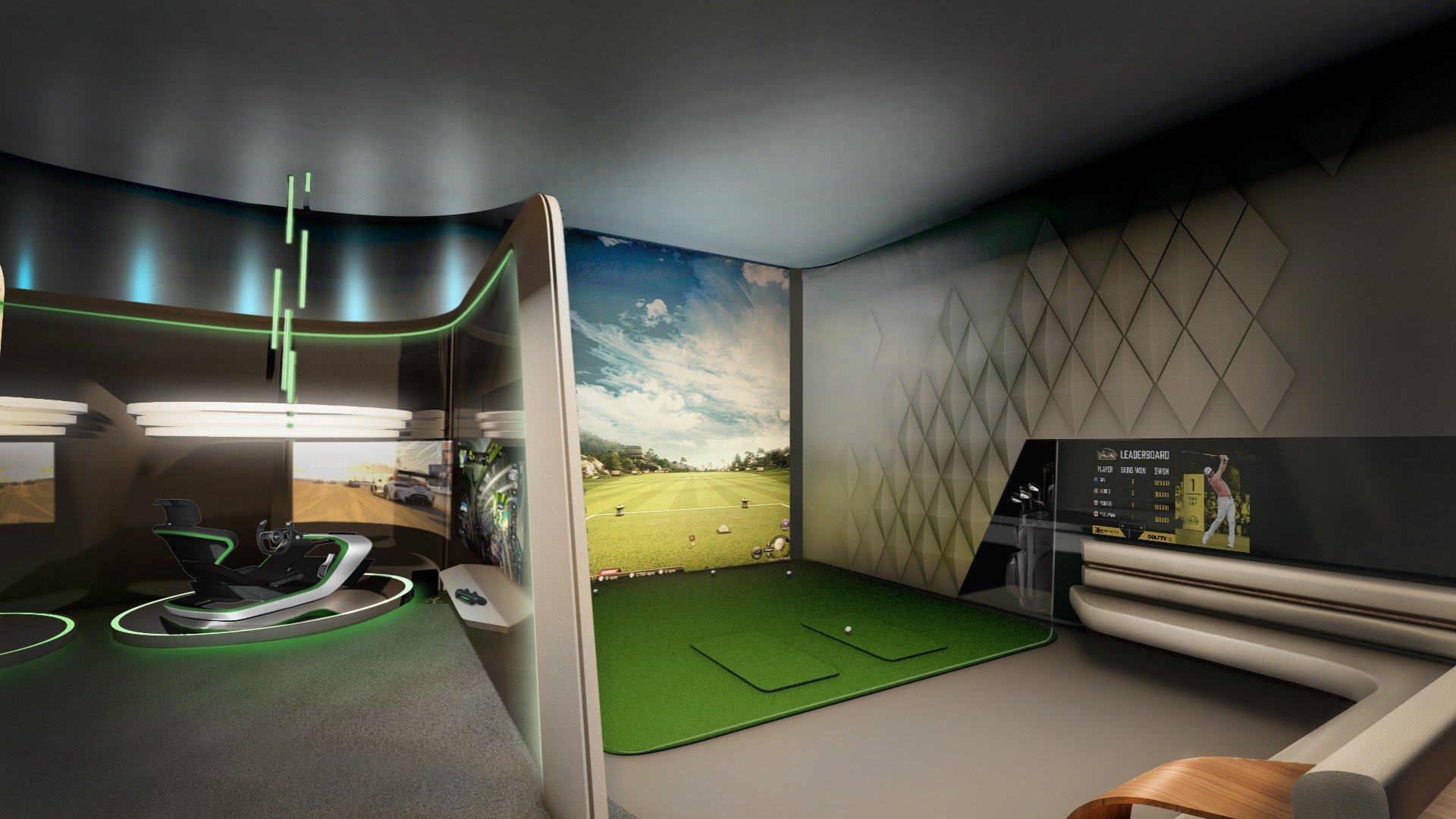
For South Florida buyers who treat practice like a ritual, the new benchmark is not simply “a simulator room,” but a properly specified environment: commercial-grade launch monitoring, true-to-life turf and strike mats, ample ceiling height, and acoustic separation so the experience feels like a private bay at an elite club. In ultra-premium condominium living, that level of performance is increasingly paired with equally serious wellness, concierge, and social programming. The result is a new kind of amenity: part training facility, part entertaining suite, and part all-weather retreat. This editorial selects seven condominium environments where a pro-grade simulator is the right expectation. In some buildings it is a resident-facing club room designed for real practice sessions. In others, the most convincing solution is a private build-out inside the residence, supported by generous ceiling volumes, sensible floor plans, and management policies that accommodate sophisticated AV. In all cases, the goal is the same: a dependable, repeatable swing experience that fits seamlessly into a South Florida lifestyle.
How to Vet Boutique Hospitality Management Companies for World Cup Turnovers
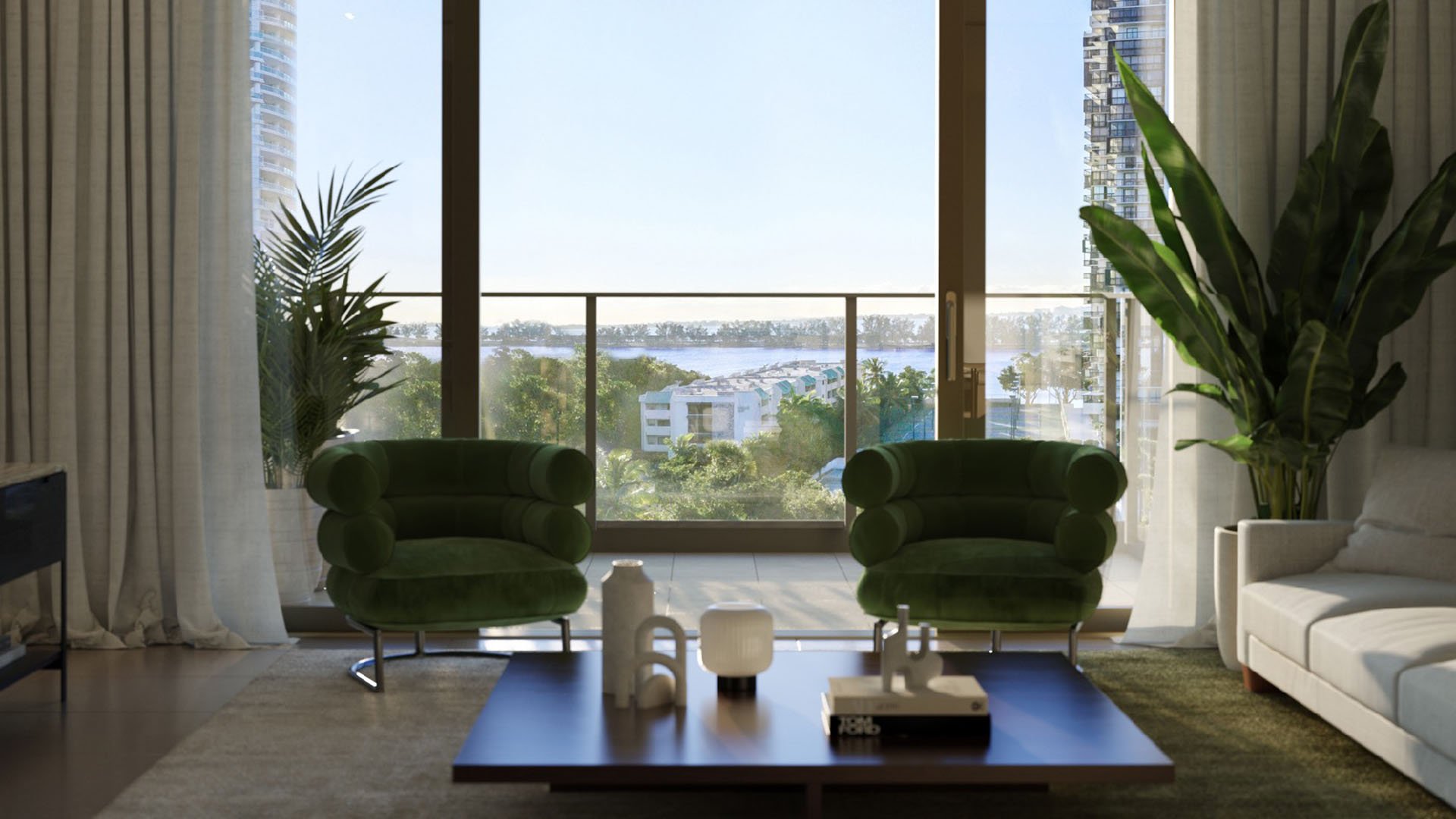
World Cup-style demand spikes can turn a beautifully finished residence into an operational stress test. For South Florida owners and buyer-investors, the right boutique hospitality management partner is less about glossy branding and more about controls, staffing depth, and guest-screening discipline. This MILLION Luxury guide translates high-season hotel playbooks into a practical due-diligence framework: what to ask, what to review, and what contract terms protect your home, your neighbors, and your revenue when occupancy is at its most intense.

Ten Turnkey Condominiums in Palm Beach County with Private Beach Clubs
A buyer-oriented guide to turnkey condominium living in Palm Beach County, with a clear top-ten style ranking and practical criteria for evaluating private beach club access, service, and day-to-day ease.
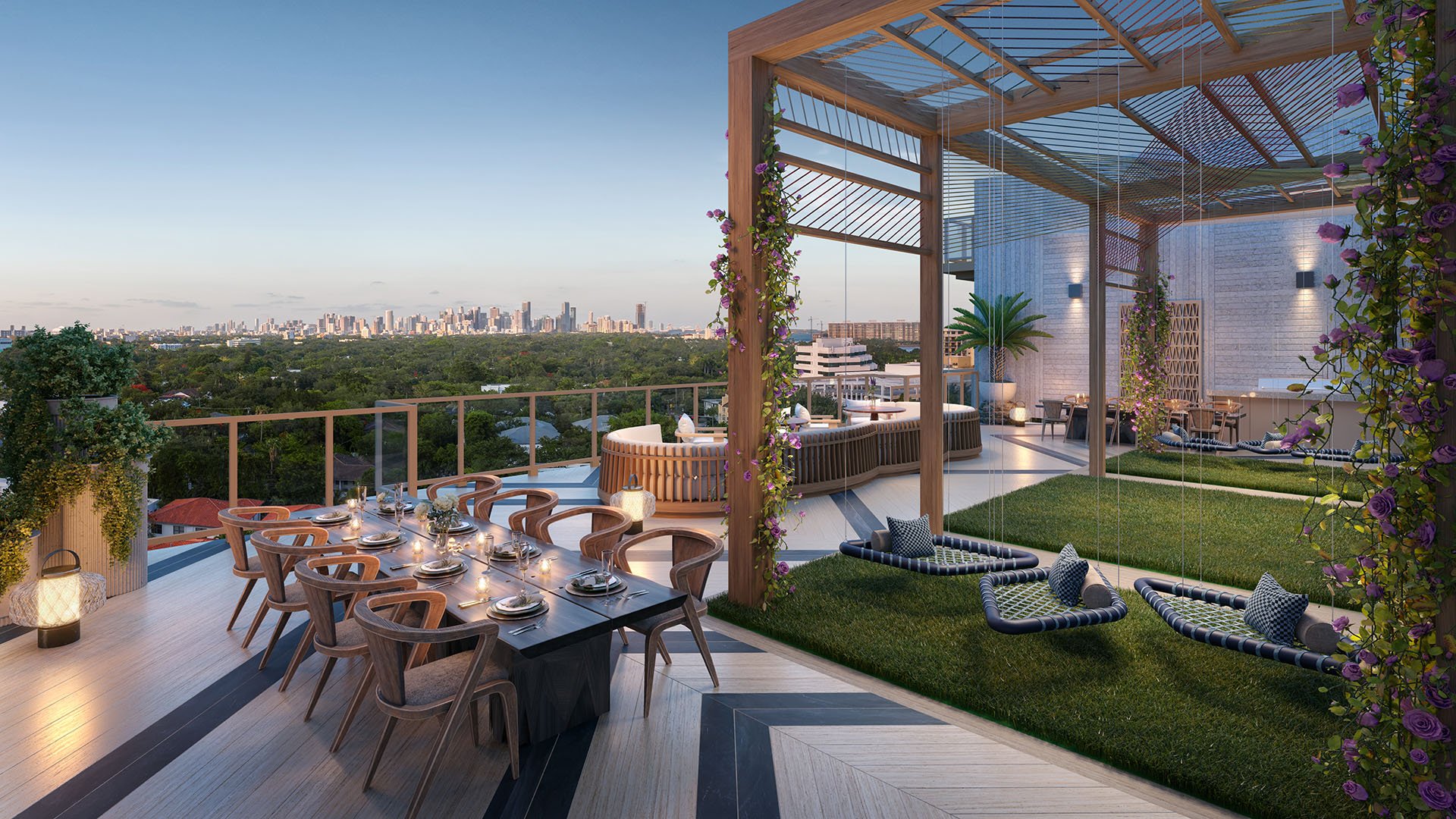
Five New Construction Projects in Coconut Grove with Botanical Architecture
In Coconut Grove, the most enduring form of luxury is not spectacle but shade: mature canopy, layered gardens, and architecture that reads as an extension of the landscape. Botanical architecture is the Grove’s natural dialect, translating into deep terraces, porous facades, and residences designed to live with humidity, breezes, and filtered light. This editorial looks at five new-construction projects in Coconut Grove that align with that sensibility, then outlines how to evaluate plant-forward design in a way that matters for ownership: privacy, maintenance, resilience, and long-term desirability.