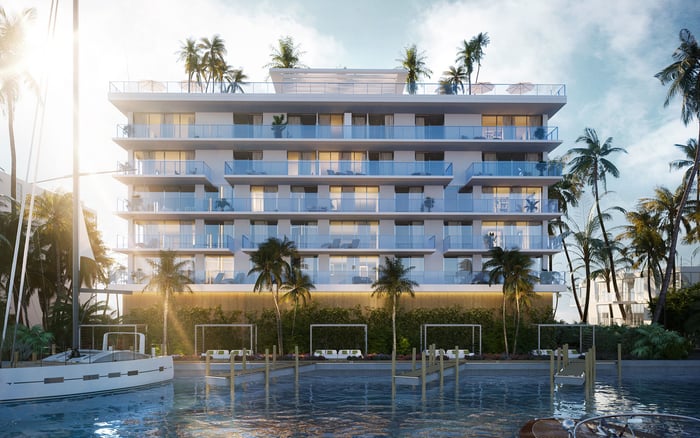
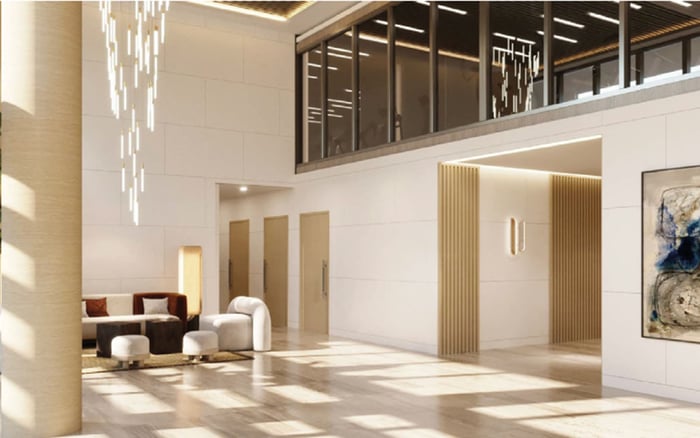
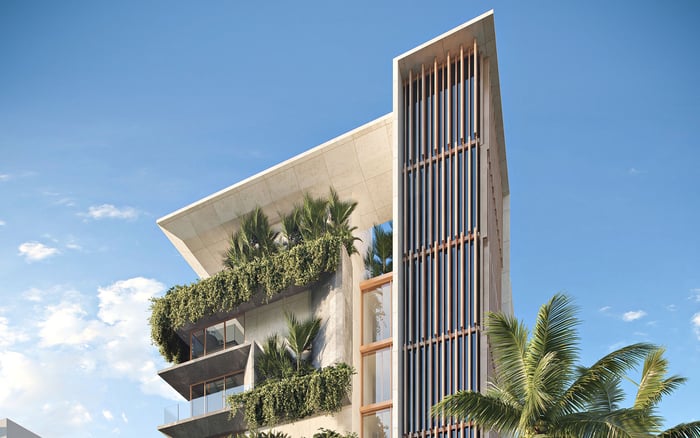
An editorial look at Origin Bay Harbor Islands and how entry-level luxury should be understood in a boutique island setting, where access, privacy, restraint, and scarcity shape value.
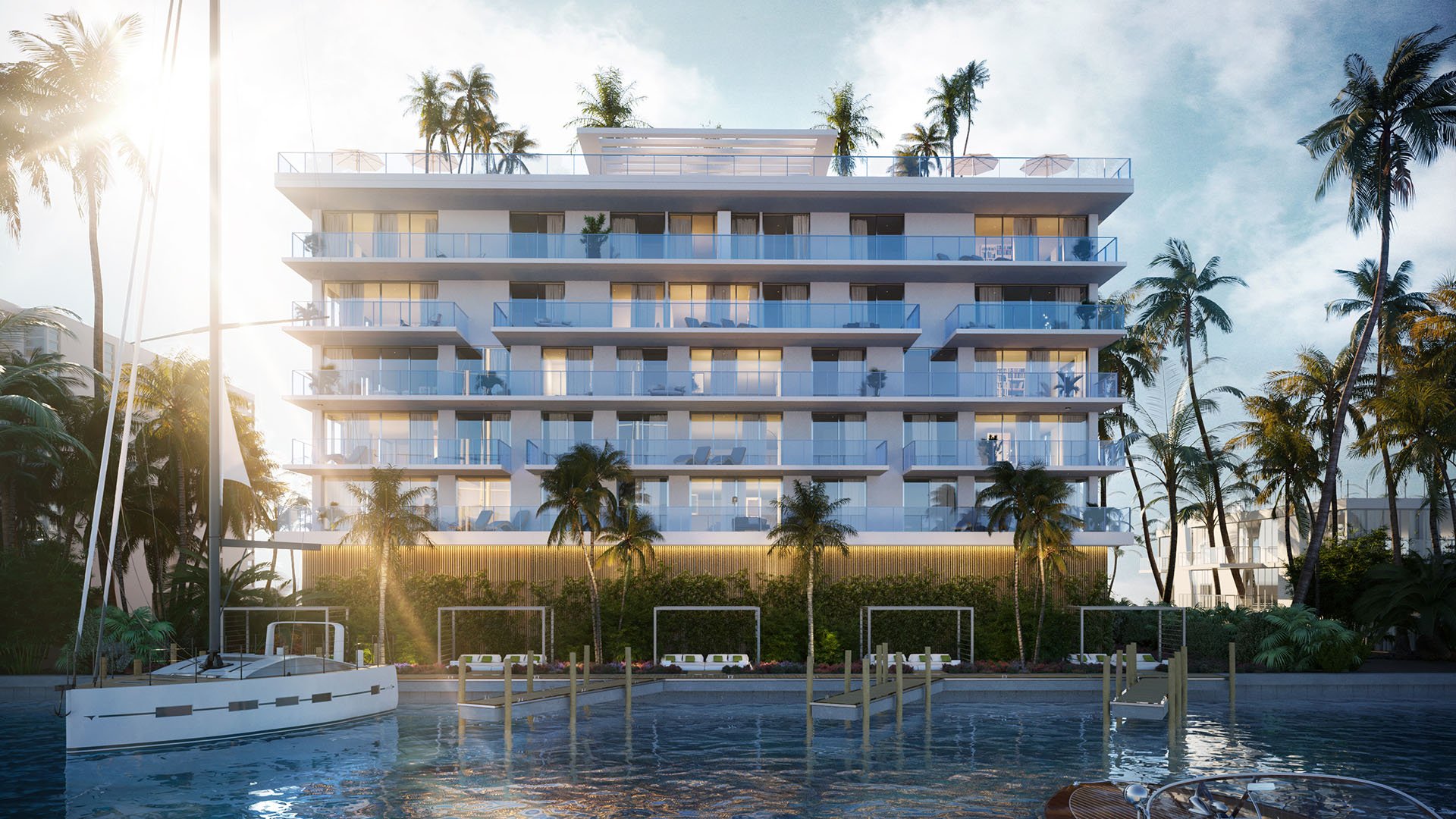
The phrase “entry-level luxury” can mislead when it is read as a synonym for inexpensive. In Bay Harbor Islands, and especially at Origin Bay Harbor Islands, it is better understood as the lower boundary of the luxury condominium segment, not the upper boundary of standard housing. The distinction matters. This buyer is not shopping for basic shelter; they are seeking a refined island address, a more intimate residential environment, and a credible position within Miami’s broader luxury ecosystem without necessarily moving into the market’s most trophy-oriented tier.
That positioning gives Origin its editorial relevance. It is not competing on spectacle alone. Its appeal rests on a more measured idea of luxury: shaped by location, scale, design restraint, and lifestyle fit. For a new-project buyer who wants the prestige of Bay Harbor Islands without the intensity of a large branded tower, that can be a compelling proposition.
Bay Harbor Islands has a quieter residential identity than Miami’s larger high-rise districts. The mood is more composed, more neighborhood-oriented, and less dependent on the grand gestures often associated with resort-style condominium living. That context is central to understanding why an “entry” point here still belongs firmly in the luxury conversation.
The island setting is also inherently limited. In a supply-constrained residential enclave, smaller-scale living can carry meaningful exclusivity. Scarcity does not have to announce itself through size or branding. It can be felt in the rhythm of the streets, the intimacy of the building experience, and the relative calm of the neighborhood. In that sense, Bay Harbor is not merely a search term or a geographic label. It is shorthand for a specific residential temperament within Miami luxury.
Origin’s value proposition is tied to that temperament. The project reads as a case study in luxury measured by privacy, neighborhood quality, and access to an affluent island setting rather than by maximum square footage or trophy pricing alone.
Boutique luxury asks a different question than resort luxury. Instead of asking how much can be added, it asks what should be included. The result is often a more edited living experience, where amenities, common spaces, and the resident environment are judged by purpose rather than abundance.
That is why the boutique context matters. Buyers drawn to Origin are often not rejecting luxury. They are rejecting excess for its own sake. They may value discretion over visibility, residential calm over social theater, and a curated daily routine over a heavily programmed building identity. This is a different kind of prestige, one that sits closer to private living than hotel-style display.
Other Bay Harbor Islands projects help frame the neighborhood’s broader appeal. Alana Bay Harbor Islands reflects the same island preference for composed residential scale, while Onda Bay Harbor speaks to buyers who want a boutique environment with a strong sense of place. Origin sits within that conversation as a more approachable expression of the same underlying desire: to live well, quietly, and within a premium island setting.
The most important buyer distinction is between approachable and affordable. Affordable implies mass-market accessibility. Approachable, in this context, means relatively accessible when compared with Miami-area waterfront and island luxury pricing. That is a narrow but meaningful difference.
An Origin buyer may be value-conscious, but that does not mean they are value-only. They may be comparing the cost of entry into a boutique island condominium with larger branded towers, oceanfront residences, or more overtly ultra-luxury addresses. The decision is less about buying down than buying precisely. The question becomes: how much of the luxury experience is tied to the name on the building, and how much is tied to the quality of the address, the privacy of the environment, and the suitability of the lifestyle?
For many affluent purchasers, that calculus is increasingly sophisticated. A right-sized residence in a quieter island community can feel more aligned with how they actually live than a more dramatic building in a busier district.
Miami’s condominium market offers several models of prestige: the branded tower, the oceanfront resort, the downtown skyline, and the boutique neighborhood model. Origin belongs most naturally to the last category. Its relevance comes from how it broadens access to a premium setting while still preserving the essential codes of luxury: privacy, considered design, and a desirable location.
That does not make it a substitute for every type of luxury buyer. Someone seeking a large-scale amenity ecosystem may look elsewhere. A buyer focused on internationally recognized branding may also prefer a different path. But a purchaser who wants the daily ease of island living, with less emphasis on spectacle, may find Origin’s positioning more persuasive.
The comparison is useful across nearby projects as well. La Maré Bay Harbor Islands adds another expression of the neighborhood’s boutique residential character, while The Well Bay Harbor Islands points to the continuing refinement of wellness-minded luxury in the same island setting. Origin’s role is not to overpower those references. It is to clarify a specific lane: refined island access without the need to chase the very top of the market.
The best way to evaluate Origin is not through a generic checklist. Buyers should ask whether the project’s scale, setting, and restraint match their daily priorities. New-construction appeal is meaningful, but it should be weighed alongside the neighborhood’s character and the long-term desirability of smaller-scale island living.
For some, the attraction will be discretion. For others, it will be the ability to enter an affluent enclave without committing to the most rarefied tier of pricing. For many, the appeal will be the balance between both. Origin’s strongest hook is the tension between accessibility and exclusivity: it opens a path into boutique island luxury while remaining firmly within a premium Miami-area environment.
That is the essence of entry-level luxury in this setting. It is not the absence of luxury. It is the first credible step into a particular kind of luxury, defined by calm, scarcity, privacy, and proportion.
Is entry-level luxury at Origin the same as affordable housing? No. It means a relatively more approachable point of entry into a luxury-positioned island condominium, not a budget or mass-market product.
Why does Bay Harbor Islands matter to Origin’s positioning? The island’s quieter residential character gives Origin a luxury context based on privacy, scale, and neighborhood feel rather than spectacle.
Who is the likely buyer for this type of project? The likely buyer is affluent and value-conscious, seeking authentic luxury without necessarily paying for the very top tier of the market.
What makes boutique luxury different from resort-style luxury? Boutique luxury emphasizes intimacy, discretion, and purposeful spaces, while resort-style living often prioritizes scale and extensive programming.
Does Origin rely on ultra-luxury branding to create value? Its value is better understood through location, restrained scale, lifestyle fit, and access to Bay Harbor Islands’ residential character.
Is smaller-scale luxury still exclusive? Yes. In a limited island setting, smaller-scale living can create a meaningful sense of privacy and scarcity.
How should buyers compare Origin with larger Miami towers? Buyers should compare lifestyle priorities first, including privacy, neighborhood calm, building scale, and the level of amenity intensity they actually want.
Is Origin best viewed as an investment or a lifestyle purchase? It should be evaluated through both lenses, but the clearest appeal is lifestyle fit within a premium, supply-conscious island environment.
What does right-sized luxury mean here? It means luxury that feels deliberate rather than excessive, with value placed on setting, privacy, and proportion.
What is the best way to shortlist comparable options for touring? Start with location fit, delivery status, and daily lifestyle priorities, then compare stacks and elevations to validate views and privacy.
For a discreet conversation and a curated building-by-building shortlist, connect with MILLION.
If branded residences are on your mind — as a home or as an allocation — we would be glad to share what we are seeing, privately.
Begin a quiet conversation