A buyer-focused comparison of Opus Coconut Grove, The Well Bay Harbor Islands, and Alma Bay Harbor Islands through terrace usability, view quality, and maintenance exposure.
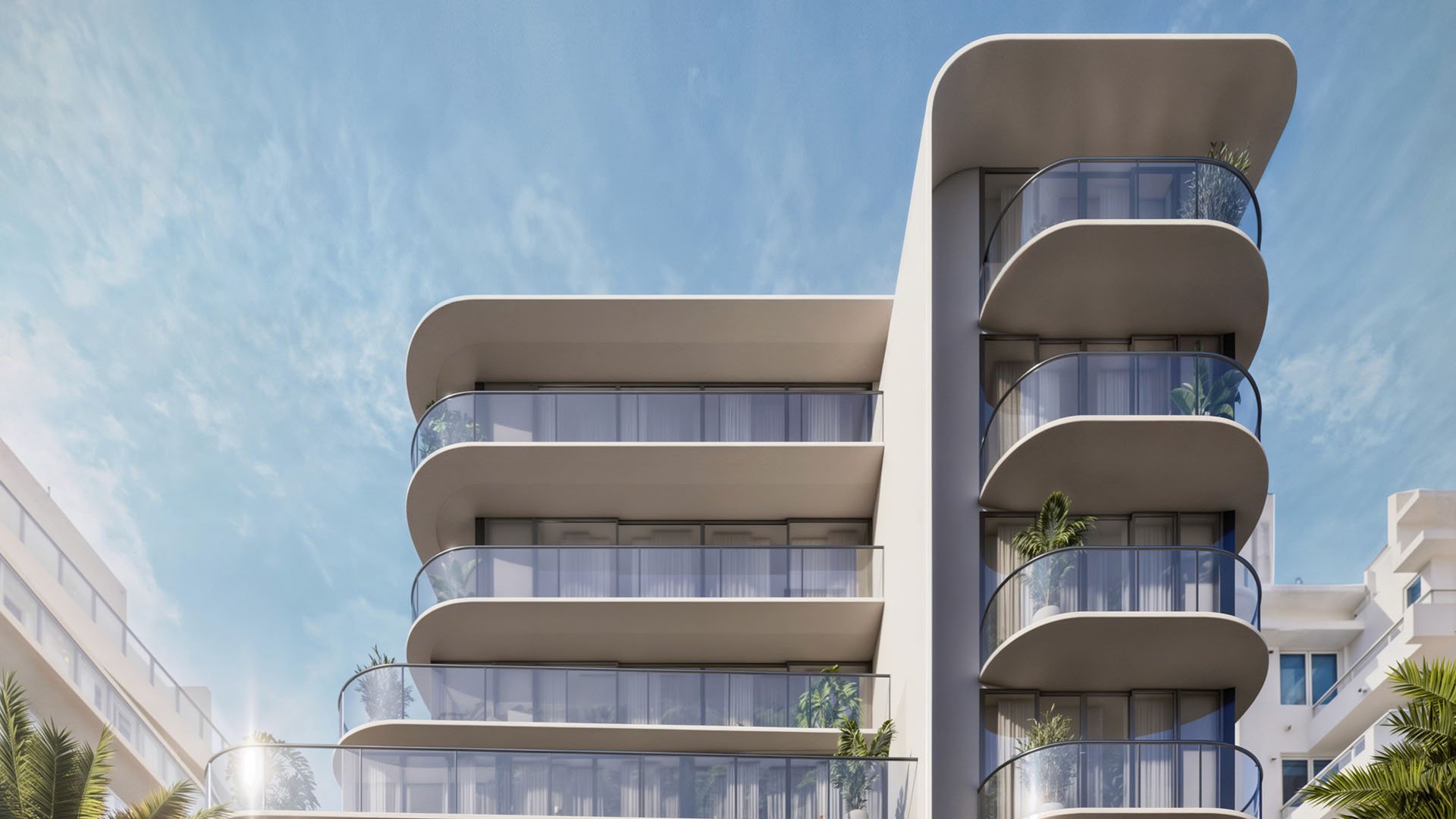
In South Florida luxury real estate, the terrace is rarely just an outdoor room. It is a practical test of how a residence handles light, air, privacy, view quality, entertaining, and the long-term realities of coastal exposure. That makes Opus Coconut Grove, The Well Bay Harbor Islands, and Alma Bay Harbor Islands an instructive comparison, especially when the most important questions are practical rather than spectacular.
The useful distinction begins with geography. Opus Coconut Grove is the Coconut Grove reference in this three-project reading. The Well Bay Harbor Islands and Alma Bay Harbor Islands sit on the Bay Harbor Islands side of the comparison. That contrast is enough to frame a serious buyer conversation without overstating unverified details about exact terrace dimensions, view corridors, materials, or maintenance specifications.
For a disciplined buyer, the title’s three issues should be treated as filters, not assumptions. Terrace usability asks whether the outdoor space supports real routines. View quality asks how outlook, privacy, and visual calm may affect daily use. Maintenance exposure asks what a purchaser should investigate before assigning premium value to outdoor square footage in a coastal market.
Opus Coconut Grove belongs in this discussion because it gives the comparison a Coconut Grove anchor. That matters for buyers who evaluate residential life through a neighborhood-oriented lens, where indoor-outdoor living connects to daily routines rather than a single view moment. The project’s position within the Coconut Grove category makes it the natural counterpoint to the two Bay Harbor Islands examples.
The cautious way to assess Opus Coconut Grove is not to presume any particular terrace size, exposure, or view. Instead, the buyer question is whether its outdoor living proposition aligns with the lifestyle the purchaser expects from a Grove residence. A terrace that is too shallow, overly exposed, or difficult to furnish can underperform even in a desirable address category. A terrace that supports dining, shade planning, conversation zones, and visual privacy can become part of the home’s daily architecture.
This is where the first solution emerges: terrace usability is best judged by behavior. How would breakfast, a quiet call, a small dinner, or an afternoon reading hour actually work outdoors? Opus Coconut Grove should be read through that practical lens, with the Grove context adding an expectation of ease rather than theatricality.
The Well Bay Harbor Islands is one of the two Bay Harbor Islands projects in this comparison. Its role is not simply to represent a different address category. It gives buyers a way to think about outdoor space through composure, routine, and livability in an island-oriented setting.
In that setting, view quality may be less about a single dramatic panorama and more about the consistency of the outlook. A purchaser should ask whether the outdoor experience feels visually settled, whether neighboring conditions affect privacy, and whether the terrace will be inviting at the hours when the home is most used.
For The Well Bay Harbor Islands, the second solution is view quality as a daily livability asset. Not every valuable view needs to be cinematic. A calm, uncluttered outlook can matter as much as distance, especially for owners who will actually sit outside, work from home, host quietly, or use the terrace as decompression space. The buyer’s task is to test the view not only at its most flattering moment, but as part of a weekly rhythm.
Alma Bay Harbor Islands completes the Bay Harbor Islands side of the comparison. Placing Alma beside The Well is useful because it prevents Bay Harbor from being treated as a single design answer. Two projects in the same area can still produce very different experiences for terrace usability, view interpretation, and ownership comfort.
With Alma Bay Harbor Islands, the important question is how a buyer should evaluate maintenance exposure before making emotional decisions about outdoor space. Coastal and near-water residences require a careful reading of balcony surfaces, railings, drainage, shade, furniture planning, cleaning access, and the way outdoor areas transition back into interiors. The presence of a terrace may create value, but only if it remains convenient to own.
This is the third solution: maintenance exposure should be evaluated as part of luxury, not as an afterthought. The most refined terrace is not necessarily the largest one. It is the one that feels proportionate, manageable, and resilient within the ownership pattern a buyer intends to maintain. For a seasonal owner, that might mean easy lock-and-leave upkeep. For a primary resident, it may mean a terrace that can handle frequent use without becoming another demanding room.
A polished purchase decision begins by separating desire from utility. Many buyers fall in love with outdoor square footage, then discover that furniture layout, sun exposure, privacy, or upkeep affects how often it is used. The better approach is to make terrace usability, view quality, and maintenance exposure work together.
For Opus Coconut Grove, the question is whether the outdoor experience supports the softer residential cadence a buyer wants from the Grove. For The Well Bay Harbor Islands, the question is whether the view and outdoor rhythm contribute to calm daily livability. For Alma Bay Harbor Islands, the question is whether ownership practicality protects the value of the outdoor space over time.
This is not a ranking. It is a fit exercise. The right choice may depend on whether a buyer wants a Grove-oriented home base, a Bay Harbor Islands environment with a wellness-forward sensibility, or another Bay Harbor Islands option where terrace practicality and upkeep deserve special scrutiny.
The most sophisticated buyers will walk each residence with a simple script. Where would a table go? Where would seating feel natural? What can be seen while seated, not just while standing? How protected does the terrace feel? How easy would it be to keep clean, furnished, and ready? Those questions are modest, but they often reveal the difference between a beautiful outdoor area and a genuinely livable one.
Is this a ranked comparison? No. It is a buyer-oriented framework comparing one Coconut Grove project with two Bay Harbor Islands projects.
Which project represents Coconut Grove in the comparison? Opus Coconut Grove is the Coconut Grove reference and should be evaluated within that neighborhood context.
Which projects represent Bay Harbor Islands? The Well Bay Harbor Islands and Alma Bay Harbor Islands form the Bay Harbor Islands side of the comparison.
Can buyers assume specific terrace dimensions from this comparison? No. Exact dimensions should be verified directly during the purchase review for each residence.
What does terrace usability mean for a luxury buyer? It means the outdoor space supports real daily routines, including dining, lounging, privacy, and furniture placement.
How should view quality be evaluated? Buyers should assess the outlook while seated, at different times of day, and in relation to privacy and visual calm.
Why does maintenance exposure matter in South Florida? Outdoor areas in coastal markets can require closer attention to surfaces, drainage, railings, furnishings, and cleaning.
Is the largest terrace always the best terrace? Not necessarily. A smaller, well-proportioned terrace may live better than a larger space with awkward exposure or layout.
Should a seasonal owner evaluate terraces differently? Yes. Seasonal owners should consider lock-and-leave convenience, cleaning access, and how easily outdoor areas stay ready.
What is the best next step for a serious buyer? Tour each option with terrace use, view quality, and maintenance exposure as separate decision filters.
If you'd like a private walkthrough and a curated shortlist, connect with MILLION.
If branded residences are on your mind — as a home or as an allocation — we would be glad to share what we are seeing, privately.
Begin a quiet conversation