A discreet due-diligence guide to testing elevator privacy, valet circulation, service access, staffing protocols and contingency planning before buying in Surfside.
In Surfside, the experience of a luxury condominium begins before the front door. A private elevator can create an elegant sense of separation, while a well-managed valet can make daily arrivals feel effortless. Yet neither feature should be judged by its label alone. What matters is the complete sequence: entering the property, handing over a vehicle, reaching the correct elevator, receiving guests, accepting deliveries and returning home when operations are under pressure.
The most useful approach is practical rather than theatrical. Walk the route yourself, observe who crosses it and ask management to explain every handoff. This applies whether the property is a boutique building, a larger oceanfront address, a resale opportunity or a second home intended for intermittent use.
Start by defining what “private” means for the residence. Ask whether the elevator opens directly into the home, into a vestibule serving more than one residence or into a controlled corridor. Then identify every credential involved. Does a resident use a fob, code, app, key or staff authorization? Can that credential select only the resident’s floor? What happens when a guest arrives without the owner present?
A showing should include more than a polished ascent. Begin at the vehicle entrance and continue through the lobby, elevator call point, landing and residence door. Then repeat the route as a guest. Ask how household staff, brokers, contractors and delivery personnel are directed. A buyer comparing Arte Surfside with Fendi Château Residences Surfside should apply the same route-based checklist at each property rather than assume similar terminology describes an identical experience.
Also inspect the elevator vestibule as usable space. Determine whether it is part of the residence, a common element or a limited common element, and ask who controls its finishes, repairs and access. Counsel should confirm the governing documents and any responsibility that could transfer with ownership.
Privacy depends as much on operations as on architecture. Ask who can view elevator activity, who can issue or deactivate credentials and how temporary permissions are handled. Find out how long guest access remains active and whether owners receive notice when someone is sent upstairs. If the residence will be occupied seasonally, ask how permissions are managed while the owner is away.
Consider the less glamorous moments. Where does a food delivery wait? Can a vendor reach the residential landing unaccompanied? Is there a separate service elevator, and if so, when must it be used? How are move-ins, large parcels and maintenance visits scheduled? During a tour of Ocean House Surfside, request a demonstration of the guest and delivery journey, not merely the resident route.
A door that opens directly into a home also warrants close attention. Ask what prevents an unintended floor selection and what happens if the residence door is unlocked when the elevator arrives. The answer should set out a clear operating protocol. Buyers should have their own advisers review any access arrangement tied to security, life safety or insurance.
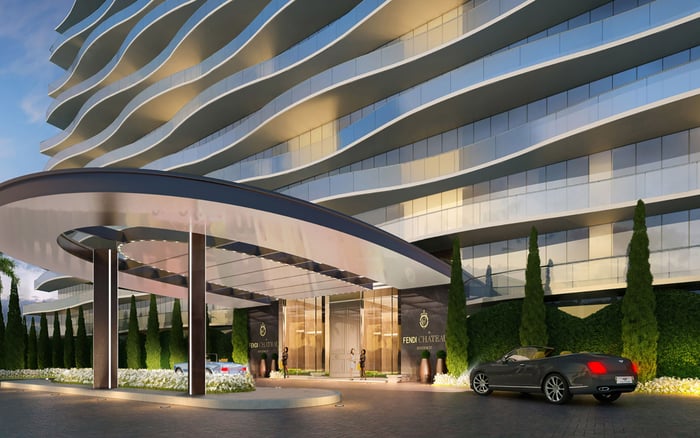
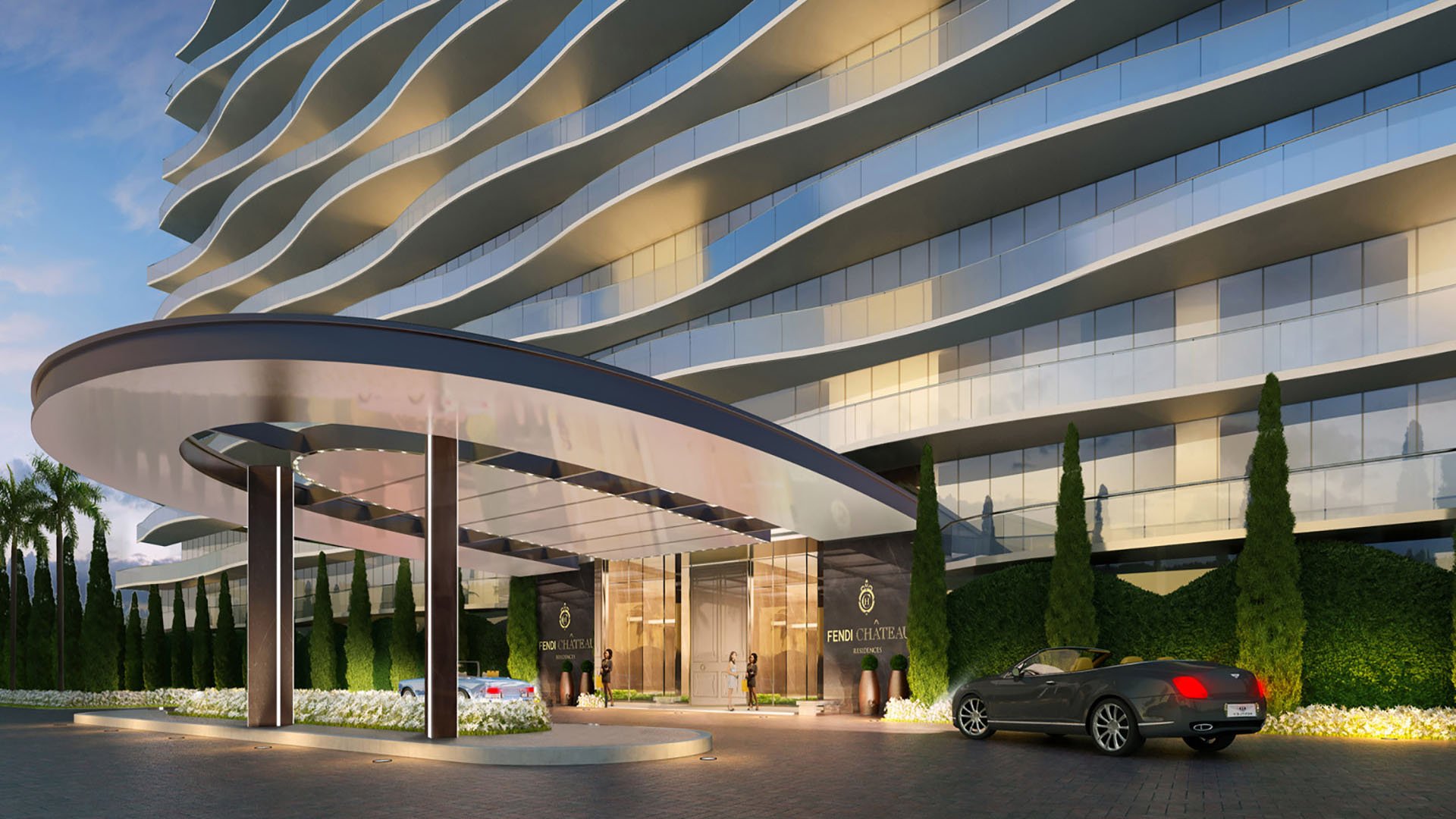
Valet quality is best understood as a circulation study. Note where arriving cars queue, whether departing vehicles cross incoming traffic and where rideshare drivers, couriers and guests stop. Look for potential conflicts among pedestrians, luggage, strollers, bicycles and vehicles. Ask where residents wait during rain and whether the lobby entrance remains clear when several parties arrive at once.
Visit more than once if possible. A quiet appointment may showcase the finishes, but it may not reveal how the porte cochere functions when residents, guests and vendors converge. Ask management which periods are typically most active, then arrange to observe a representative window. When viewing The Delmore Surfside, assess the curb-to-residence sequence as seriously as the interior plan.
Vehicle handling calls for equally precise questions. Ask where keys are secured, who may retrieve a vehicle and how authorization works for family members, drivers or guests. If you own an oversized, low-clearance, high-value or electric vehicle, obtain written confirmation that its dimensions and operating needs can be accommodated. Do not rely on a visual impression of the entrance.
The central issue is not whether interruptions can occur, but how the building responds when they do. Ask who takes responsibility when a residential elevator is unavailable and which alternate route residents must use. Confirm whether that route changes the privacy experience or requires staff assistance. Request written procedures for guests, deliveries and residents who need mobility support.
For valet operations, ask what happens if the normal vehicle lane is blocked or staffing is reduced. Who communicates delays? Is there a place for residents to wait without obstructing the lobby? How are vehicle requests prioritized? A buyer evaluating The Surf Club Four Seasons Surfside can ask these questions without assuming that brand, scale or presentation answers them automatically.
Backup power, elevator operation and emergency access are technical matters. Rather than accept a broad assurance, ask which systems are intended to operate, under what conditions and for what purpose. Have qualified advisers review the available documents and confirm whether the explanation given during a showing aligns with the building’s formal plans.
Before making an offer, translate each concern into a concise written request. Seek current rules governing elevator use, guest credentials, deliveries, move-ins, valet authorization and vehicle limitations. Ask for available maintenance information, pending-work disclosures and the contact responsible for operational questions. The goal is not to demand perfection, but to understand the service model you are buying into.
Create a simple arrival audit with four columns: resident, guest, service provider and emergency alternative. For each, record the vehicle handoff, entry point, credential, elevator route and responsible staff member. Every blank identifies a follow-up question. In an oceanfront purchase, this operational clarity can be as consequential to daily enjoyment as a beautifully composed view.
Does private elevator access always mean direct entry into the residence? Not necessarily. Ask exactly where the elevator opens and whether any vestibule or landing is shared.
Should the elevator access system be demonstrated during a showing? Yes. Test the resident route and ask staff to explain the guest, delivery and service routes.
What should a buyer ask about elevator credentials? Ask who issues, limits, monitors and deactivates credentials, including temporary guest permissions.
Why should buyers visit the valet area more than once? Different visits can reveal how circulation changes when resident, guest and delivery activity overlap.
What vehicle details should be confirmed in writing? Confirm relevant dimensions, clearance, storage procedures and any charging or handling requirements.
How should a seasonal owner assess access control? Ask how guests, household staff and vendors are authorized while the owner is away.
What is the key question about elevator interruptions? Ask which alternate route is used and how privacy, accessibility and staff assistance change.
Should buyers review valet and elevator rules before offering? Yes. Request the applicable rules and have advisers review provisions material to the purchase.
What does beach access have to do with valet flow? Ask whether pedestrians returning from the beach cross vehicle, delivery or service circulation paths.
Is a polished arrival enough to judge the operating model? No. Evaluate the full sequence, the written protocols and the contingency plan behind the presentation.
For a tailored shortlist and next-step guidance, connect with MILLION.
If branded residences are on your mind — as a home or as an allocation — we would be glad to share what we are seeing, privately.
Begin a quiet conversation