A practical, design-minded guide for Hillsboro Beach buyers evaluating whether an elegant coastal residence can manage the daily realities of school bags, sports gear, shoes, devices, and family routines without compromising the calm of a luxury home.
In a luxury coastal home, school-bag storage can sound prosaic until the first week of the school year. Then the entry sequence becomes a daily test of planning. Backpacks, laptops, lunch bags, sports equipment, wet shoes, art projects, and tutoring materials all need a place to land without overwhelming the architecture.
For Hillsboro Beach buyers, the question is not whether a residence is beautiful. It is whether that beauty can withstand the rhythm of family life. A refined home should absorb the morning departure and afternoon return with the same discretion it brings to entertaining. The best storage is not merely abundant. It is placed where behavior naturally occurs.
That distinction matters in Oceanfront residences, where views, terraces, and formal living spaces often dominate the design conversation. Storage should protect those moments, not compete with them.
Walk the residence as your children would. From the garage, lobby, elevator, or front door, trace the path to the kitchen, bedrooms, laundry, and study areas. The ideal drop zone sits along that route, not in a room that requires discipline to use.
Ask where bags would go during three common moments: a rushed morning, a rainy afternoon, and the hour before an evening activity. If the answer is a chair, hallway floor, or kitchen island, the home may need a storage plan before move-in.
A strong family entry area offers depth for backpacks, hooks or compartments at child height, closed doors for visual calm, and a nearby surface for sorting papers. If the home has staff or service circulation, consider whether children’s items can be kept near that route without feeling hidden or inconvenient.
Buyers often search the market under shorthand terms such as Hillsboro-beach, but the practical comparison happens one threshold at a time. A beautiful entry that cannot receive daily life will lose its composure quickly.
Square footage alone rarely tells the story. A generous laundry room with shallow cabinets may be less useful than a compact hall niche with full-height millwork. During a showing, measure usable depth, shelf height, door swing, and clearance around benches or lockers.
A school bag needs more than a hook. It may require space for a laptop sleeve, water bottle, shoes, an instrument, uniforms, and rotating activity gear. If children attend a Private-school with formal accessories, sports schedules, or frequent special events, the system should accommodate more than the standard backpack.
Look for a combination of open and closed storage. Open cubbies encourage daily use, while concealed cabinetry keeps the home visually polished. Soft-close doors, washable interiors, durable flooring, and ventilation all matter in a coastal environment where humidity and sand can follow the family indoors.
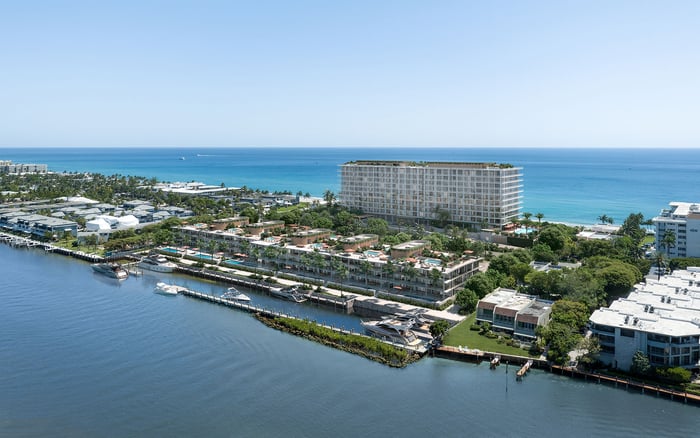
The most elegant solution is often integrated millwork that reads as part of the architecture. In conversations around residences such as Rosewood Residences Hillsboro Beach, buyers may naturally focus on finish quality and service. The same level of attention belongs to the quieter family infrastructure that determines how a home lives day after day.
Not every item belongs near the door. Older children may need bag storage near a desk, bedroom vestibule, or secondary lounge. Younger children may need a more supervised location near the kitchen. A well-chosen residence can support both stages.
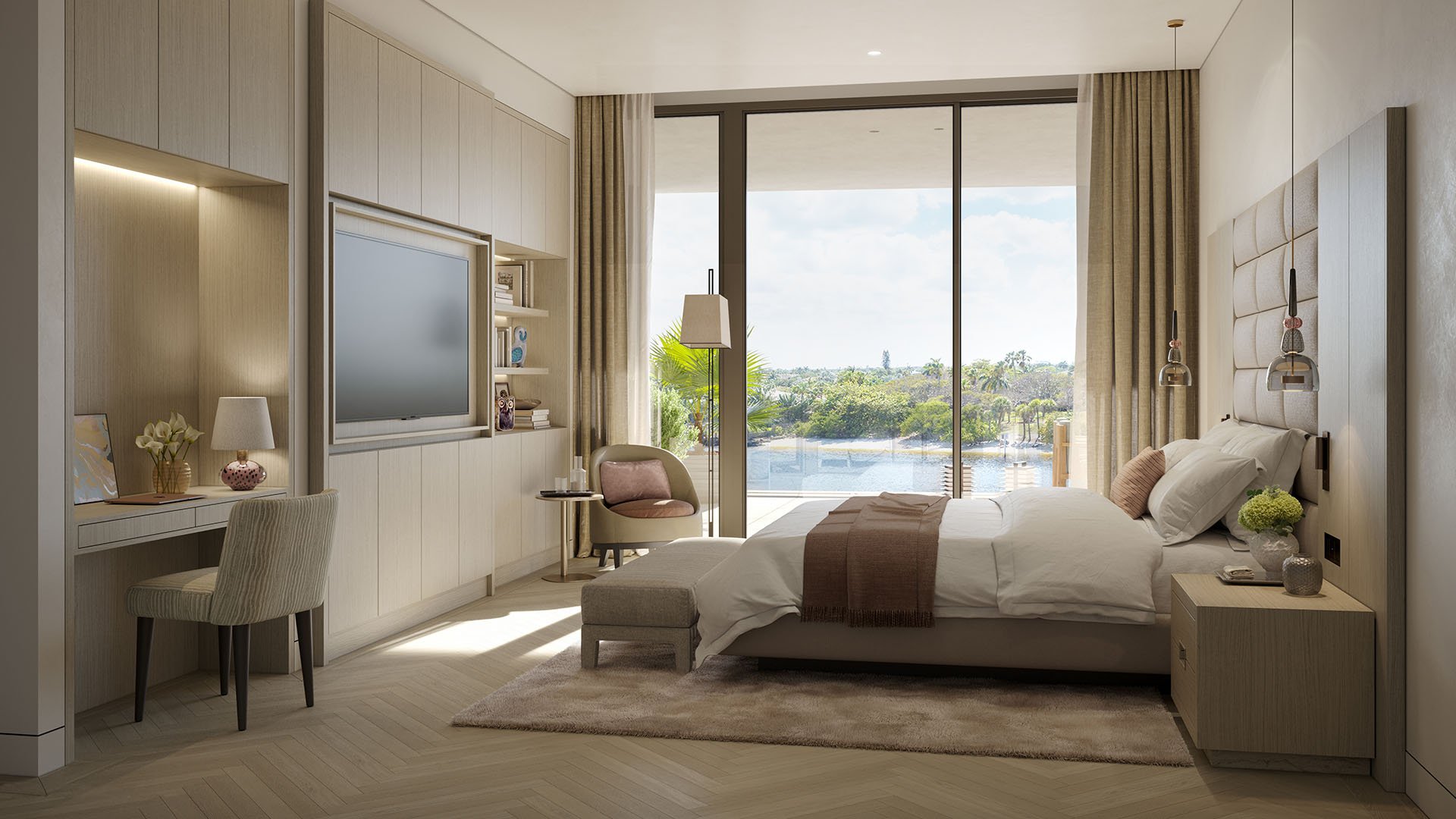
Evaluate whether each bedroom has room for a dedicated school zone without crowding the closet. A closet designed only for clothing may not manage backpacks well, especially if bags end up on the floor beneath hanging garments. Built-in desks can be useful, but only when nearby storage can hold chargers, textbooks, and supplies.
Technology deserves its own review. Consider where devices charge overnight and whether that location supports parental oversight. A cabinet with outlets, a drawer for tablets, or a niche near the family command area can reduce clutter while keeping the main living spaces serene.
For families comparing Boca-ratón, Hillsboro Beach, and nearby coastal enclaves, these details can be as meaningful as a view line. The right floor plan reduces friction before anyone notices the design working.
Children’s storage needs change. A kindergarten backpack differs from a high-school athlete’s equipment, and summer camp gear differs from exam-week materials. The best homes offer adaptable zones rather than highly specific features that become obsolete.
Adjustable shelving, removable hooks, deeper lower cabinets, and flexible bench seating help a home evolve. If the residence is a second home, consider whether visiting grandchildren, tutors, or seasonal guests will use the same areas. If it is a primary home, think about peak load. The question is not how the entry looks on a quiet Sunday, but how it performs at 7:30 a.m. on a full weekday.
This is also where single-family-homes and condominiums can differ in feel. A house may offer garage-adjacent flexibility, while a condominium may require more precise planning within the residence itself. Neither is inherently better. The stronger choice is the property that makes the family’s actual routine feel effortless.
Luxury storage is not only about capacity. It is about surfaces that age gracefully. Painted millwork, natural stone, lacquer, leather pulls, woven baskets, and metal details all behave differently under daily use. A showroom-perfect finish may not be the most forgiving choice for a child-height backpack wall.
Inspect corners, cabinet interiors, hinges, and the flooring under potential drop zones. Durable beauty is the goal. In a coastal setting, easy maintenance is part of elegance. A storage area that requires constant protection has not been designed for real family life.
Lighting also matters. A dark cabinet becomes a forgotten cabinet. Integrated lighting, clear sight lines, and intuitive organization make the system more likely to be used consistently.
A family-friendly storage plan can enhance appeal, but over-personalization can narrow the audience. The safest approach is refined, neutral, and removable where possible. Think tailored cabinetry rather than themed lockers, architectural benches rather than juvenile furniture, and flexible drawers rather than fixed labels.
A buyer may not have children, but nearly every buyer understands the value of discreet storage for bags, beach gear, fitness items, pets, deliveries, and travel accessories. When planned well, school-bag storage becomes a broader lifestyle advantage.
Should school-bag storage affect my purchase decision? Yes. It influences daily order, circulation, and how well a luxury home supports family routines.
Where is the best place for school-bag storage? The best location is along the natural arrival route between entry, kitchen, laundry, and bedrooms.
Is a mudroom necessary in Hillsboro Beach? Not always. A concealed cabinet wall, service corridor, or fitted entry niche can work beautifully.
What should I measure during a showing? Measure cabinet depth, hook height, bench clearance, door swing, and space for bulky activity gear.
Should storage be open or closed? A mix is ideal. Open areas encourage use, while closed cabinetry preserves a refined visual line.
How do I plan for older children? Prioritize deeper storage, charging locations, sports-equipment space, and flexible study zones.
Can elegant millwork handle daily school use? Yes, if finishes are durable, interiors are washable, and hardware is selected for frequent handling.
Does school storage matter for resale? It can. Discreet, flexible storage appeals beyond families because it supports travel and beach life.
What is the most common mistake buyers make? They admire the room size but overlook the exact path where bags, shoes, and devices will land.
Should I solve storage before or after closing? Identify the solution before closing, even if installation happens later, so costs and feasibility are clear.
For a discreet conversation and a curated building-by-building shortlist, connect with MILLION.
If branded residences are on your mind — as a home or as an allocation — we would be glad to share what we are seeing, privately.
Begin a quiet conversation