A buyer-focused look at how Miami Beach residents should evaluate fitness rooms, pools, spa suites, privacy, service and daily wellness flow before choosing a full-time home.

In Miami Beach, fitness and spa amenities are often presented as visual luxuries: the gleaming gym, the dramatic pool deck, the spa corridor finished in stone and soft light. For a full-time resident, the more important question is quieter and more practical. Can the building support ordinary life on a Tuesday morning, after a long flight, during a humid afternoon, or at the end of a demanding week?
The distinction matters. A second-home buyer may value the atmosphere of arrival. A full-time buyer must evaluate consistency, access, privacy, acoustics, operating culture and whether the amenity program reduces daily friction. In practical buyer shorthand, Miami Beach, Beach-access, Pool and Lap-pool are not just search filters; they become lifestyle filters.
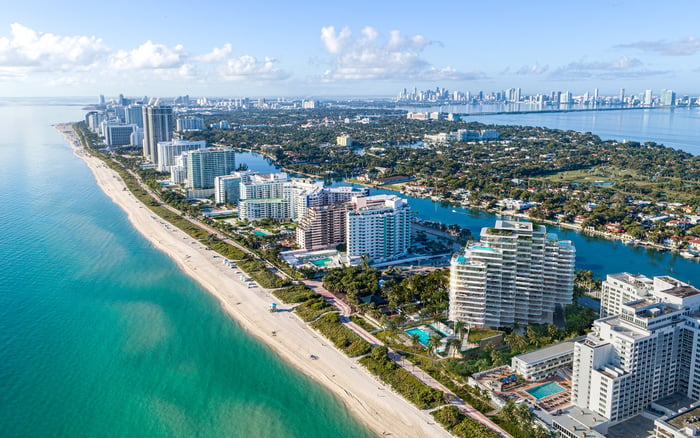
Residences such as 57 Ocean Miami Beach sit within the buyer conversation because Miami Beach wellness living is inseparable from sand, light, water and routine. Yet the strongest choice is rarely made from a brochure alone. It is made by asking how often each space will be used, at what time of day, and with what level of discretion.
A full-time fitness amenity should be read as a system, not simply a room with equipment. The strongest programs support multiple forms of movement: strength training, cardio, stretching, private coaching, recovery and quiet transition. Buyers should look for circulation that allows residents to enter and leave without feeling on display, along with locker or changing areas that make pre-work and post-beach routines feel effortless.
Ceiling height, ventilation, natural light and floor separation matter more than they may first appear. A beautifully furnished gym can still disappoint if the acoustics are harsh, equipment placement creates crowding, or the space feels exposed to passersby. For residents who train daily, these small factors compound into either loyalty or avoidance.
The best question is simple: would you still use this gym three days a week after the novelty fades? If the answer depends on the weather, the hour, or the number of other residents present, the amenity may be more decorative than durable.
In Miami Beach, spa areas can be among the most seductive elements of a residence. Steam, sauna, treatment rooms, relaxation lounges and water features create a sense of retreat that suits the city’s coastal rhythm. For full-time living, the issue is not whether the spa photographs well. It is whether the space is designed for repeat use without feeling theatrical.
A thoughtful spa environment separates wet and dry zones, protects privacy, and makes recovery feel instinctive. Residents should consider whether the route from fitness to spa is intuitive, whether the space remains calm at peak hours, and whether treatment rooms can accommodate real appointments rather than occasional special events.
For buyers comparing projects such as The Perigon Miami Beach and The Ritz-Carlton Residences® Miami Beach, the wellness conversation should move beyond amenity count. What matters is how the building choreographs recovery, privacy and service across the resident’s week.
A pool deck in Miami Beach is not merely a leisure amenity. For full-time residents, it can become a second living room, a post-work reset, a children’s afternoon zone, a lap routine, or a quiet place to read before dinner. The ideal pool environment depends on household rhythm.
Some buyers want a social pool with energy and service. Others prefer a more restrained setting where the water feels residential rather than performative. Lap swimmers should ask whether the pool truly supports uninterrupted exercise or whether its shape and programming are better suited to lounging. Families should consider shade, sightlines and the ease of moving between residence, pool, beach and parking.
Beach proximity adds another layer. Direct or convenient beach routines can reduce dependence on the pool, but they can also increase the need for rinsing areas, towel service, storage and discreet circulation. The most livable buildings make the transition from ocean to home feel graceful rather than improvised.
Luxury amenities are shaped as much by management culture as by design. A fitness center with the right rules can feel serene even when used often. A spa with thoughtful scheduling can feel private without being underused. A pool deck with attentive service can remain polished without feeling like a hotel lobby.
Full-time buyers should ask how spaces are reserved, how guests are handled, whether trainers are permitted, and how resident-only areas are protected. These are not minor questions. They reveal whether the building is oriented toward daily residents, seasonal owners, or a more transient pattern of use.
Privacy also extends to sightlines. A gym visible from a busy corridor may discourage real use. A spa lounge too close to elevator traffic may feel exposed. A pool deck without enough quiet corners can become difficult for residents who value discretion. The best amenity programs allow sociability by choice, not by force.
Miami Beach offers both intimate residential calm and more animated resort-style living. Neither is inherently superior. The right choice depends on temperament.
A boutique-minded buyer may prefer fewer users, quieter amenities and a sense of familiarity among staff and residents. A buyer who enjoys energy may favor a broader amenity ecosystem with multiple places to exercise, gather and unwind. The key is alignment. Problems arise when buyers choose resort energy but expect silence, or select boutique calm while wanting constant programming.
Projects such as Shore Club Private Collections Miami Beach illustrate why Miami Beach buyers often compare not only location and architecture, but also the emotional register of daily life. Fitness and spa amenities are central to that register because they are used in moments when residents are seeking either discipline or restoration.
A polished tour is useful, but a serious full-time buyer should evaluate amenities with the discipline of ownership. Visit at the times you expect to use the spaces. Notice whether the gym feels crowded before work, whether the pool becomes noisy in the afternoon, and whether spa areas retain their calm as residents move through the building.
Ask practical questions. Where do towels live? How are wet swimsuits handled? Is there a clear path from beach to elevator? Are personal trainers allowed, and under what rules? Can treatment rooms be booked easily? Are children’s use policies compatible with your household? Is there meaningful separation between active fitness and quiet recovery?
Also consider the residence itself. A superb amenity program cannot fully compensate for a floor plan that makes wellness routines inconvenient. If the closet, bath, laundry and terrace sequence supports your day, the building’s amenities become an extension of the home rather than an occasional destination.
For the luxury buyer, wellness amenities are no longer ornamental. They influence how a residence lives, how often owners use common spaces, and how strongly a building supports full-time occupancy. The most valuable programs are not necessarily the largest. They are the ones that make movement, recovery and coastal living feel effortless.
In Miami Beach, that means looking past the immediate glamour of a pool photograph or spa rendering. It means understanding the relationship between service, privacy, sound, scheduling and the path from your front door to the water. When those elements are right, the residence becomes more than a beautiful address. It becomes a daily wellness infrastructure.
What should a full-time buyer look for first in a fitness amenity? Start with access, equipment mix, ventilation, acoustics and whether the gym supports the hours you actually train.
Is a larger gym always better in a Miami Beach residence? Not necessarily. A smaller gym with thoughtful layout, privacy and consistent maintenance can be more useful than a larger but crowded space.
How important is a spa amenity for year-round living? It becomes more important when recovery, travel fatigue, stress management and post-workout routines are part of daily life.
Should buyers prioritize a pool or beach access? The answer depends on lifestyle. Many full-time residents value both, but the most important factor is how easily each can be used every day.
What makes a lap pool different from a decorative pool? A lap pool should support uninterrupted swimming, while a decorative pool may be better suited to lounging and atmosphere.
Are private trainers usually an important consideration? Yes, if you train with a professional. Buyers should understand building rules for outside trainers, scheduling and resident privacy.
How can a buyer judge whether a spa will feel private? Study the circulation, sightlines, reservation process and proximity to elevators or other high-traffic areas.
Do wellness amenities affect resale appeal? They can support appeal when they are well maintained, thoughtfully programmed and aligned with the expectations of full-time luxury buyers.
Are resort-style amenities right for every Miami Beach resident? No. Some buyers prefer energy and service, while others want a quieter residential environment with fewer points of activity.
When should amenities be evaluated during the purchase process? They should be evaluated early, alongside floor plan, view, service model and neighborhood fit, not treated as a final detail.
If you'd like a private walkthrough and a curated shortlist, connect with MILLION.
If branded residences are on your mind — as a home or as an allocation — we would be glad to share what we are seeing, privately.
Begin a quiet conversation